Day 2: Tel Aviv, Jaffa, Cesaria

April 19th, 2023
Tel Aviv
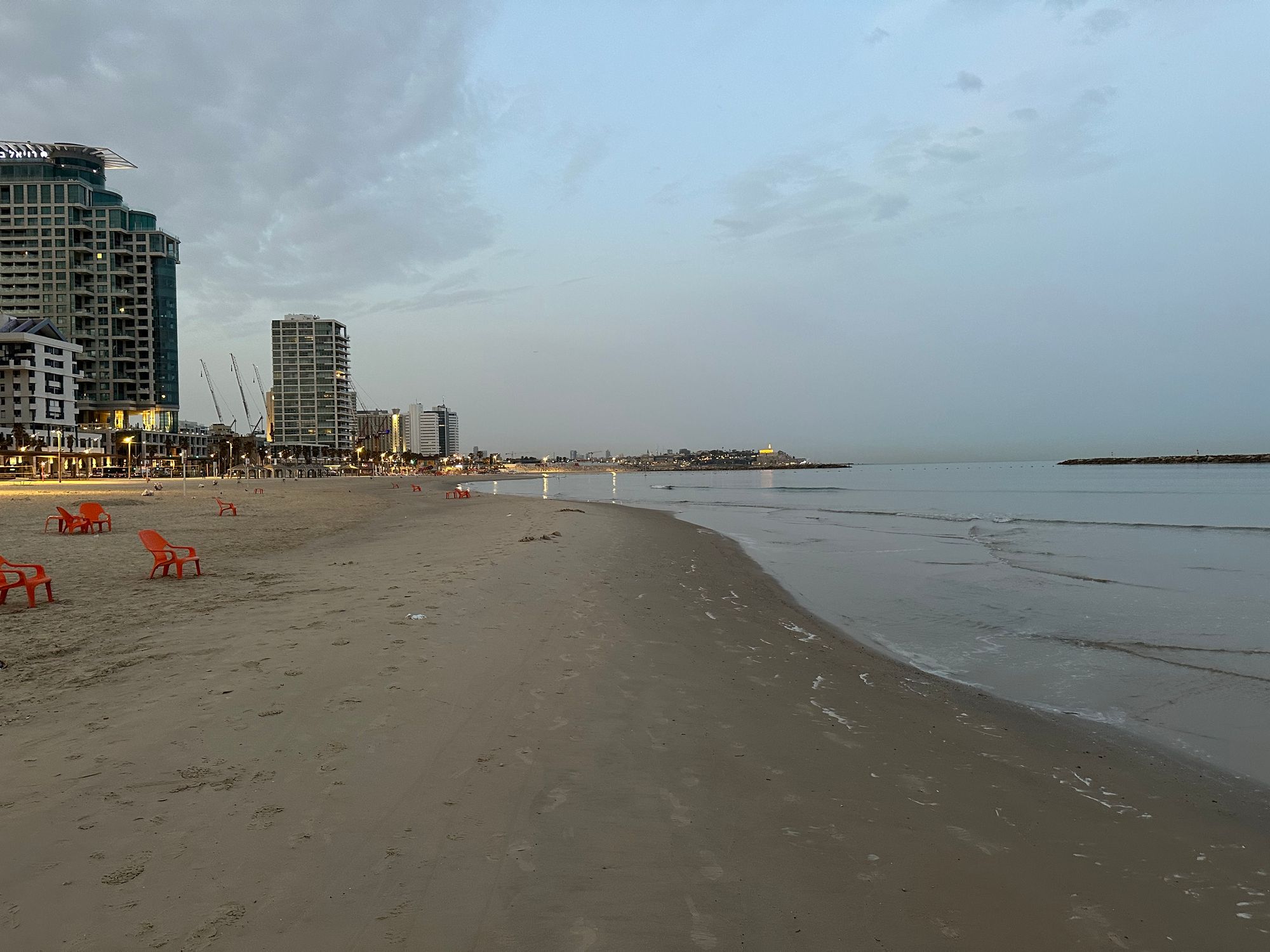
Tel Aviv is a relatively new city: it's less than a century old, founded during Ottoman Empire, around 1910.
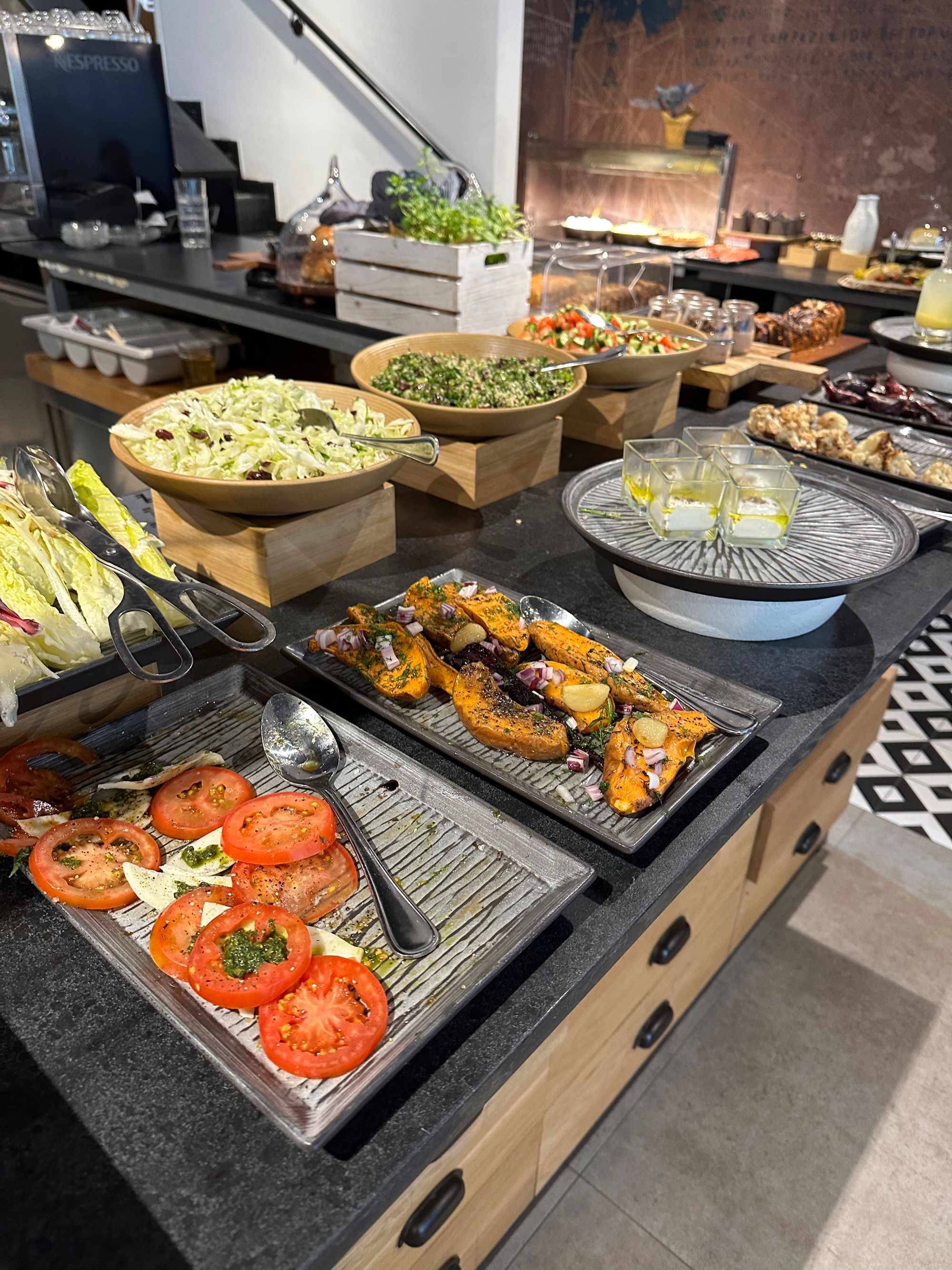
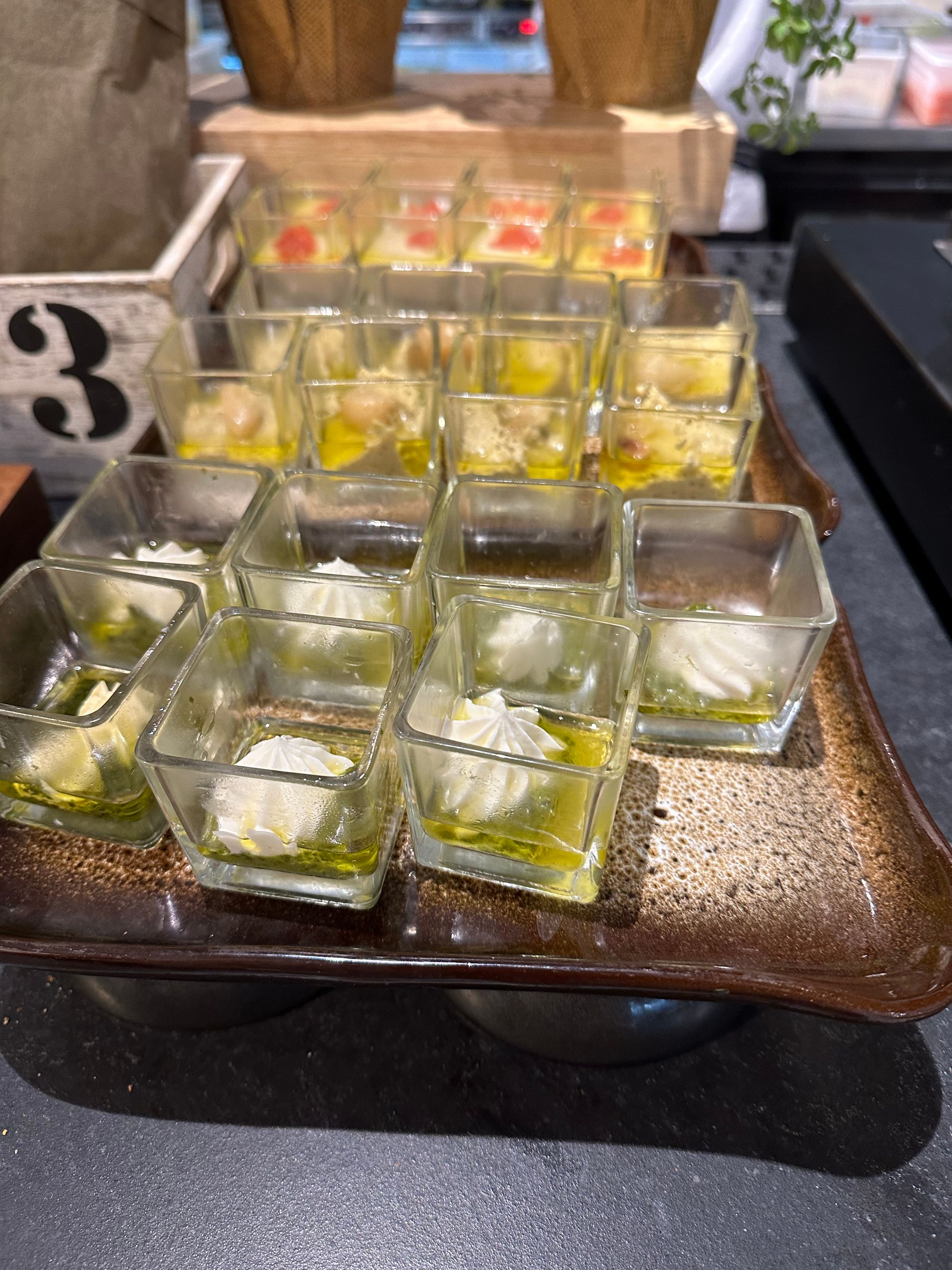
We stayed near the beach, and enjoyed one of the better meals of the trip.

The name "Tel Aviv" comes from Theodore Hertzel, and combines the words Aviv (for Spring) and Tel (for town or gathering).
Tel Aviv is inextricably tied to the birth of Zionism. It was the location where Israeli statehood was proclaimed (May 14 1948), and where Jews settle for more than a century before then hoping to establish a future state of Israel.
In what's now Israel, the English ran things after WW1 and by the end of WW2, they were ready to leave.
The US warned Israelis not to create state, saying it would bring about a second holocaust.
Ben Gurion did a vote in Tel Aviv, 6 to 4 vote (anonymous) for creation of a state, knowing that all states around it would attack immediately and try to wipe it out.
One of the first sites we visit is a statue of Captain Dreyfus.
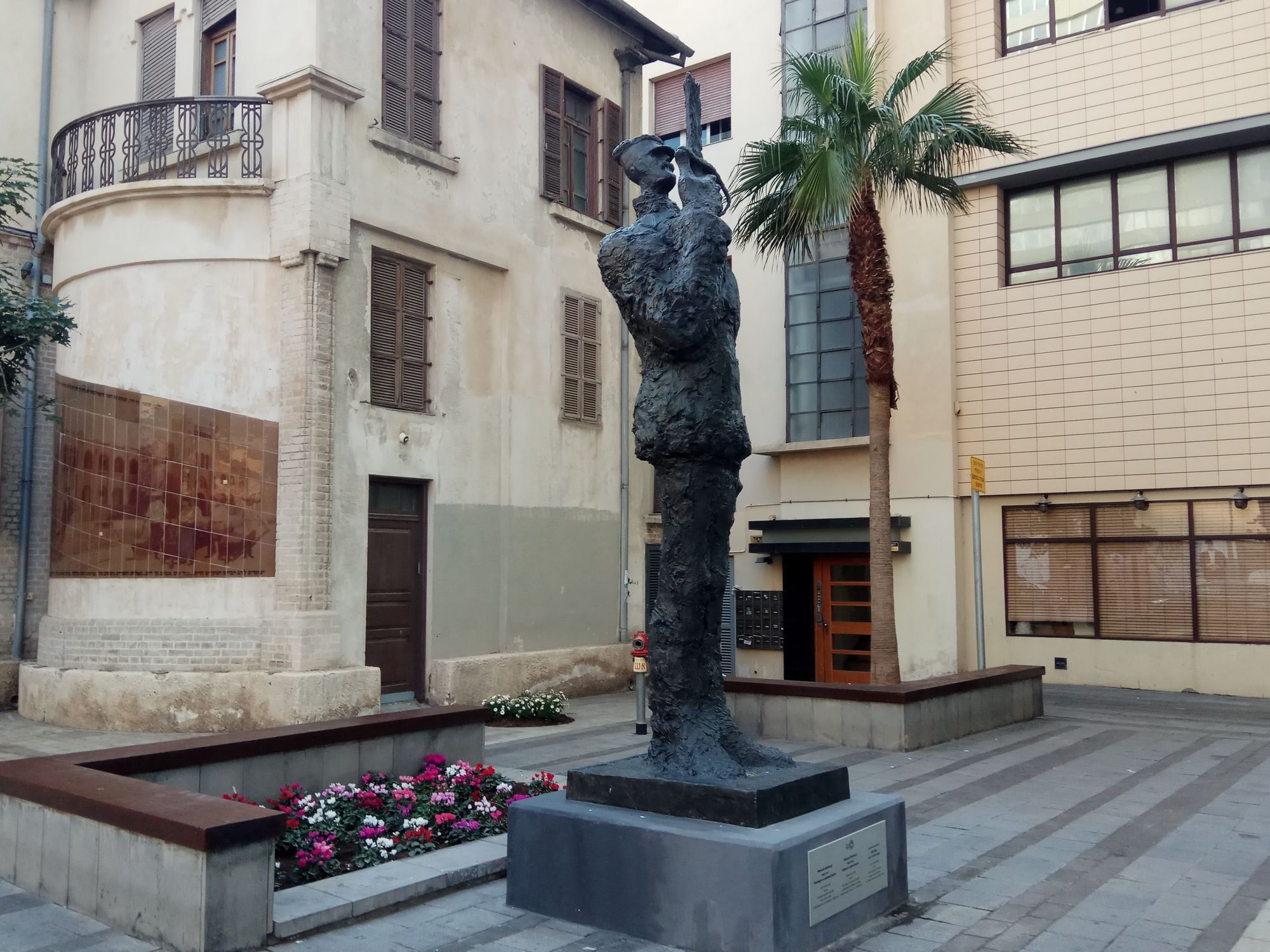
Tel Aviv was founded about 50 years before the state of Israel. A lot of things were tried in Tel Aviv as it was designed. The emphasis on school and community was paramount. It was also the first city with running water in houses in the Middle East
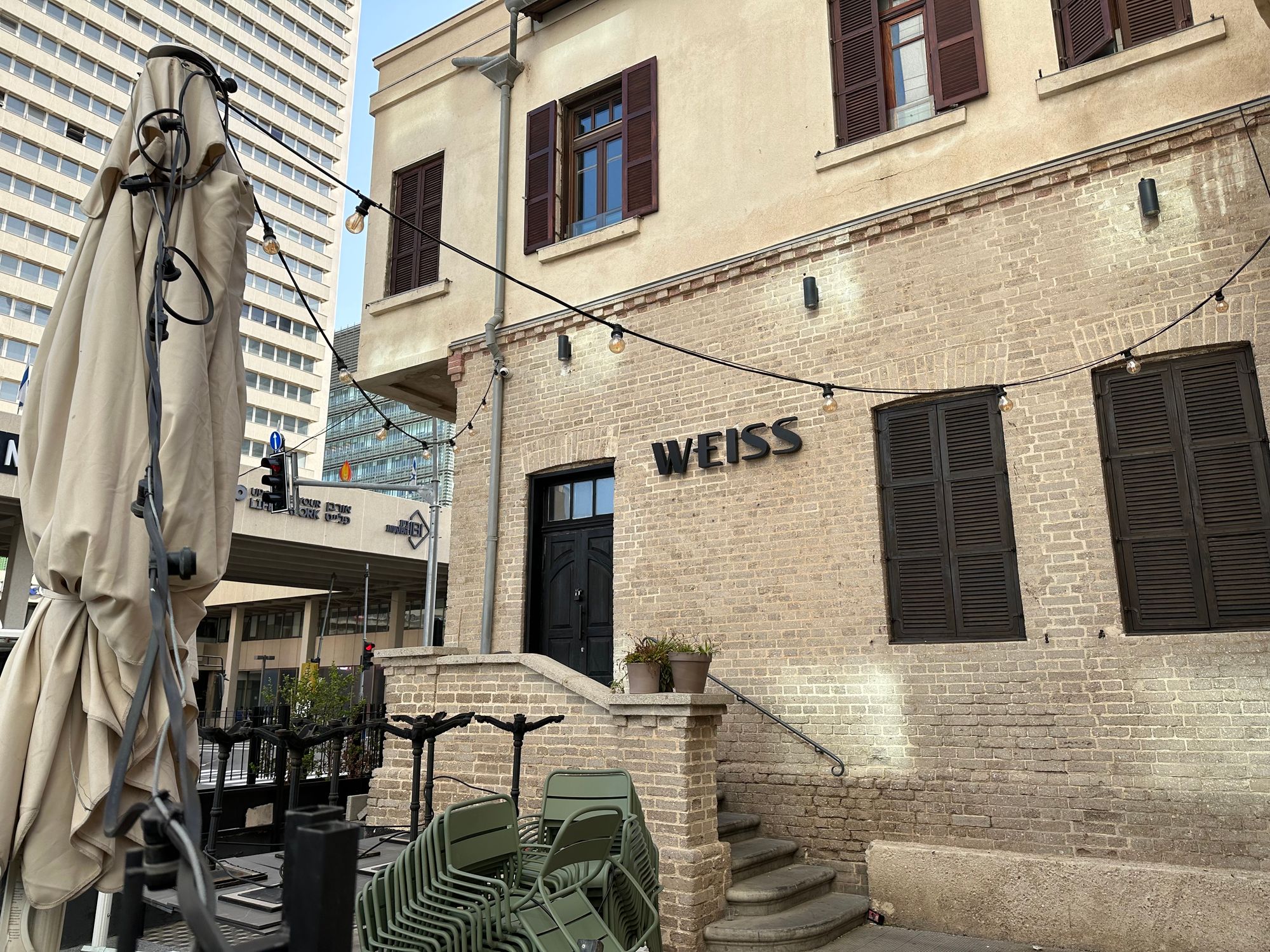
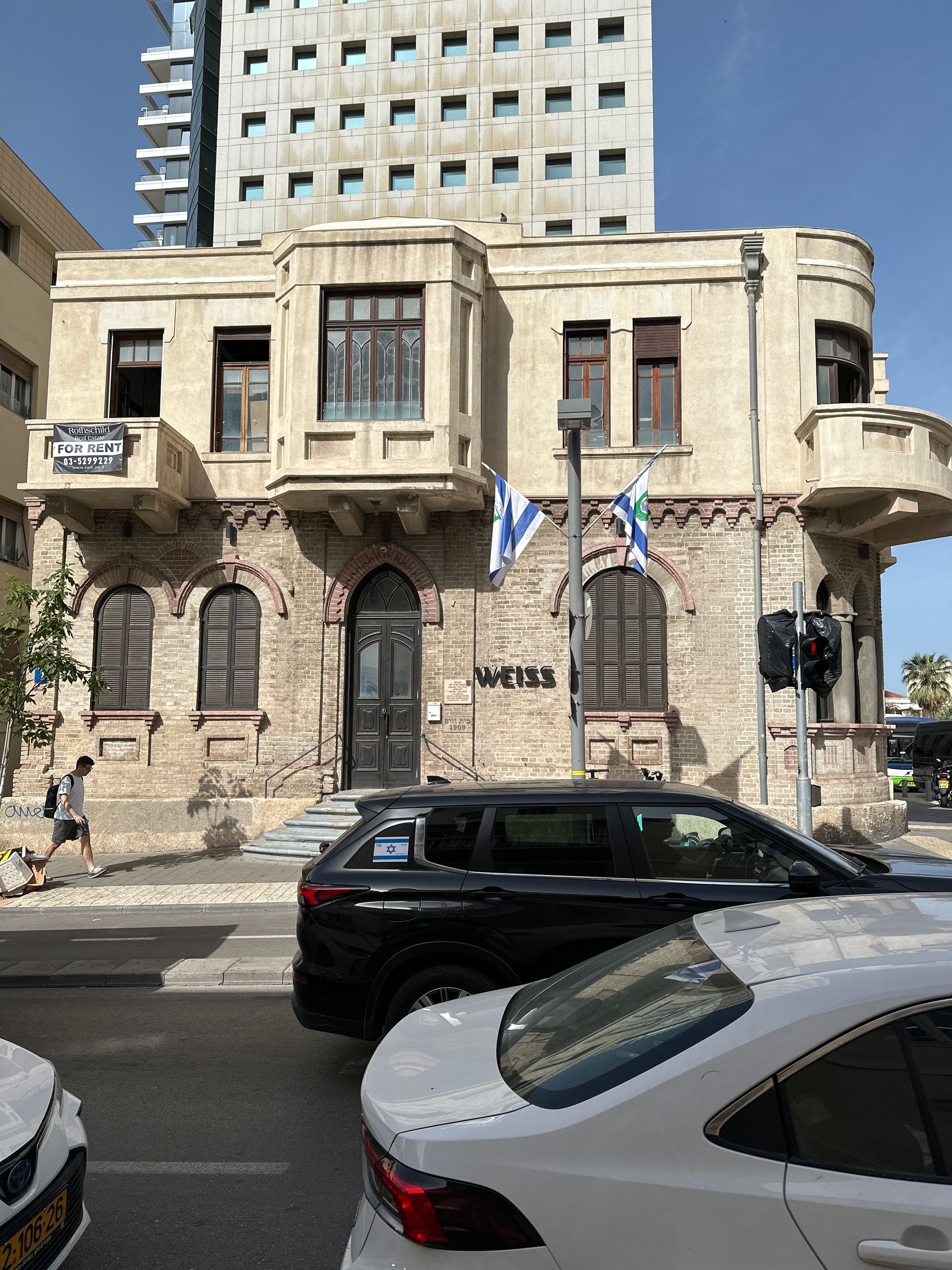
We also saw some cool signage...
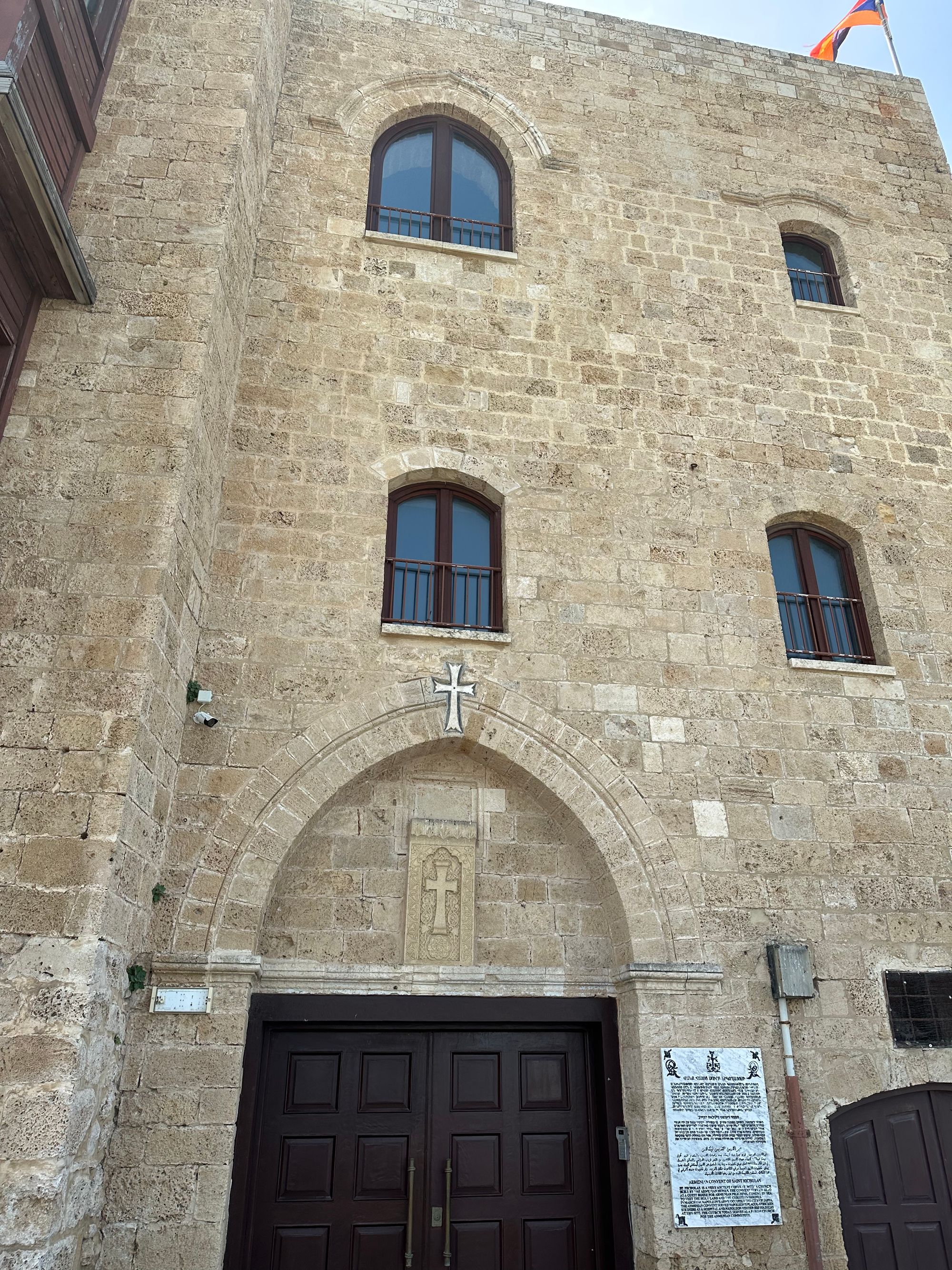
Jaffa
Tel-Aviv has a sister city called Jaffa. It was a much older city. As Tel Aviv grew through the 1900s, it enveloped Jaffa and now people refer to the area as Tel-Aviv Jaffa.
Jaffa started as an Egyptian port city around 3500 BCE. Bronze-age amulets and other objects have been found in Jaffa as well.
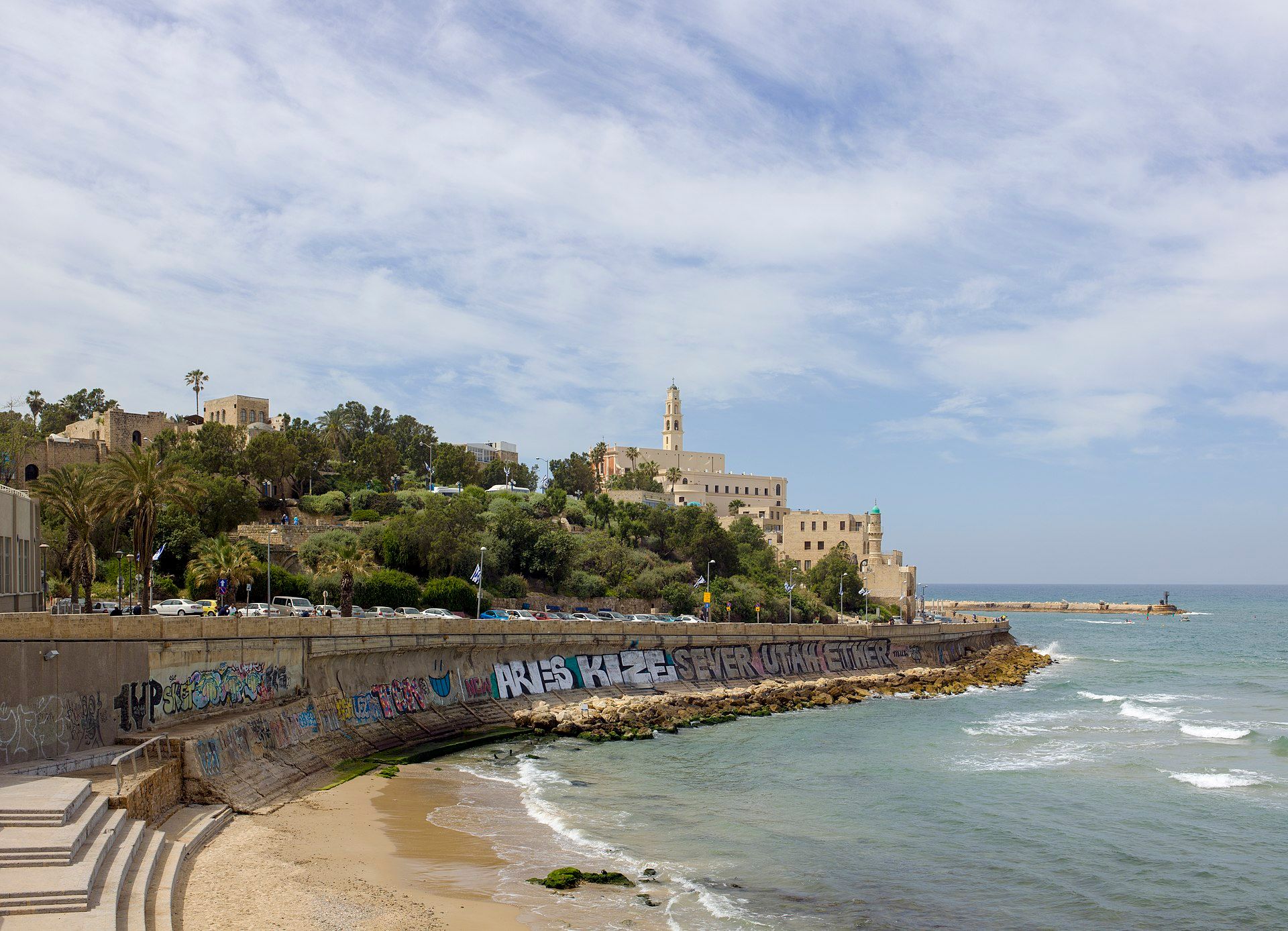
For most of written history, Jaffa was larger than Bethlehem or Jerusalem. Egyptian pharaohs would have come through the port. And later Napoleon Bonaparte used the port during his conquest.
We're also told (from biblical texts) that Jaffa was born after the great flood: it is supposedly the site where Noah's ark found ground, and where he then founded the city.
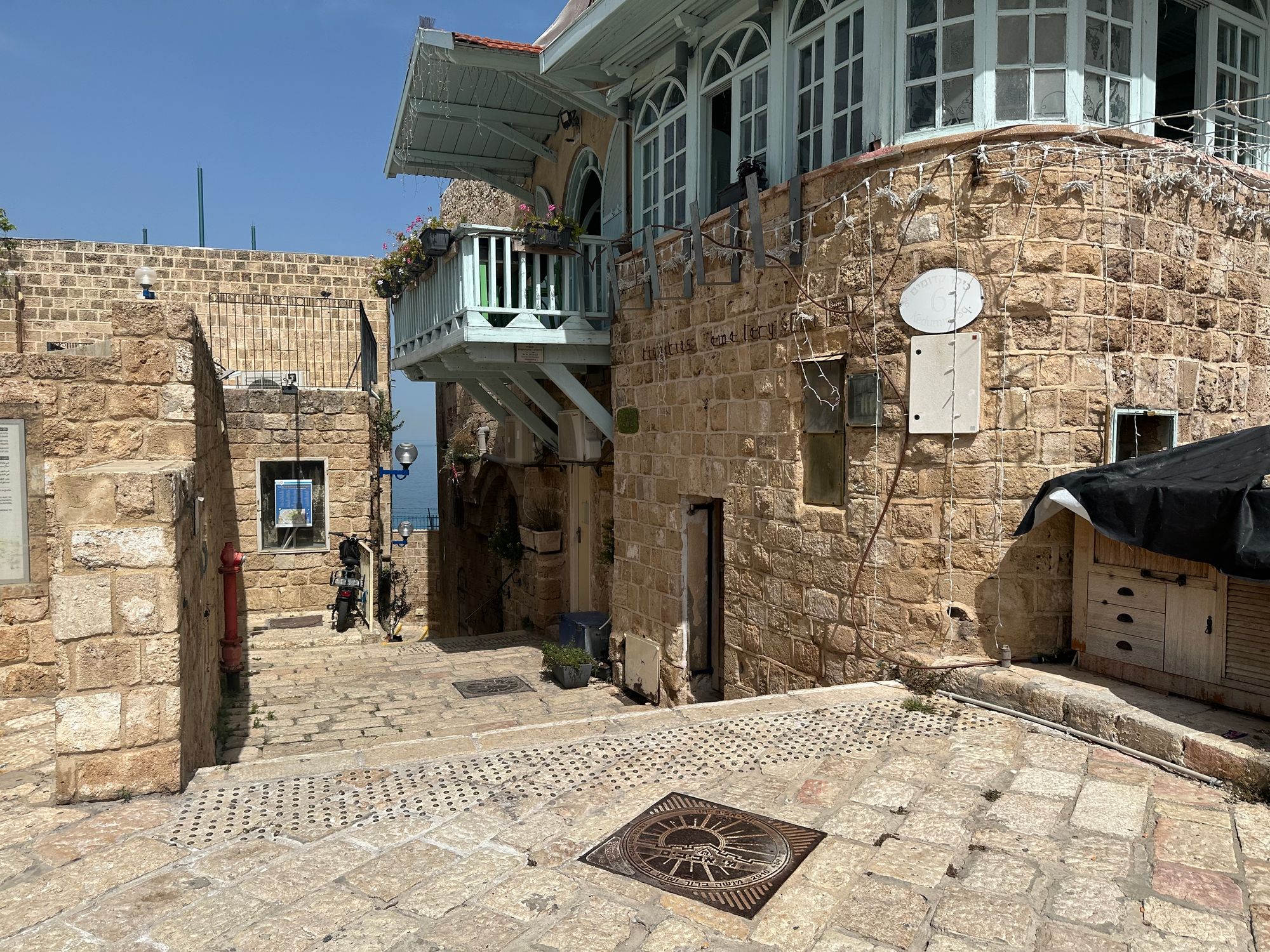
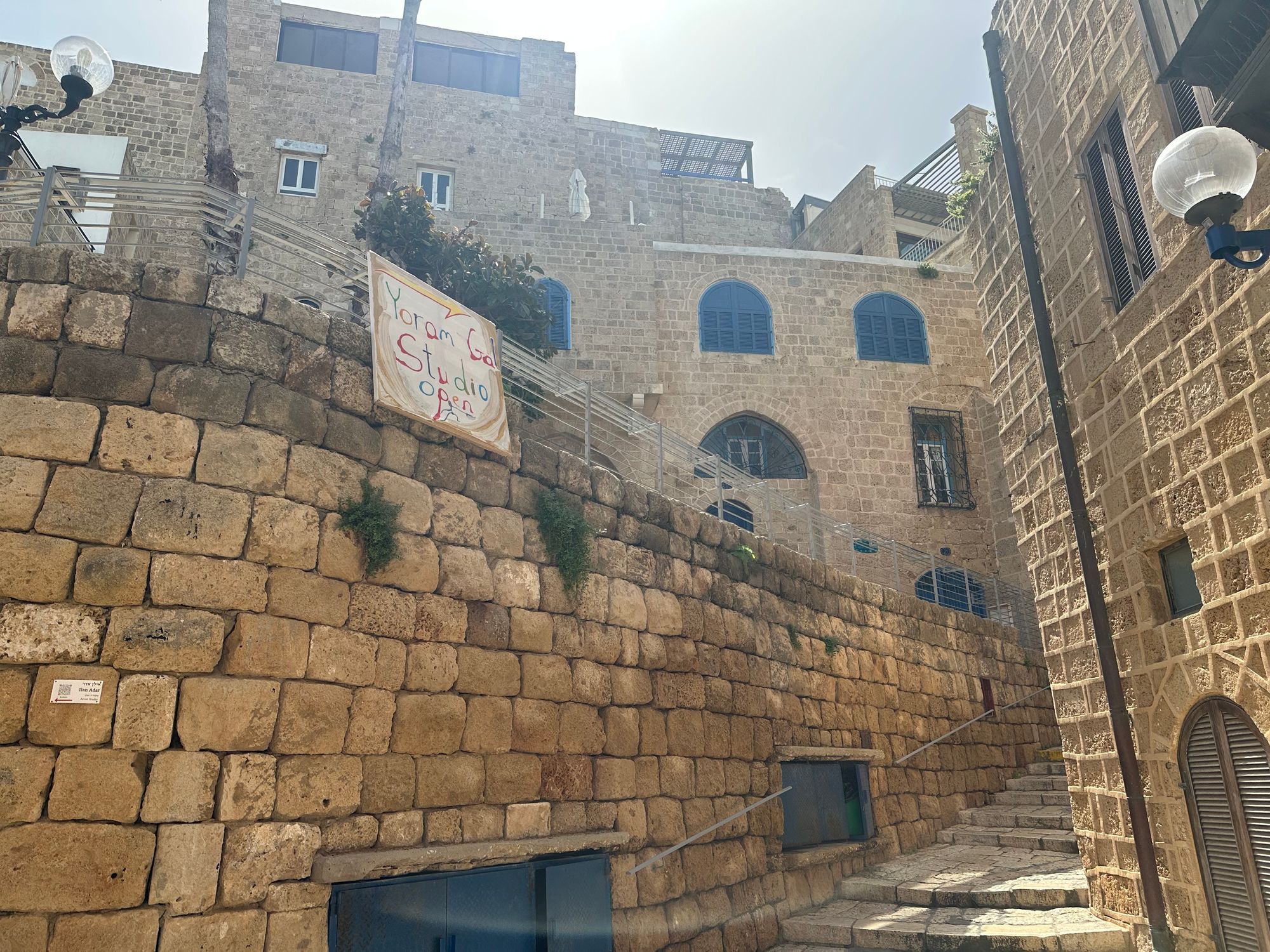
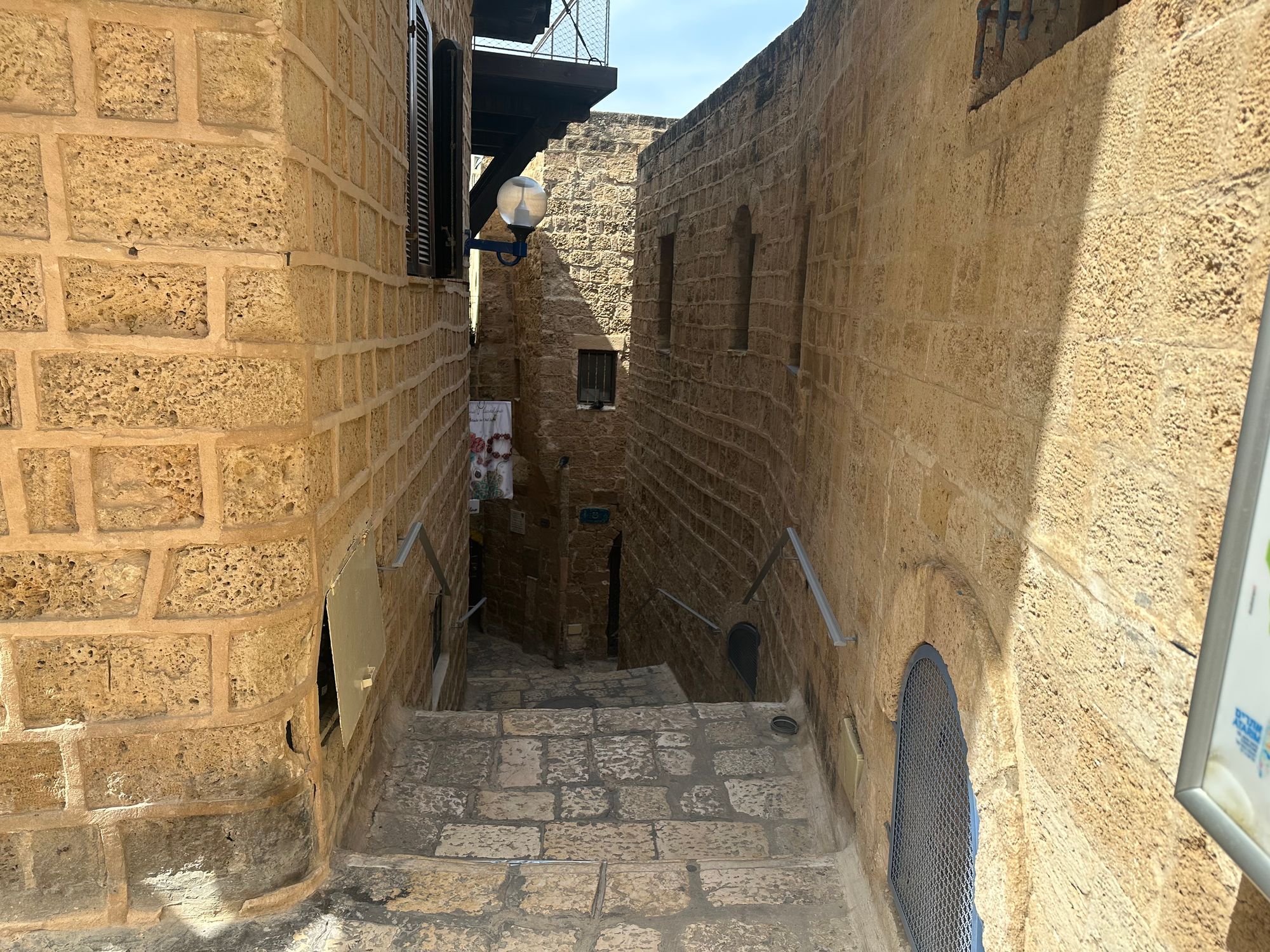
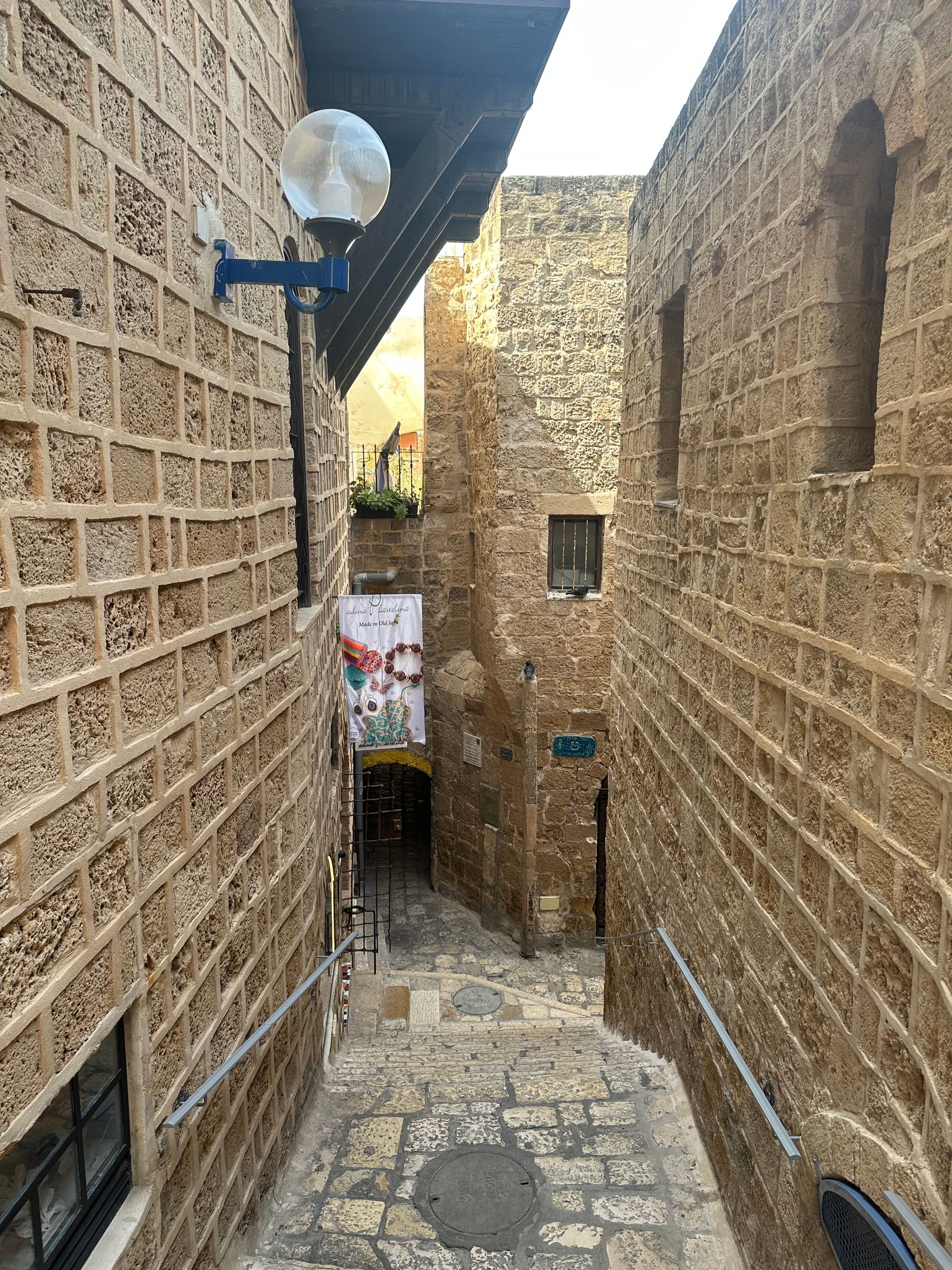
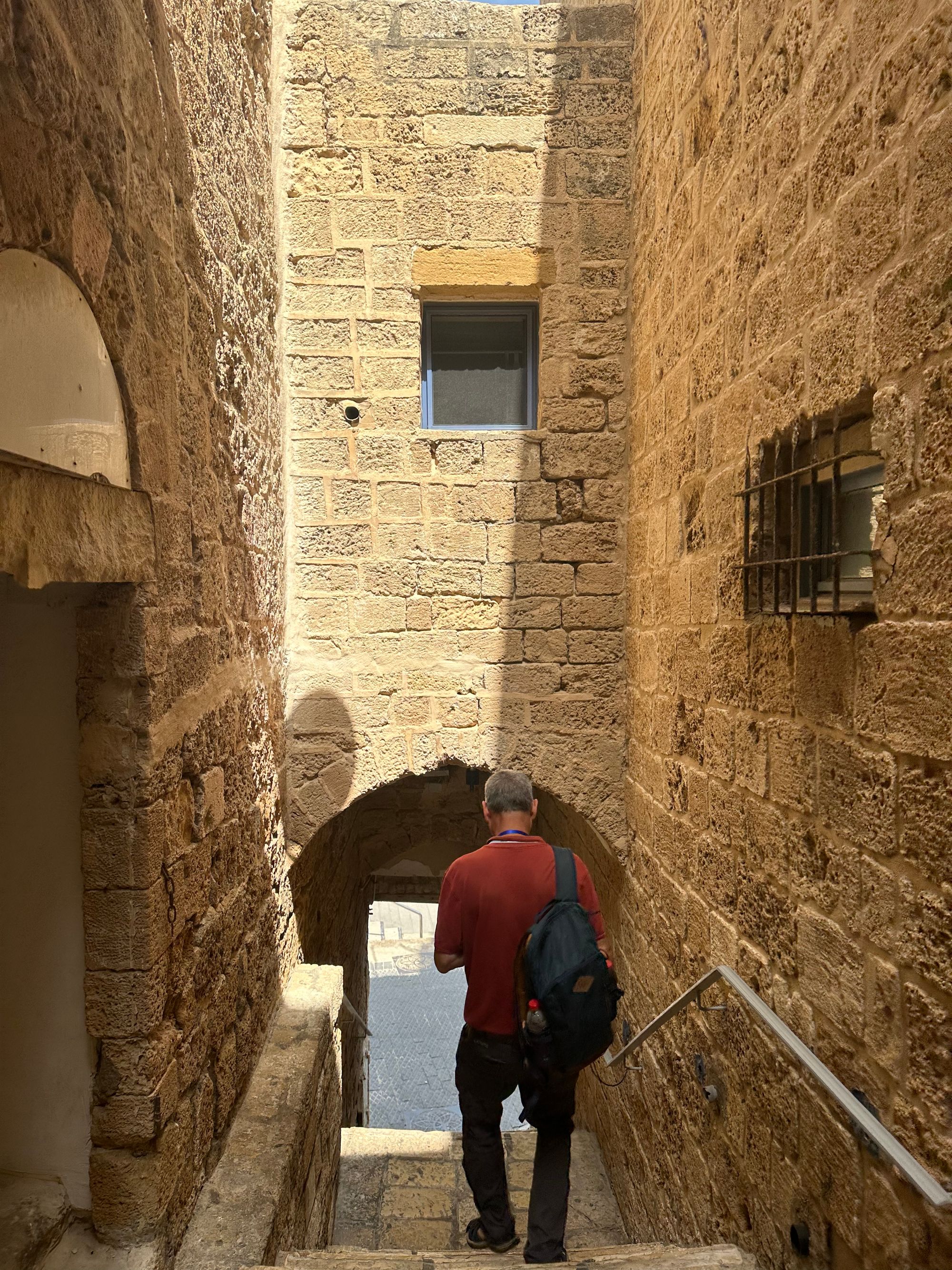
Walking around the streets of Jaffa
Jaffa wasn't one of many port cities, or most of history it was the only port in the area. As a result, it was a mandatory thoroughfare to get to Jerusalem etc.
In the 1920s it was the largest Arabic city in modern day Israel. But in 1929 (and 1936) Arabs in Jaffa revolted against the English which is why it's so much smaller now (British operation anchor)
The greek story of Andromeda also takes place in Jaffa. The rocks that you see in the image below are original to the city, and are reputed to have been the place where Andromeda was rescued by Perseus.
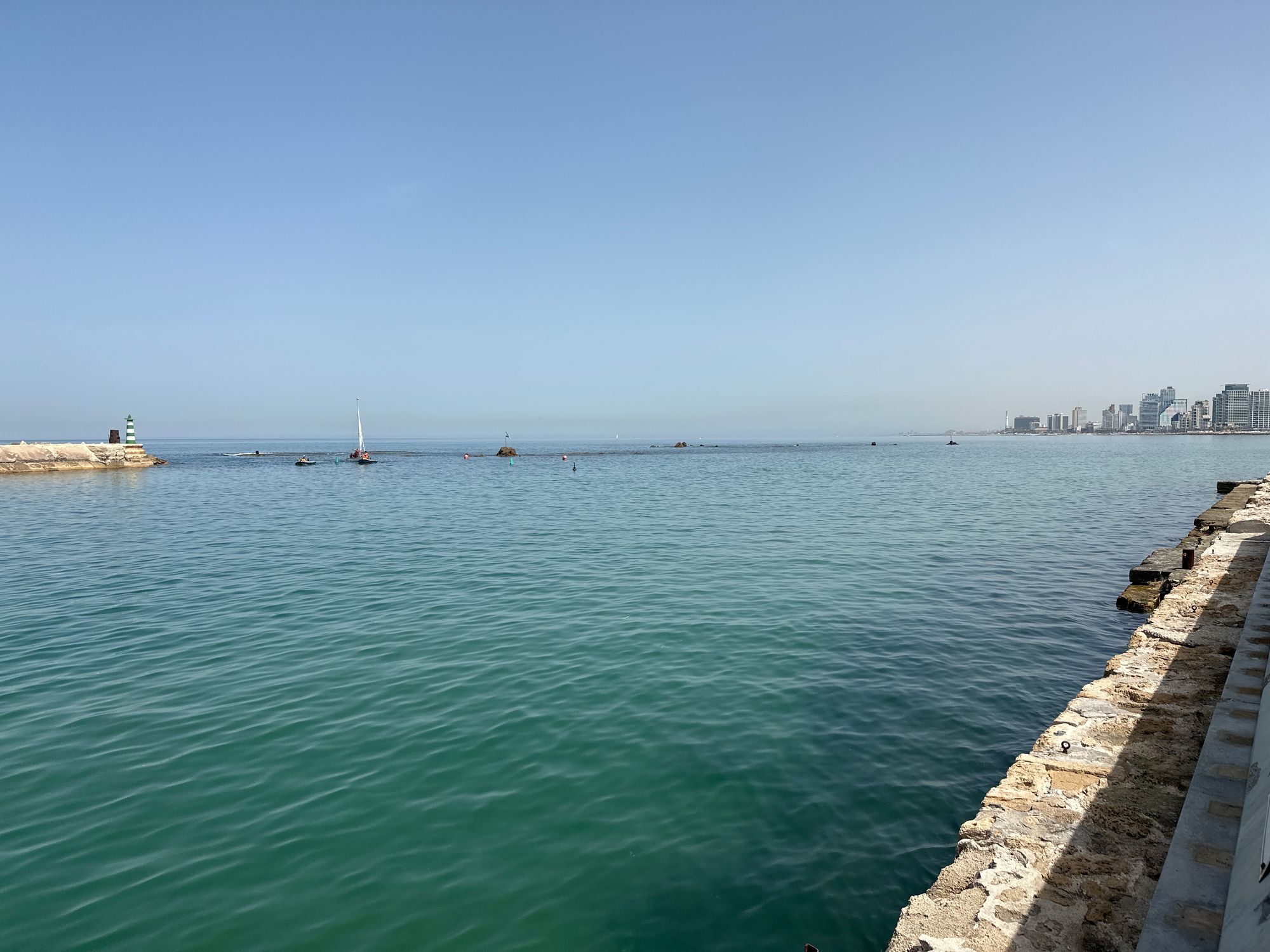
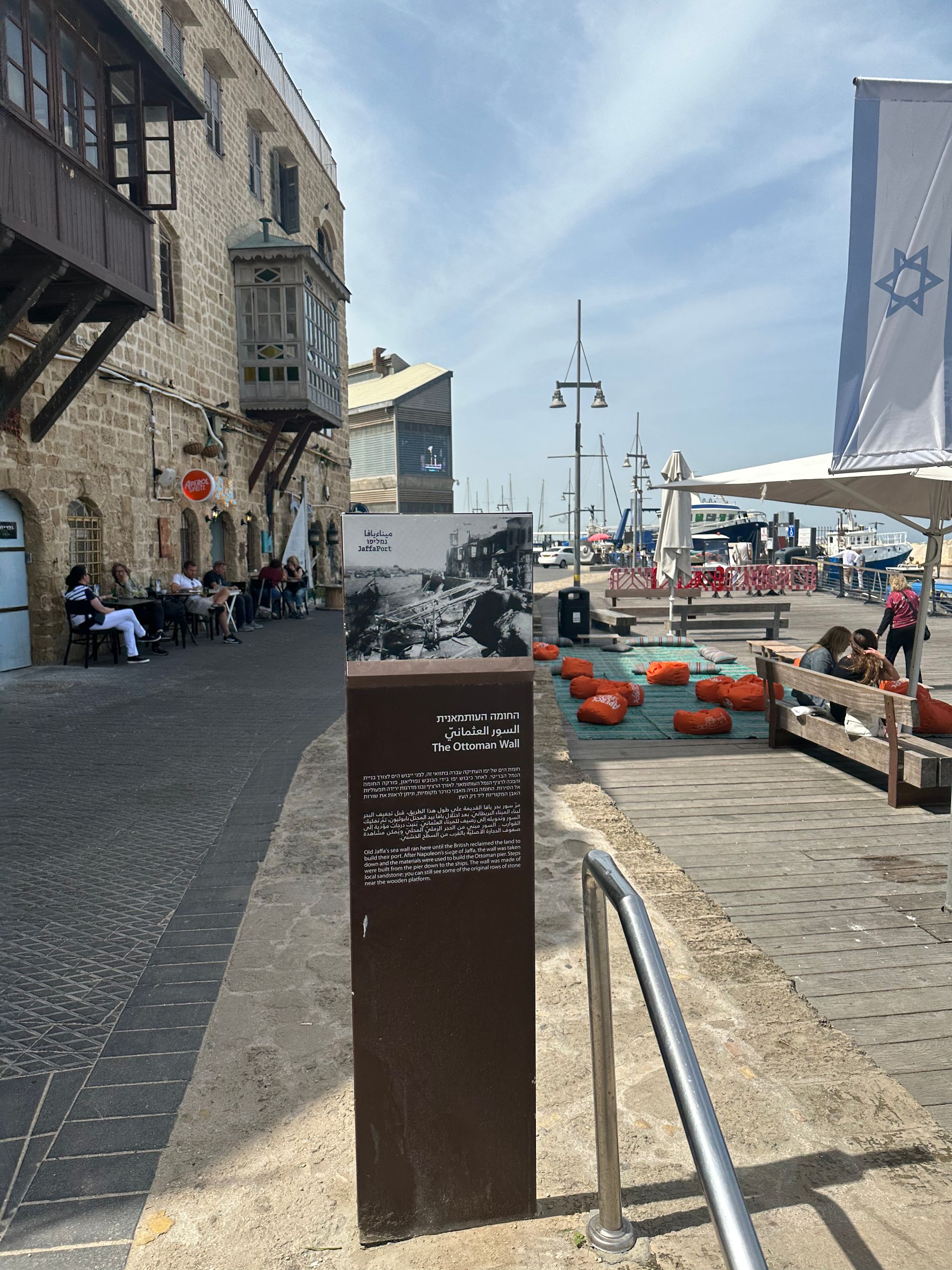
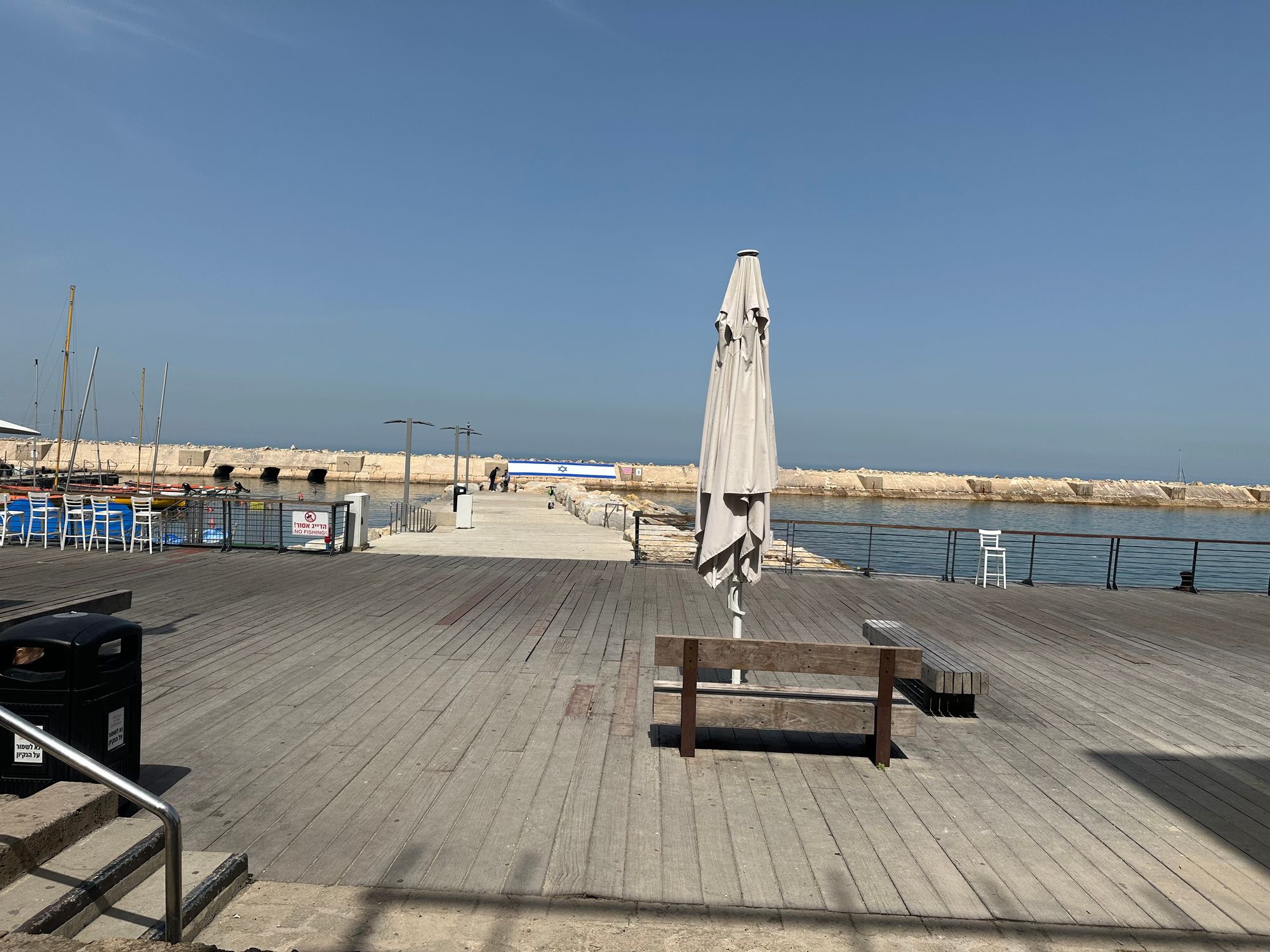
In the 1500s CE, the Ottomons took over and a modern sea wall was built over the old one.
Caesarea
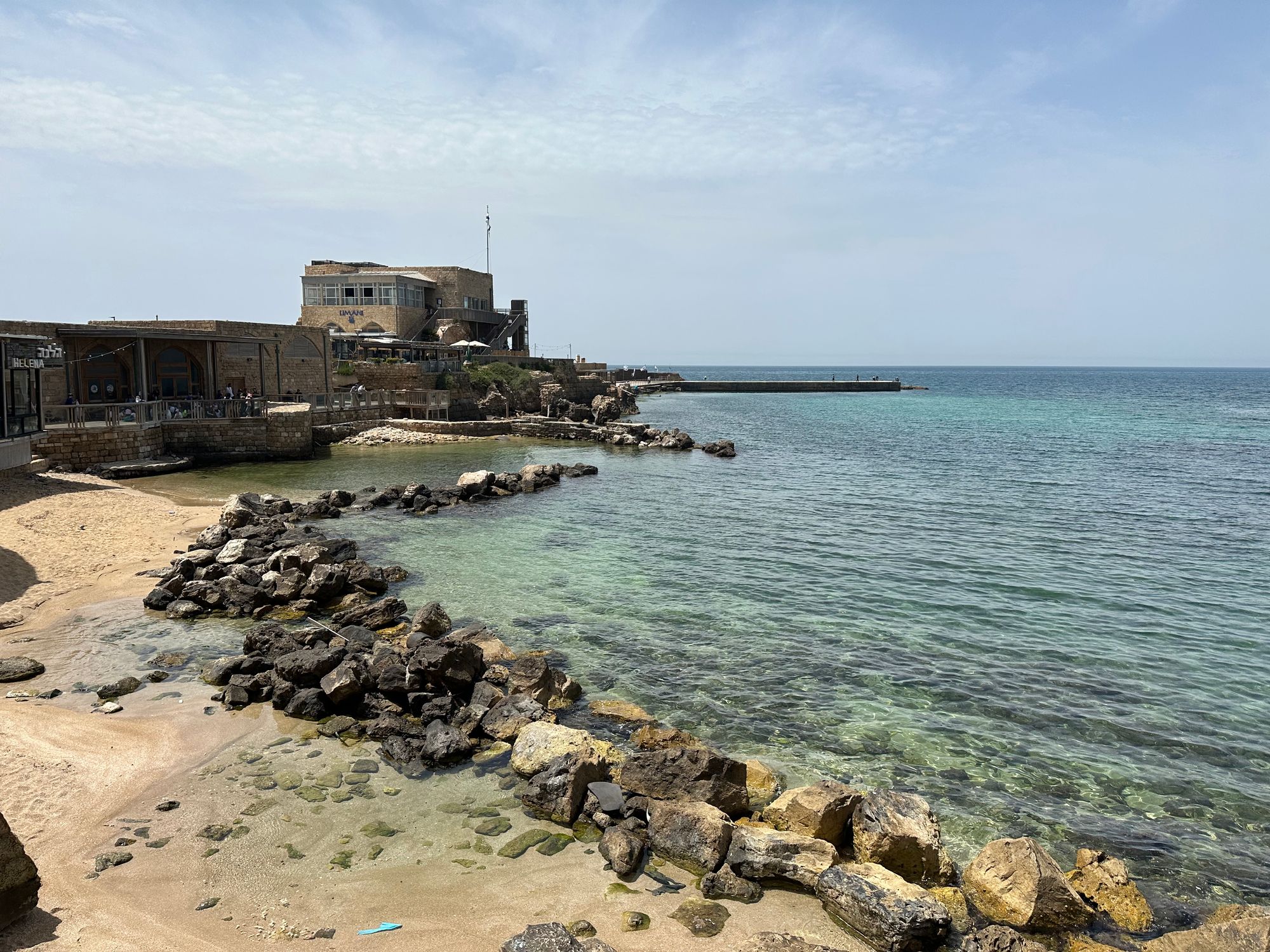
A few hours north of Tel-Aviv Jaffa are the ruins of the city of Caesarea. A roman city, it dates from around 300 BCE and is famous from an archaeological perspective due to the feats of engineering that took place here under the reign of king Herod around 60 BCE.
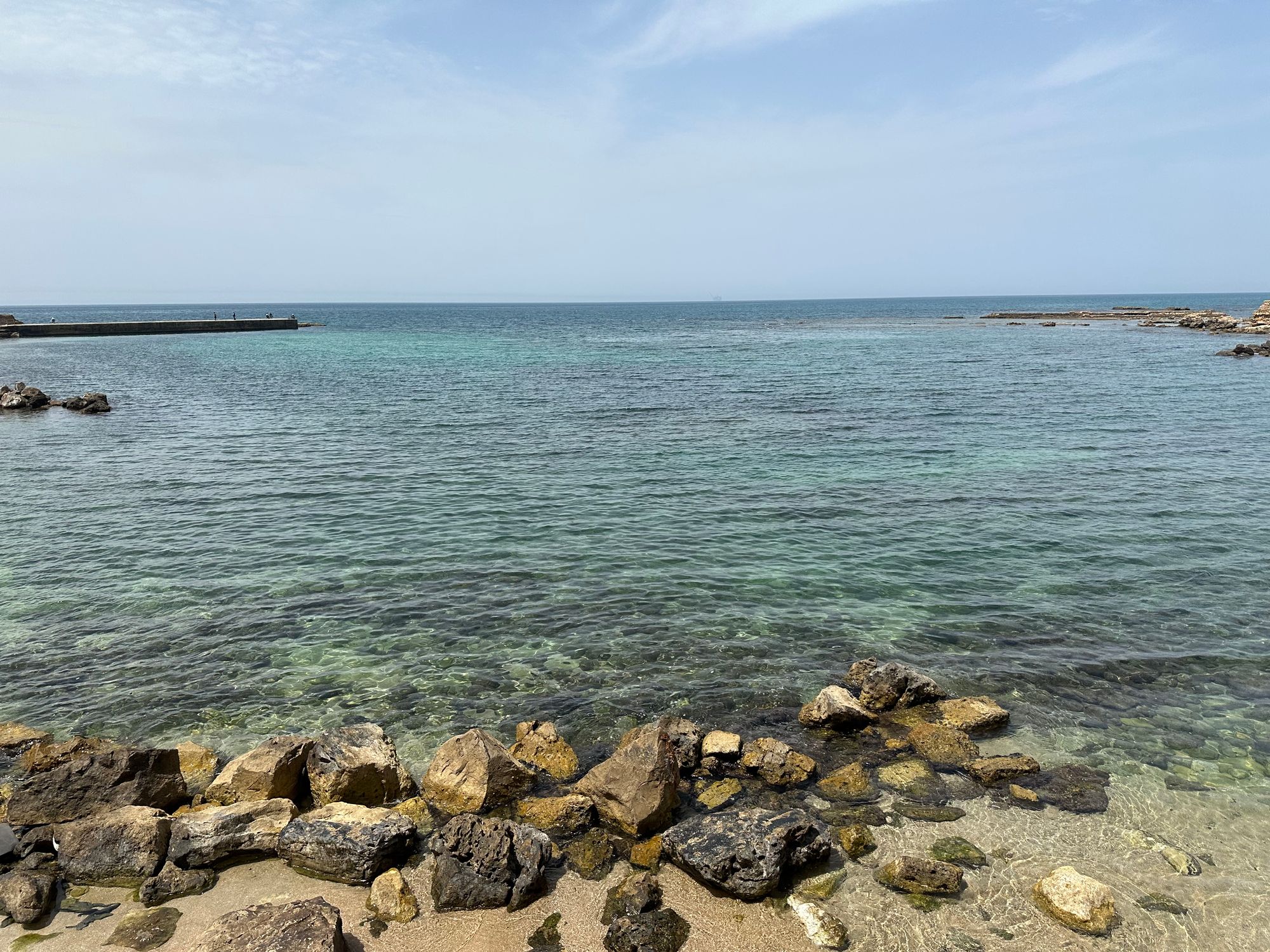
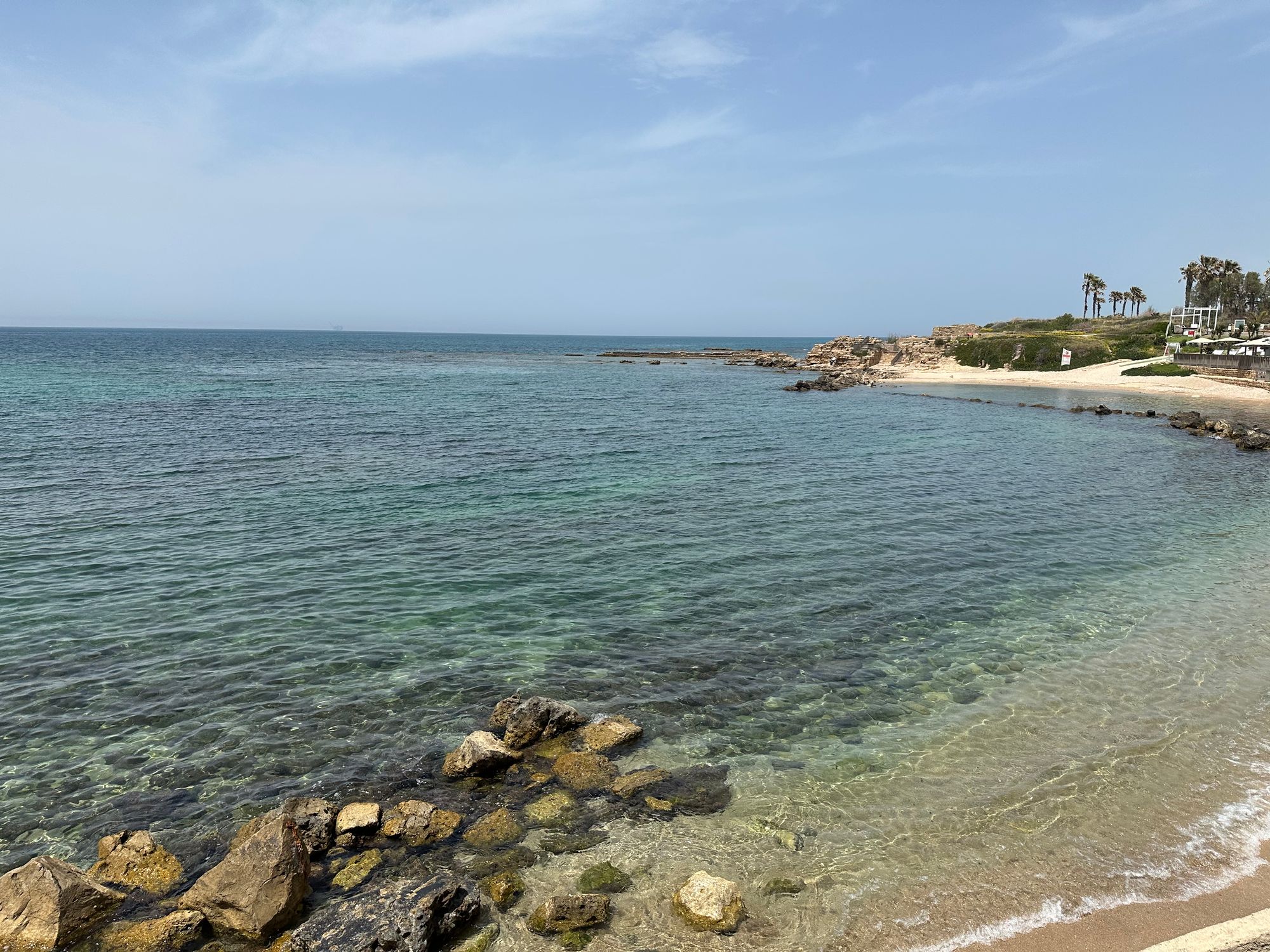
What's left of Herod's Port in Caesarea
The port was one of the greatest during biblical times. It had two sections, one for commercial vessels and one for passenger ships. It also had a system to cycle the water through the port to keep the port clean. All of this is thanks to Vitruvius (27 BCE), who invented a cement that hardens under water (key ingredient is called pozzolanic ash)
Harold used boats that were emptied between bringing grain from Egypt to Rome to fill them with pozzolana and help build his port.
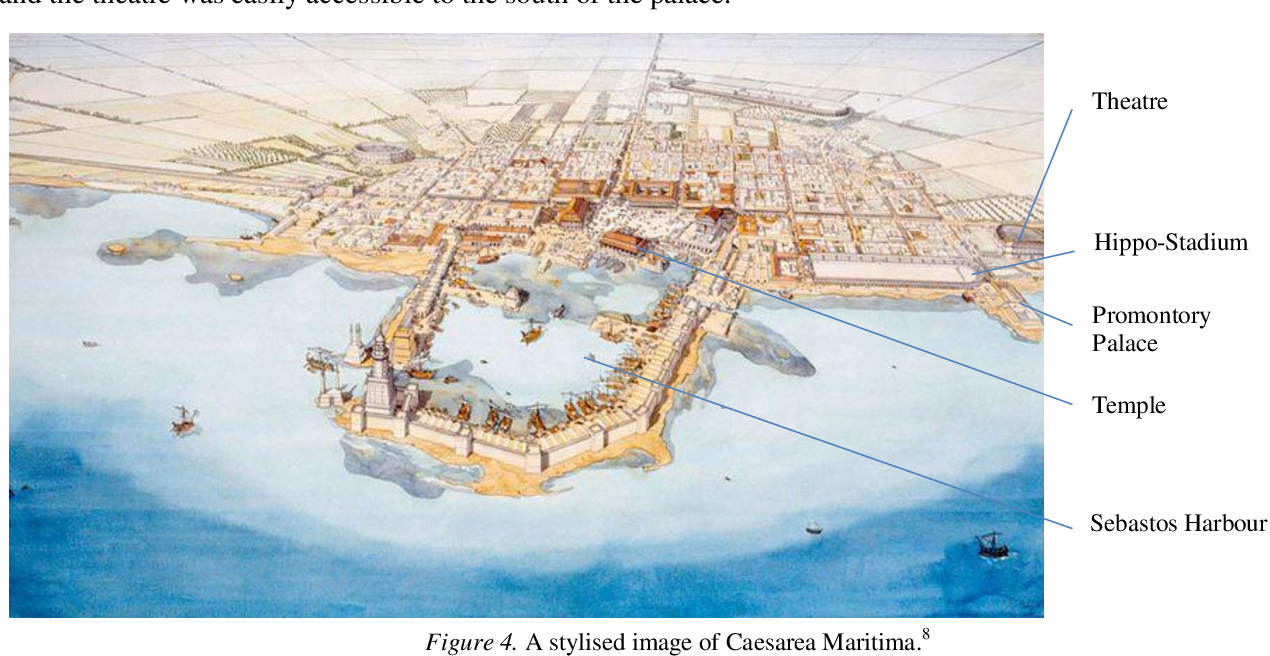
The City of Caesarea
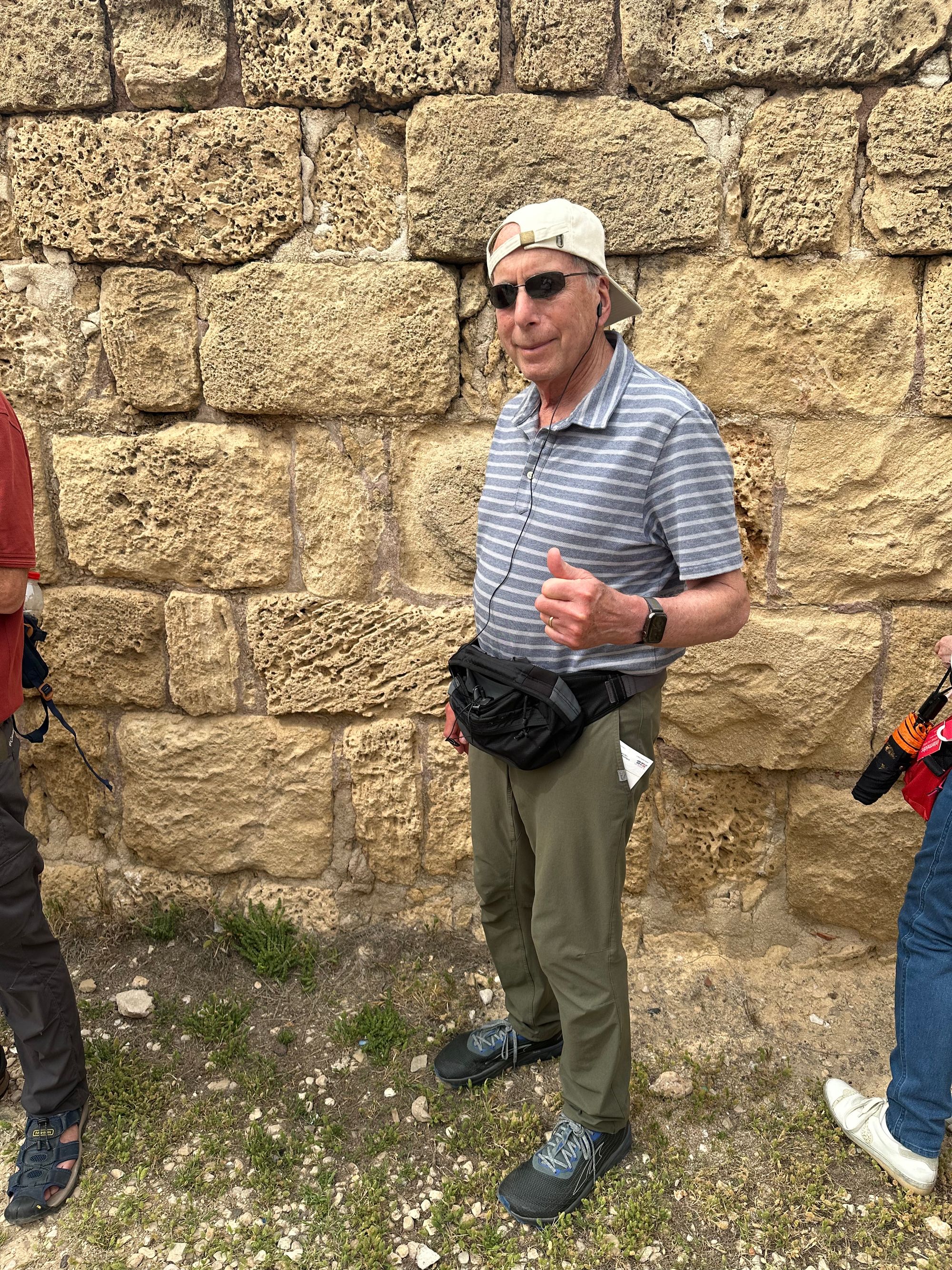
Walking through the excavations of the old roman city, we saw mosaics, marble columns, a hippodrome, an amphitheater, and the site of King Herod's palace.
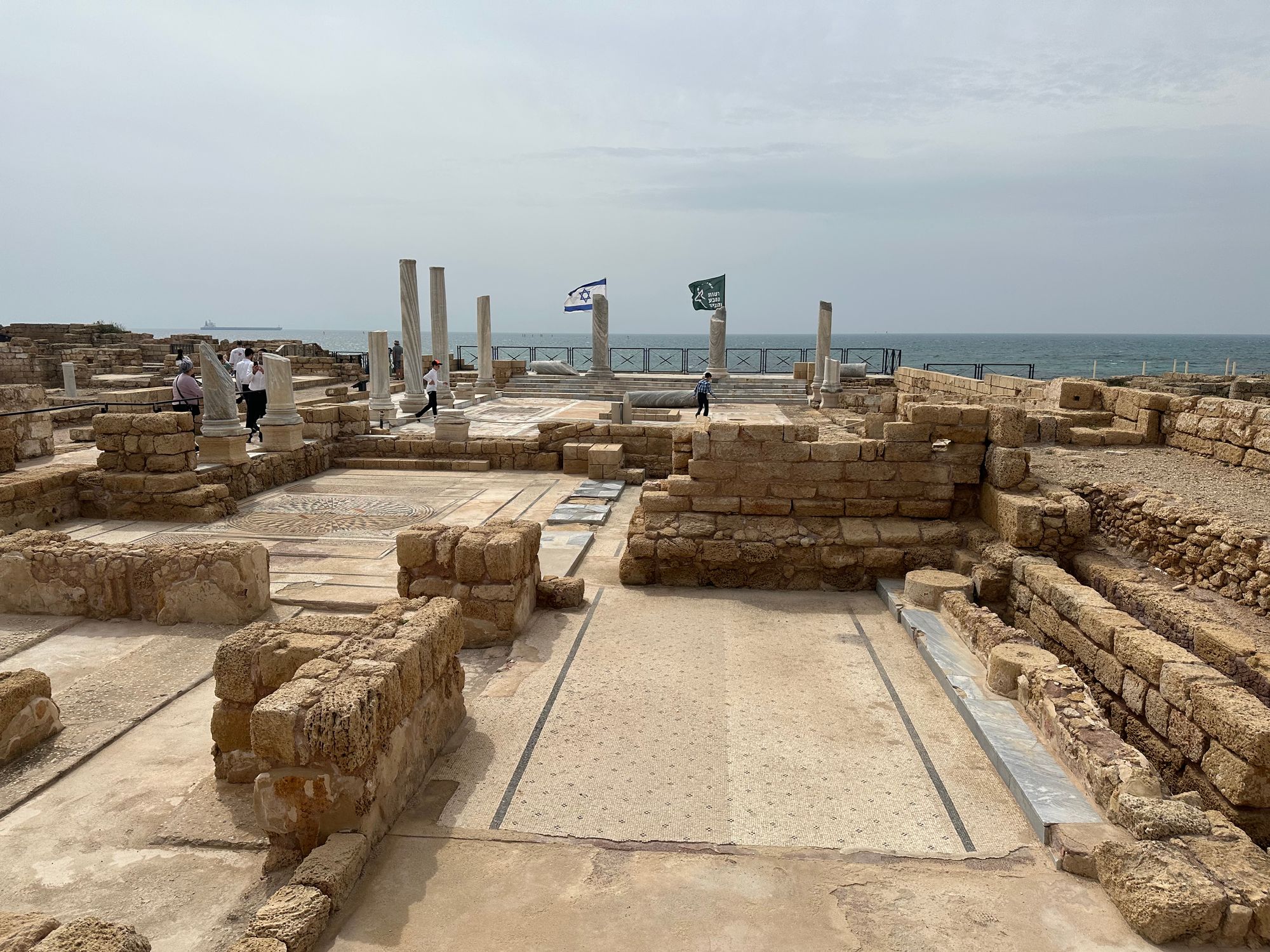
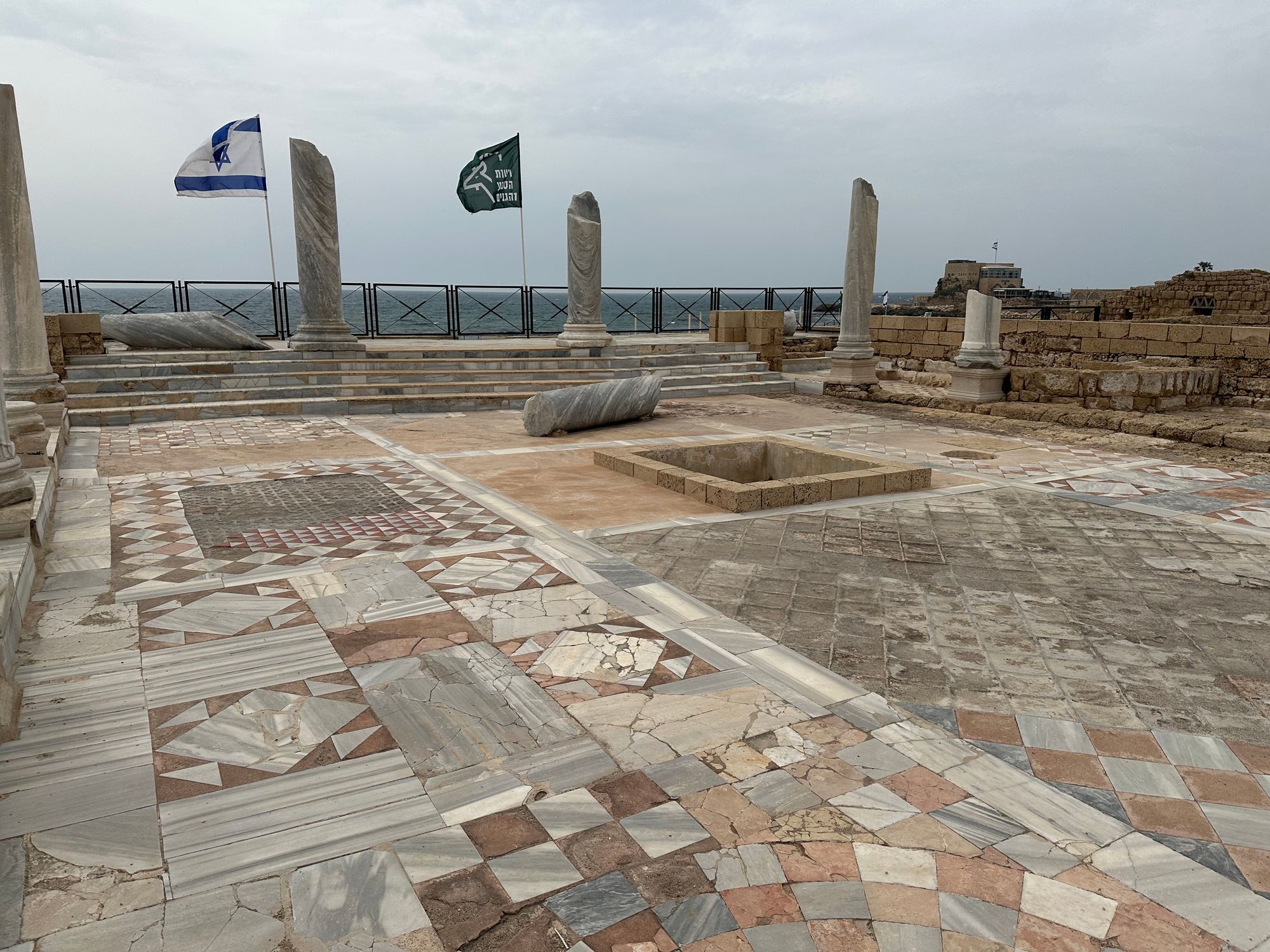
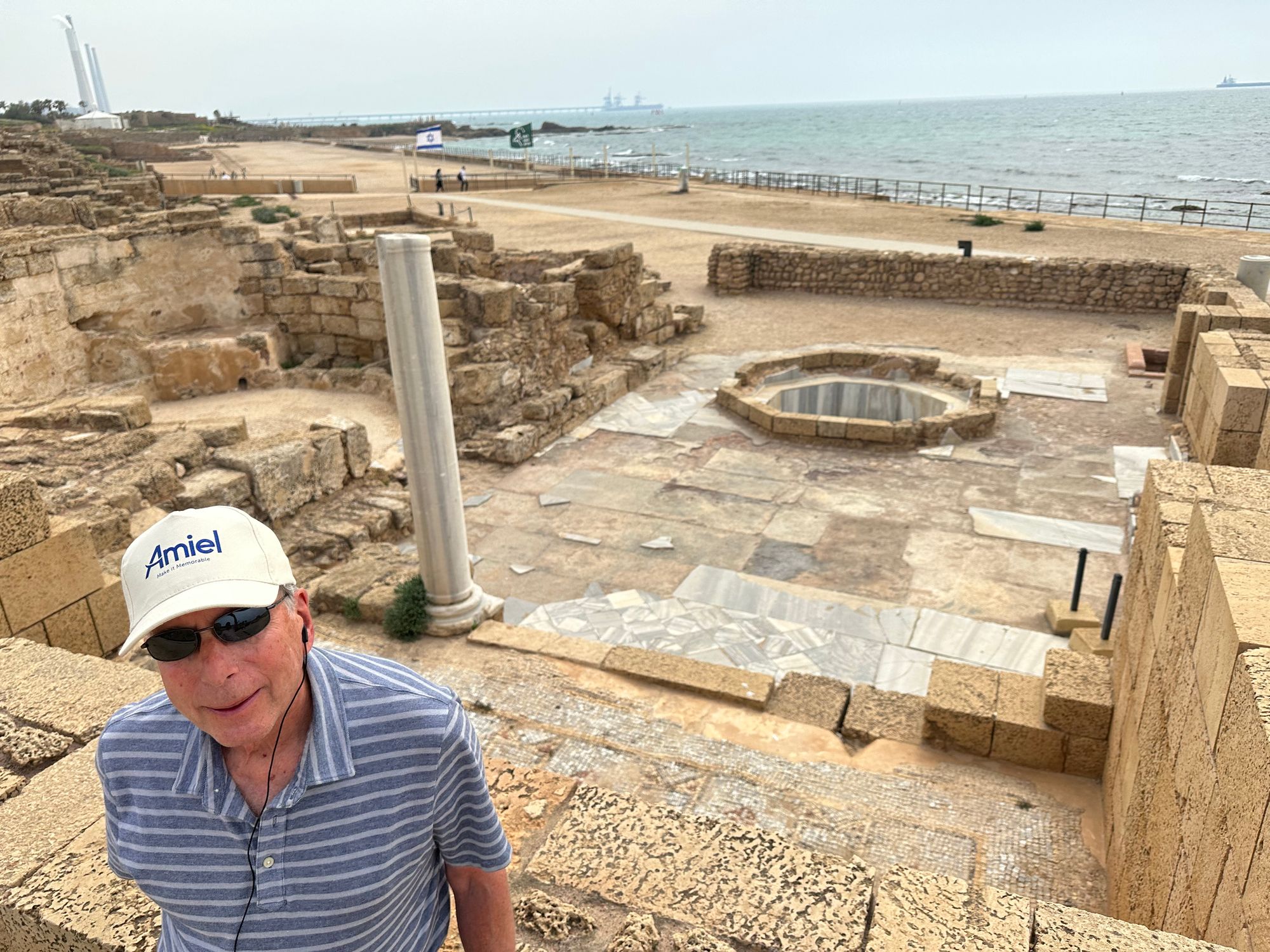
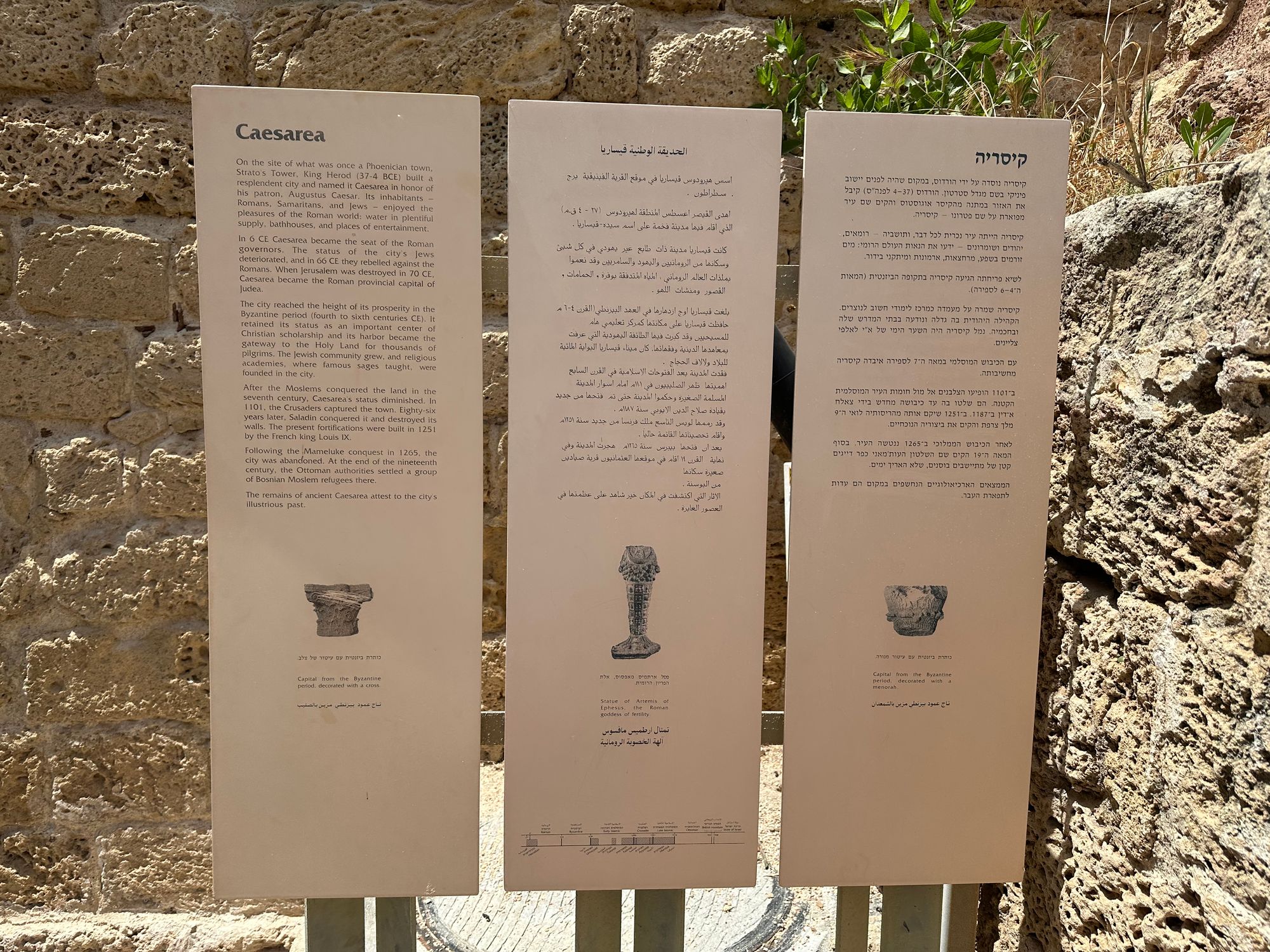
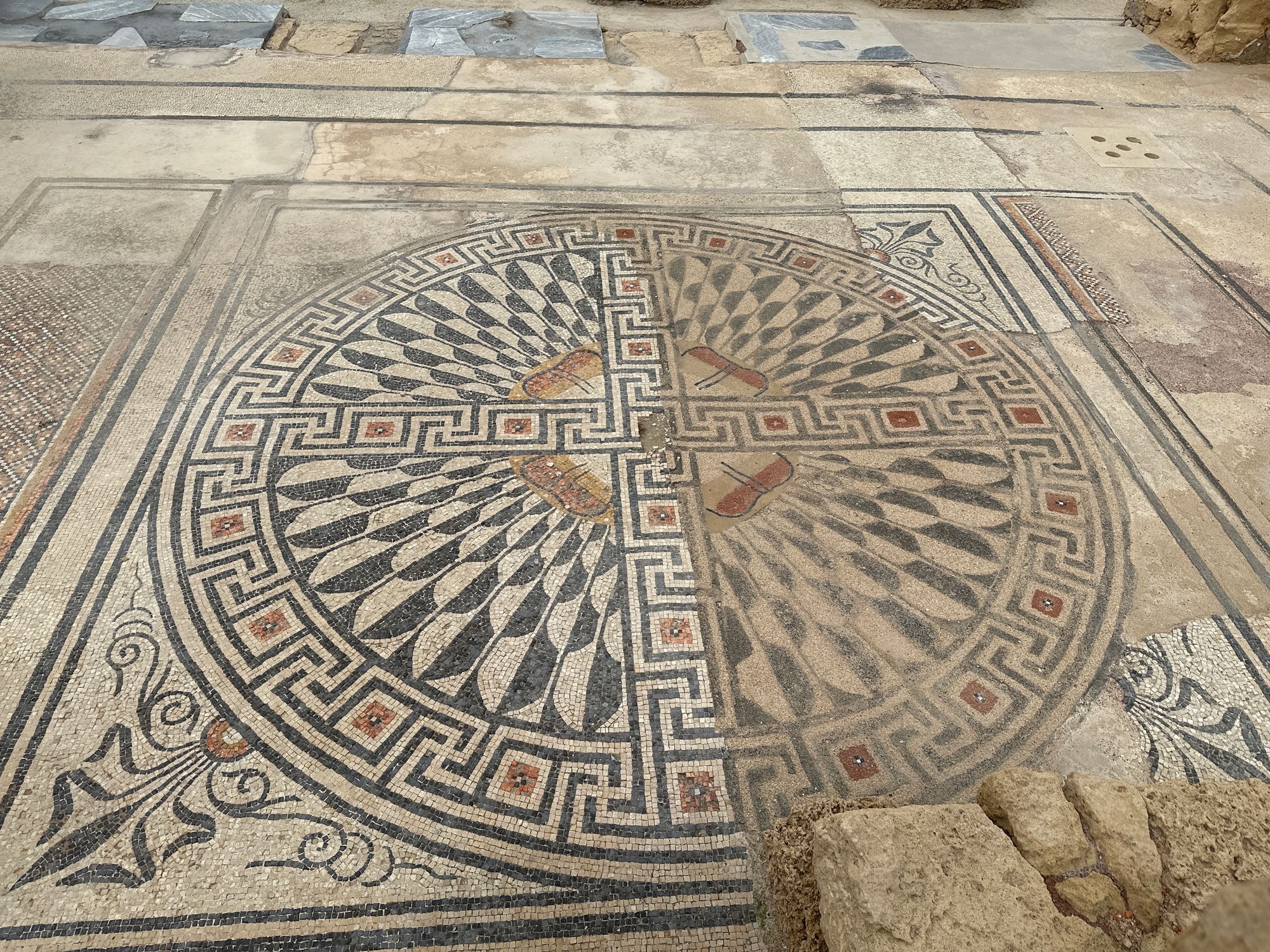
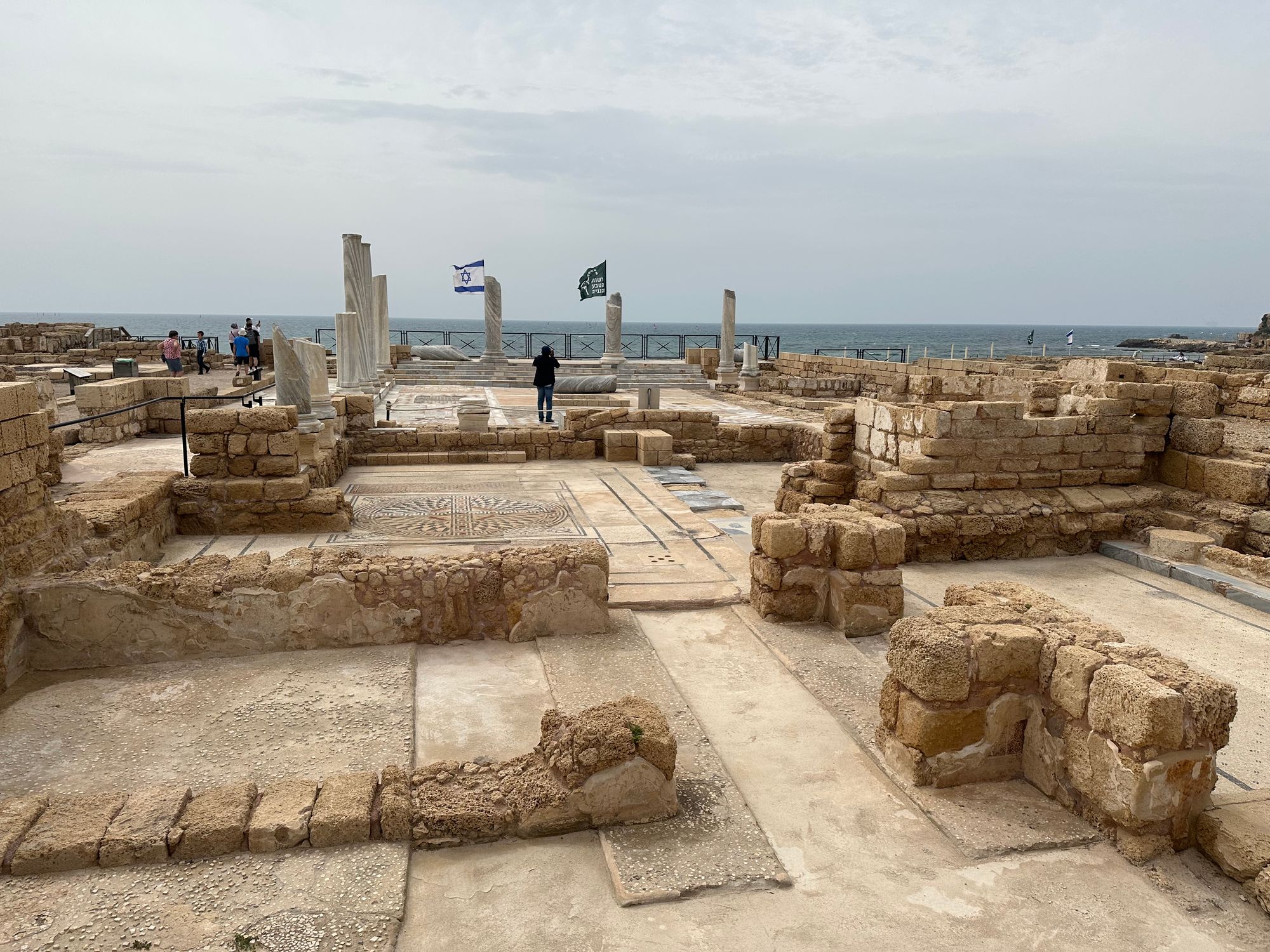
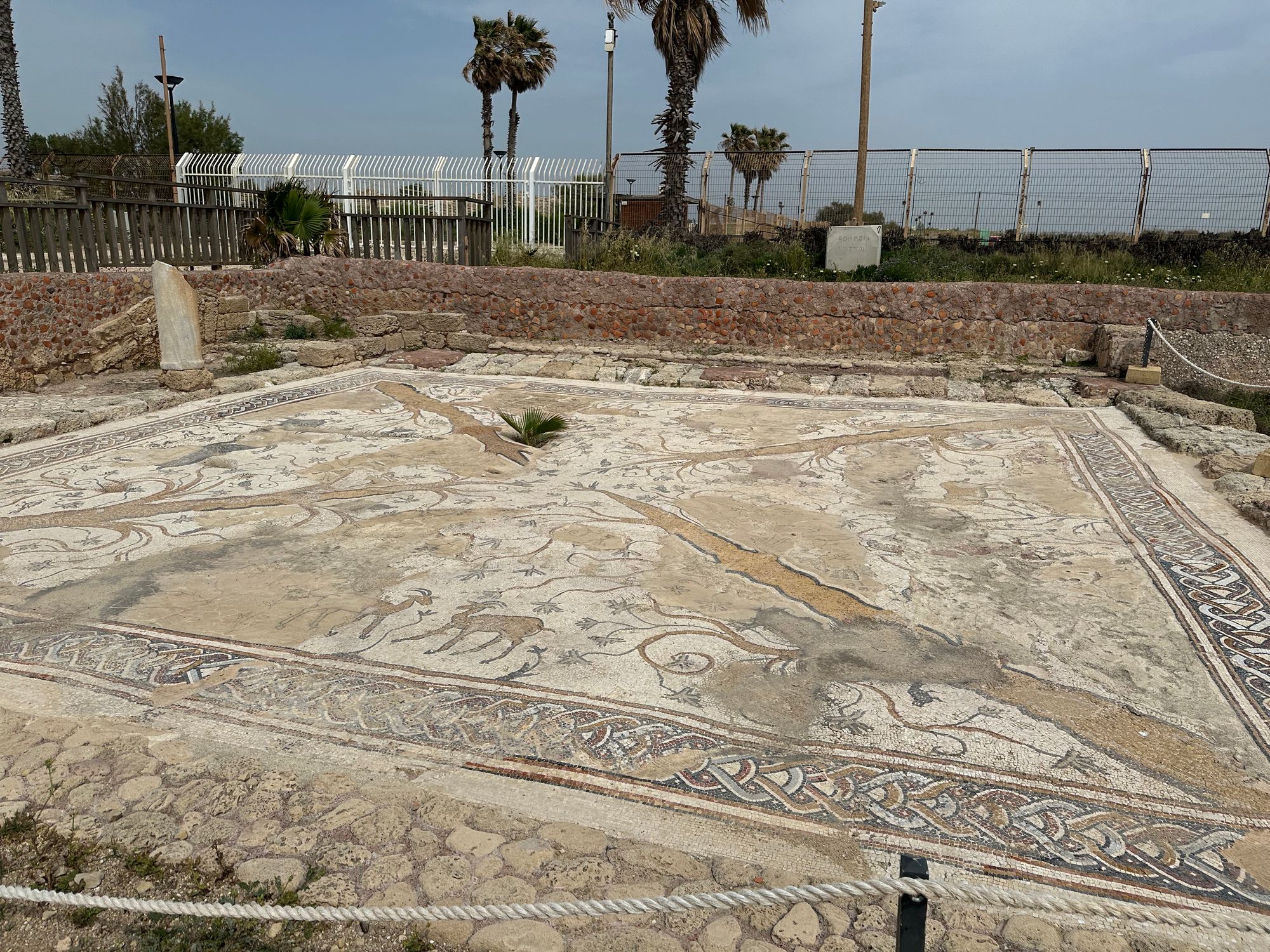
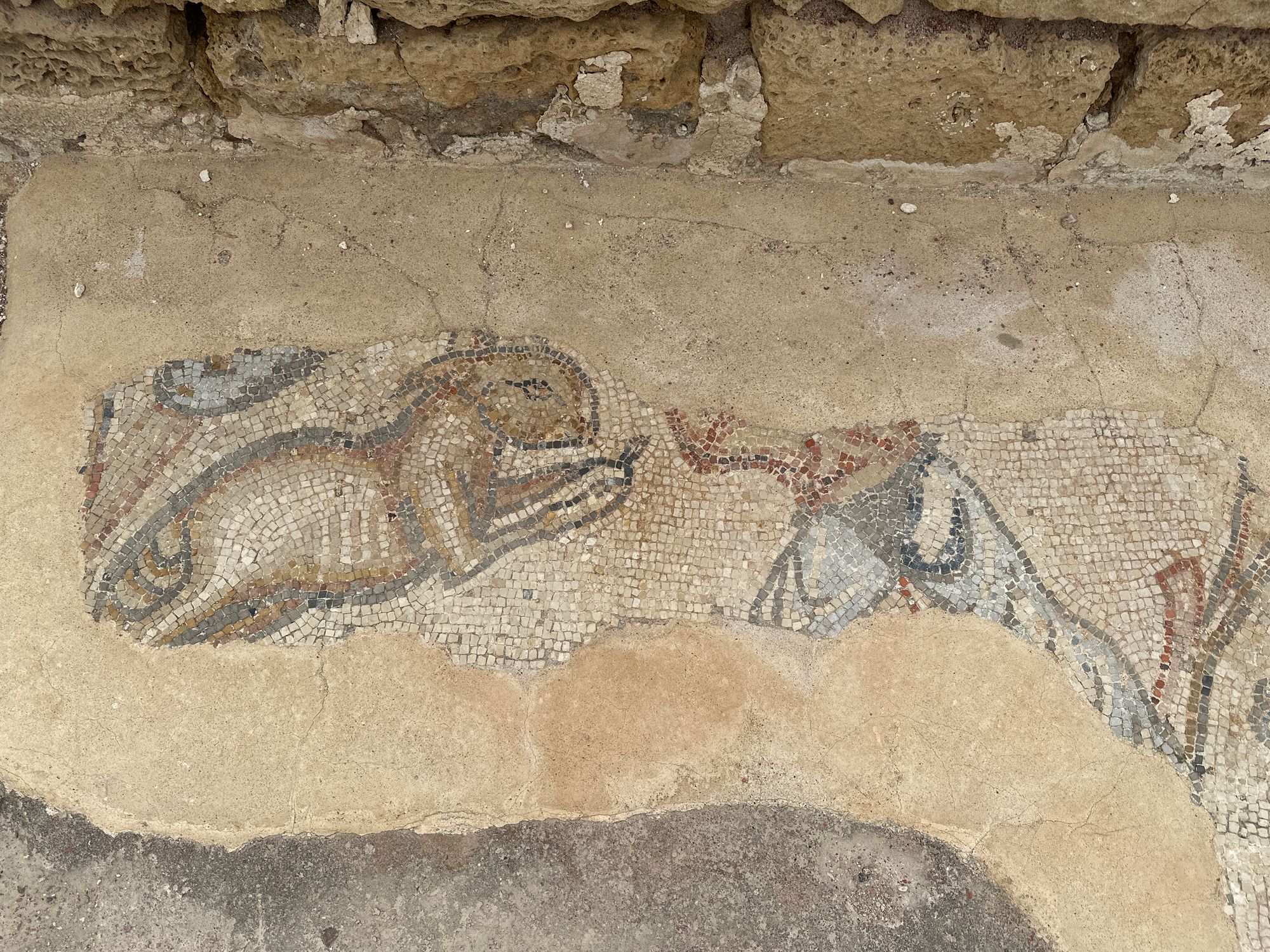
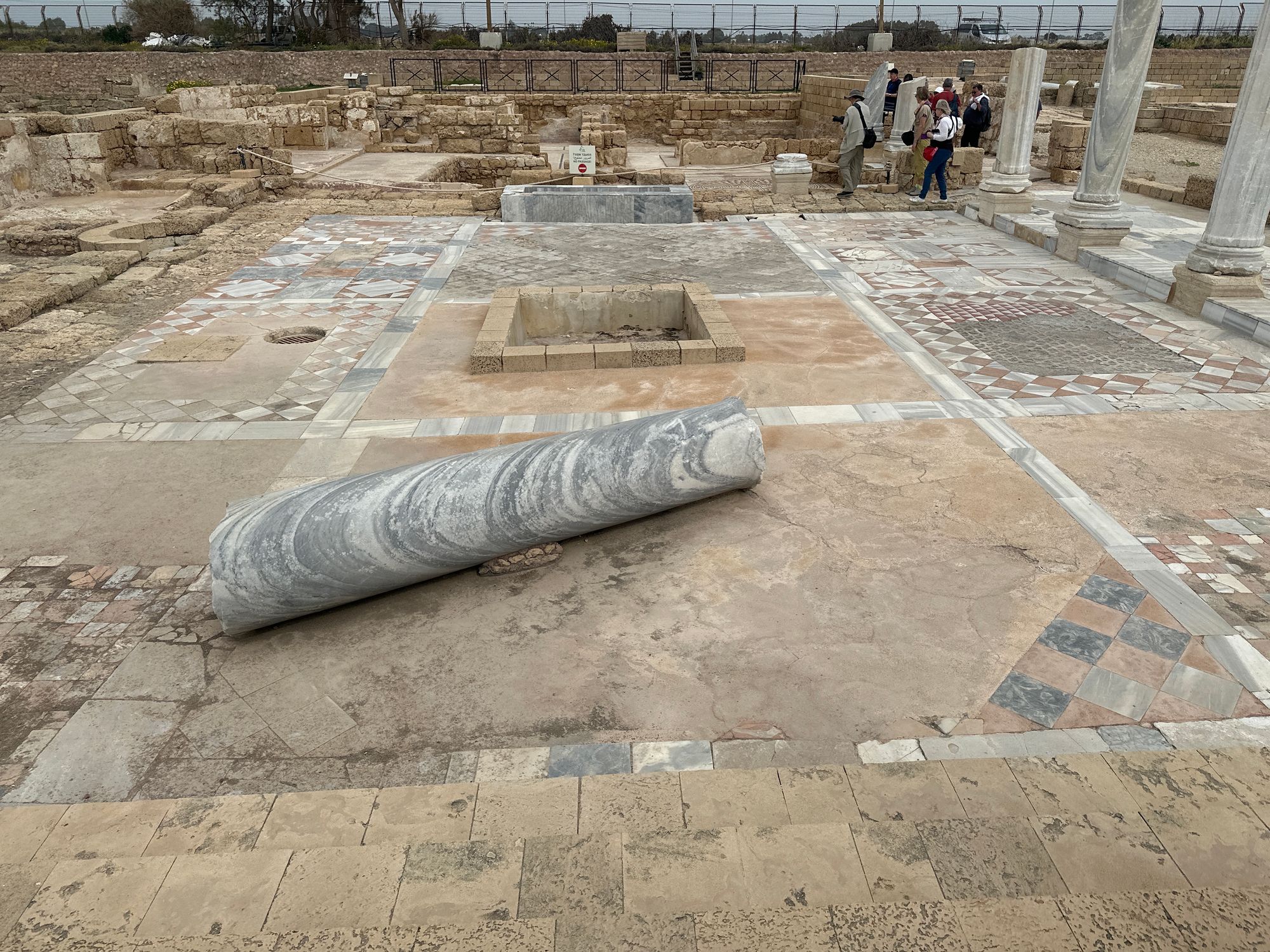
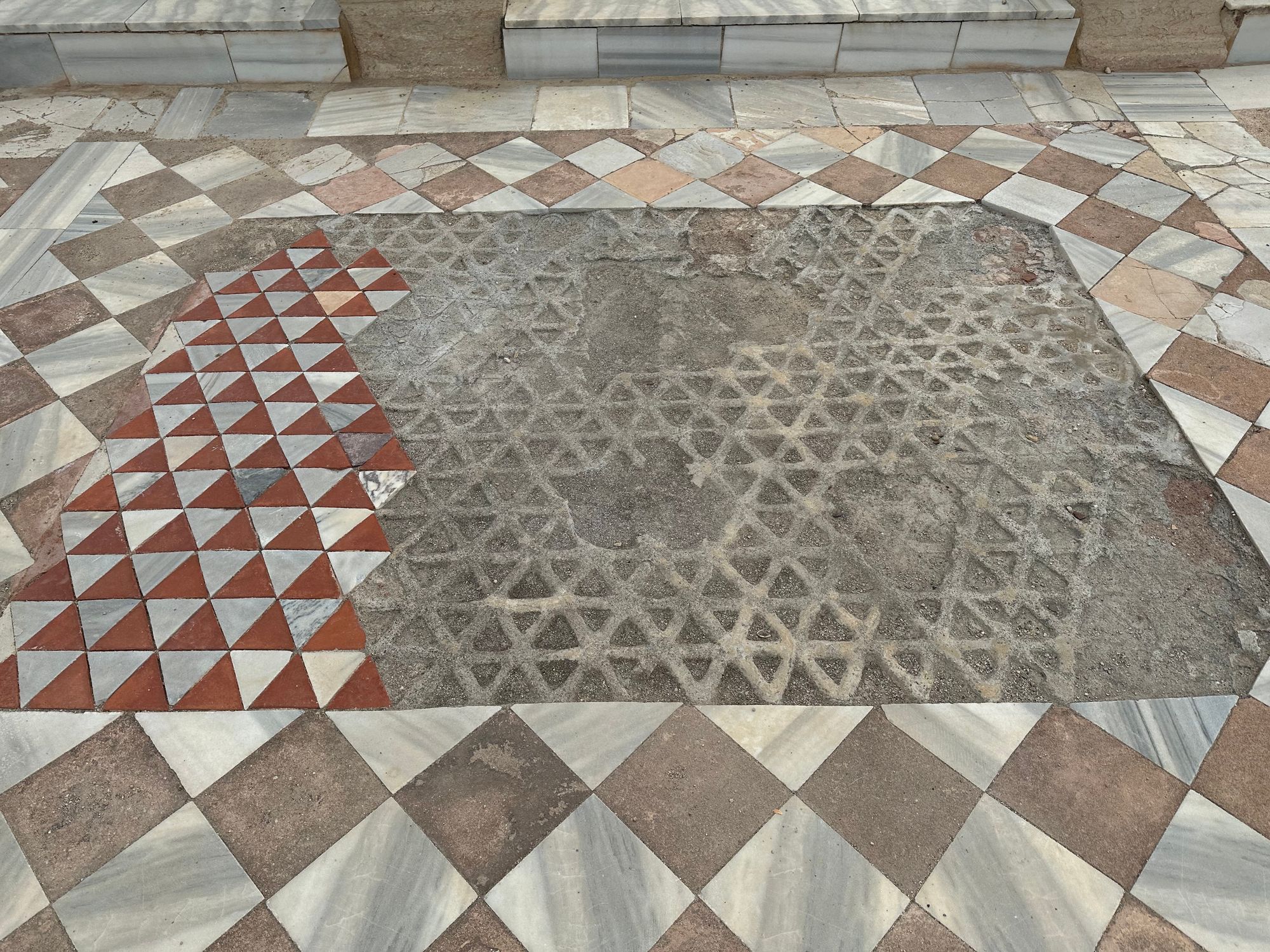
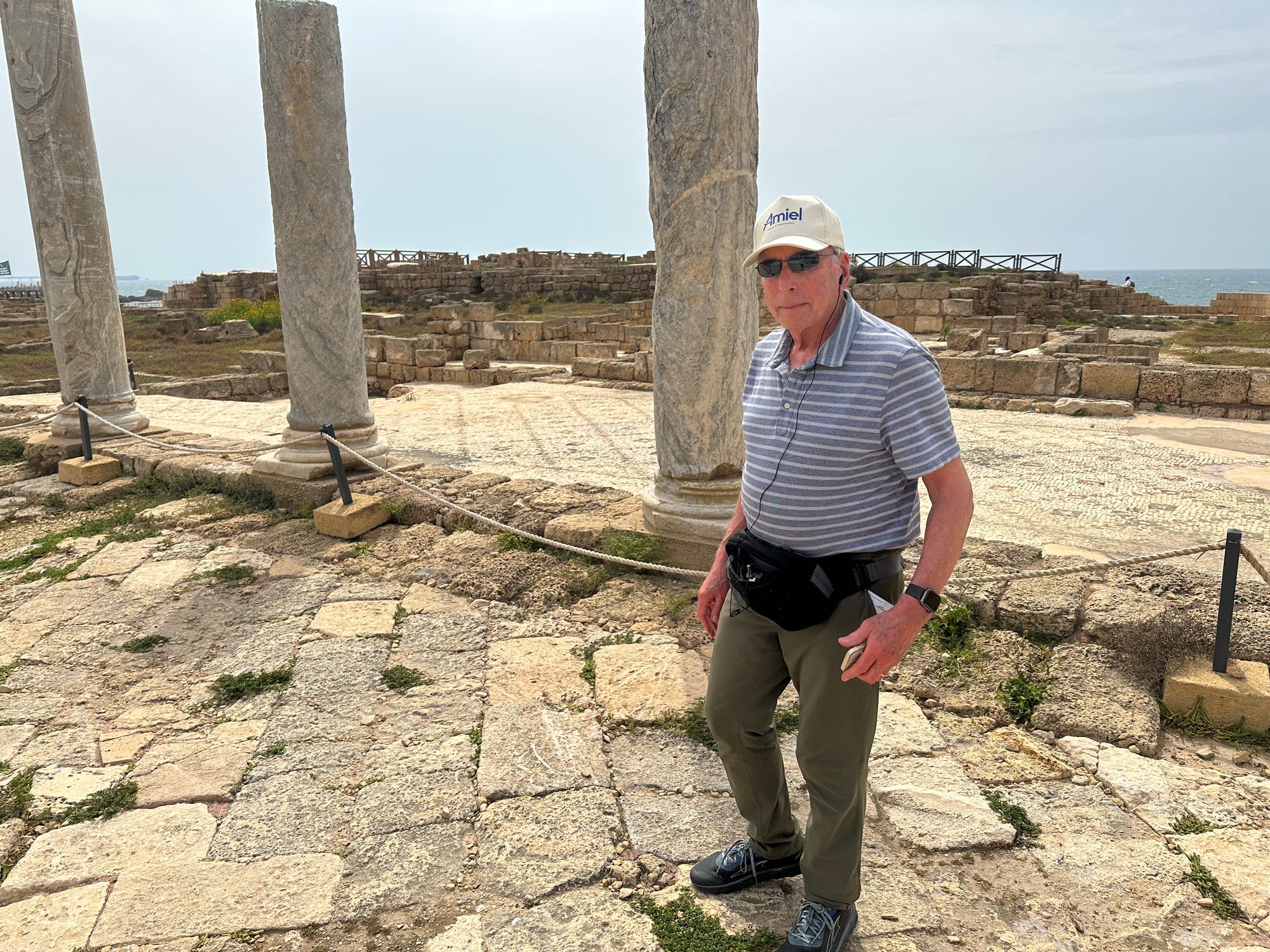
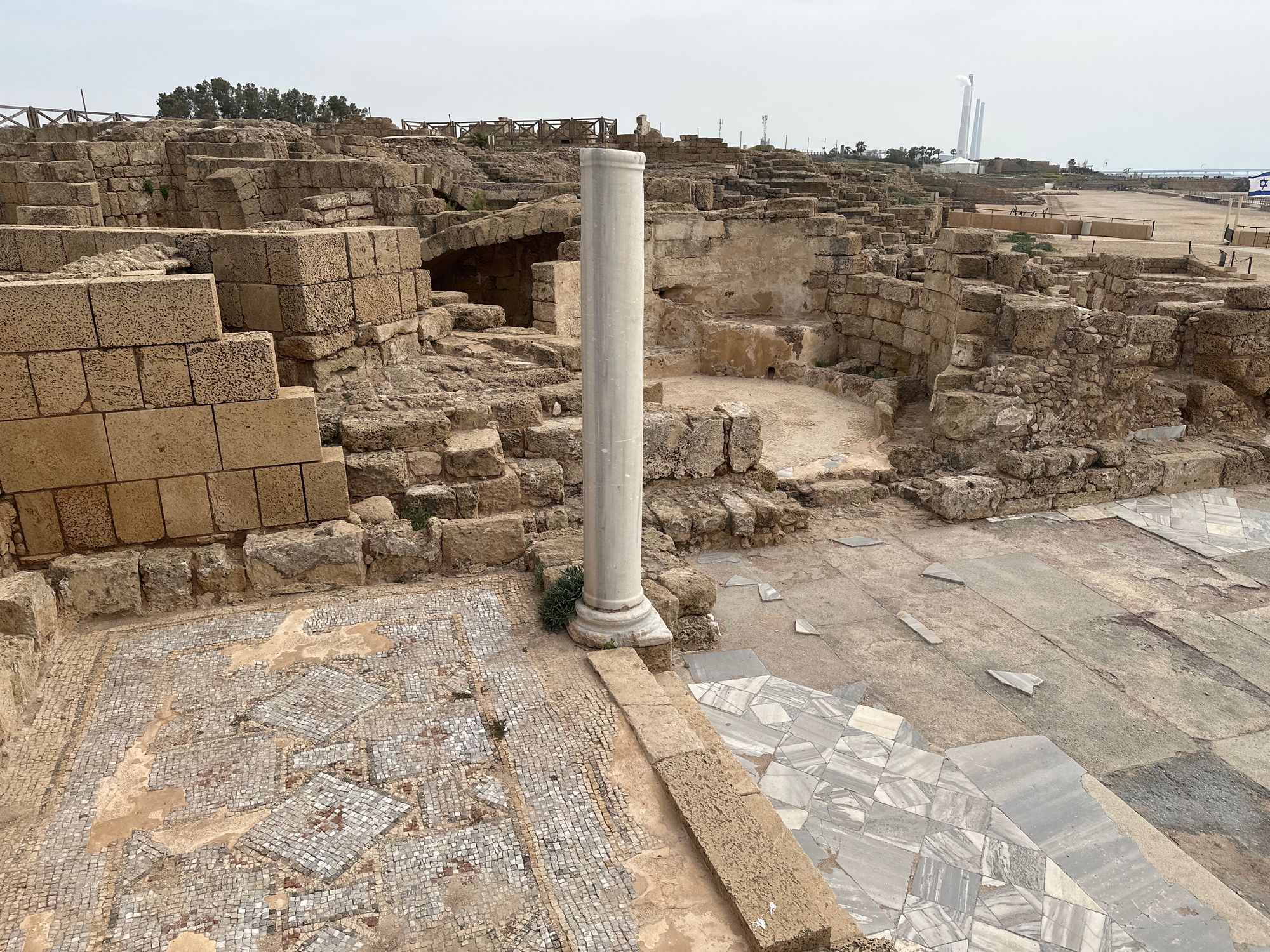
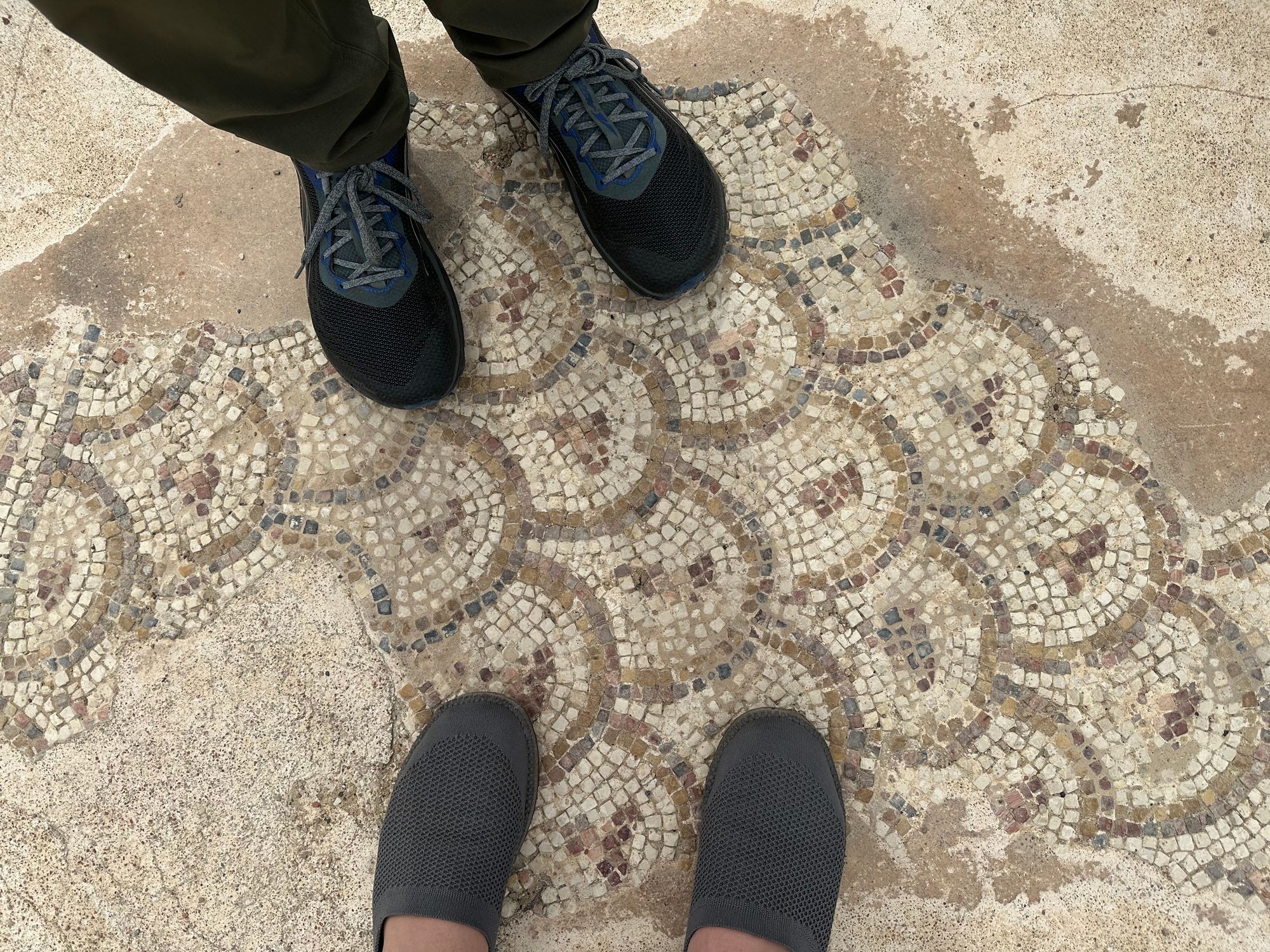
Lots of mosaics and columns
Ginny, are you reading? There's also a hippodrome...
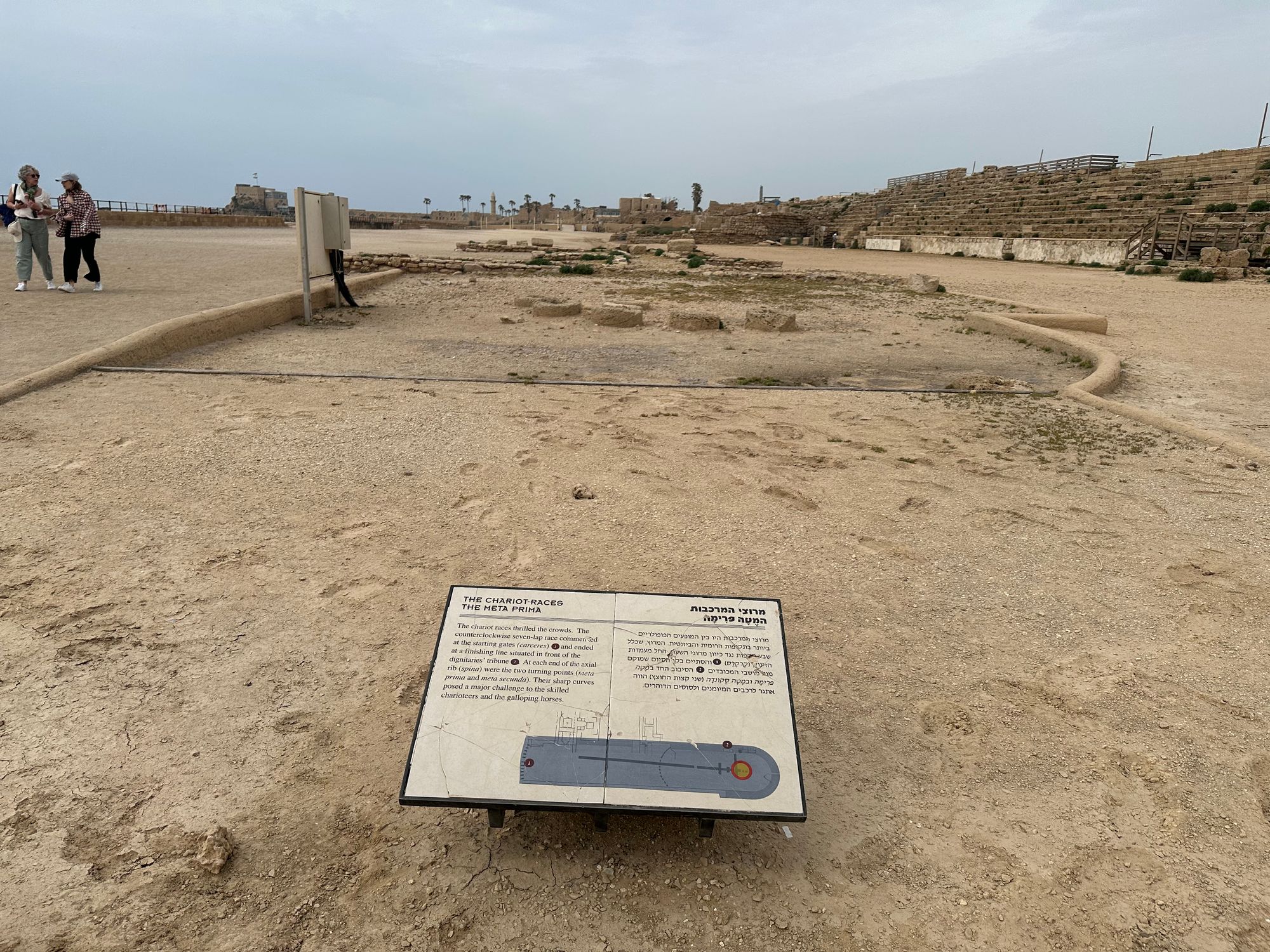
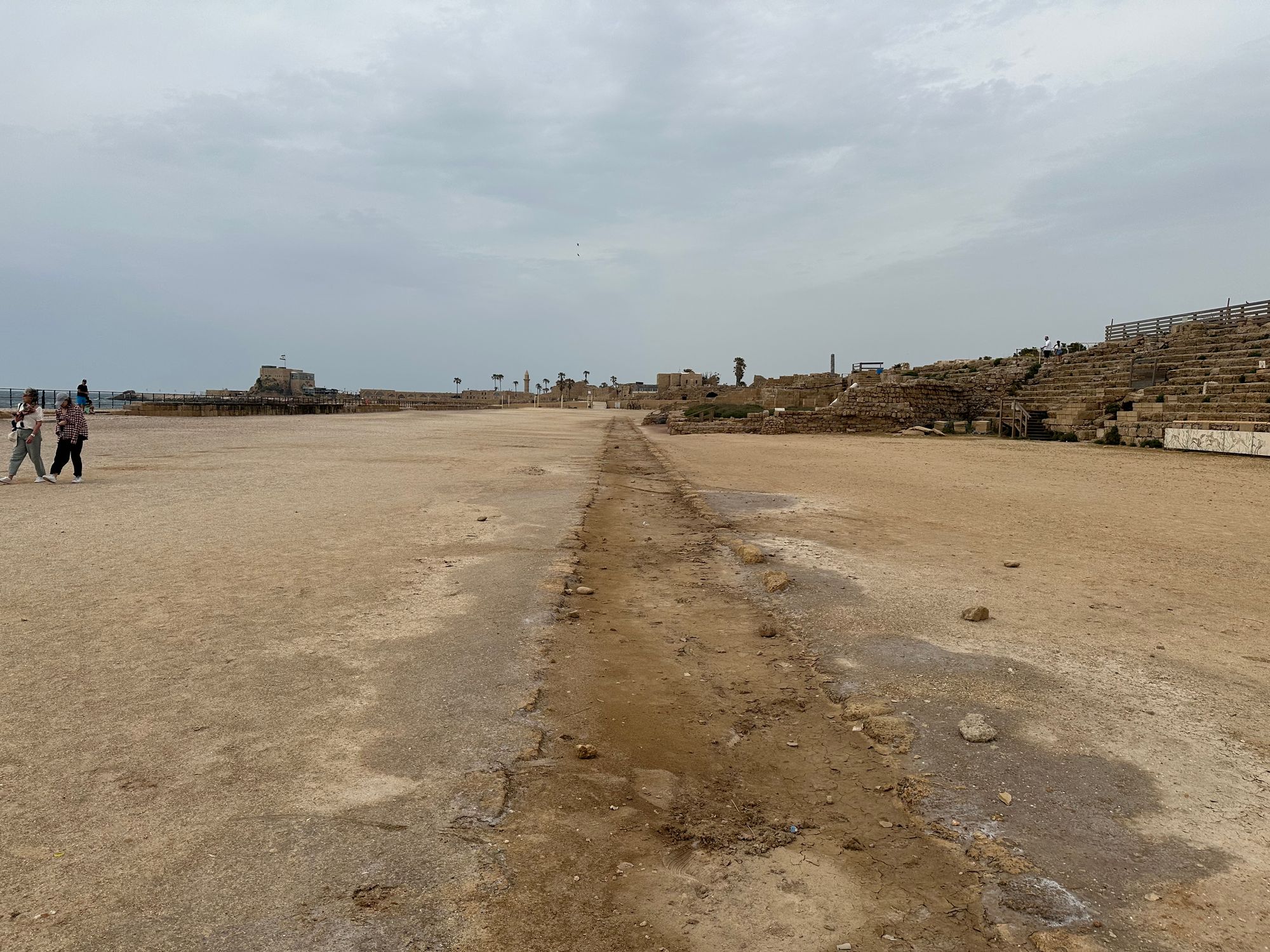
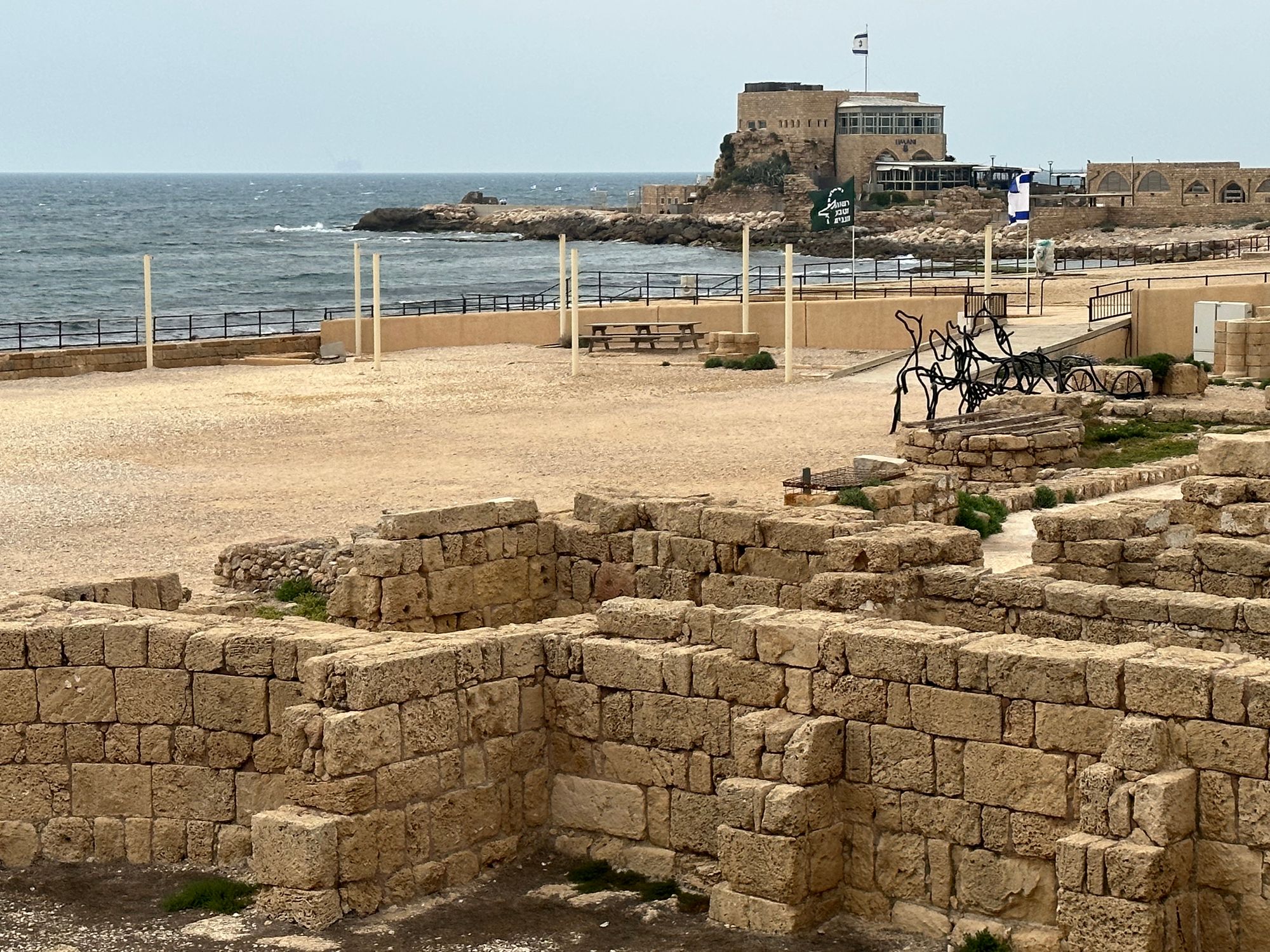
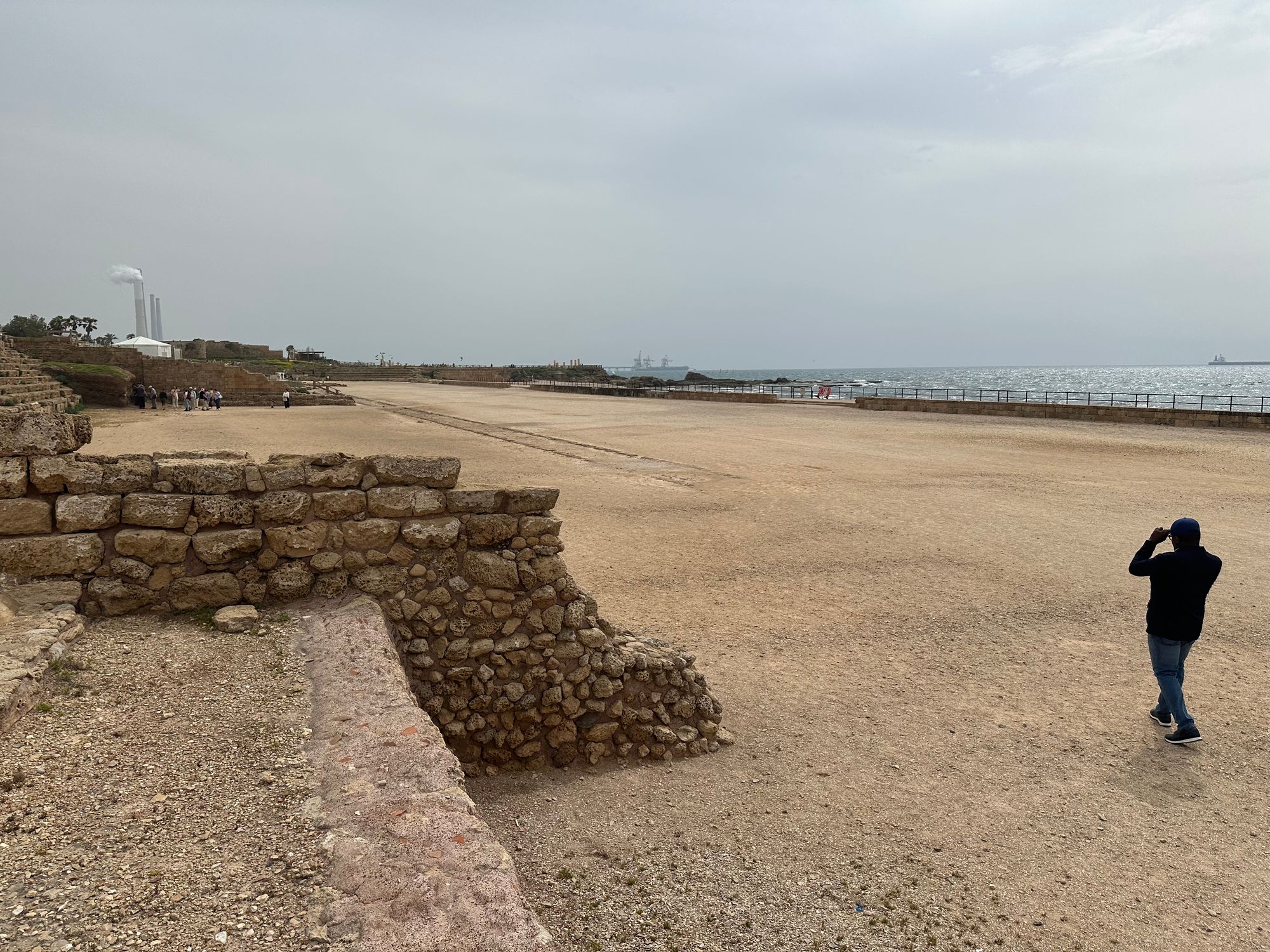
Not a bad view in the background for horse races
Of course, no Roman city would be complete without bathrooms that bring fresh water and wash away the sewage,
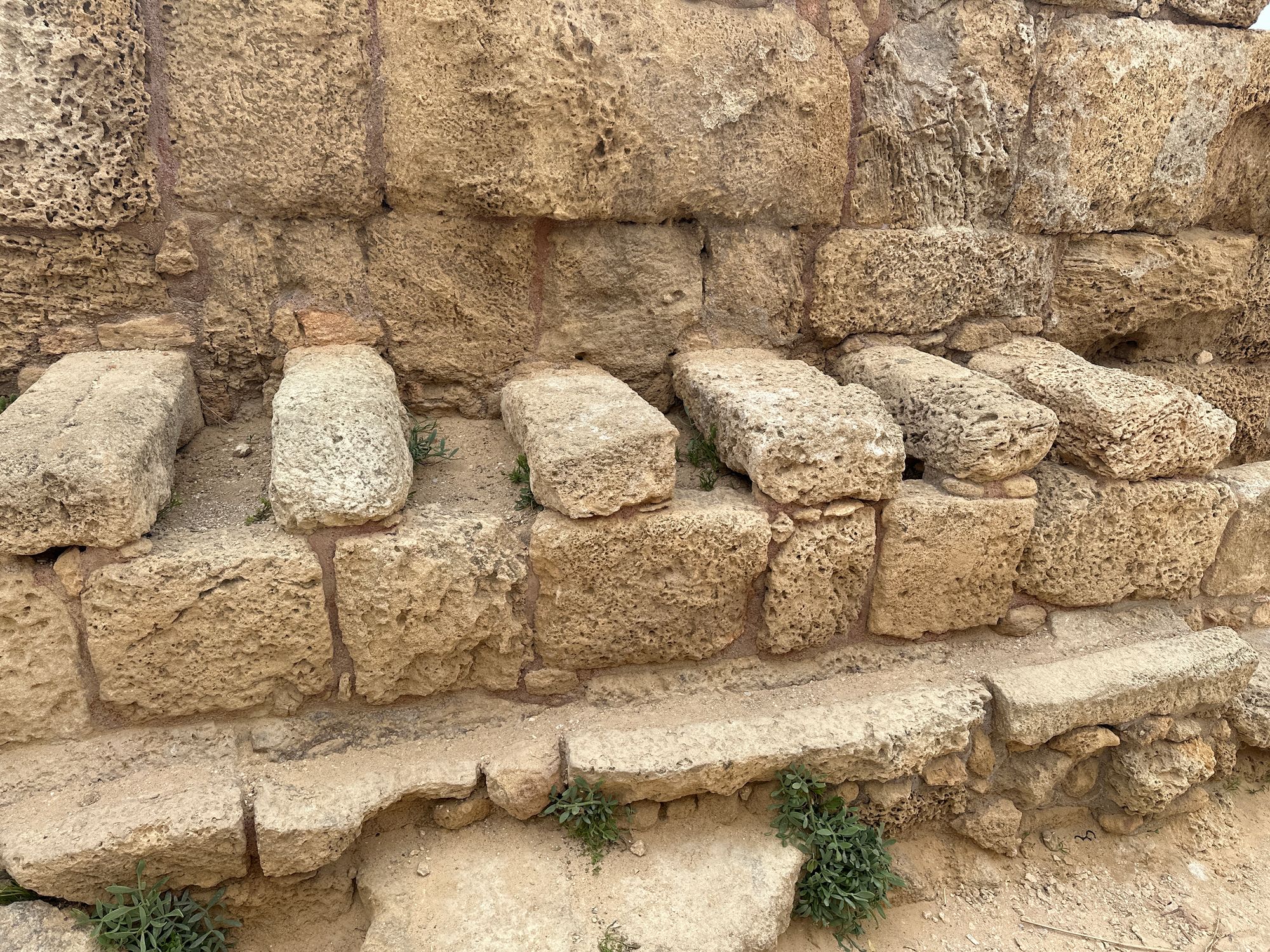
Here's a demo:
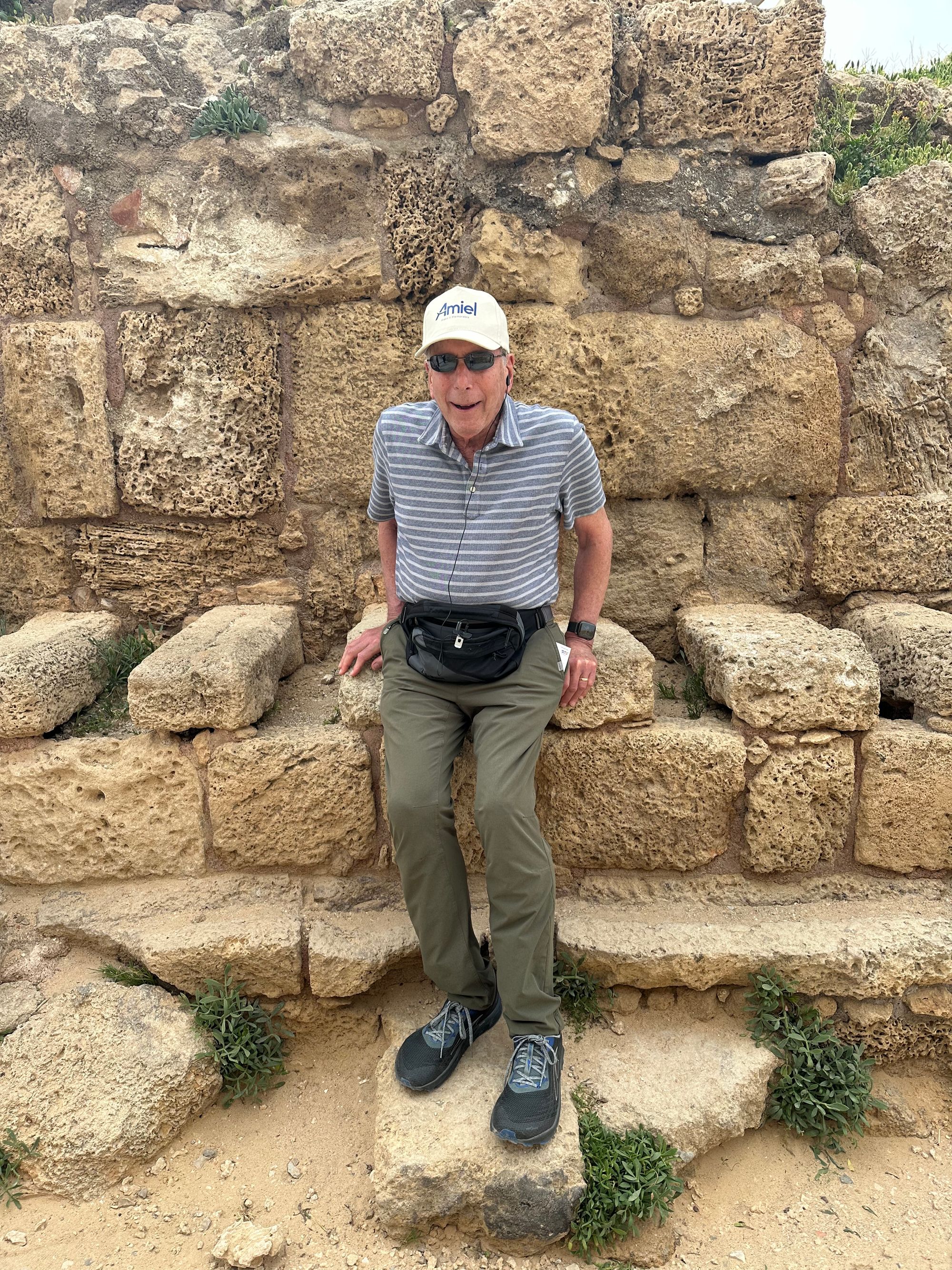
The city had three systems for water: 1. salt, 2. clean, and 3. sulfur/salt plus drainage. All brought in by aqueduct and managed by a system of canals and drains.
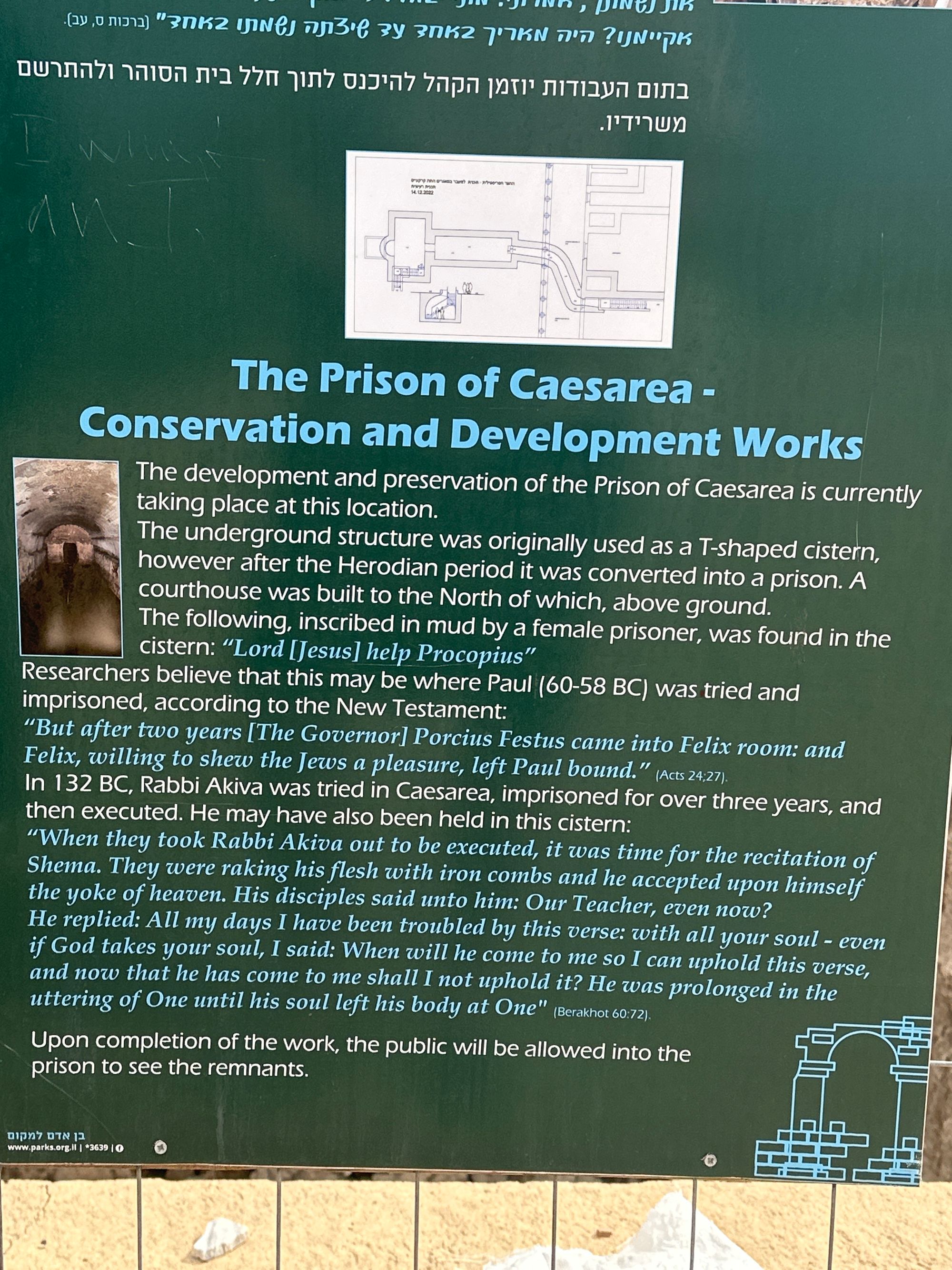
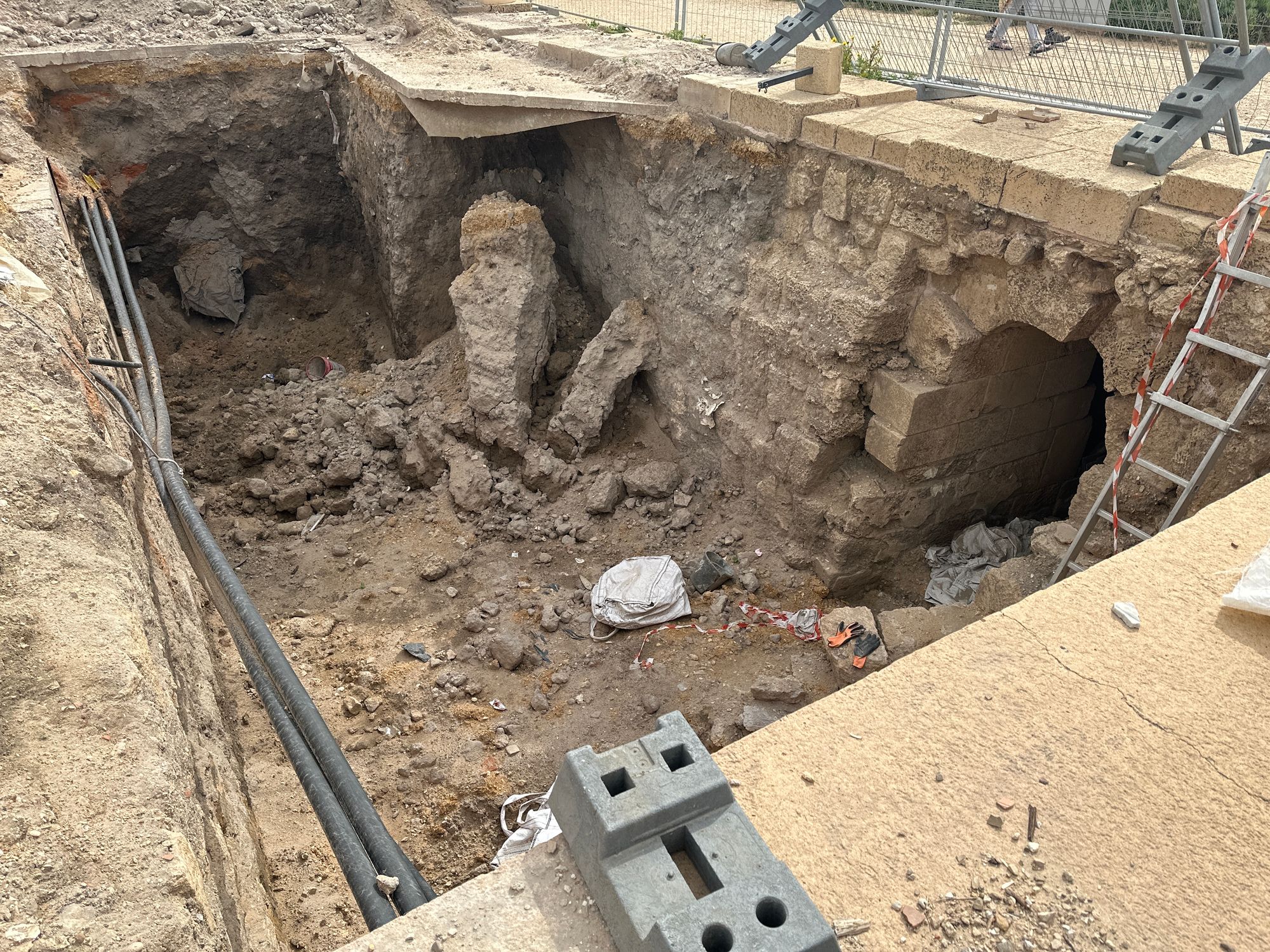
A lot of historical events happened in Caesarea. During the walk, we see an active excavation of the prison. This is also where Saint Peter (who was Shimon Bar Yonah) baptized the roman legionnaire Cornelius. Cornelius was a centurion who is considered by some Christians to be the first Gentile to convert to the faith, and who helped spread Christianity throughout the world.
(Saint Peter / Shimon Bar Yonah is also the one who essentially got rid of the idea of "Kosher" in Christian religion: “Do not call anything impure that God has made clean.”
The vision of Peter, Acts 10, 15)
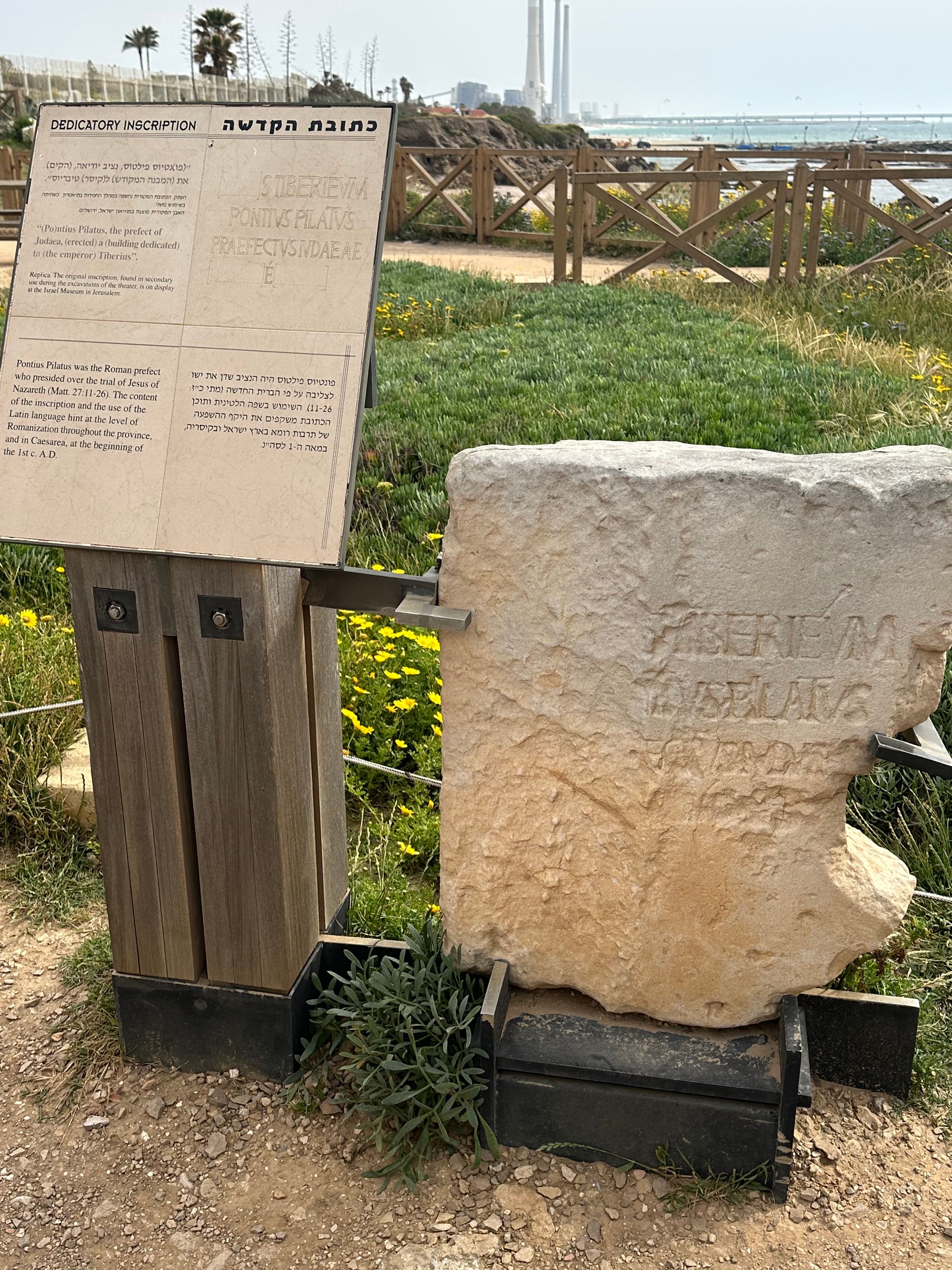
We also see a stone that was recovered at the site naming the realm as one of Pontius Pilate's. We're told that this was one of the first historical mentions of the name ever discovered.
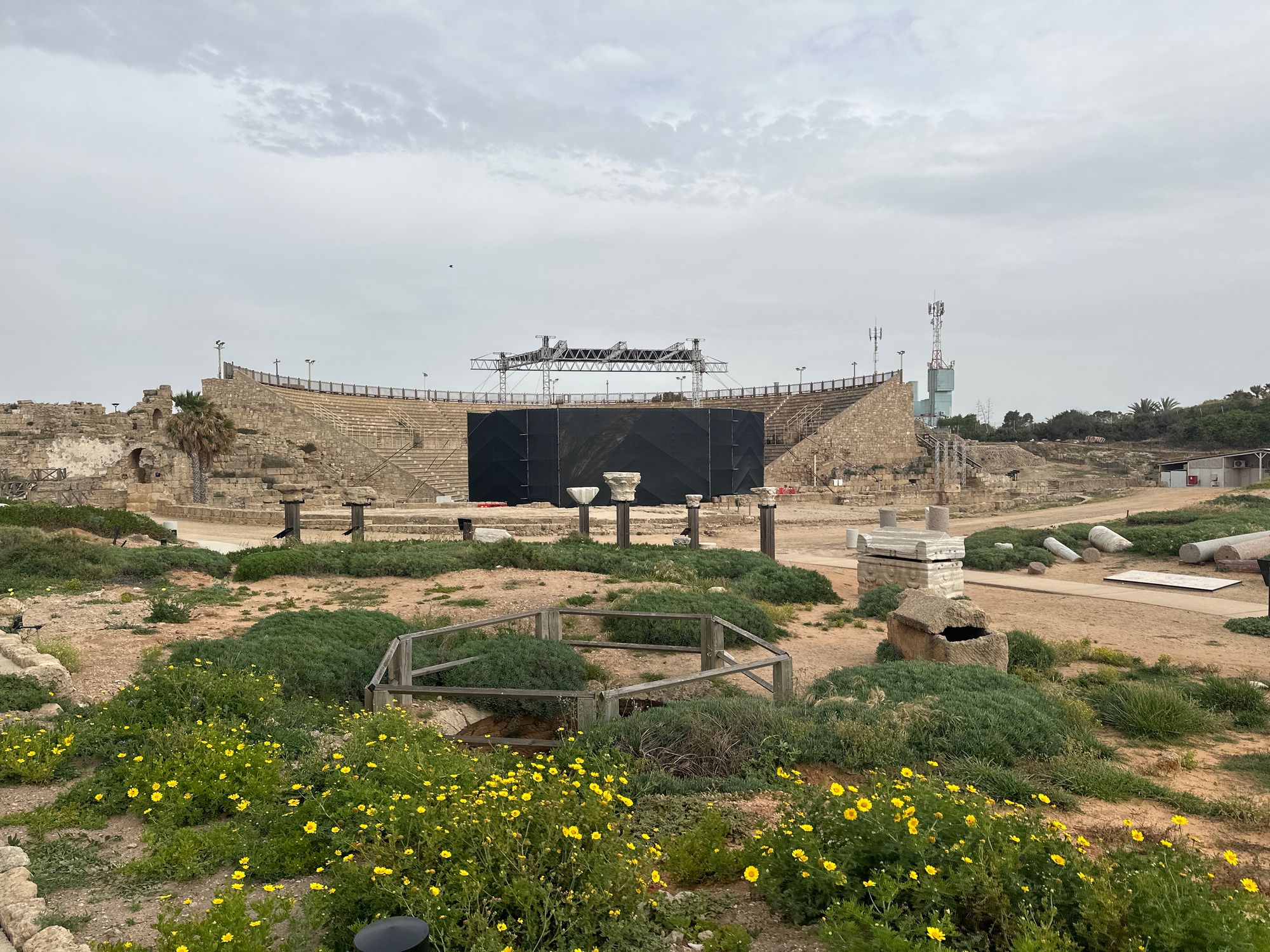
Of course, like any roman city there was also a massive theater.
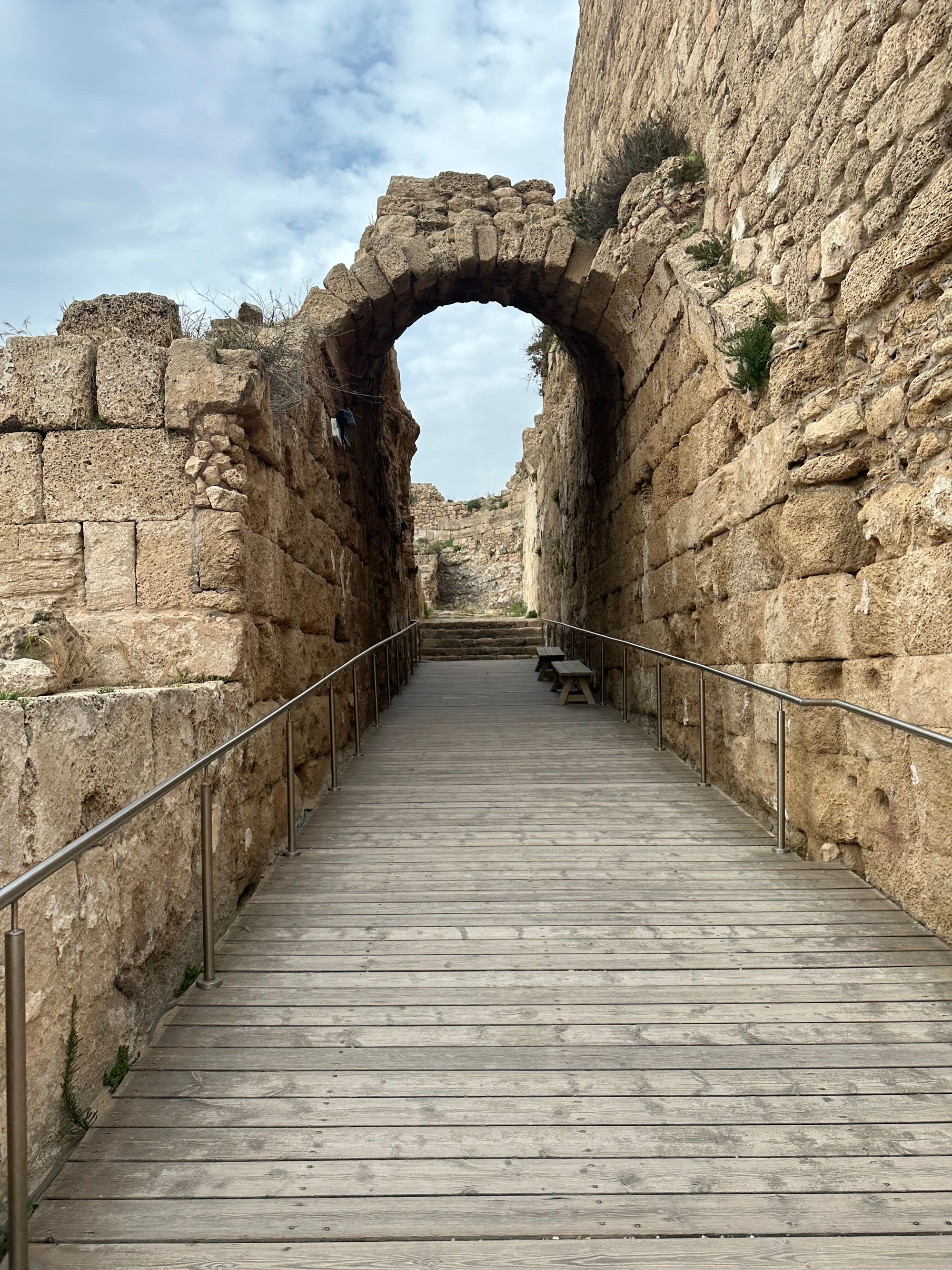
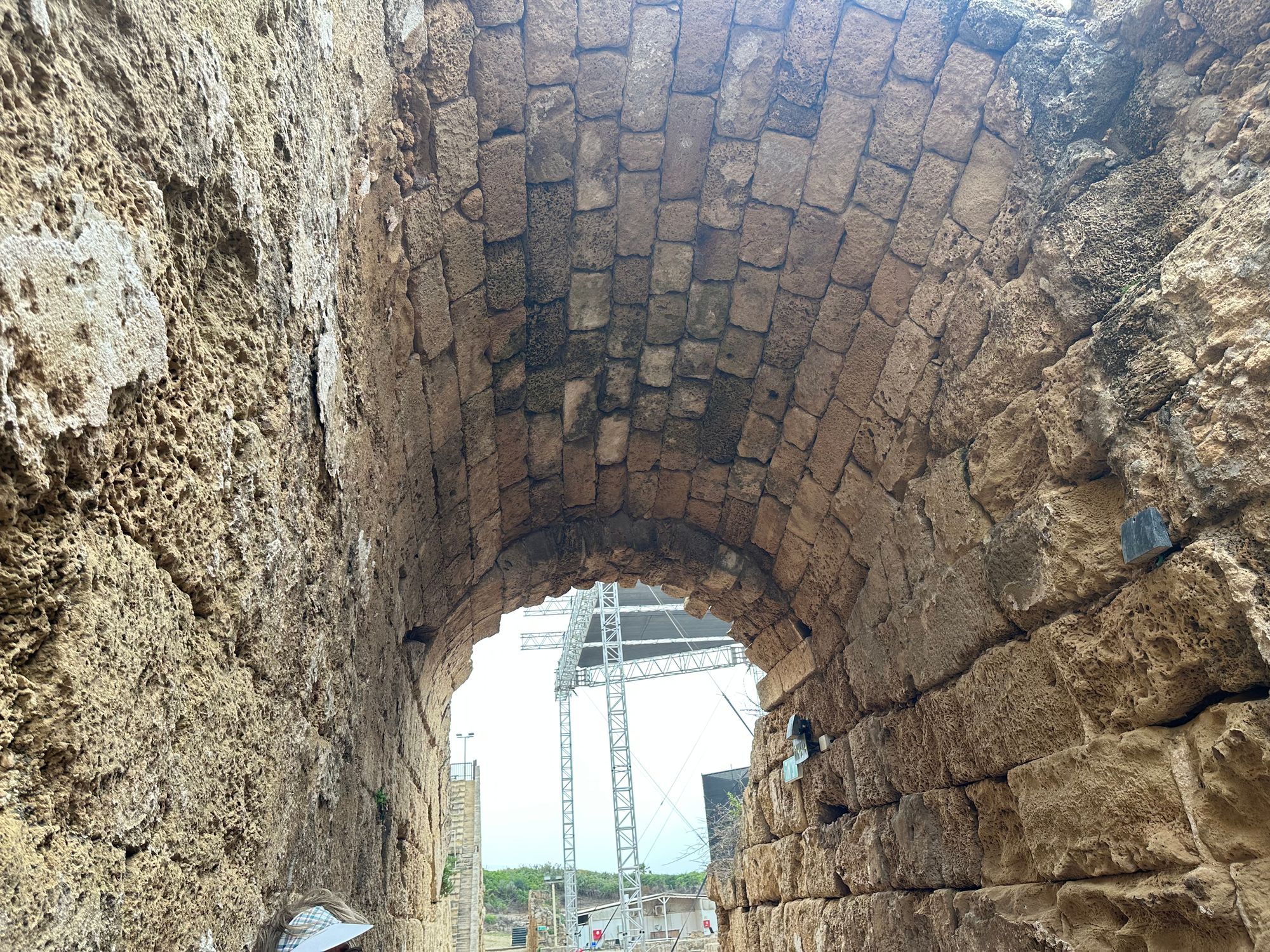
The stone arches show incredibly difficult engineering for the time - not only are they vaulted, but they are set at an angle for a dramatic effect
Shimon baryona (Saint Peter)
King Herod's Palace at Caesarea
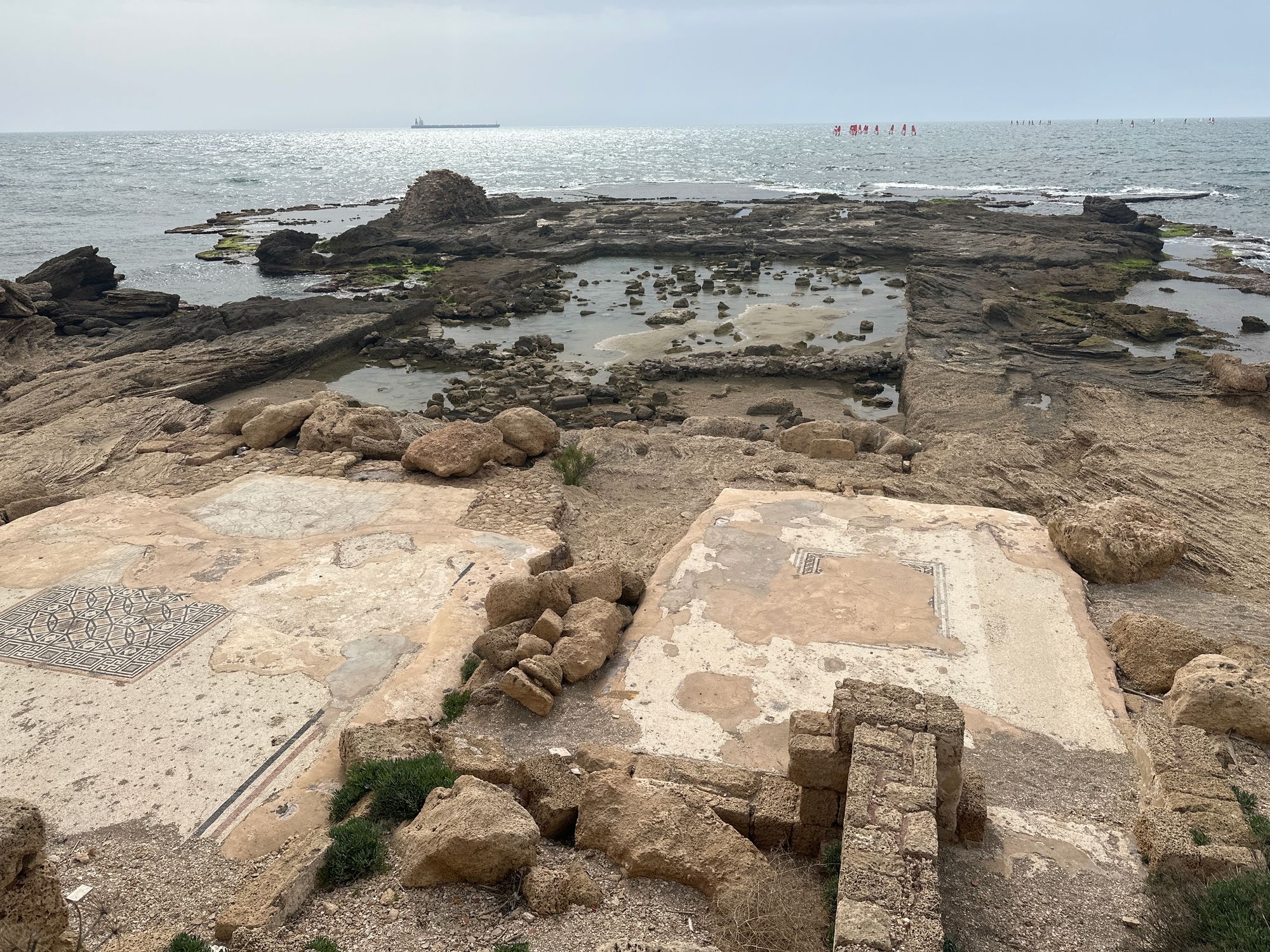
A lot of the funding for Caesarea came from incense. Specifically, it was a thoroughfare for a specific type of incense and perfume made from a plant called balsamine. The plant only grows near the dead sea, and it was very saught-after at the time. Queen Cleopatra loved it and used it as much as possible. The Jews were the only ones familiar with making this specific type of incense/perfum.
Incense was also very important in general. It was used as a way to "elevate words" toward the Devine and used in all of the temples.
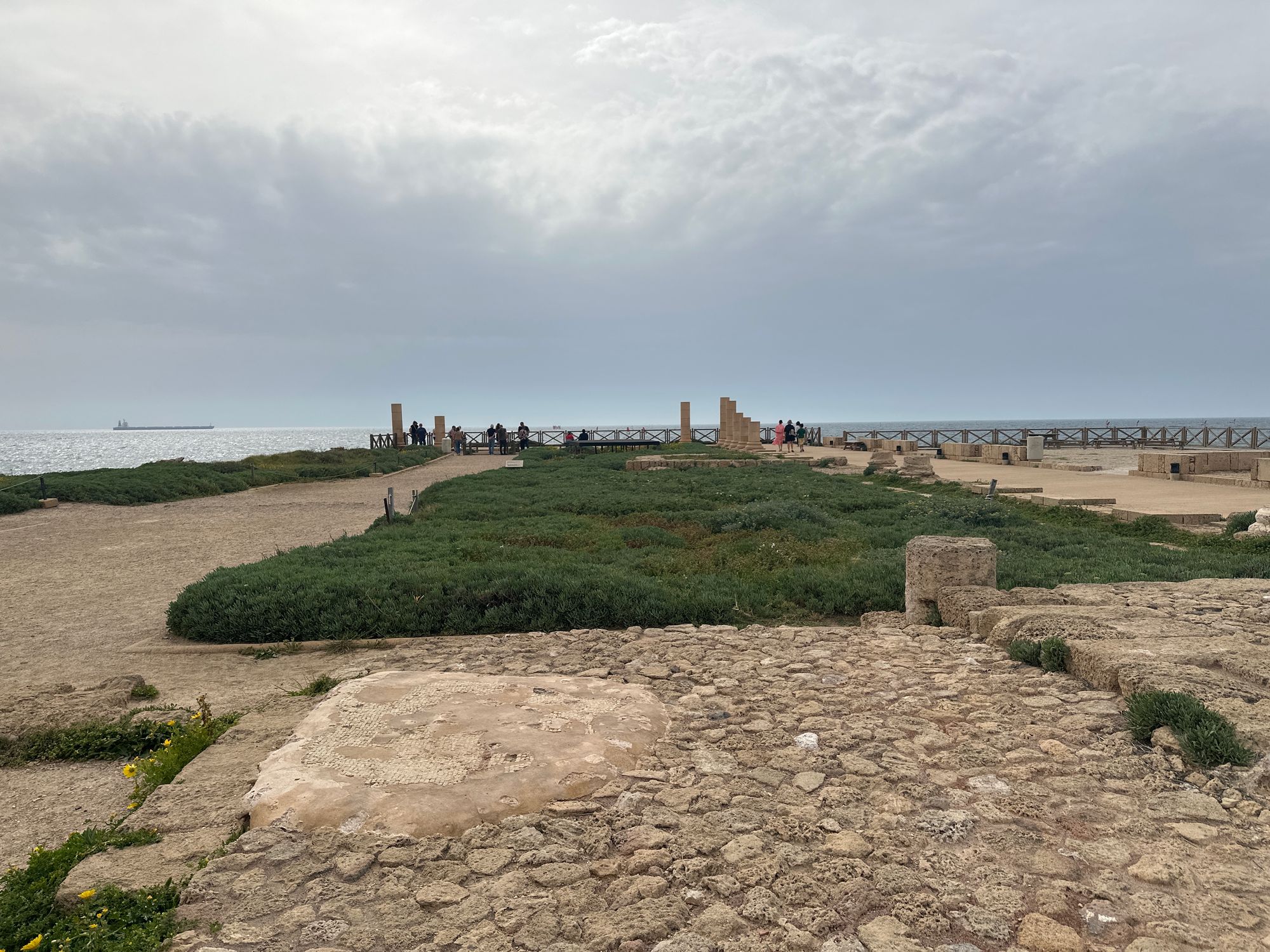
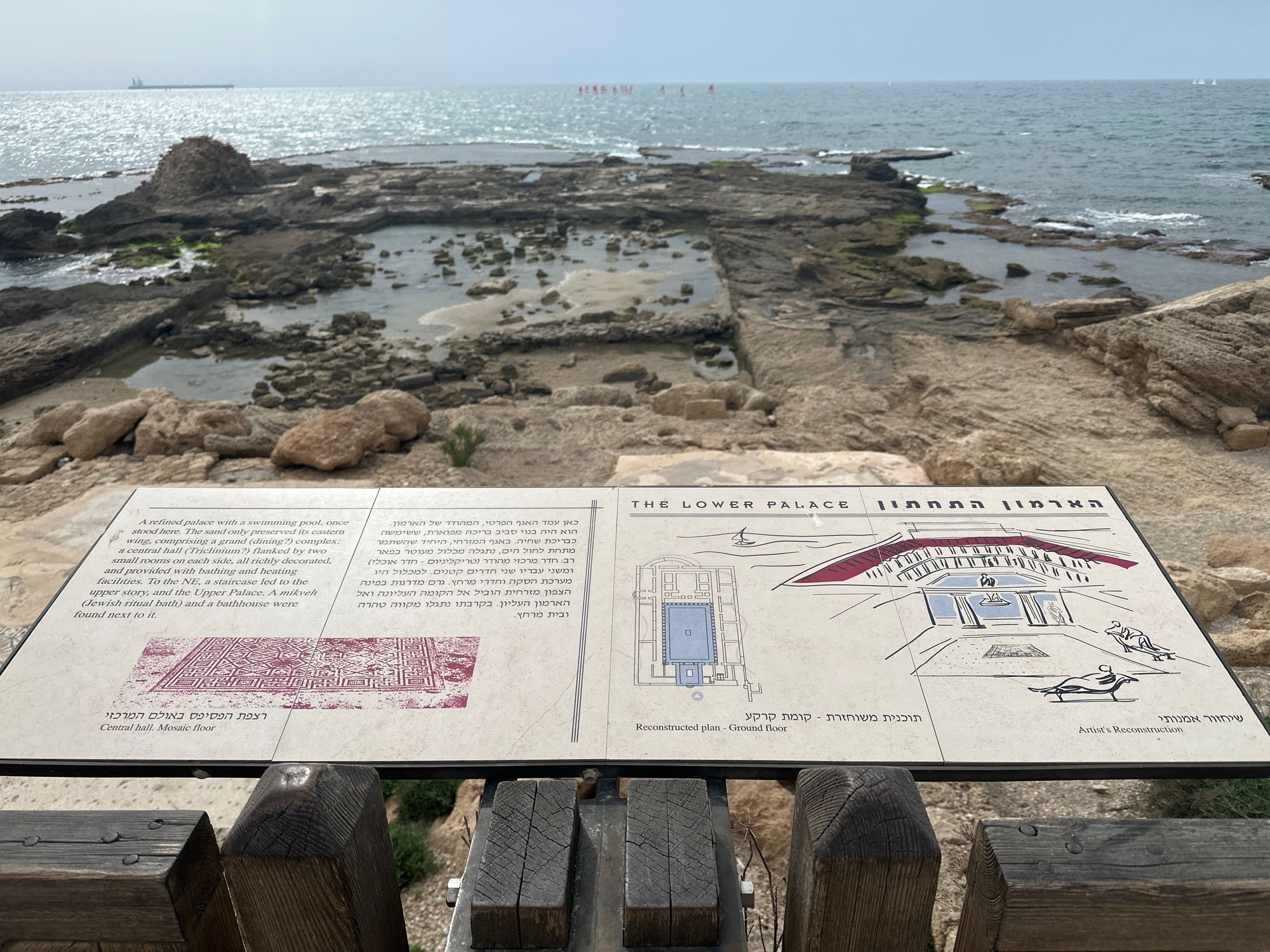
King herod built himself a massive palace on the ocean
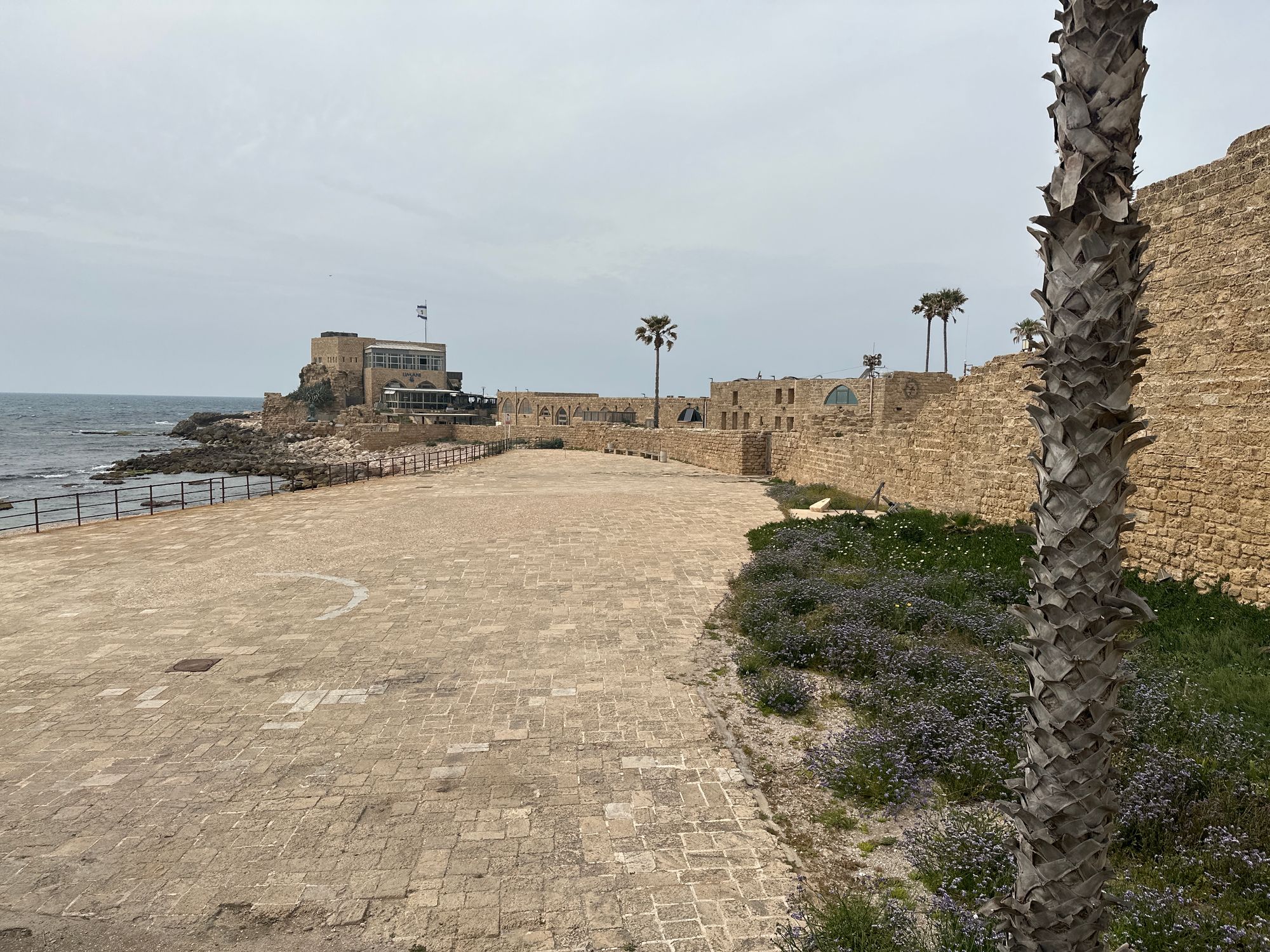
Ottoman and Byzantine ruins
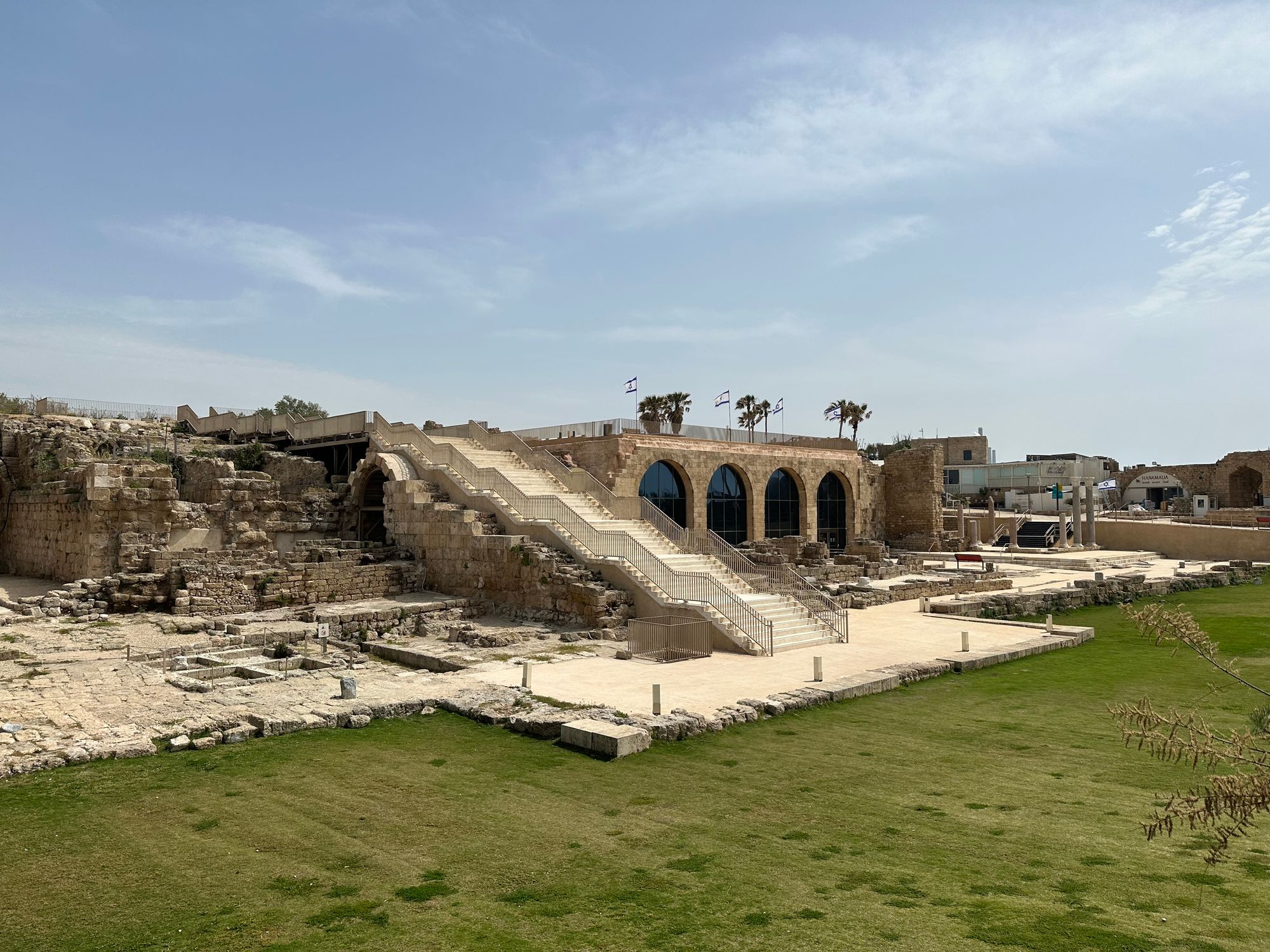
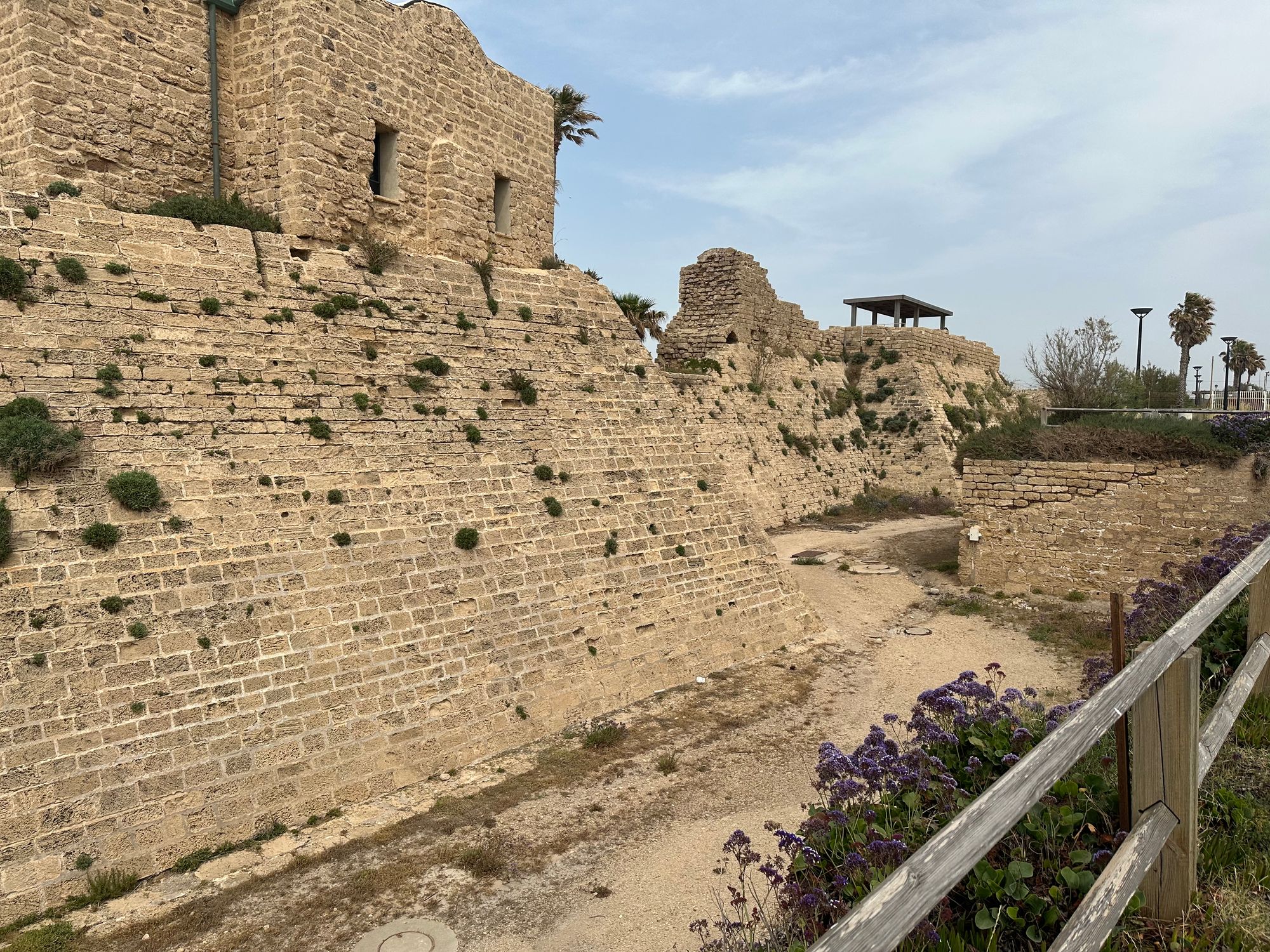
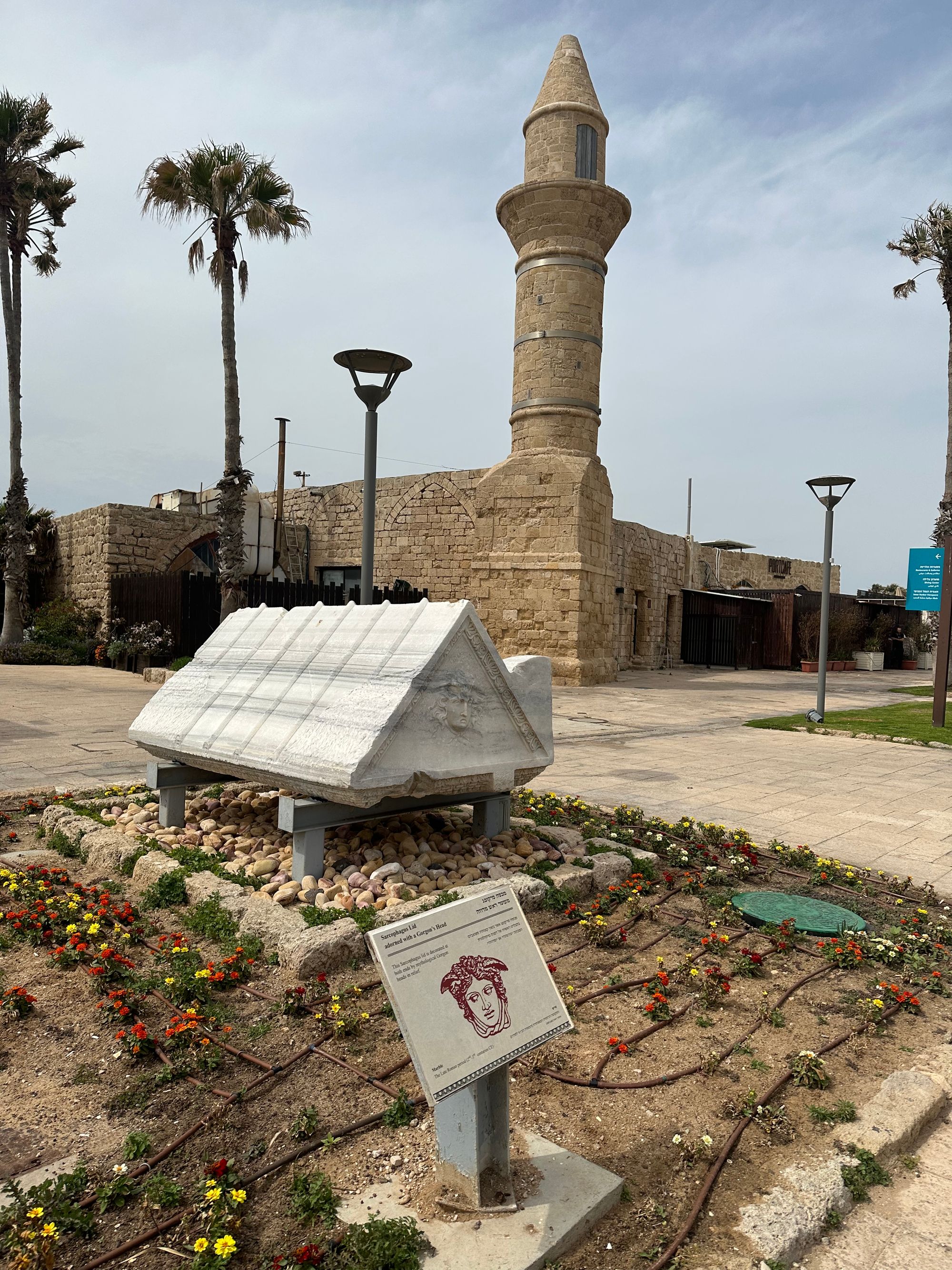
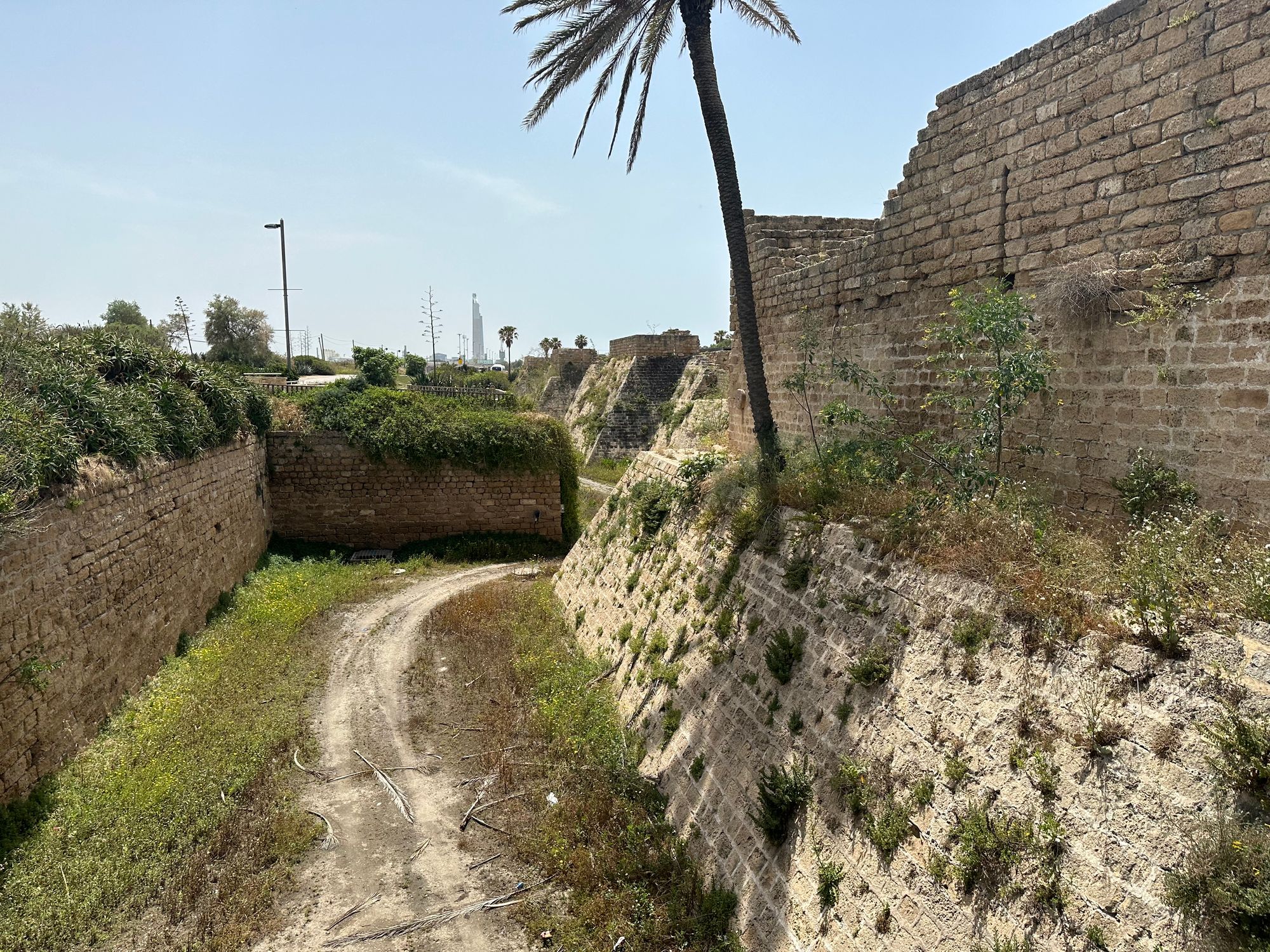
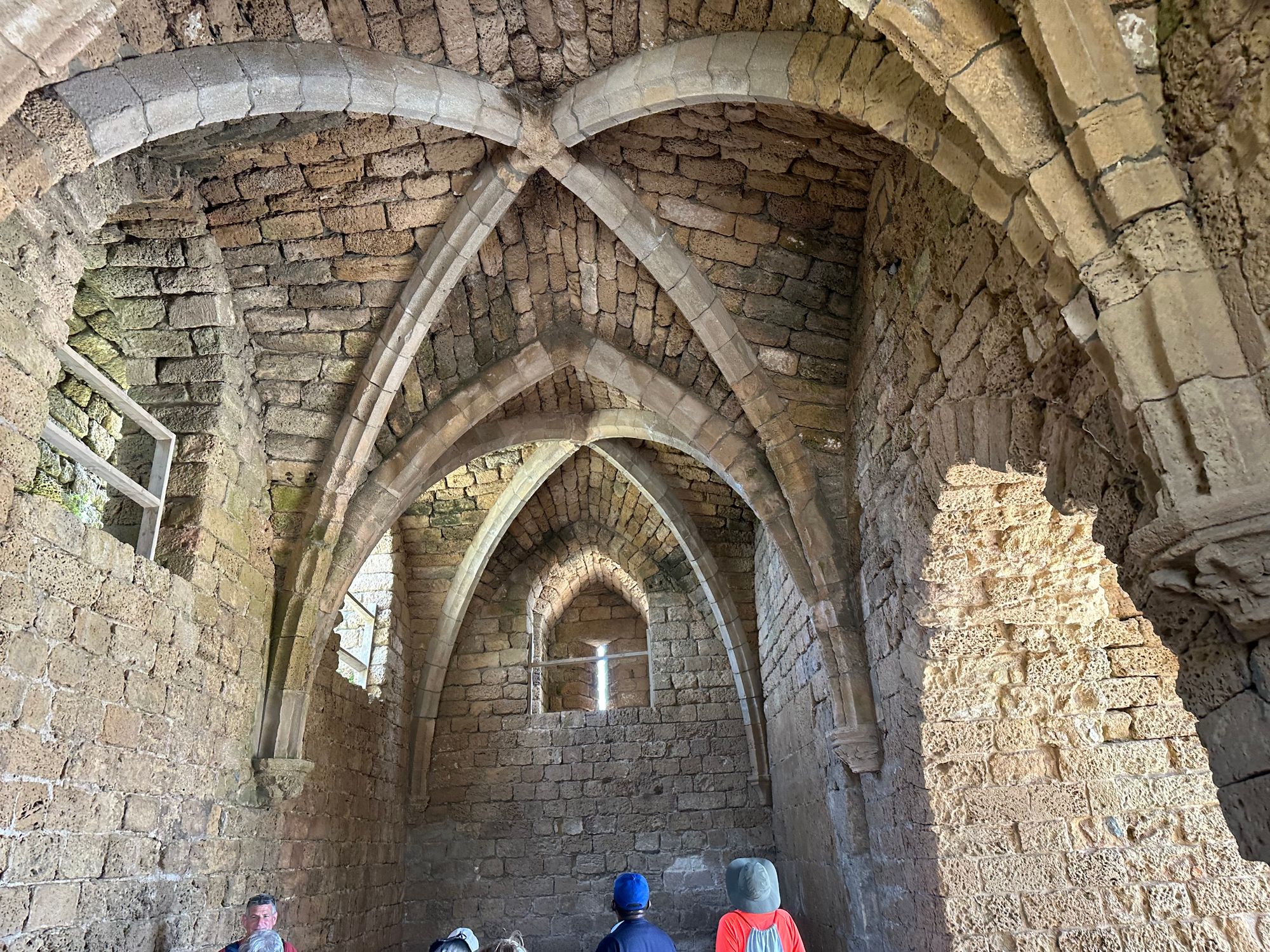
Caesarea is also the home of some ruins dating from the crusades around 1100 CE.
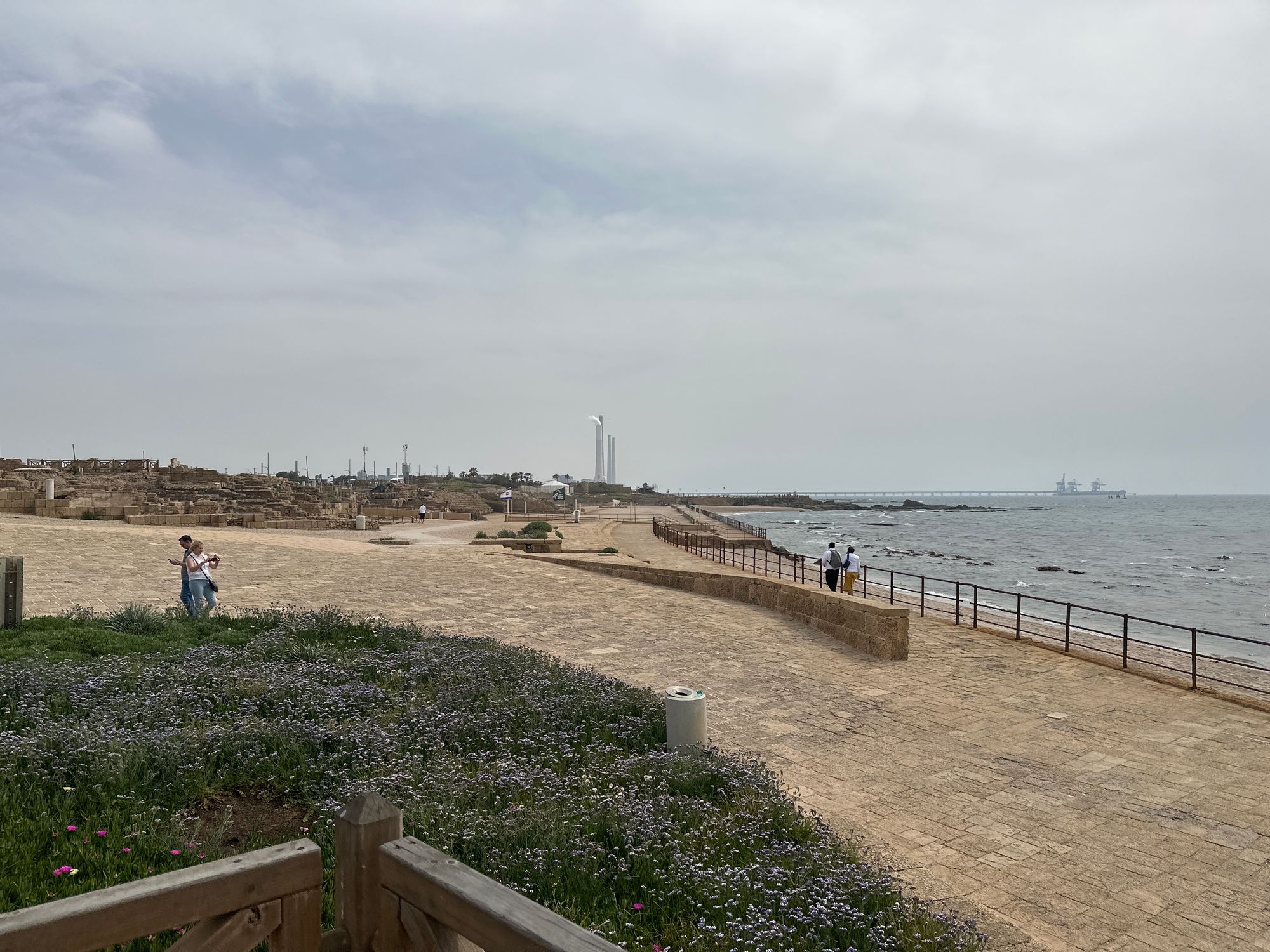
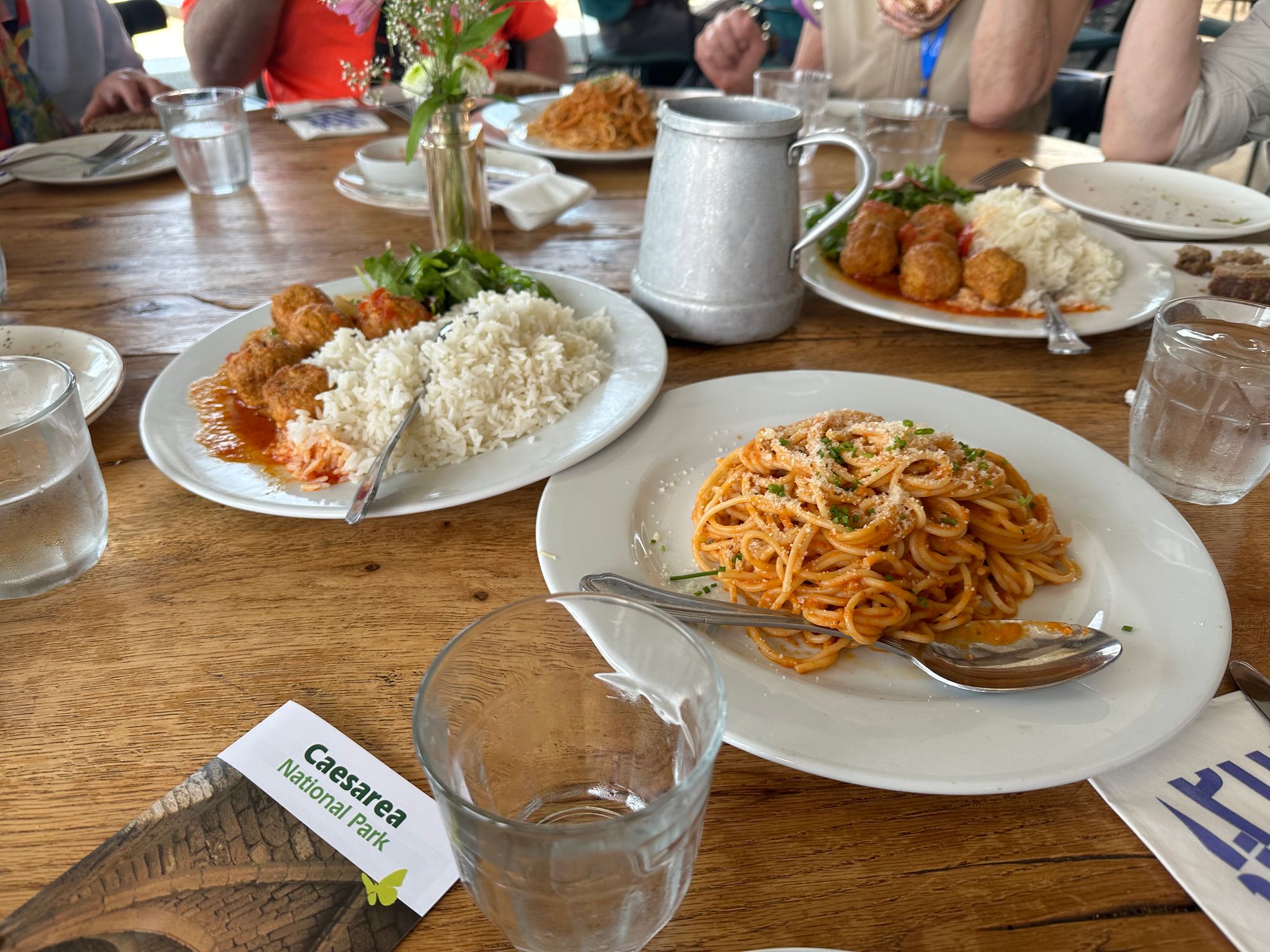
Lunch in Caesarea
Dinner
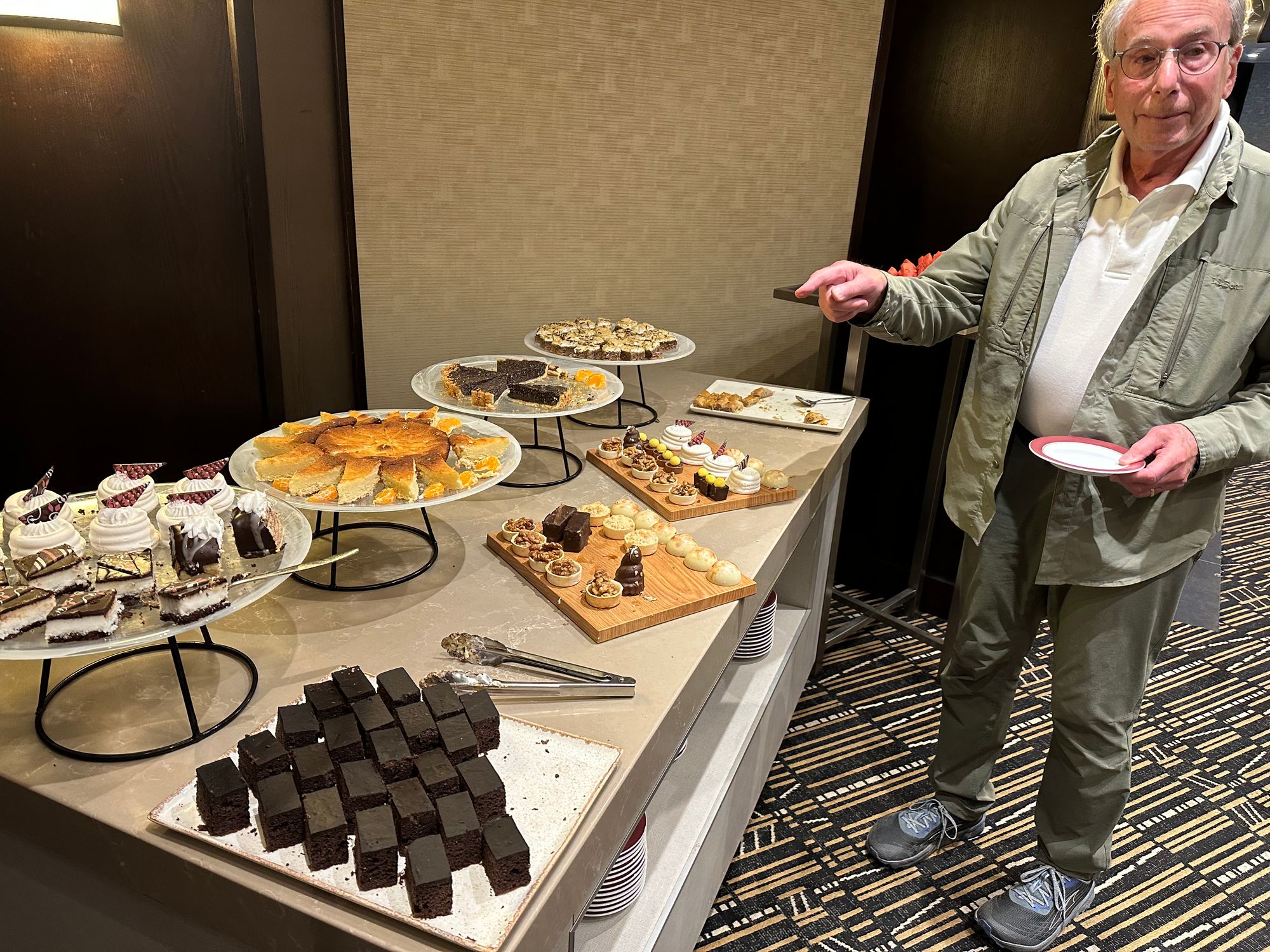
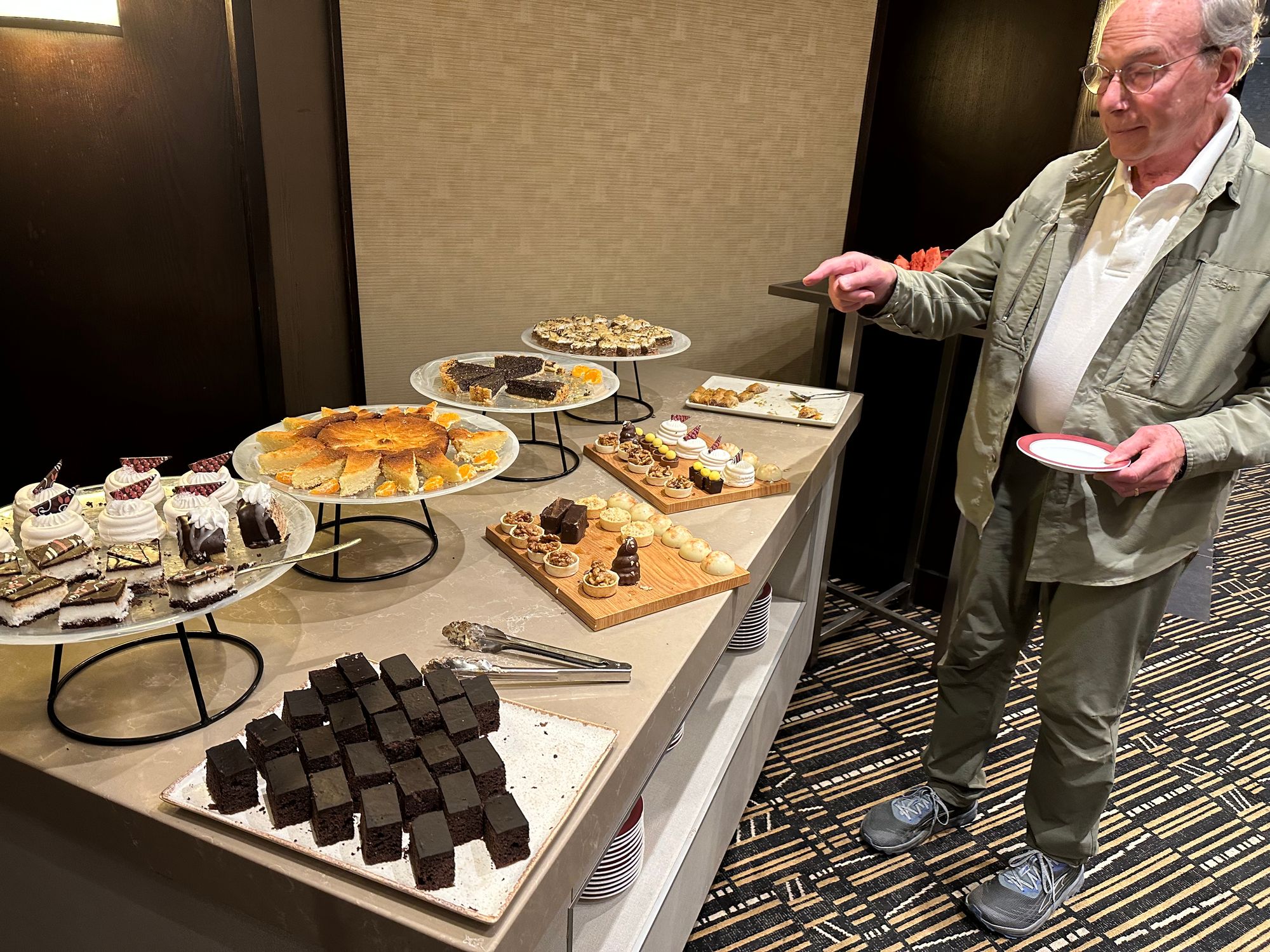
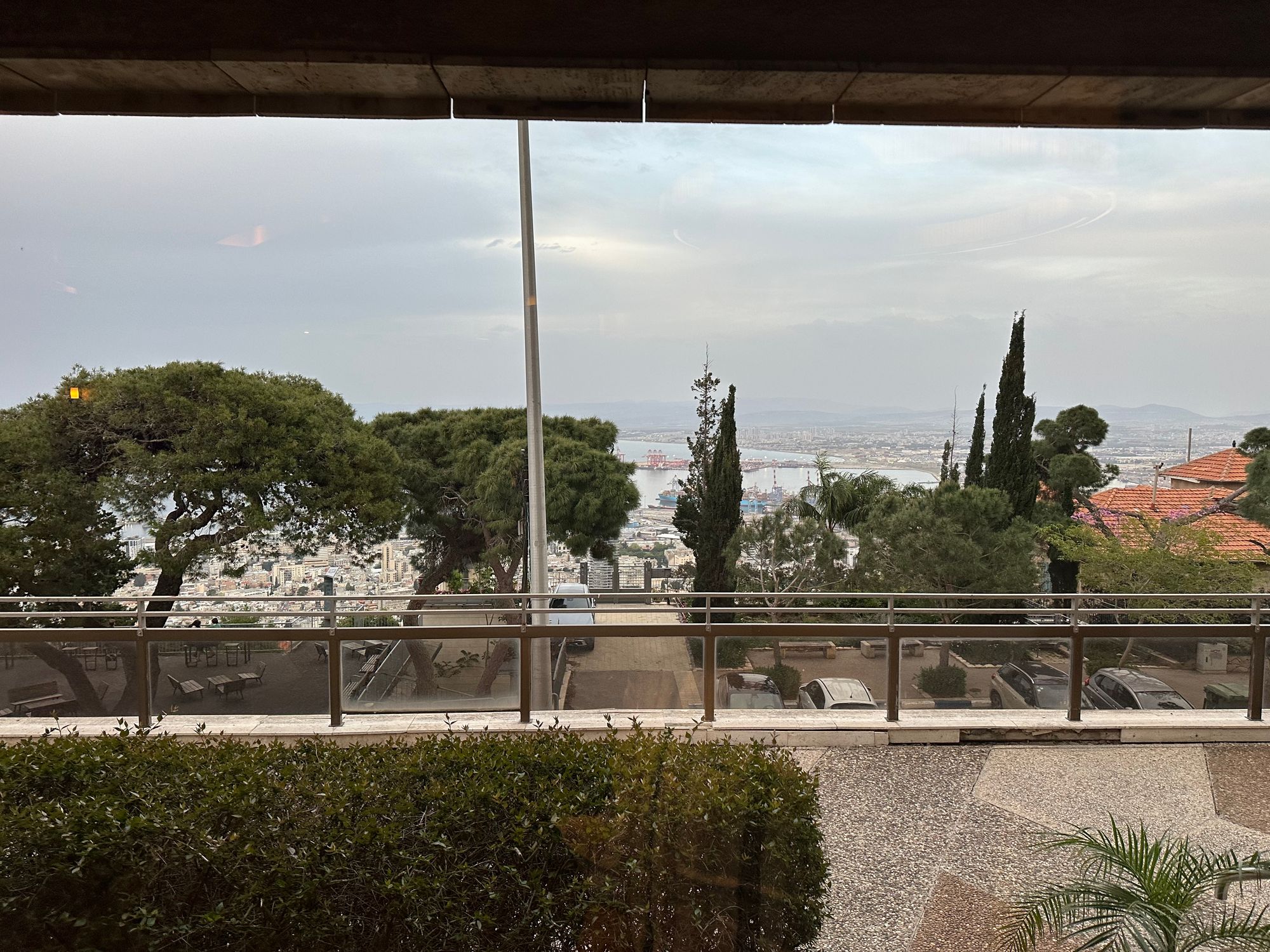
Made our way north up to Haifa to the next hotel which was on top of Mount Carmel. A nice view and some nice deserts were waiting.