Day 4: Sea of Galilee
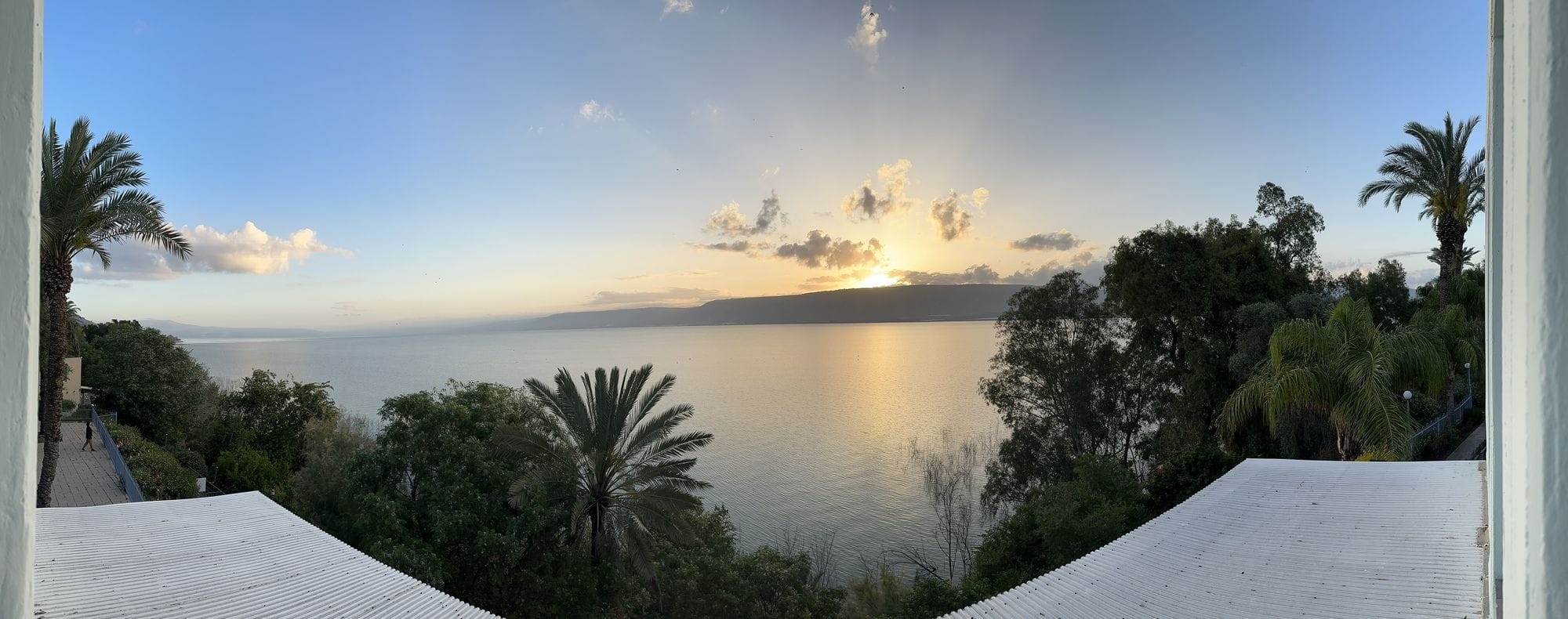
April 21st, 2023
Capharnaüm Village
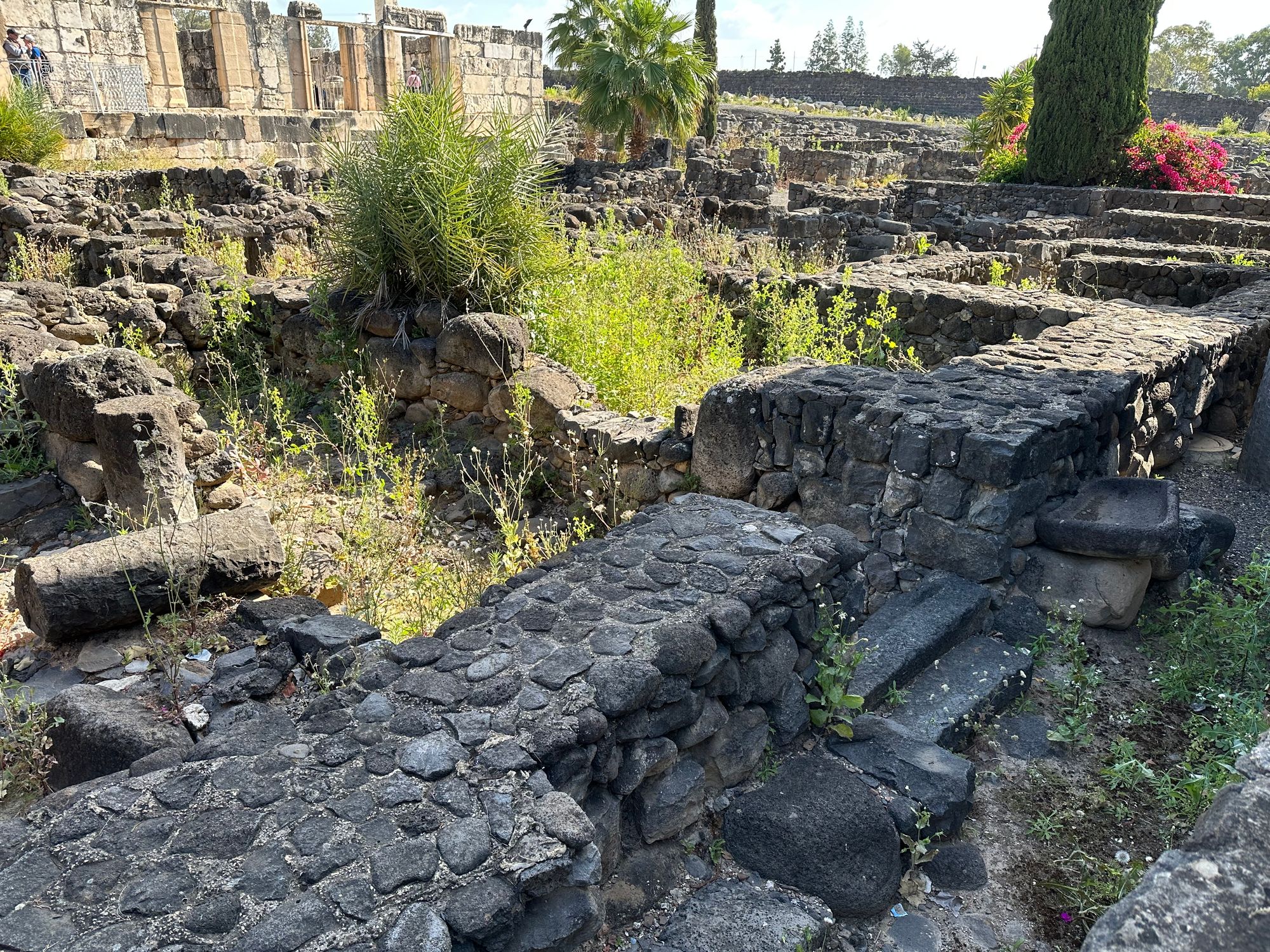
On the shore of the Sea of Galilee (also called Lake Tiberias) we saw the ruins (and church) of Capharnaüm. Famous because it is widely believed to be St Peter's mother-in-law's home, and therefore the site where many events in the new testament occurred. It is also a place where we know that Jesus would have resided and preached early in life.
It would have been a site where Jesus preached and where his first disciples came from. It would also have been where he healed the daughter of the Roman soldier (among other miracles)
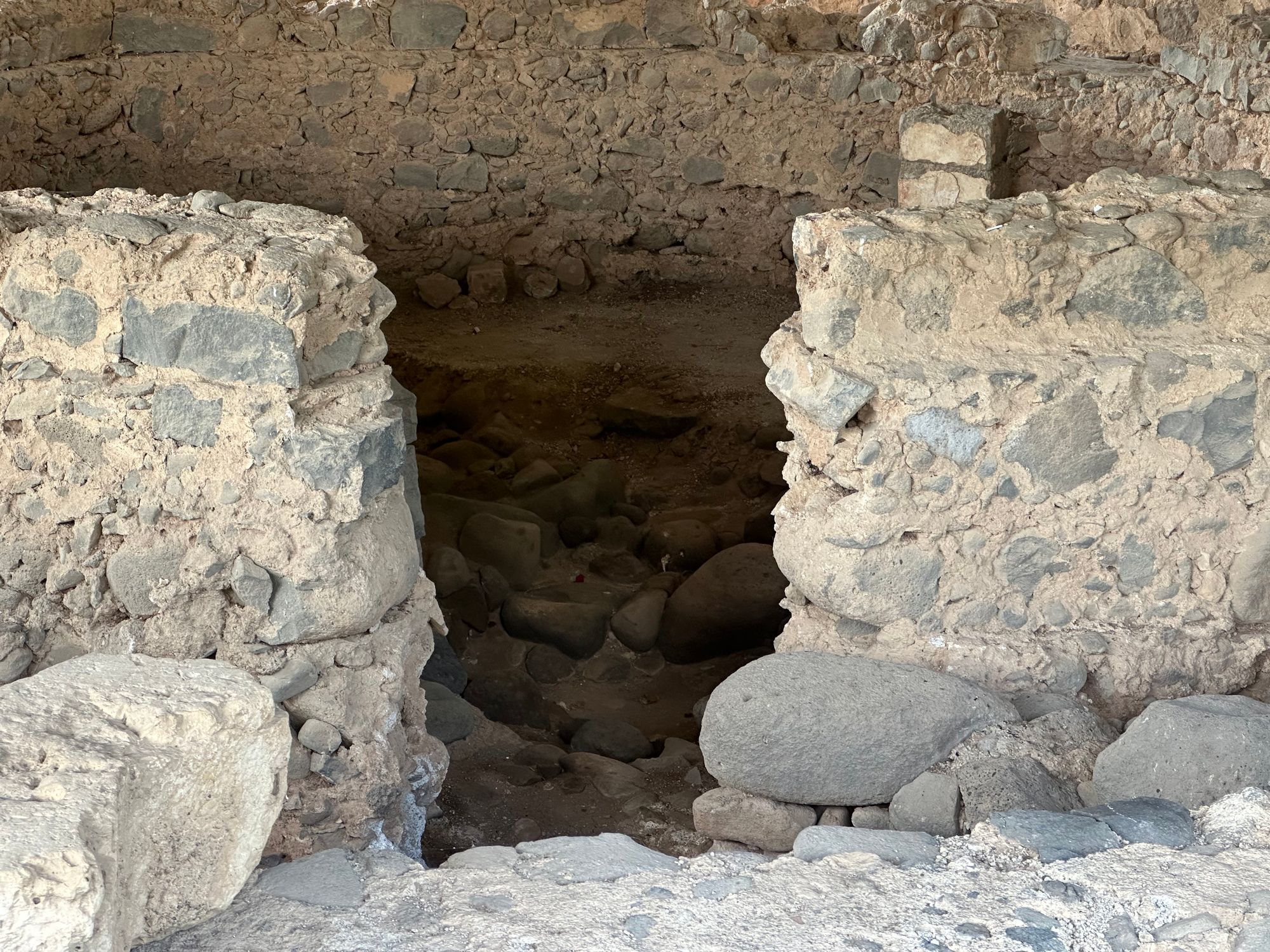
Christians started coming to Capharnaüm as early as the first century CE. Franciscans built a church on top of the site. In 333, Emperor Constantine comes into power and it becomes "domus ecclesiae" one of the first "churches" before churches existed. Around the house a concentric circular monument is built for people to navigate through while trying to enter the house during pilgrimage.
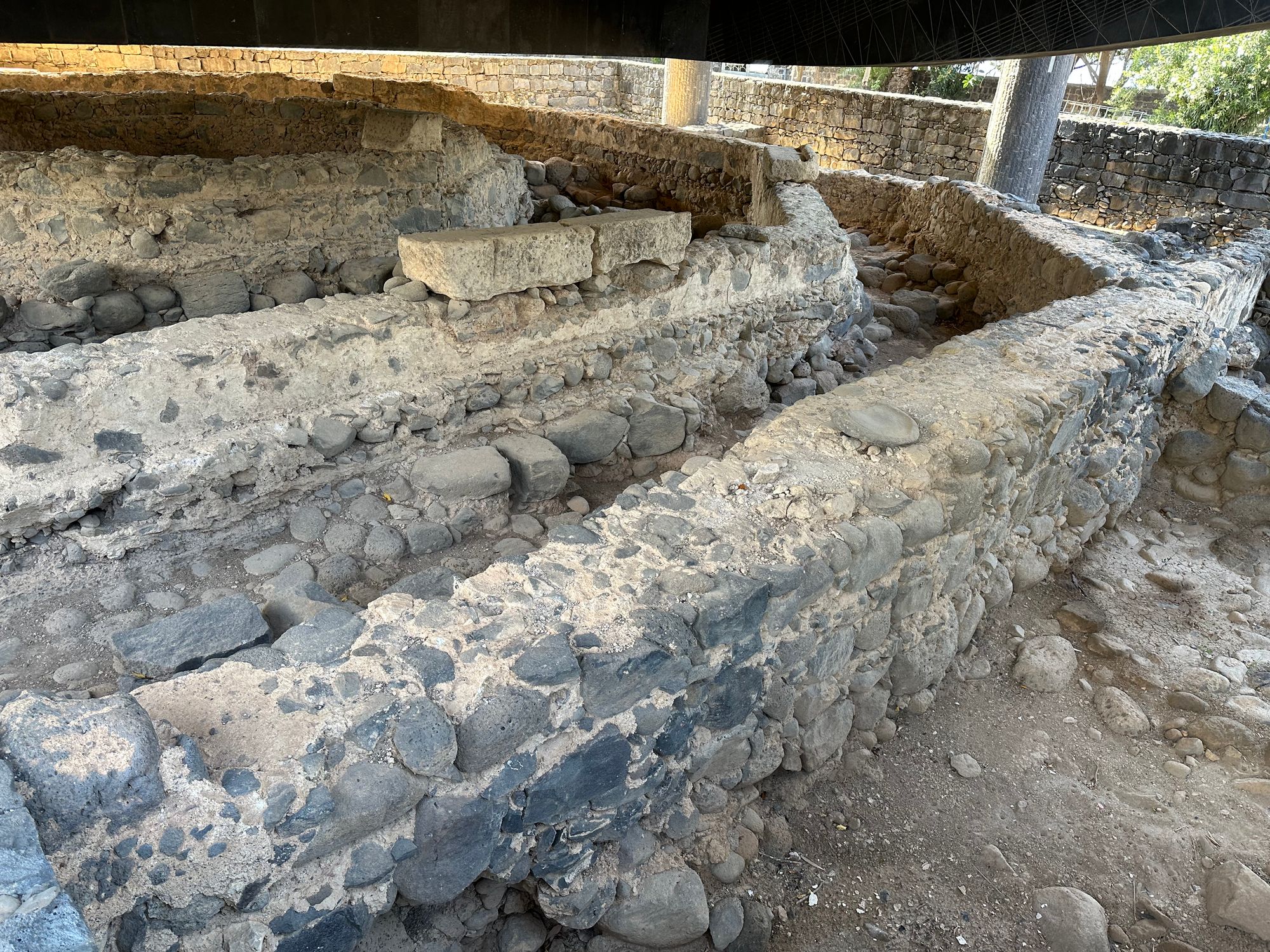
Pilgrims would visit the area, and the act of circling before entering was a way to spiritually prepare for the site that they were about to see.
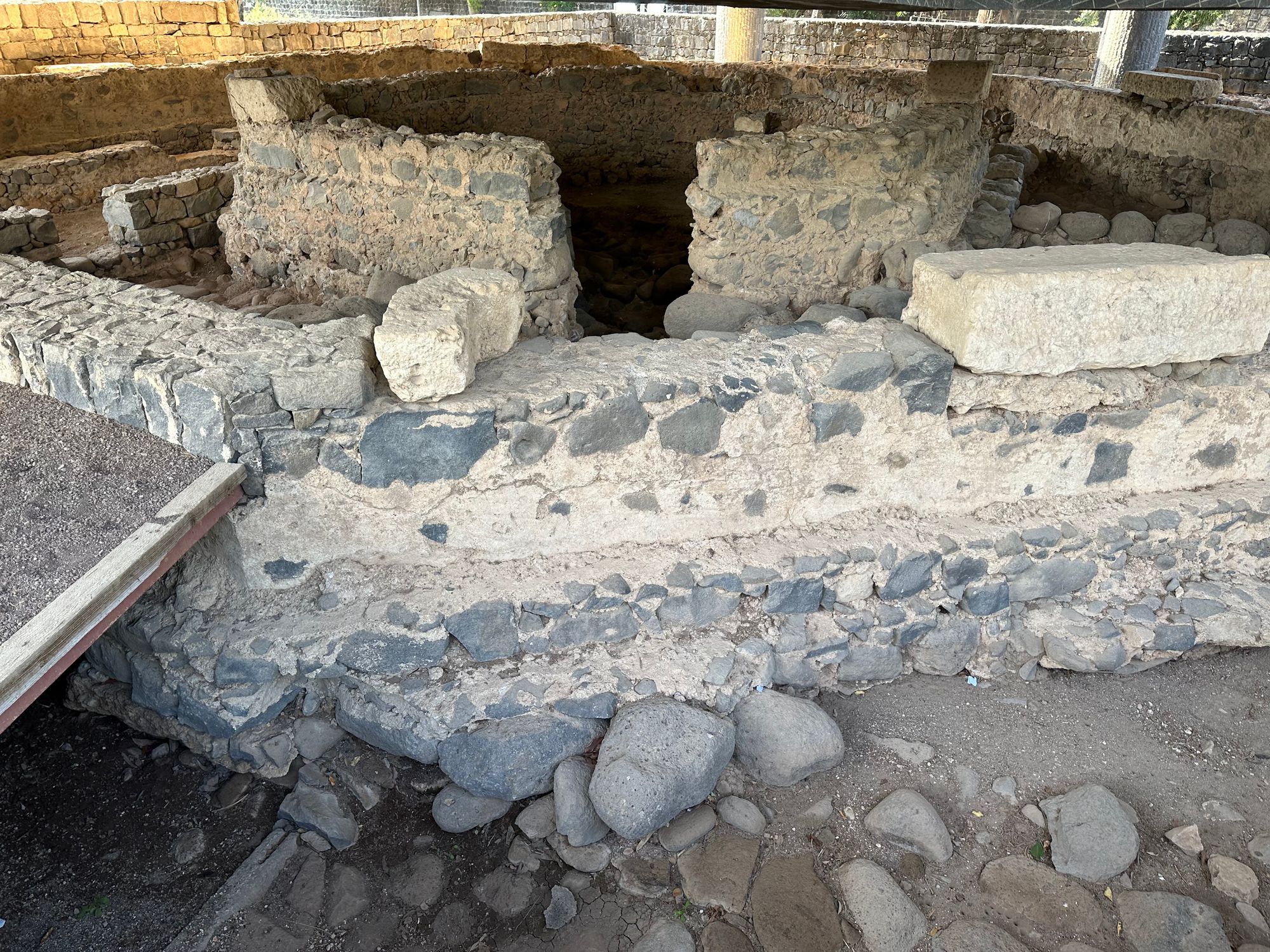
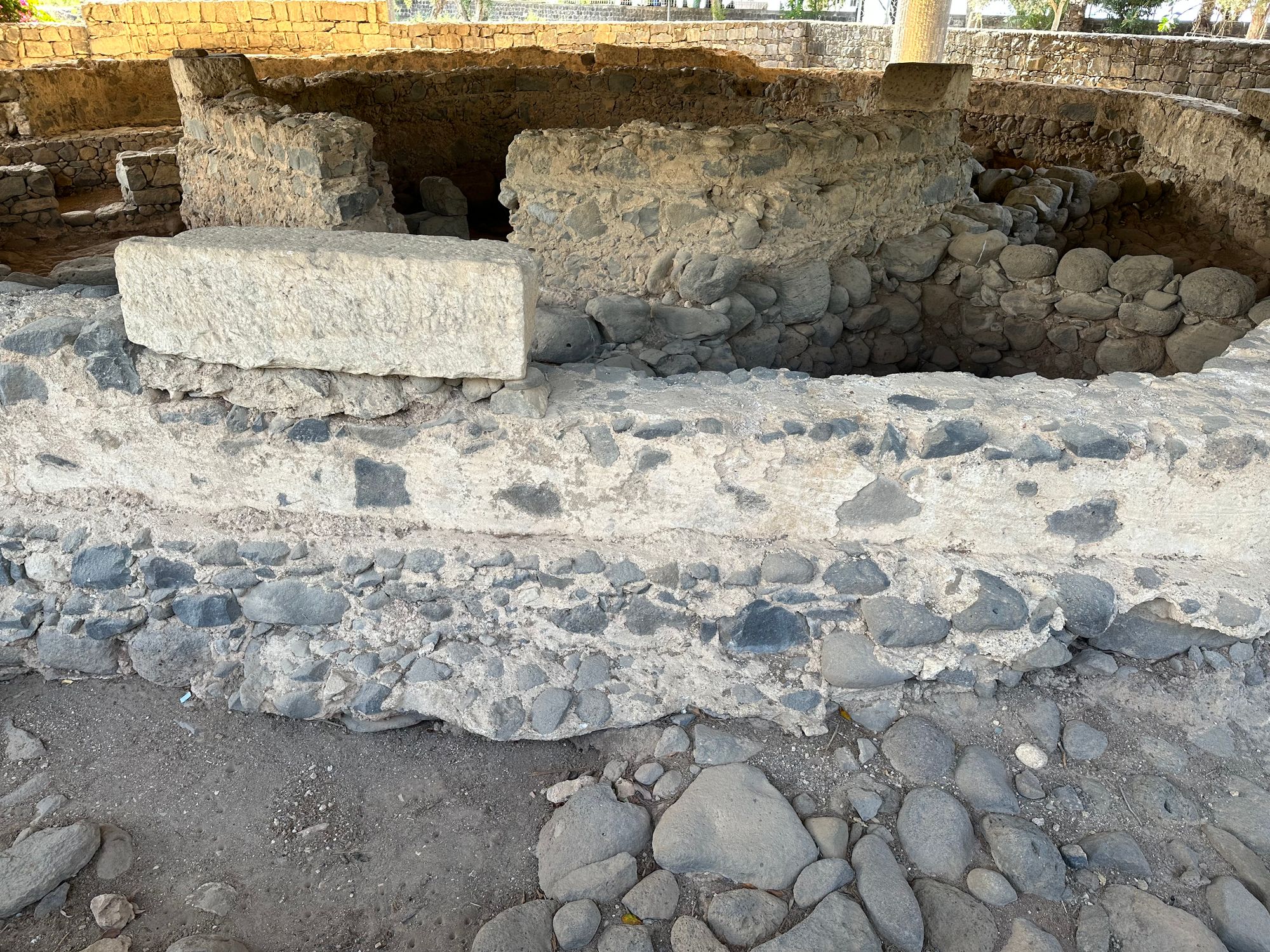
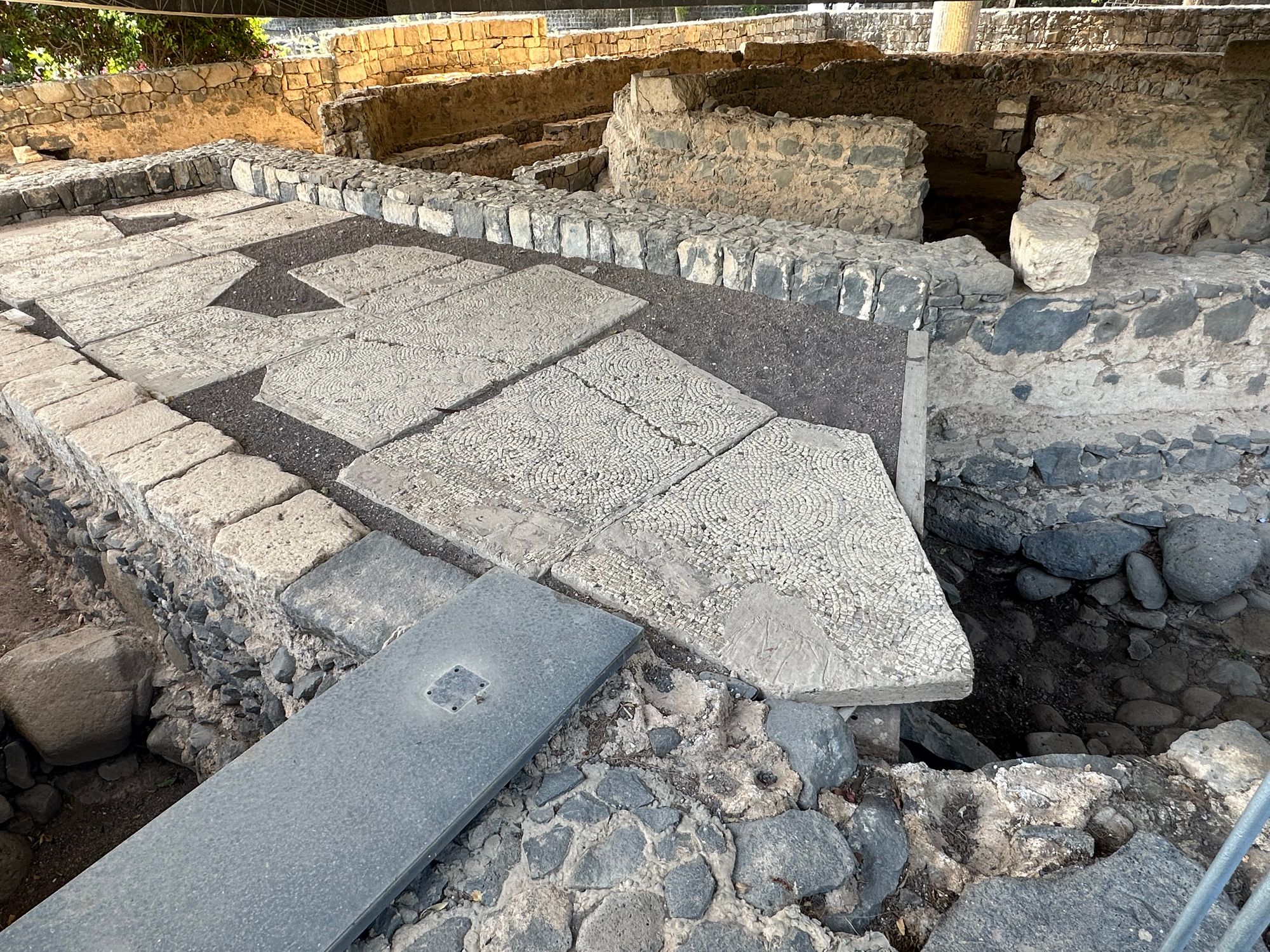
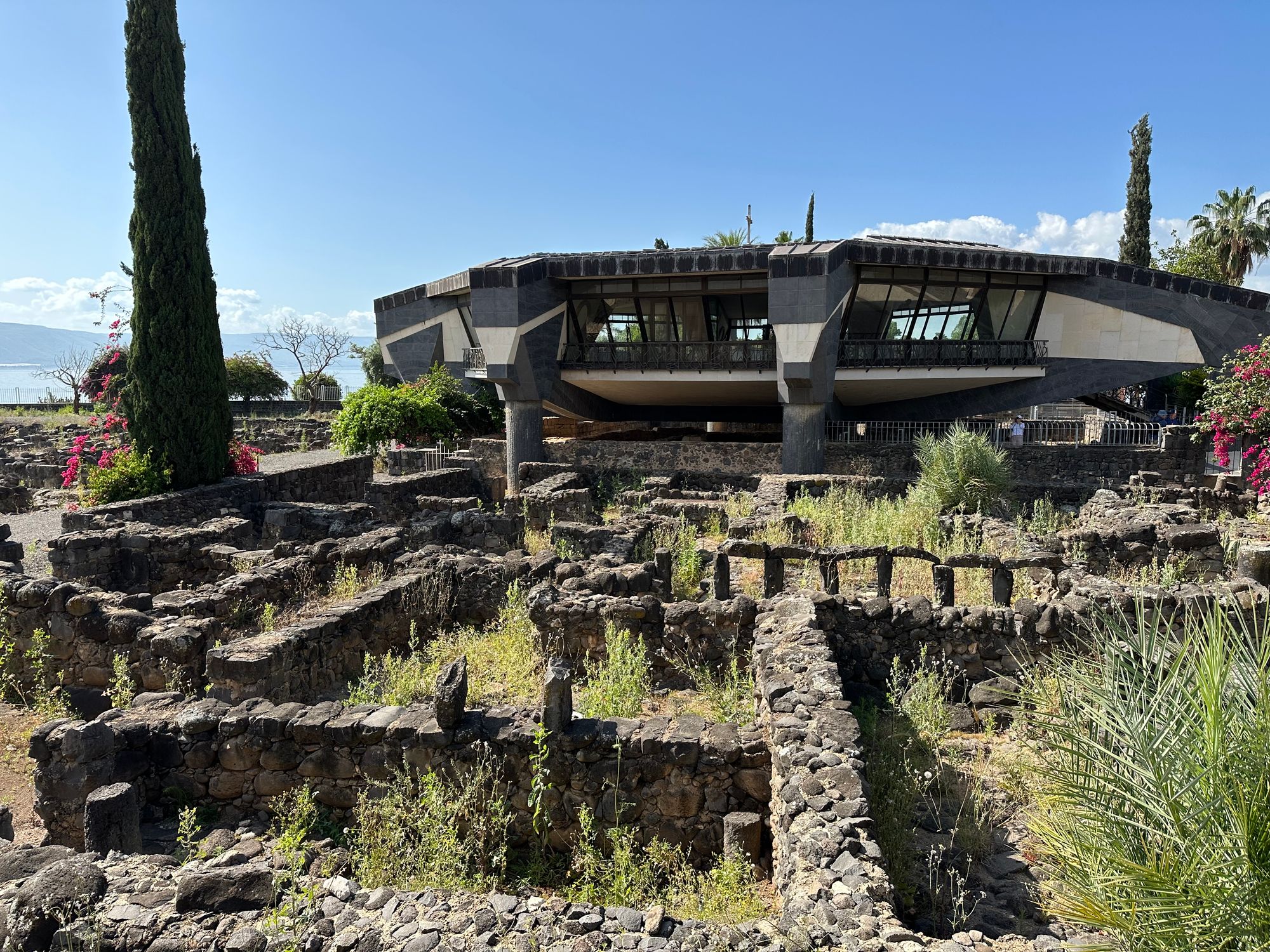
You can see the modern church that was built on top of the "holy site" as well as ruins from the village
Capharnaum would have grown into a Jewish/Christian community with pilgrims coming to visit and Jews living at the site alongside other Christians. The synagogue was conserved as a holy place as well, and would have been the site where Jesus would have preached. It's also believed that this synagogue is the same one that was mentioned 9 times in the Old Testament.
Synagogue of Capharnaüm
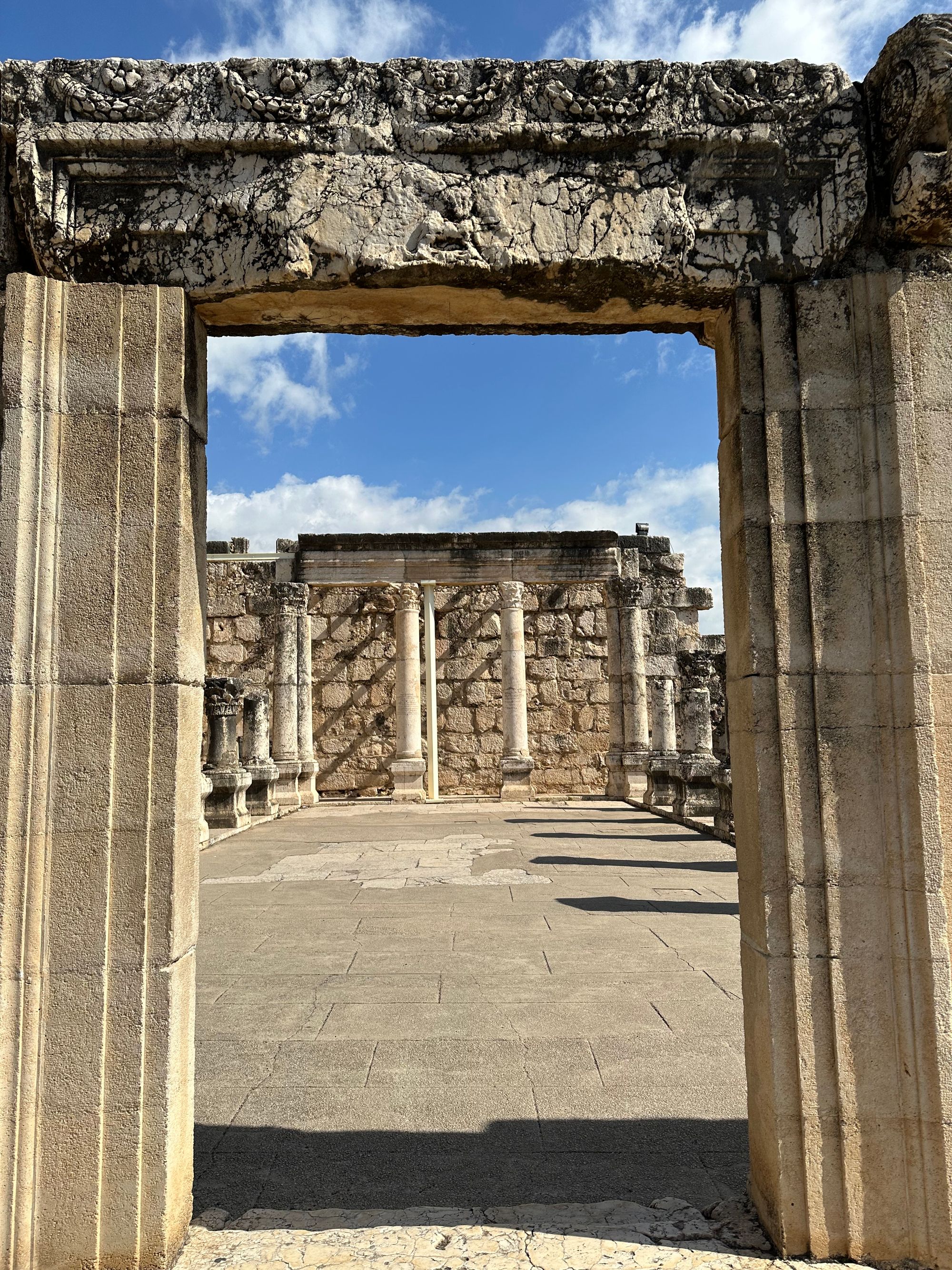
Around 500 CE, a Byzantine synagogue is built on the foundation of the original synagogue using the same footprint. Greek writing can be found on the pillars today.
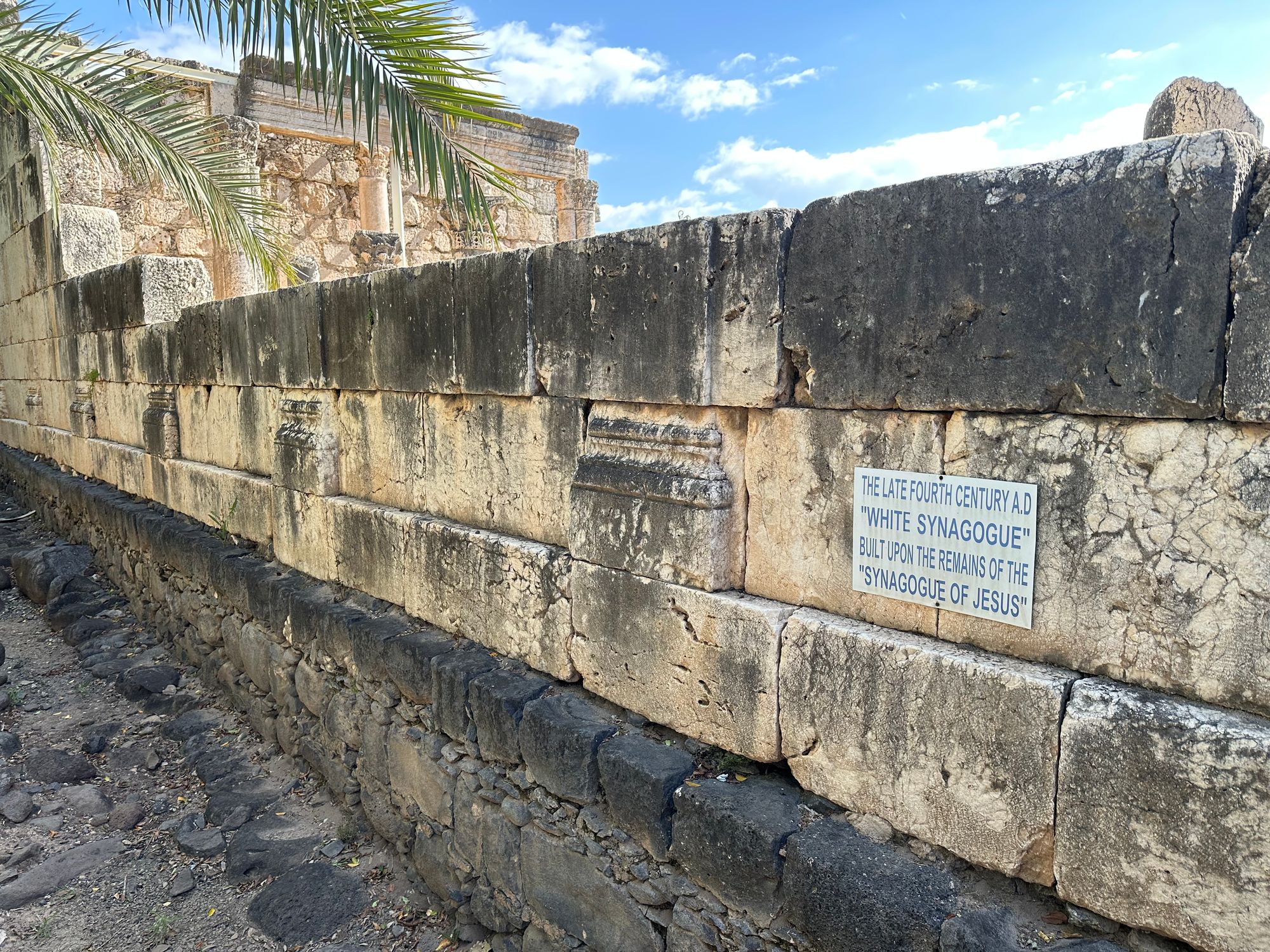
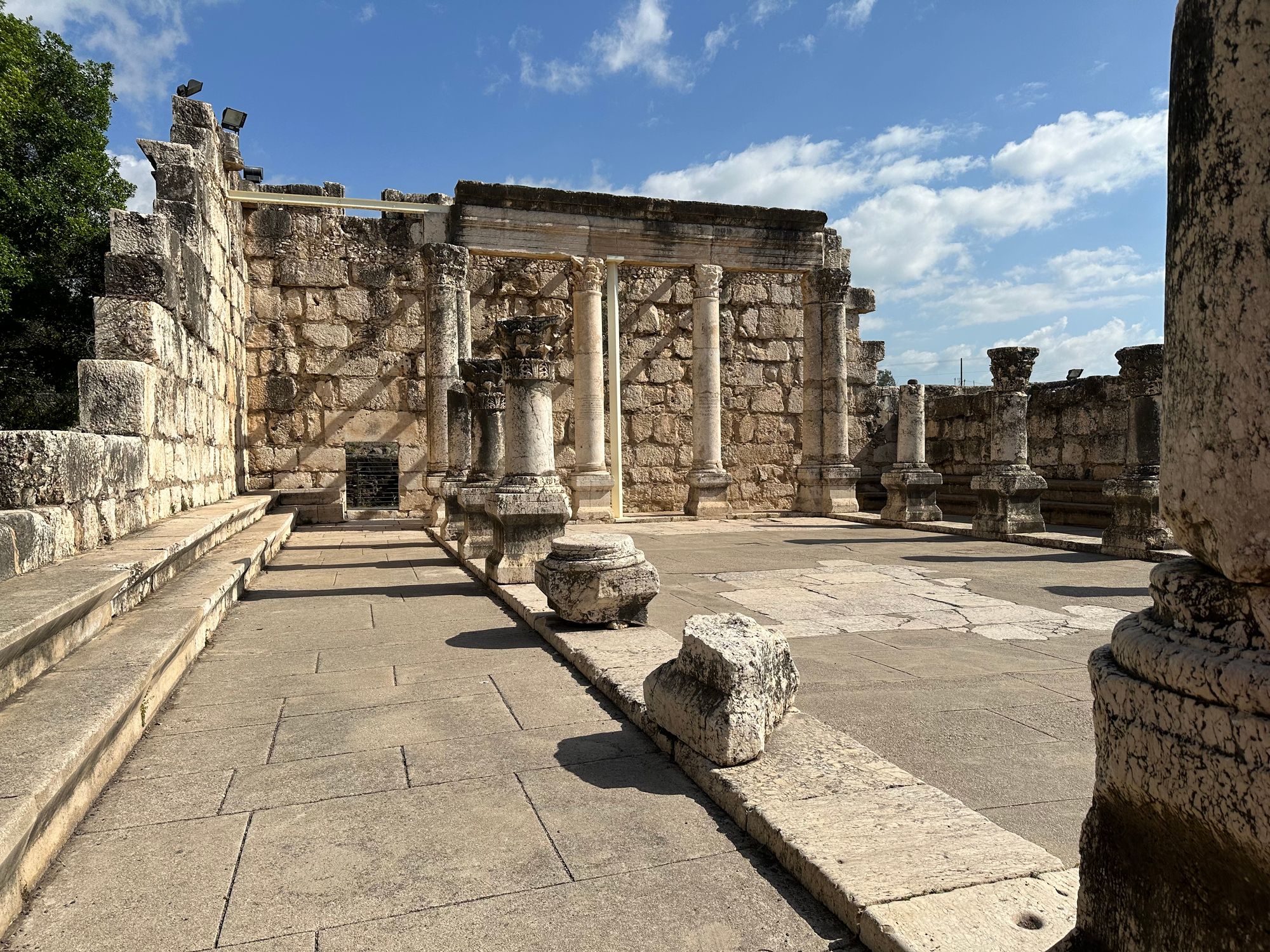
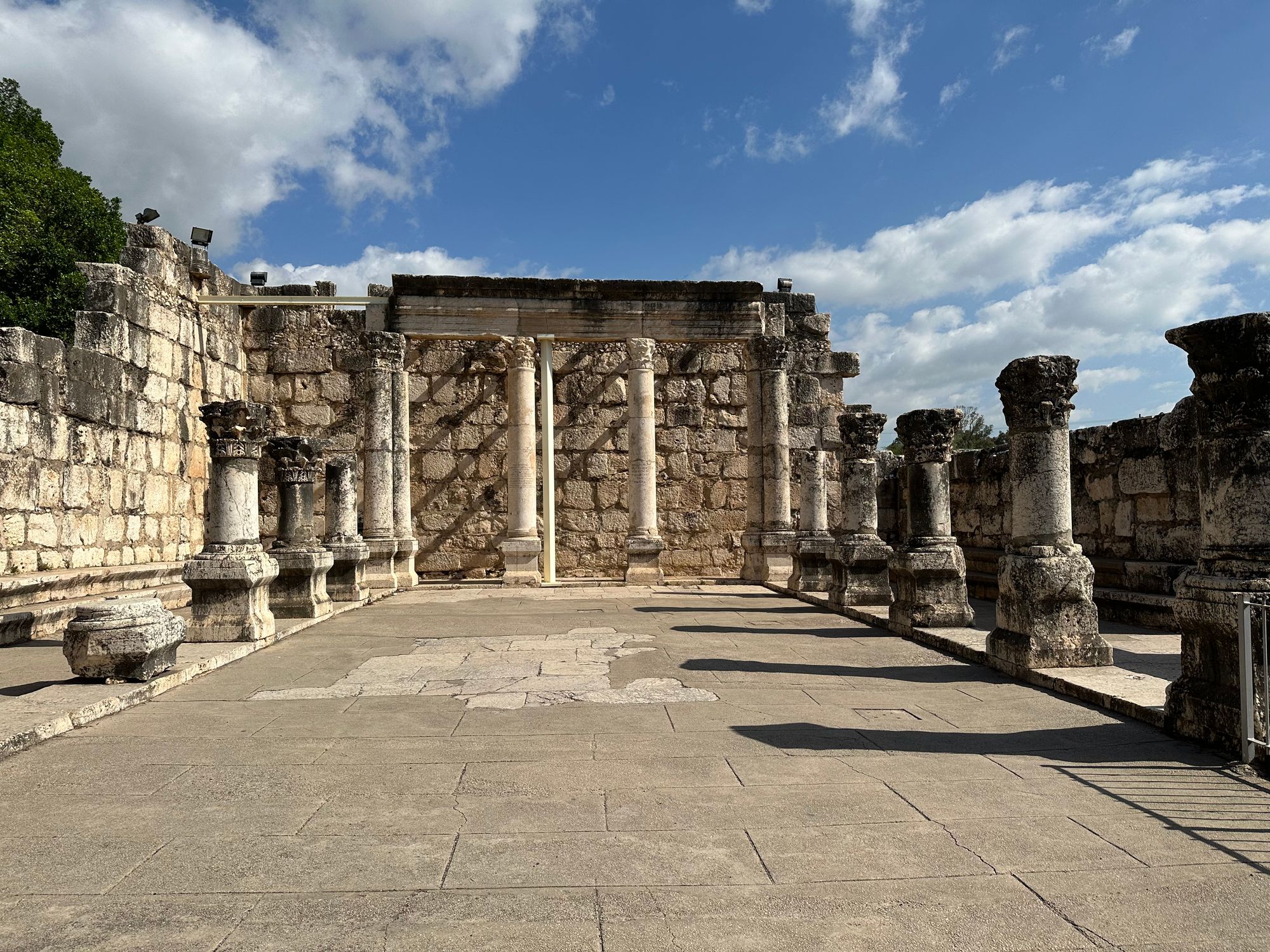
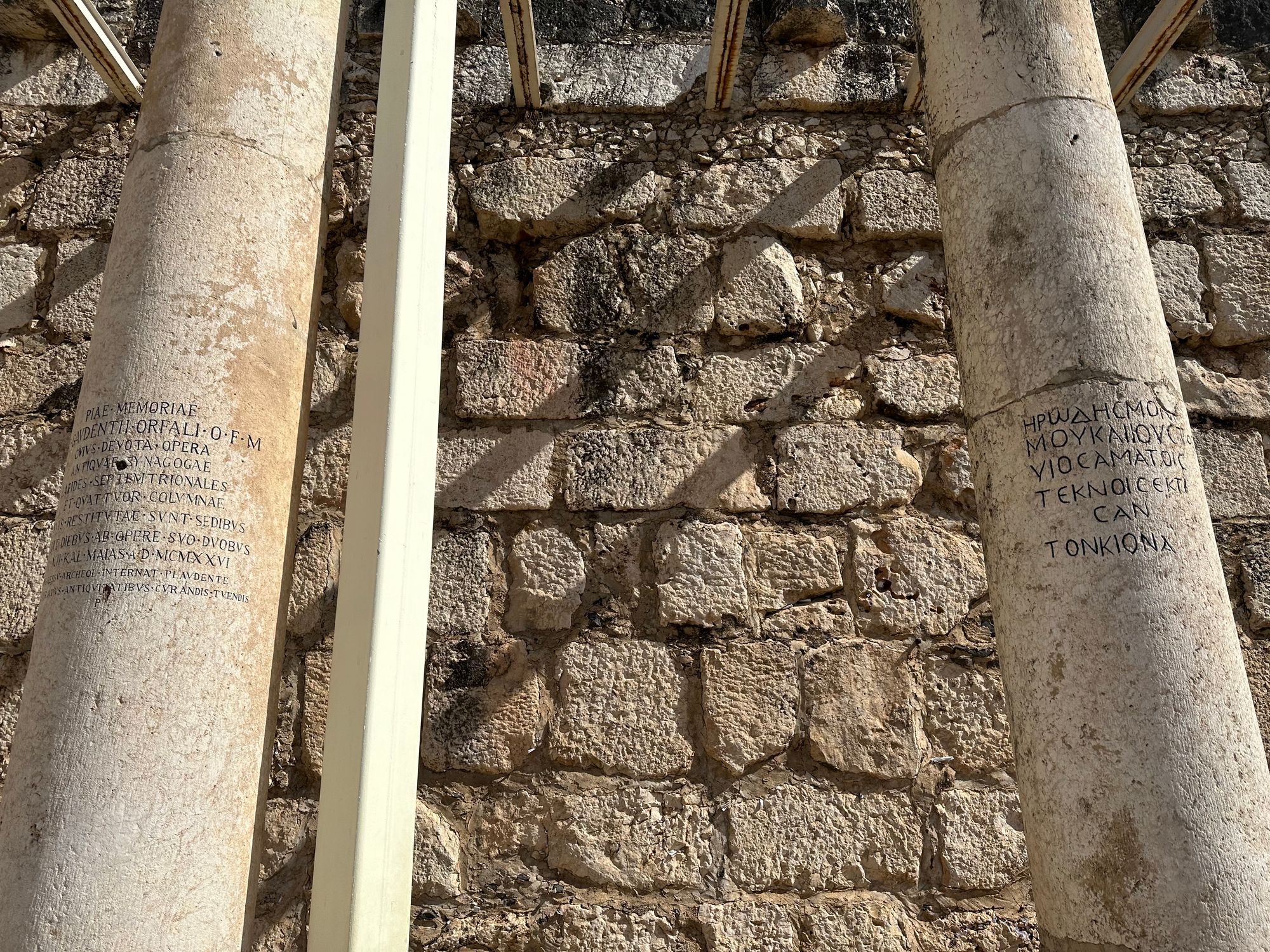
Byzantine synagogue from ~ 600CE
Synagogues were meeting places more than places of worship. If you look closely, you can see the benches (in stone) around the outside of the building to allow for discussion and emphasizing the role of a Synogogue as a meeting place, rather than a place of worship. This was the case until the destruction of the second temple when worship could no longer be done through pilgrimage to the temple in Jerusalem.
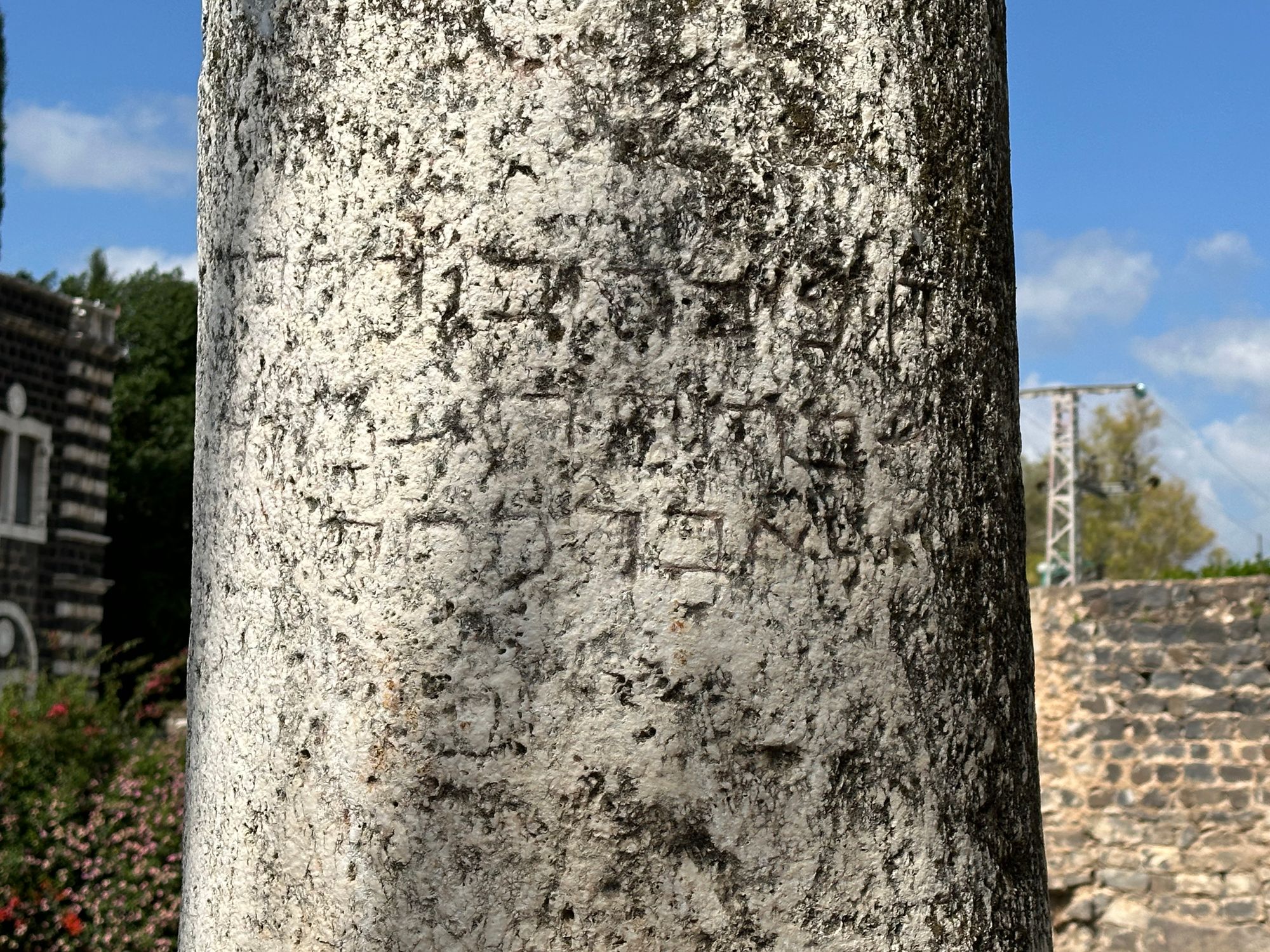
A lot of interesting inscriptions were found on the Greek columns of this Synagogue including a menorah, an early version of the star of David (before it was even a Jewish symbol), and the Ark of the Covenant.
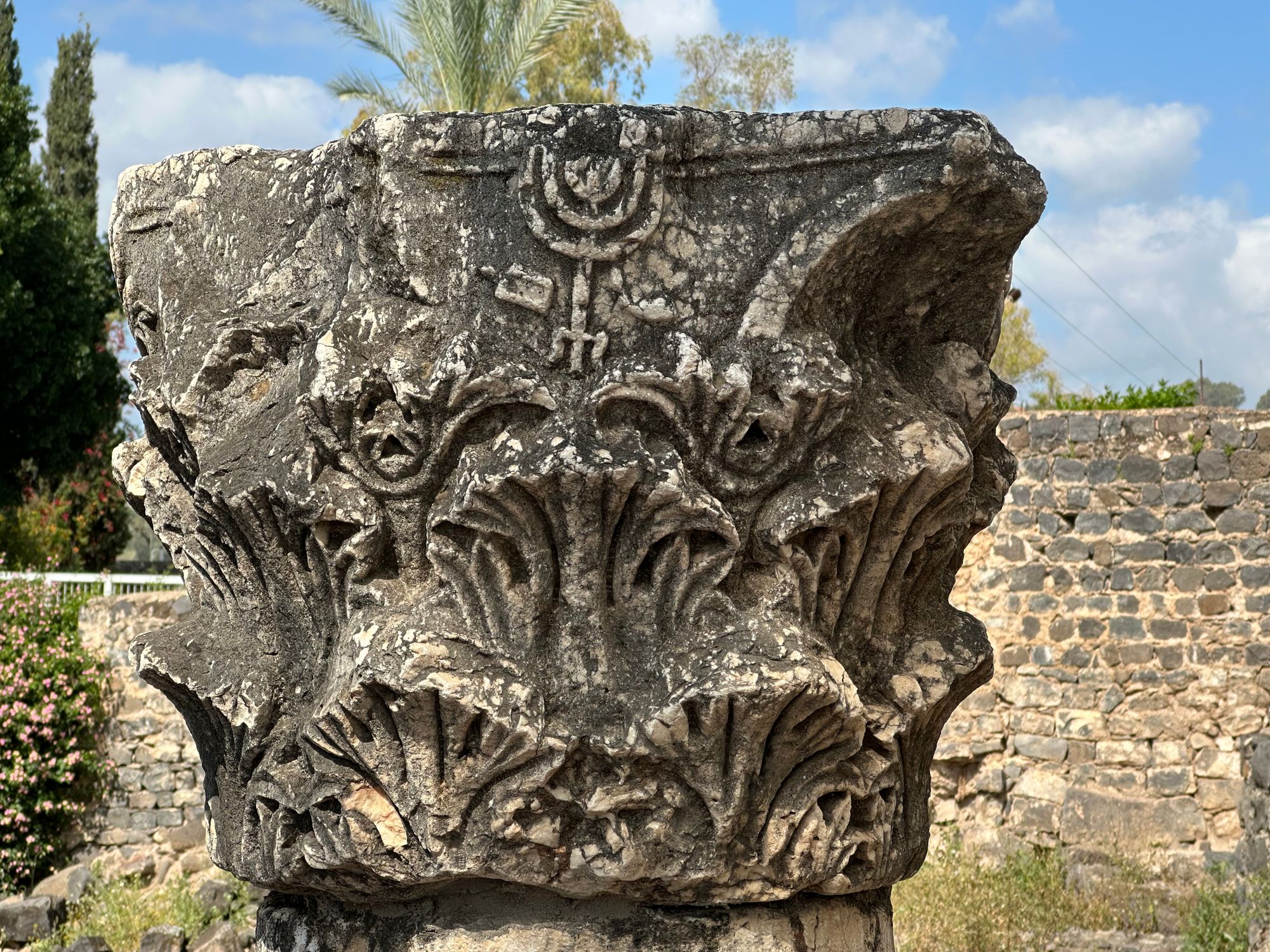
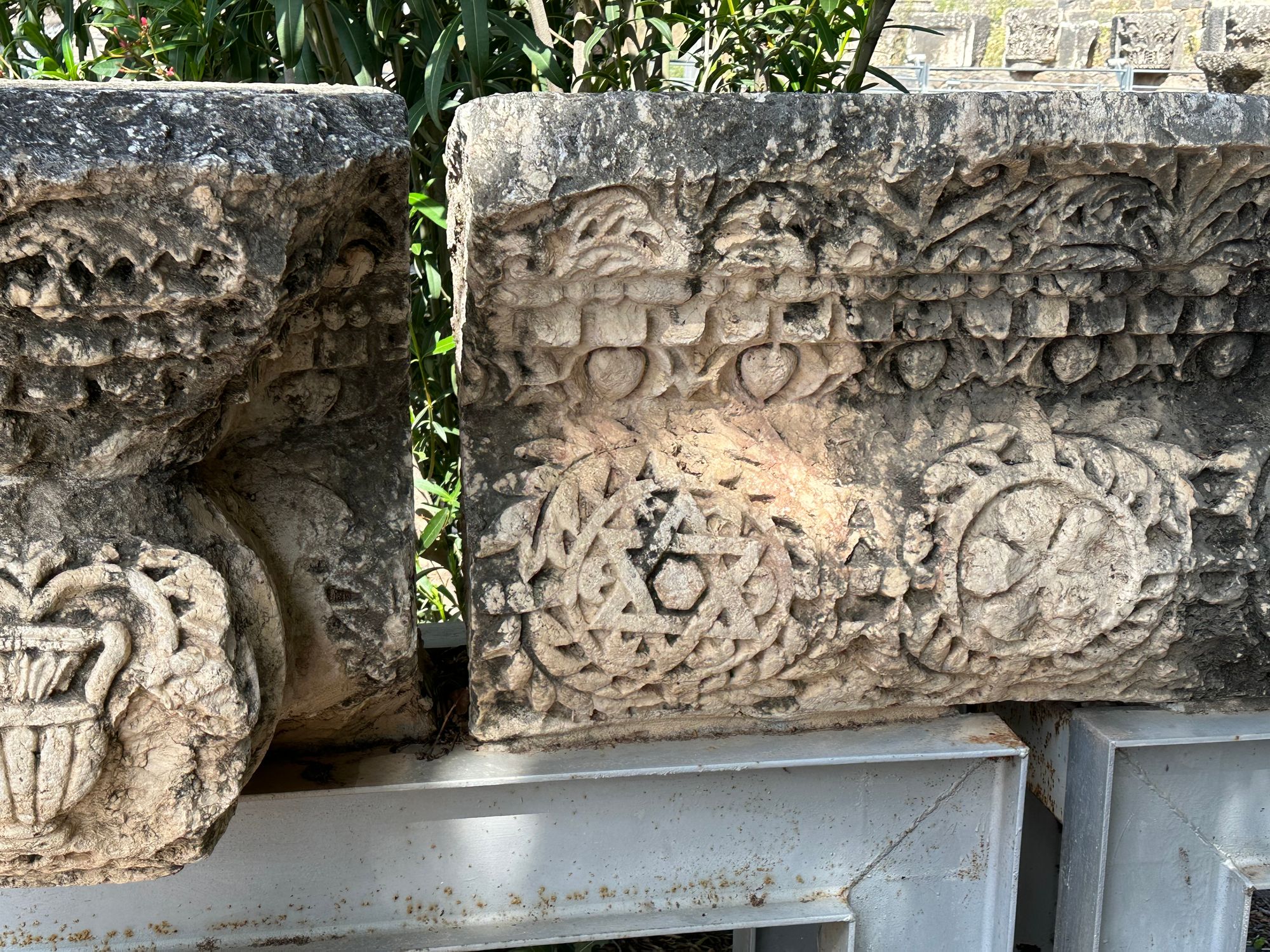
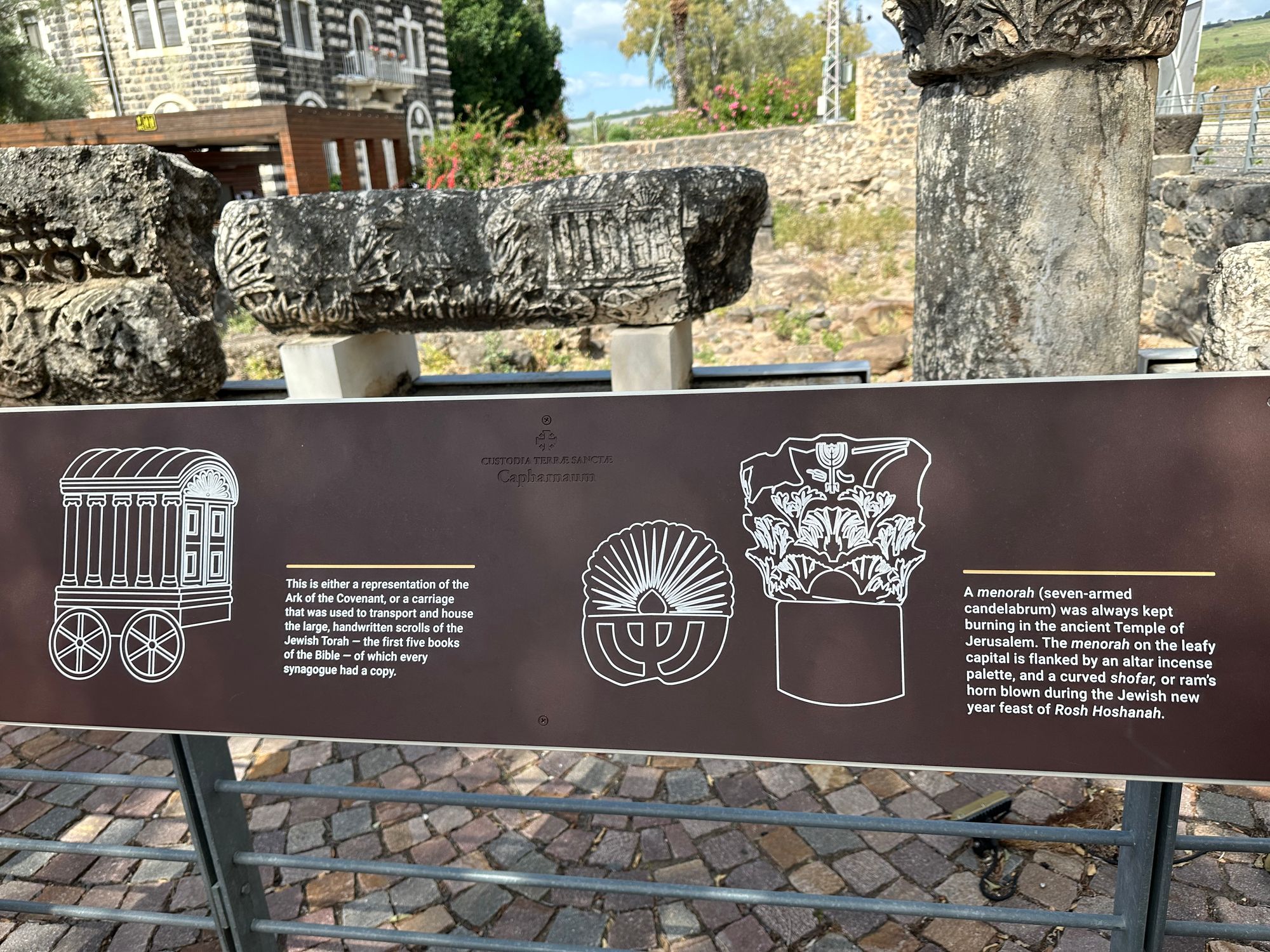
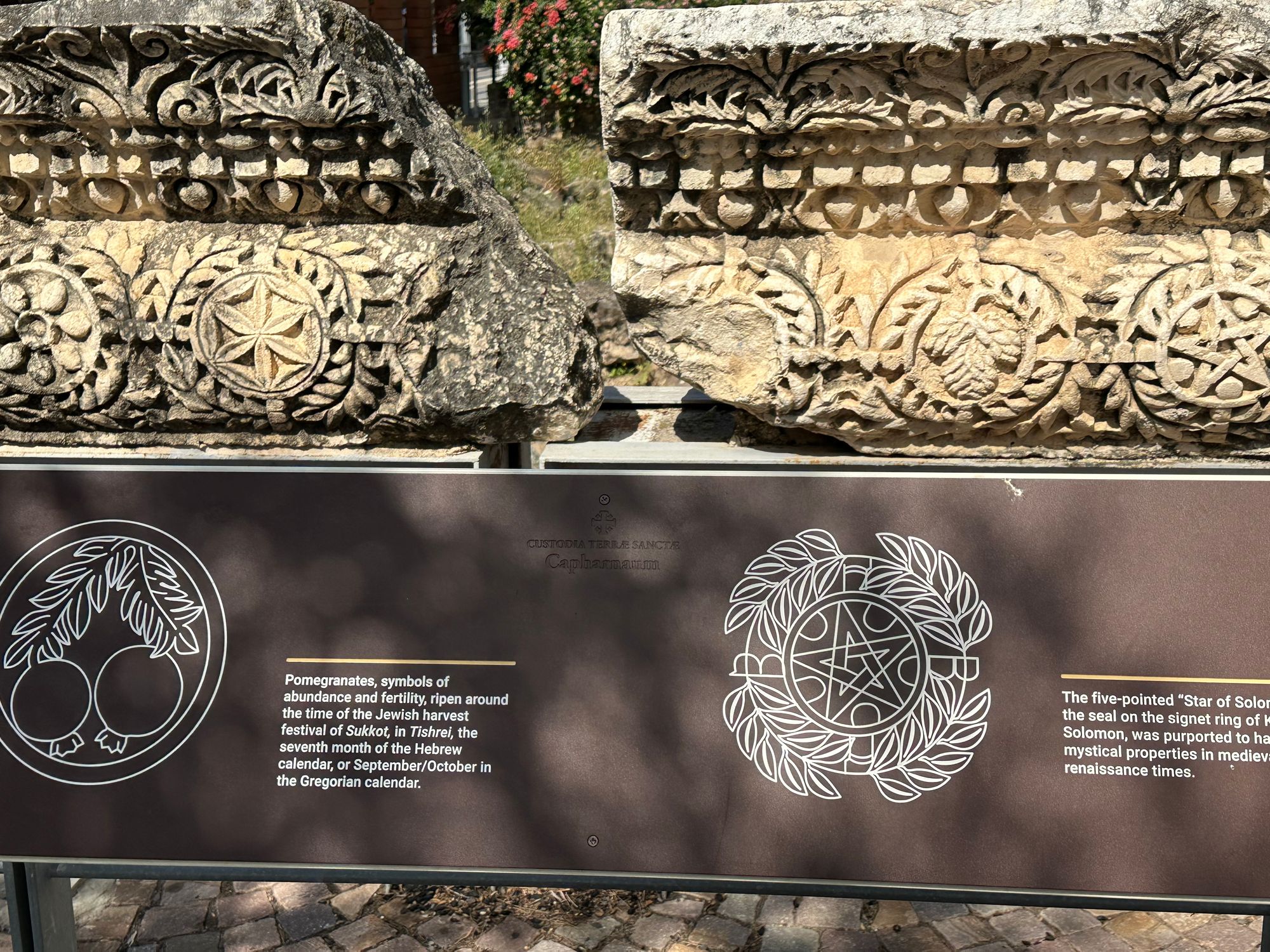
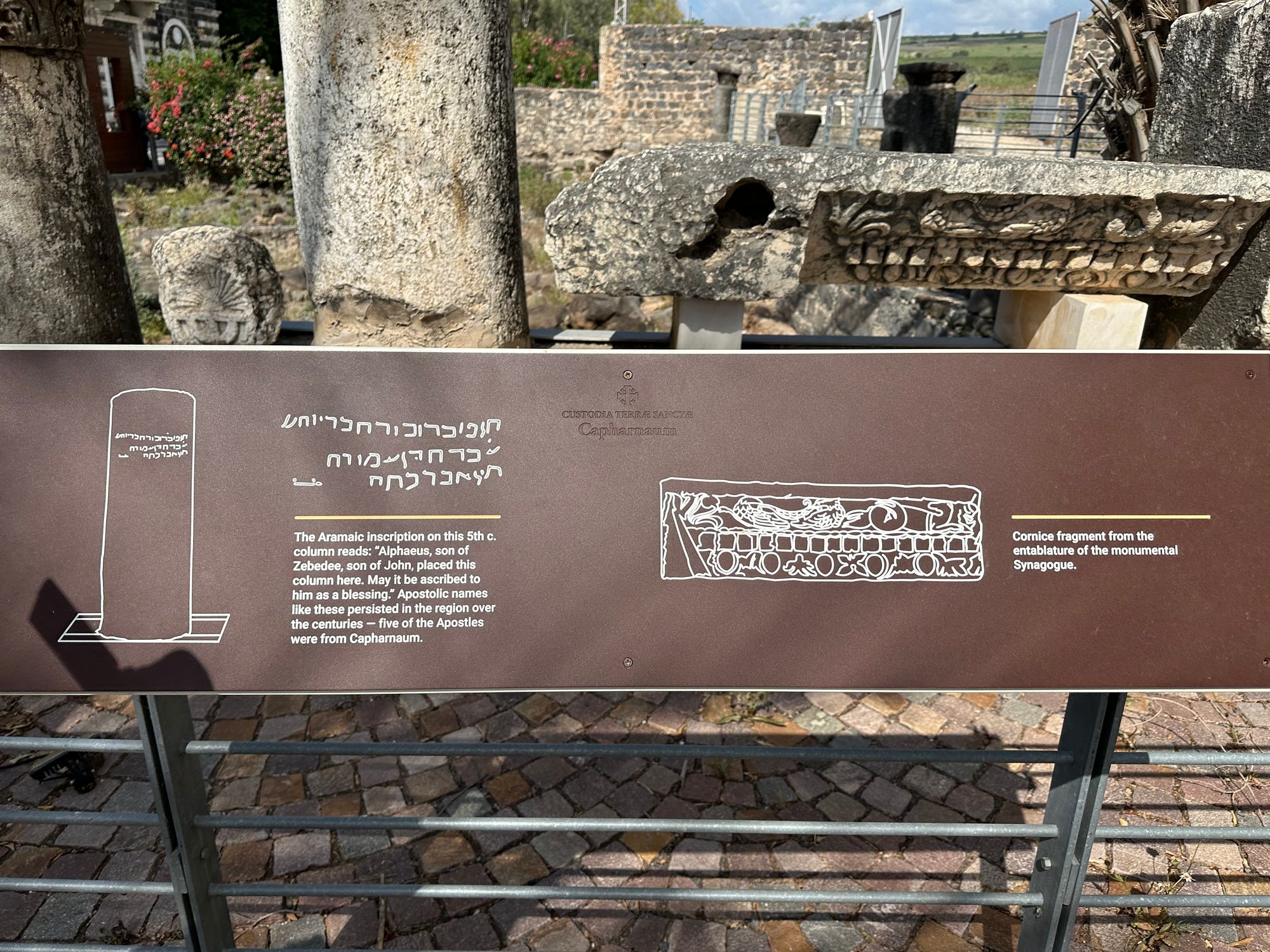
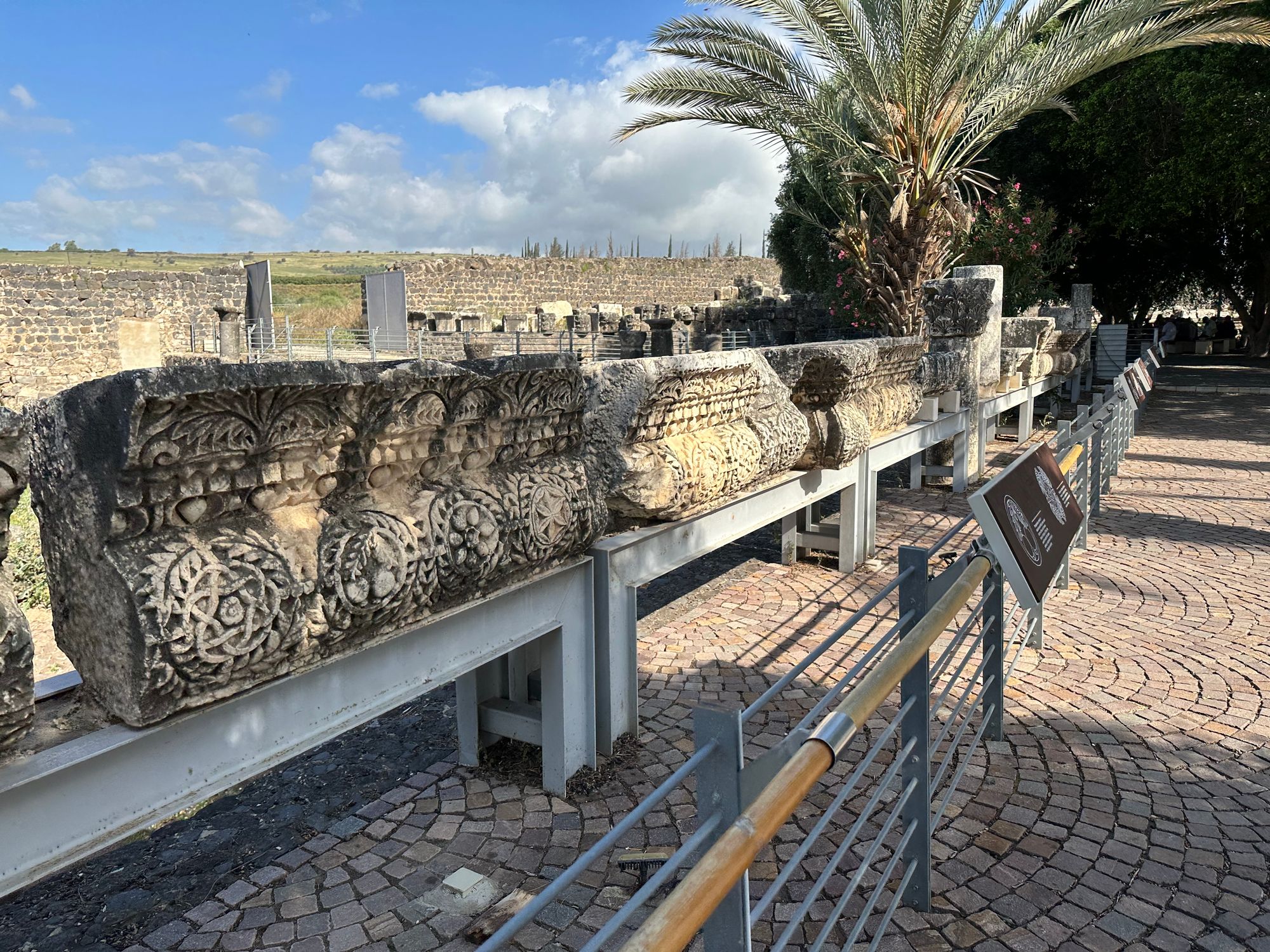
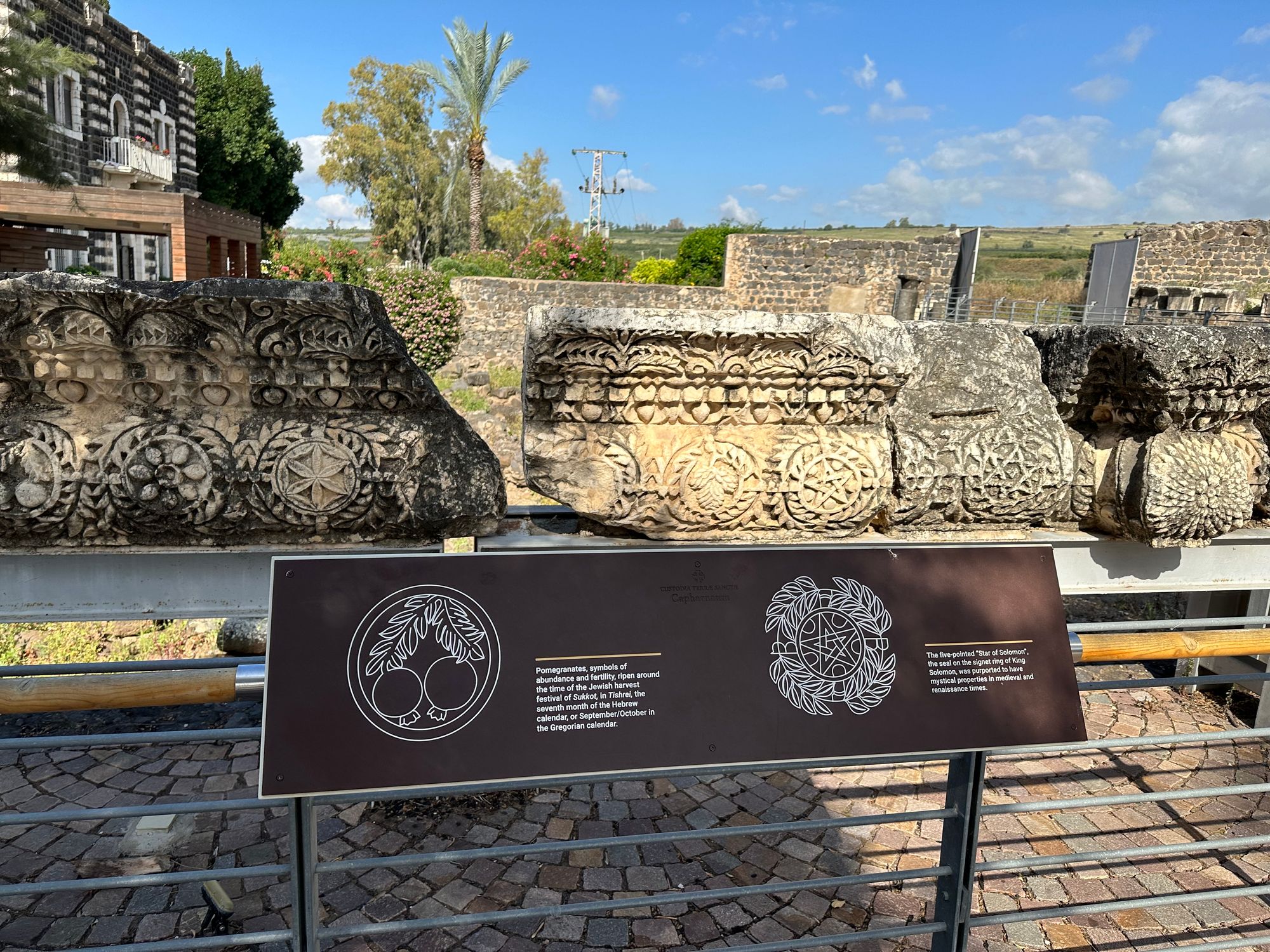
In 749 a huge earthquake wiped out the village of Capharnaüm and the area was left in ruins. Here's some more information:
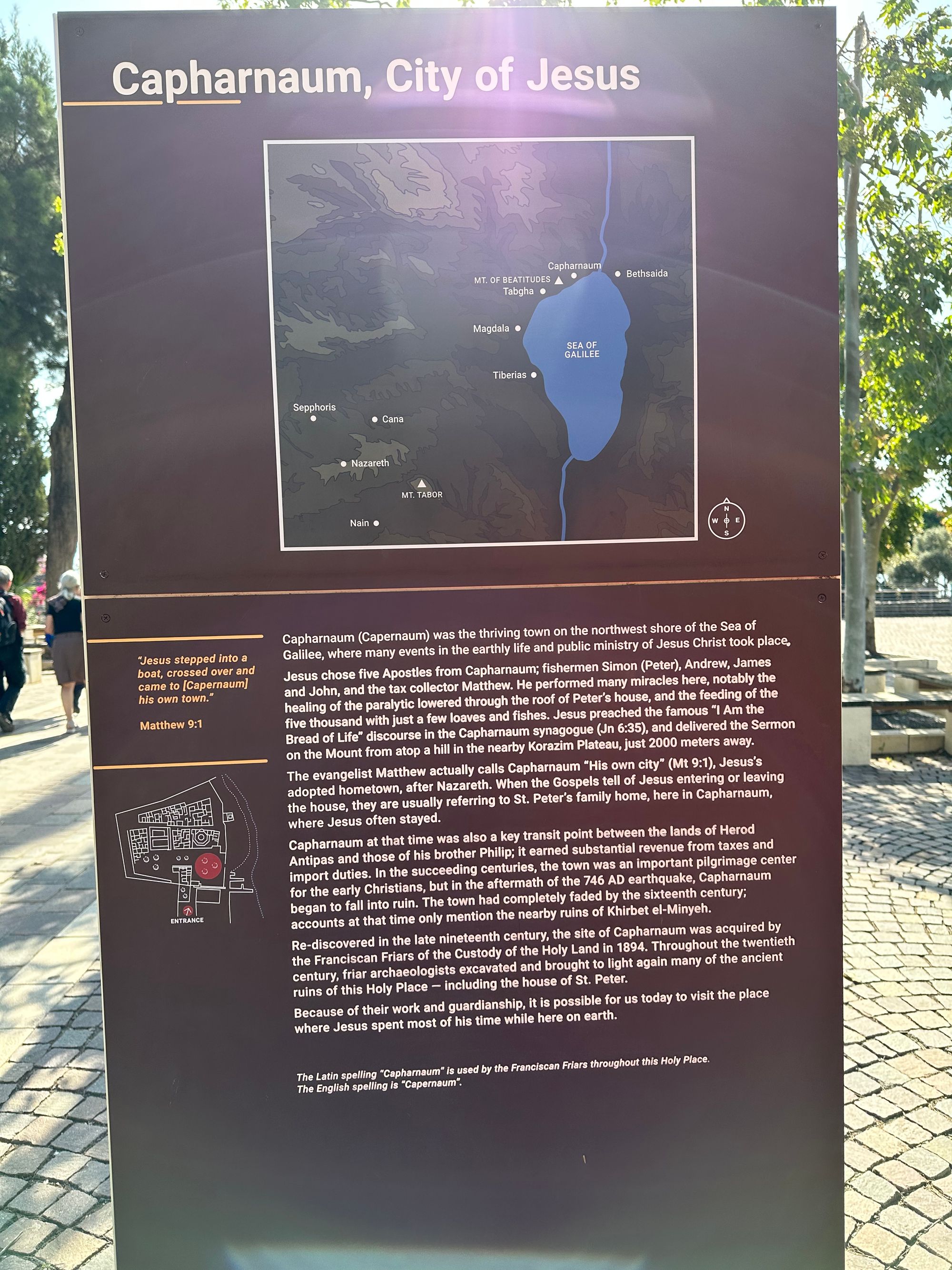
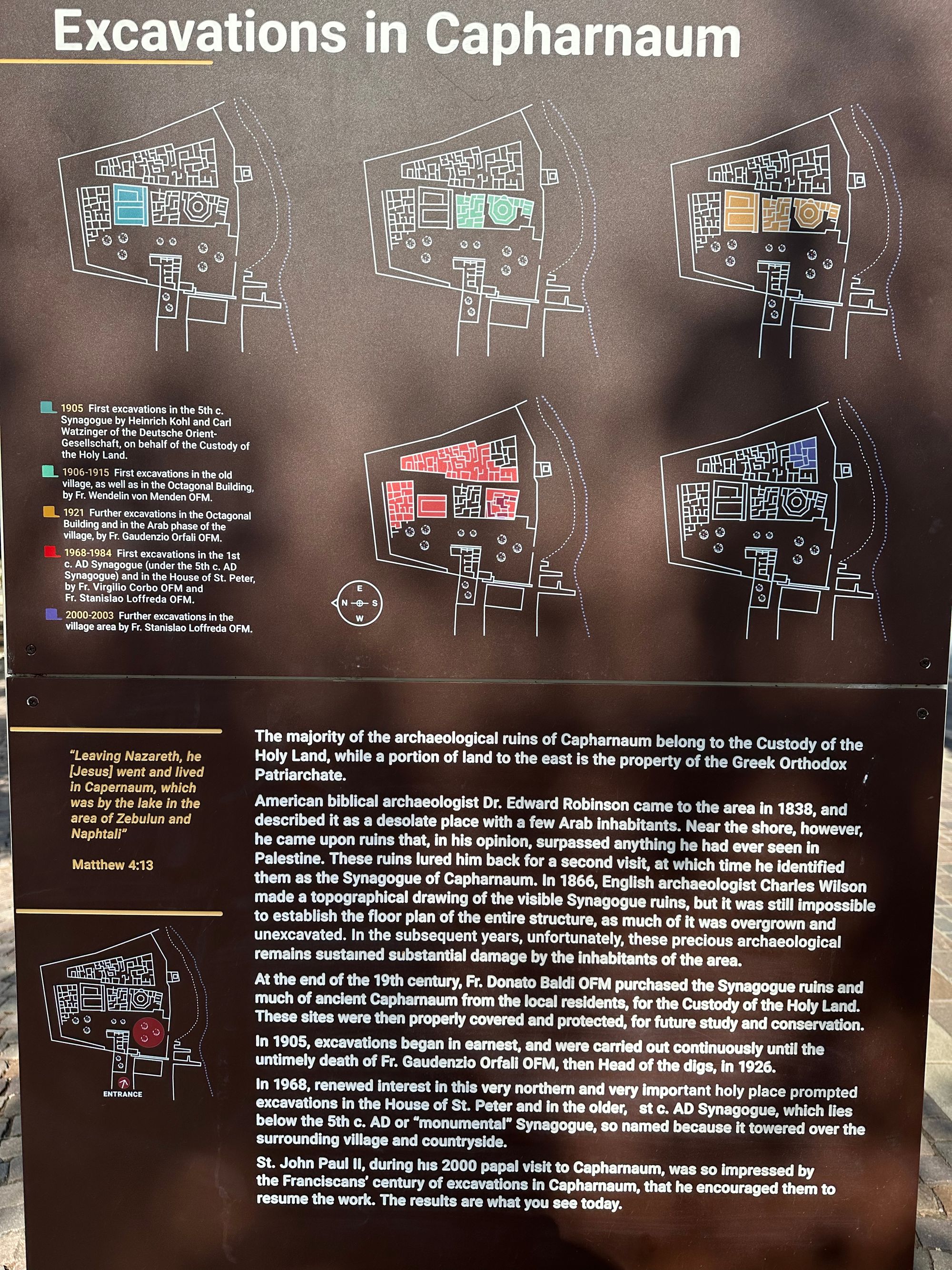
Benedictine church of the multiplication
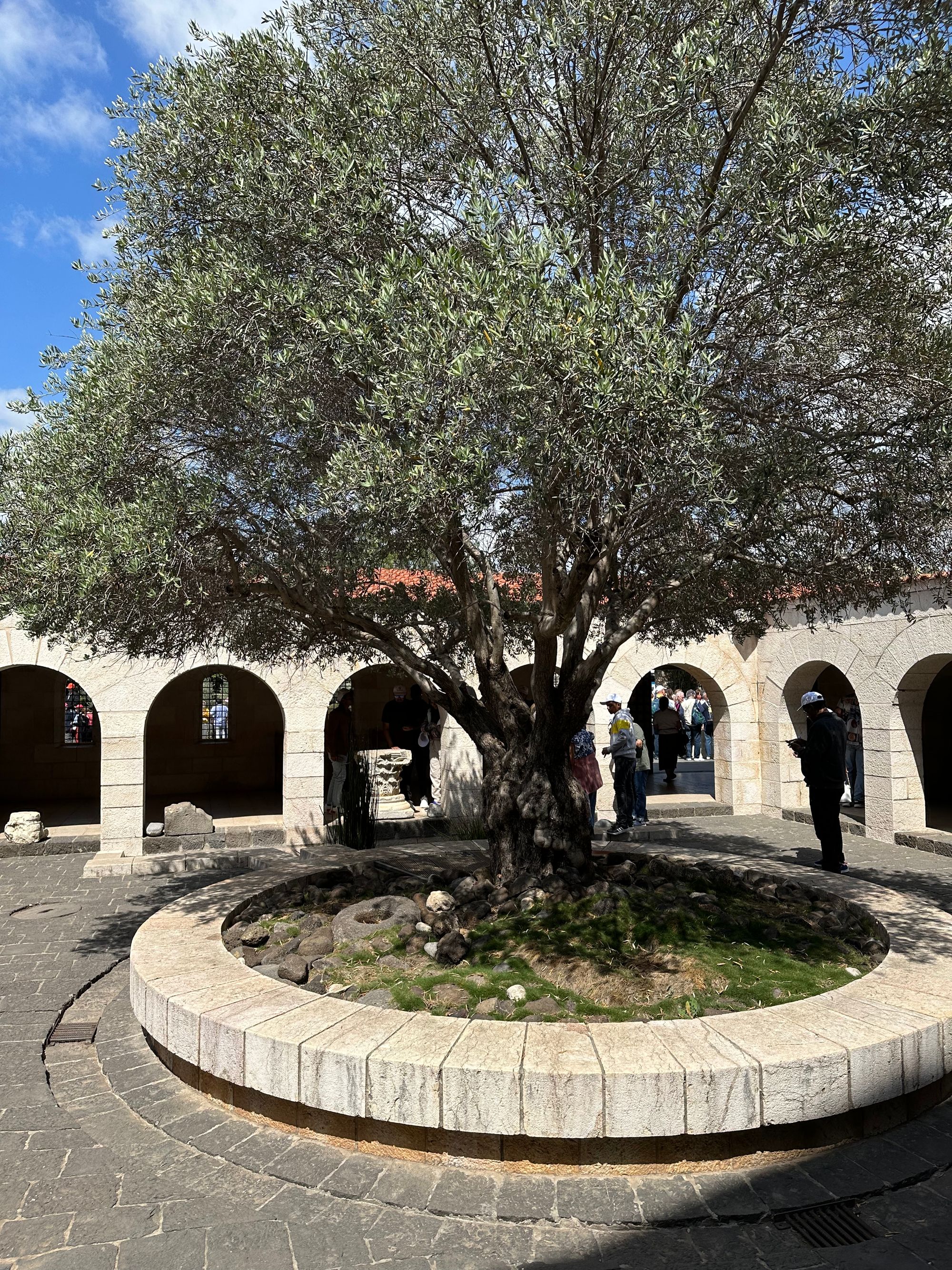
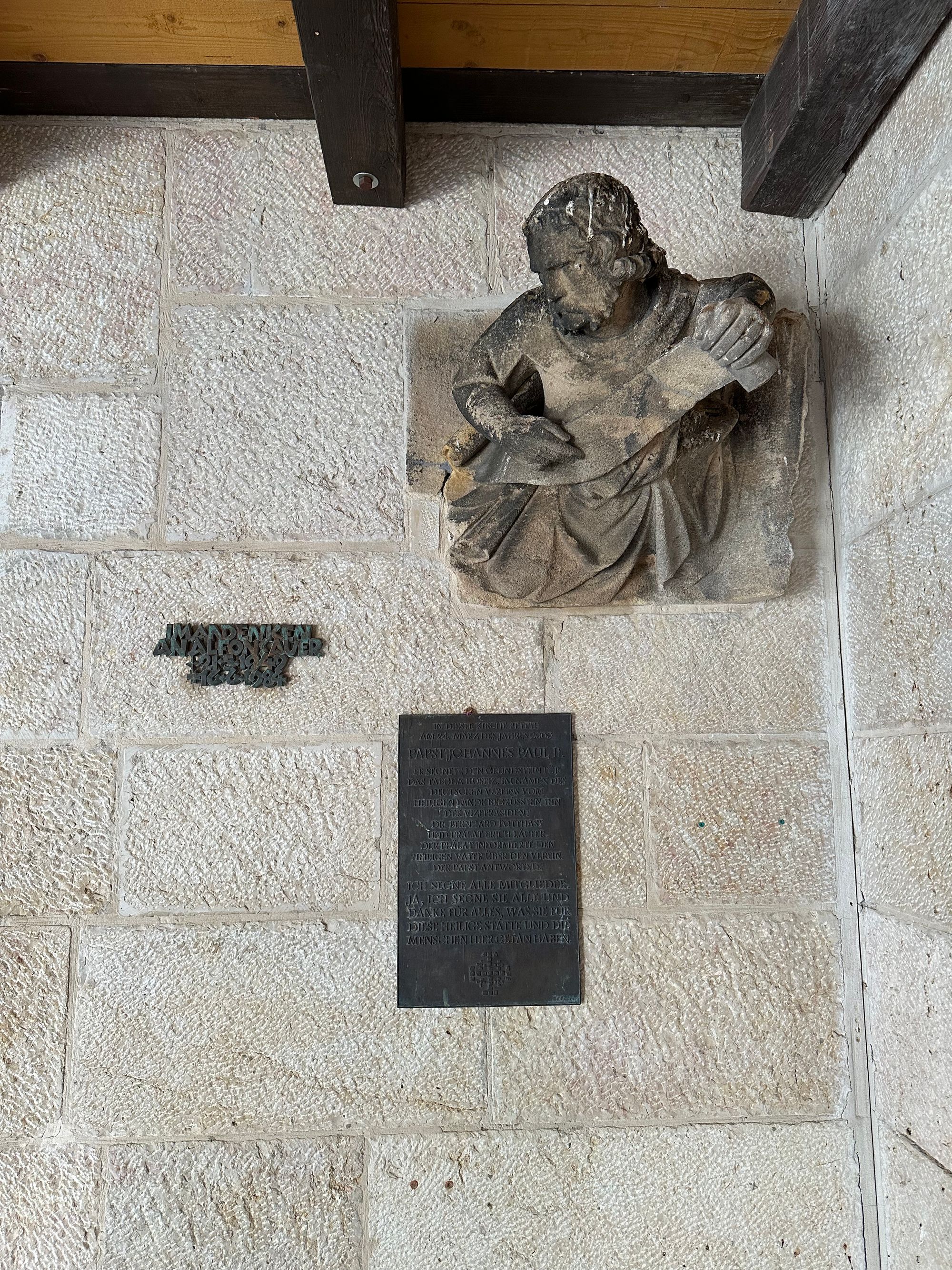
Also on the shores of the Sea of Galilee is the Church of the Multiplilcation. The original church is Byzantine and dates from 350 CE, it was destroyed in 600 CE by the Persians, and later rebuilt into what you see today in the 1900s.
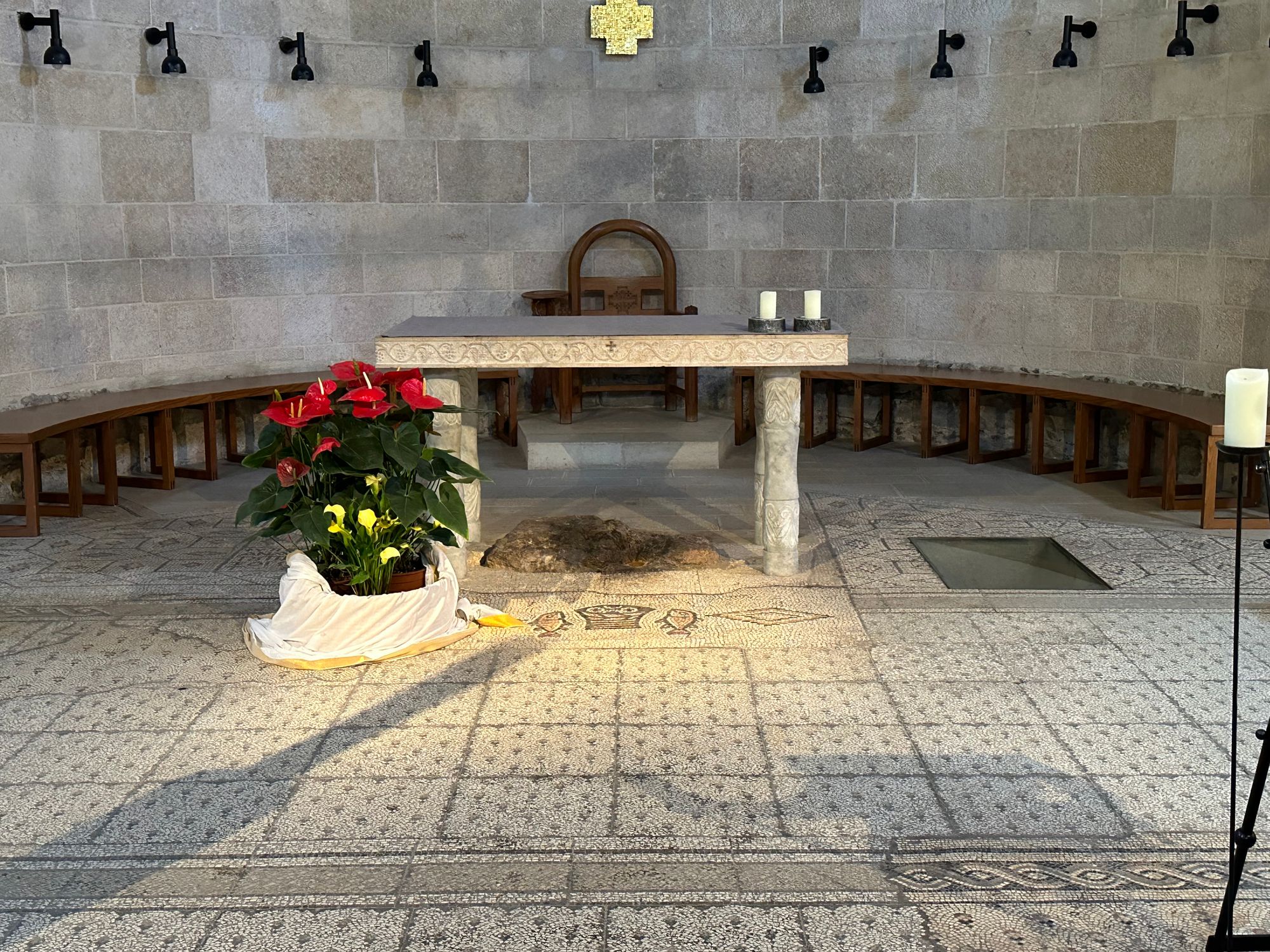
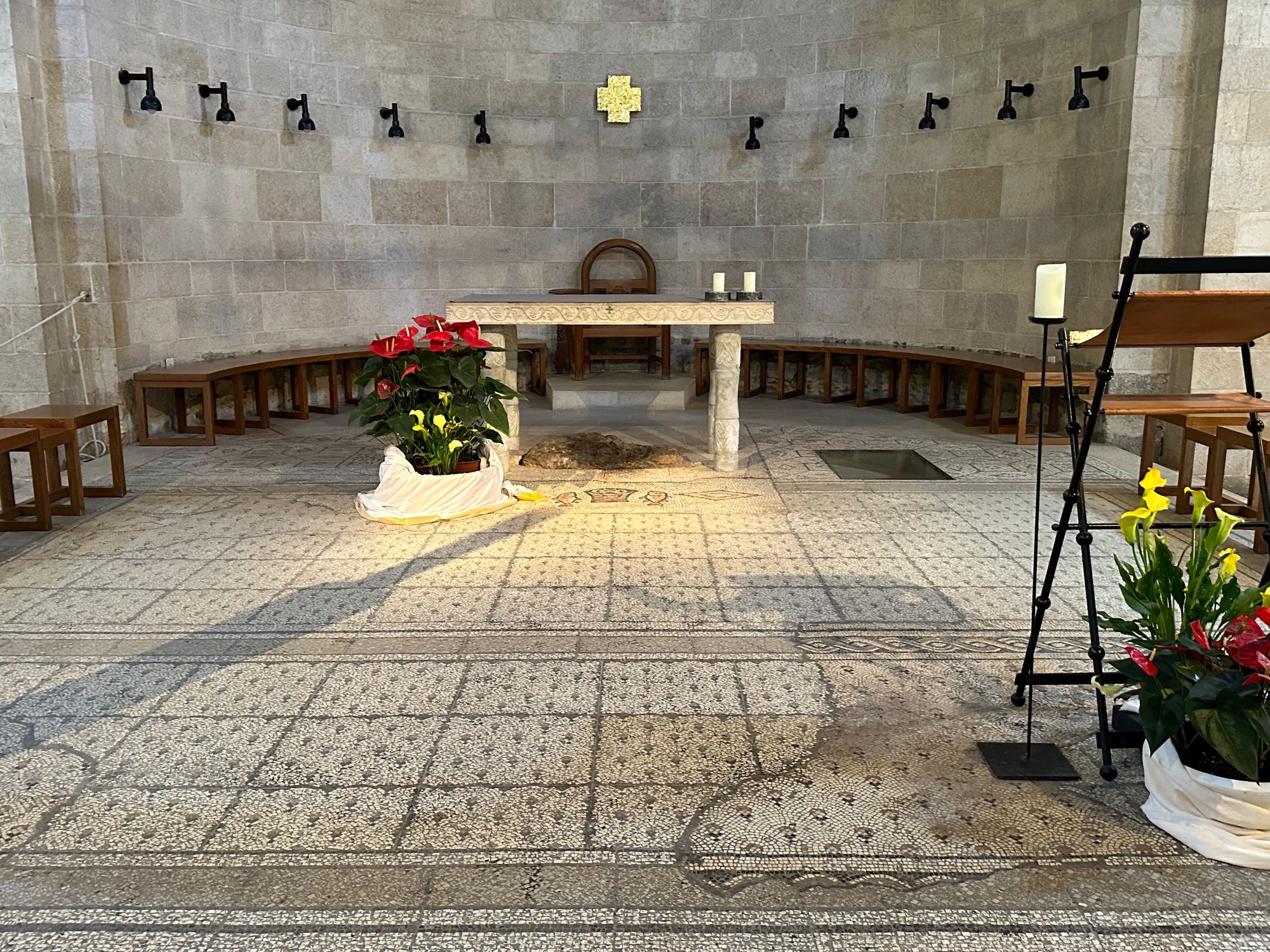
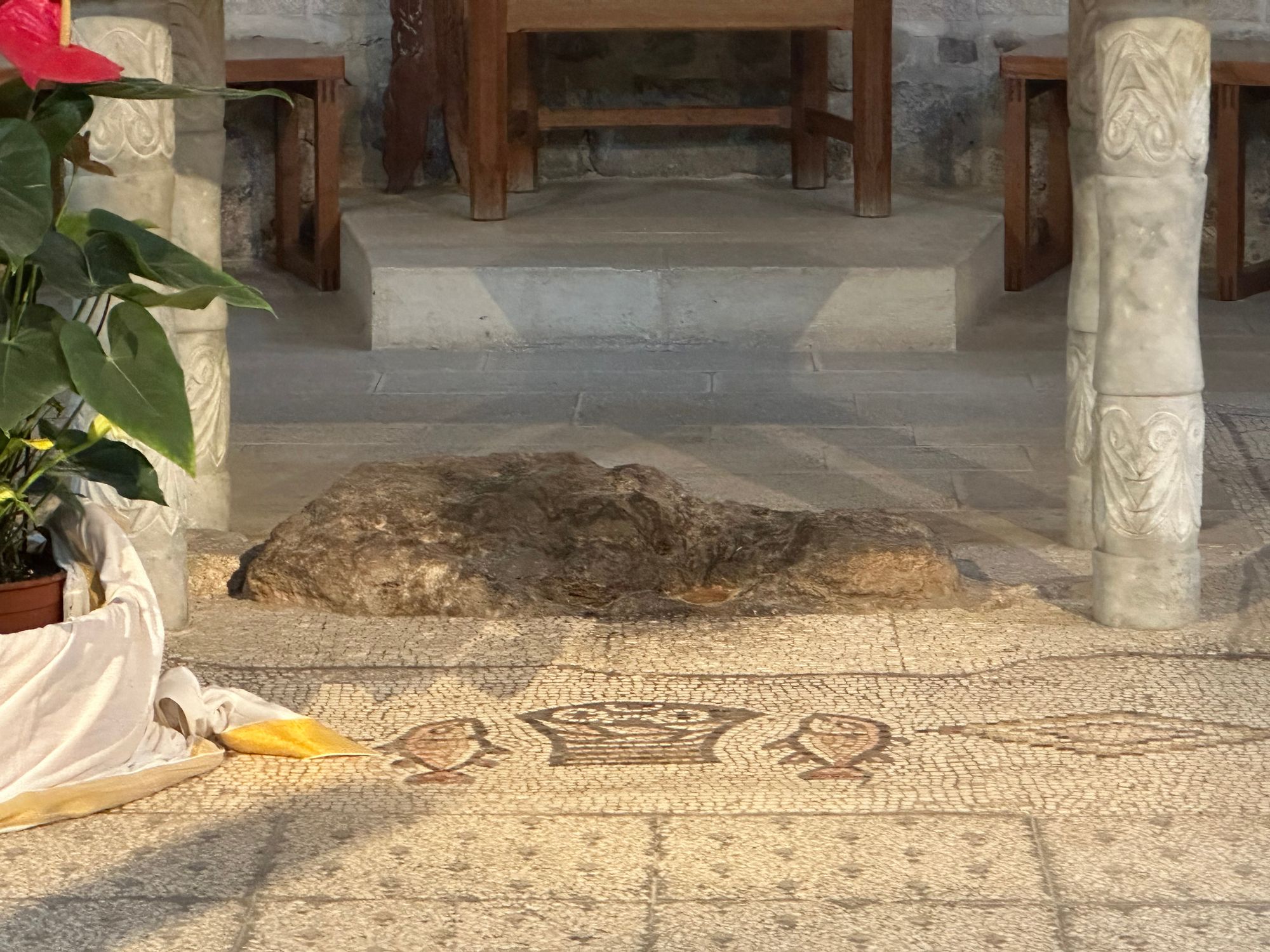
The mosaics date from the 5th or 6th century CE. One of the mosaics shows the tower that was used to measure the level of the Nile river in Egypt.
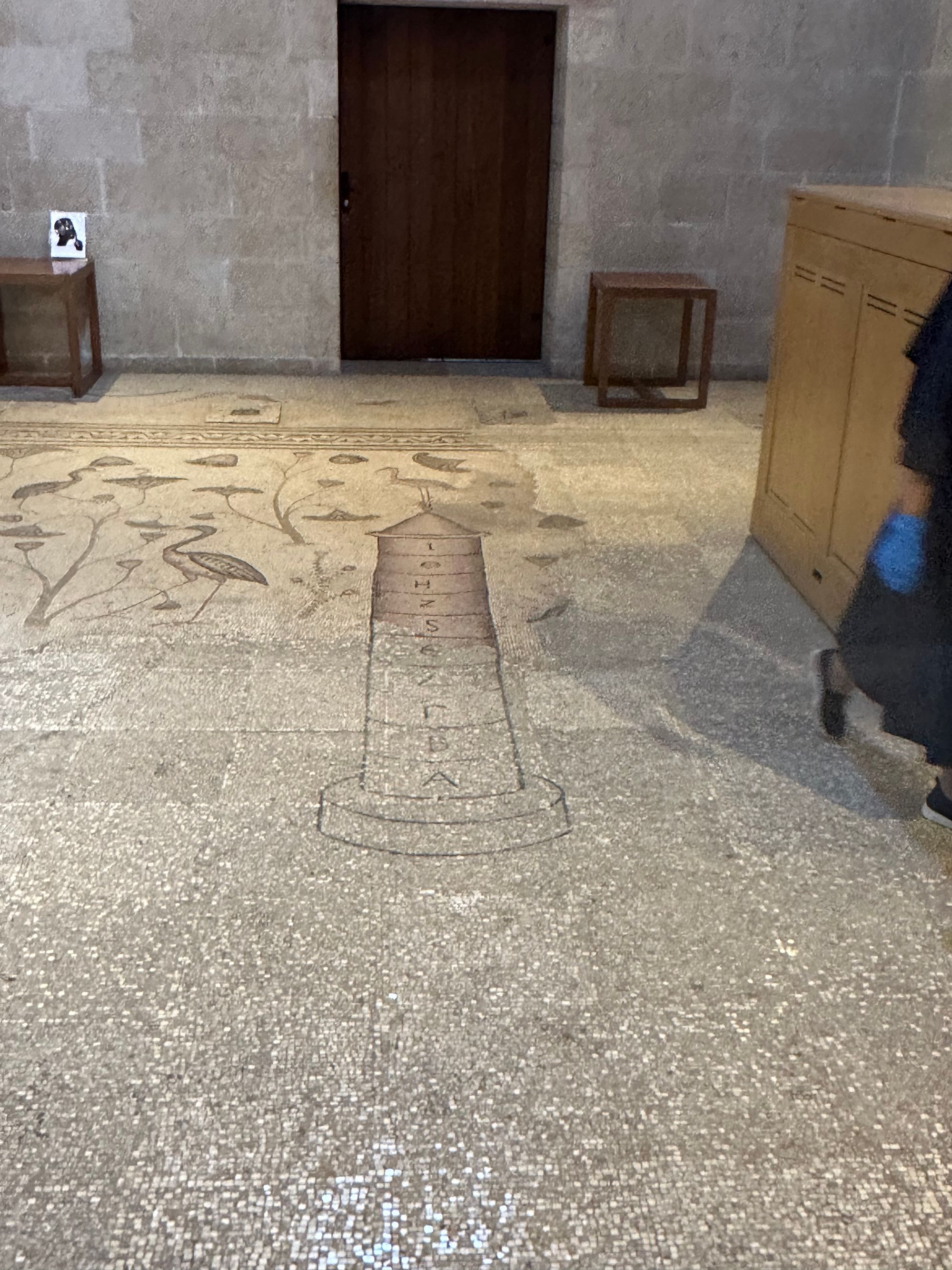
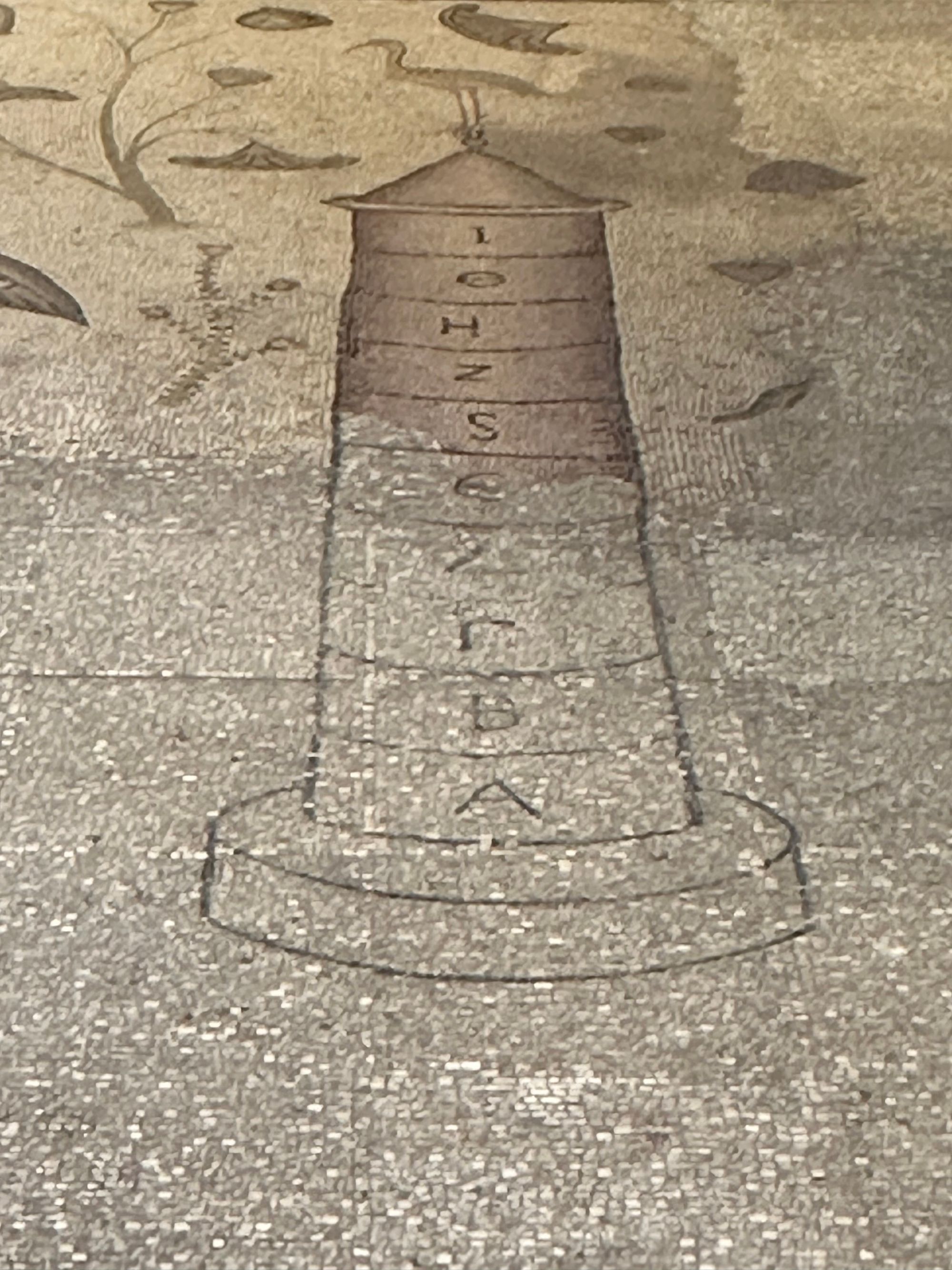
Nile river flood indicator depicted in mosaic dating from 400-500 CE
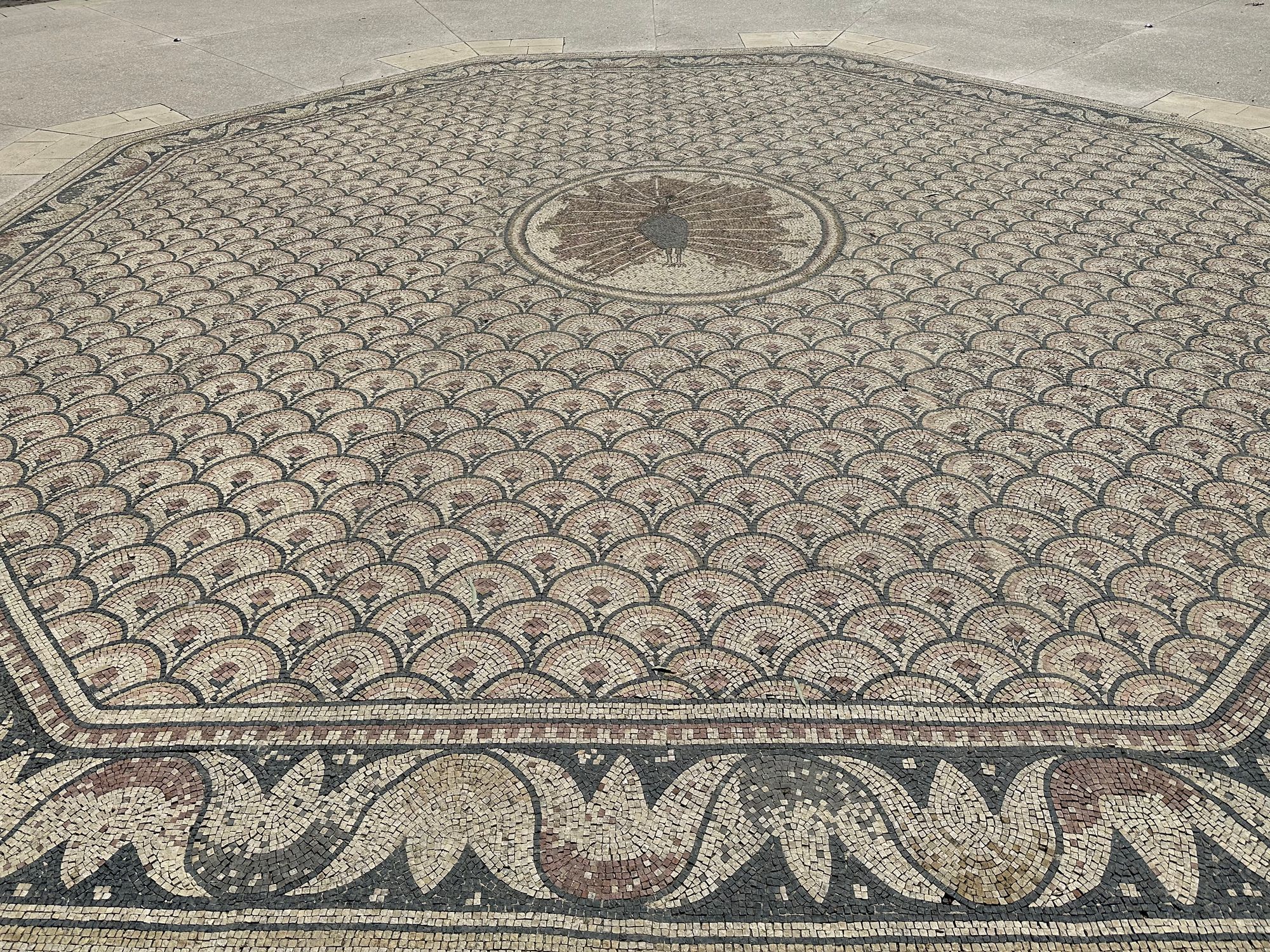
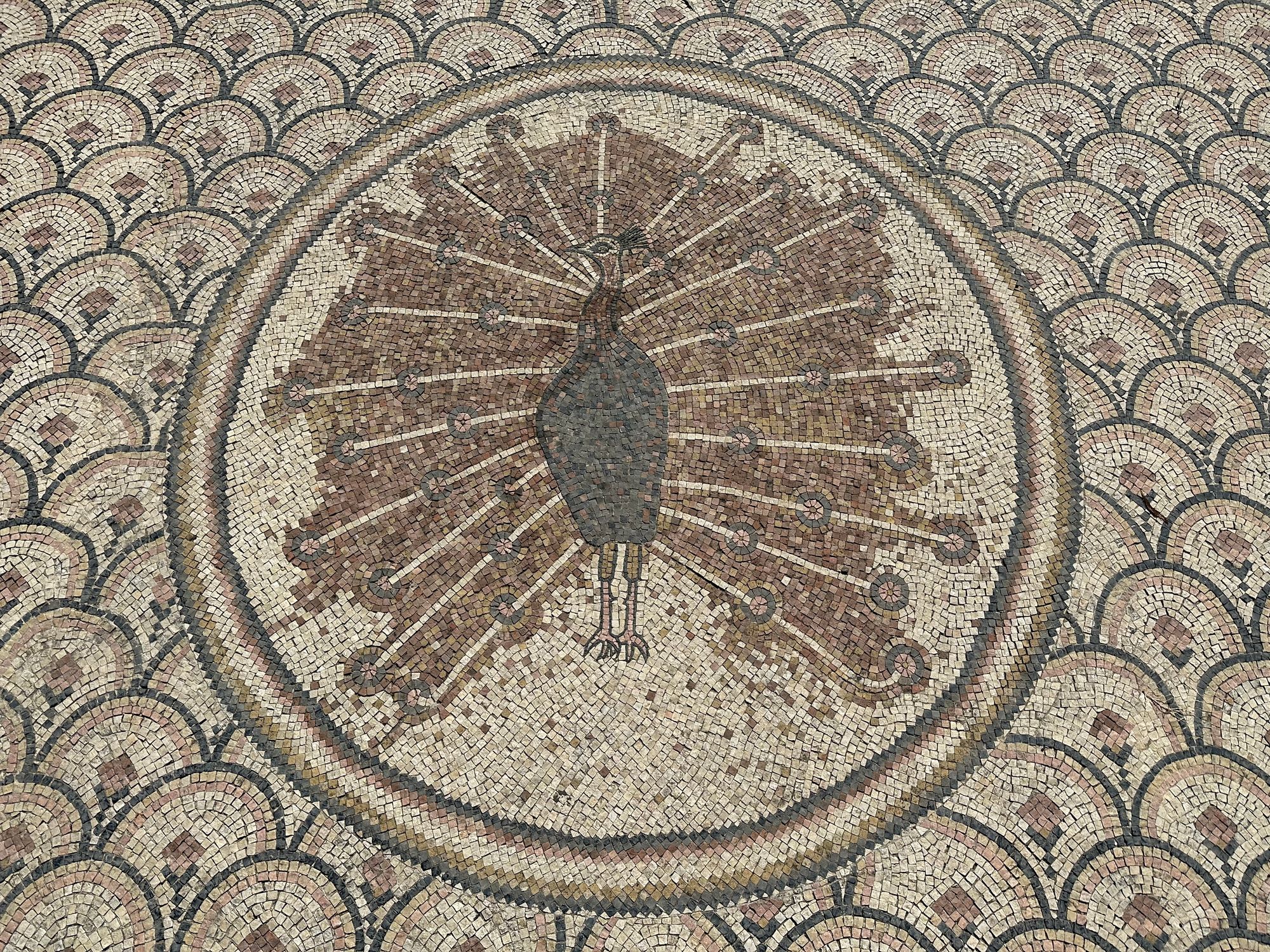
Additional mosaic showing a peacock which is a symbol of Jesus
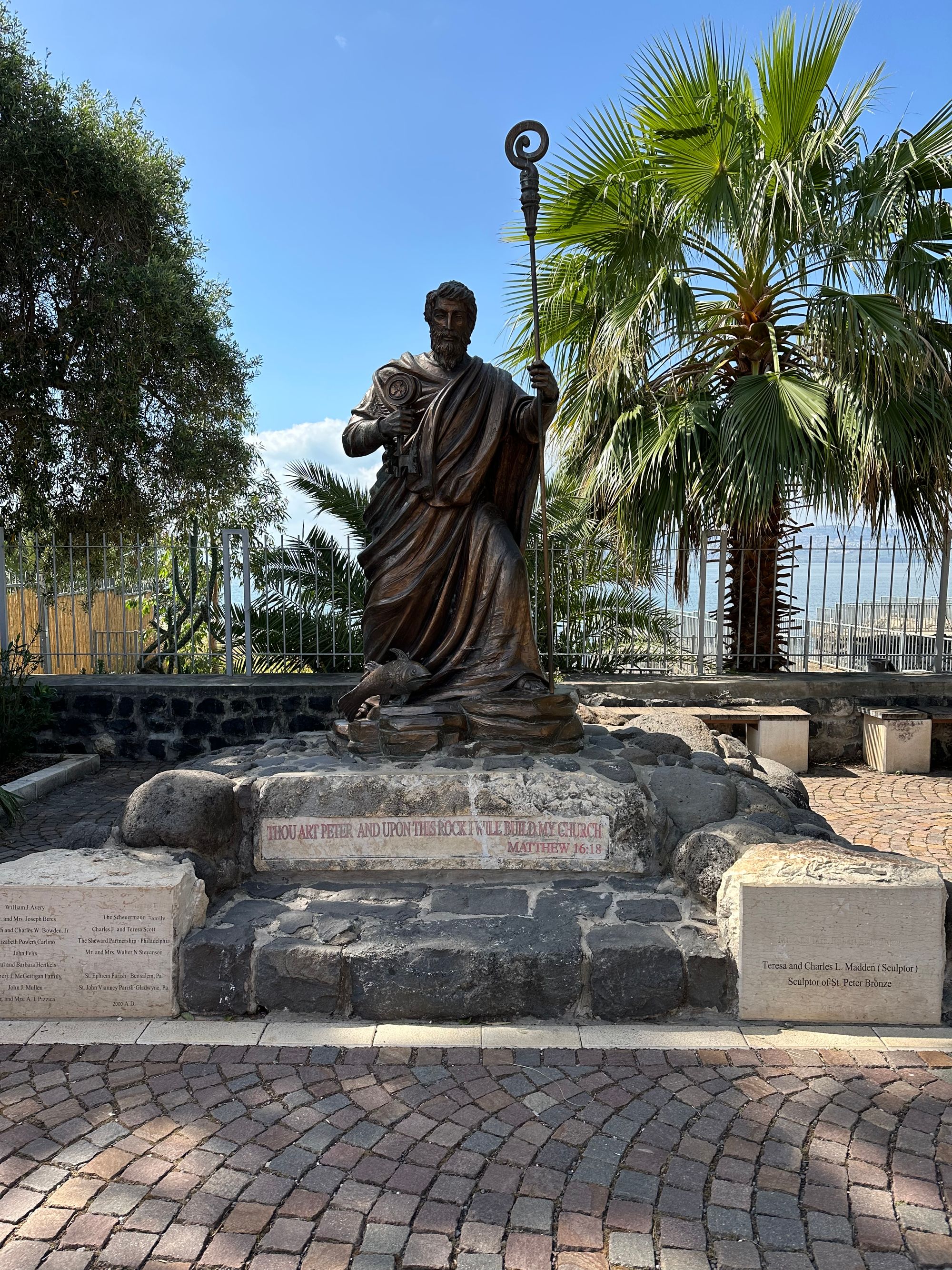
Magdala
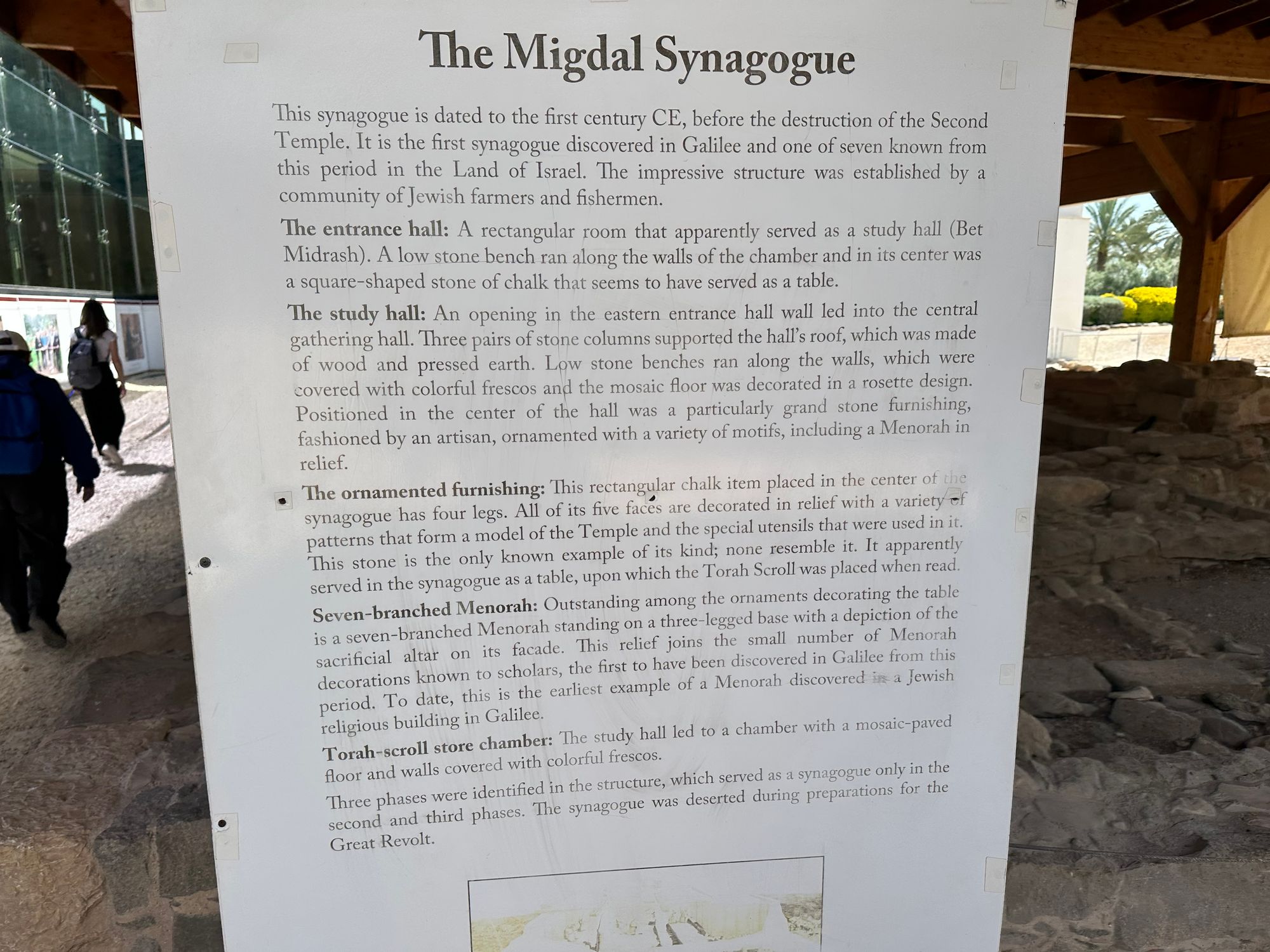
The synagogue at Magdala is also on the shore of the Sea of Galilee. It dates from tame period as Capharnaum (aproximately the year 0). However the ruins found indicate a single layer of buildings, so everything dates from biblical times.
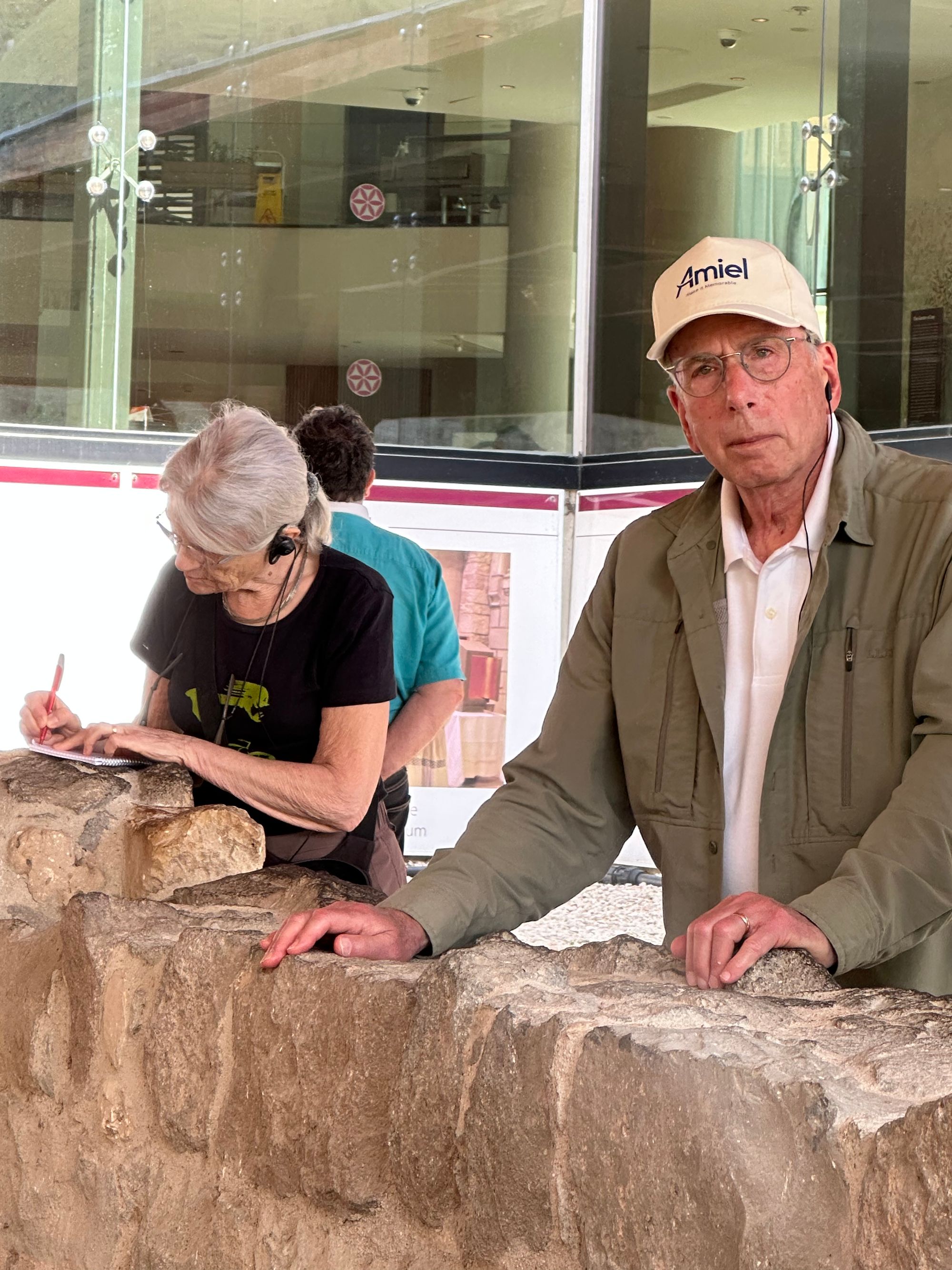
The land was originally owned by Franciscans who purchased the area because of its link to Mary Magdalen (this would have been her home town). They didn't find much initially.
The land was then purchased by a wealthy Mexican family (from a Catholic offshoot) who wanted to build a hotel near the area of Mary Magdalen in the 1990s. While using the bulldozer, they suddenly found some mosaics and excavation of the archaeological site then took place over 15 years.
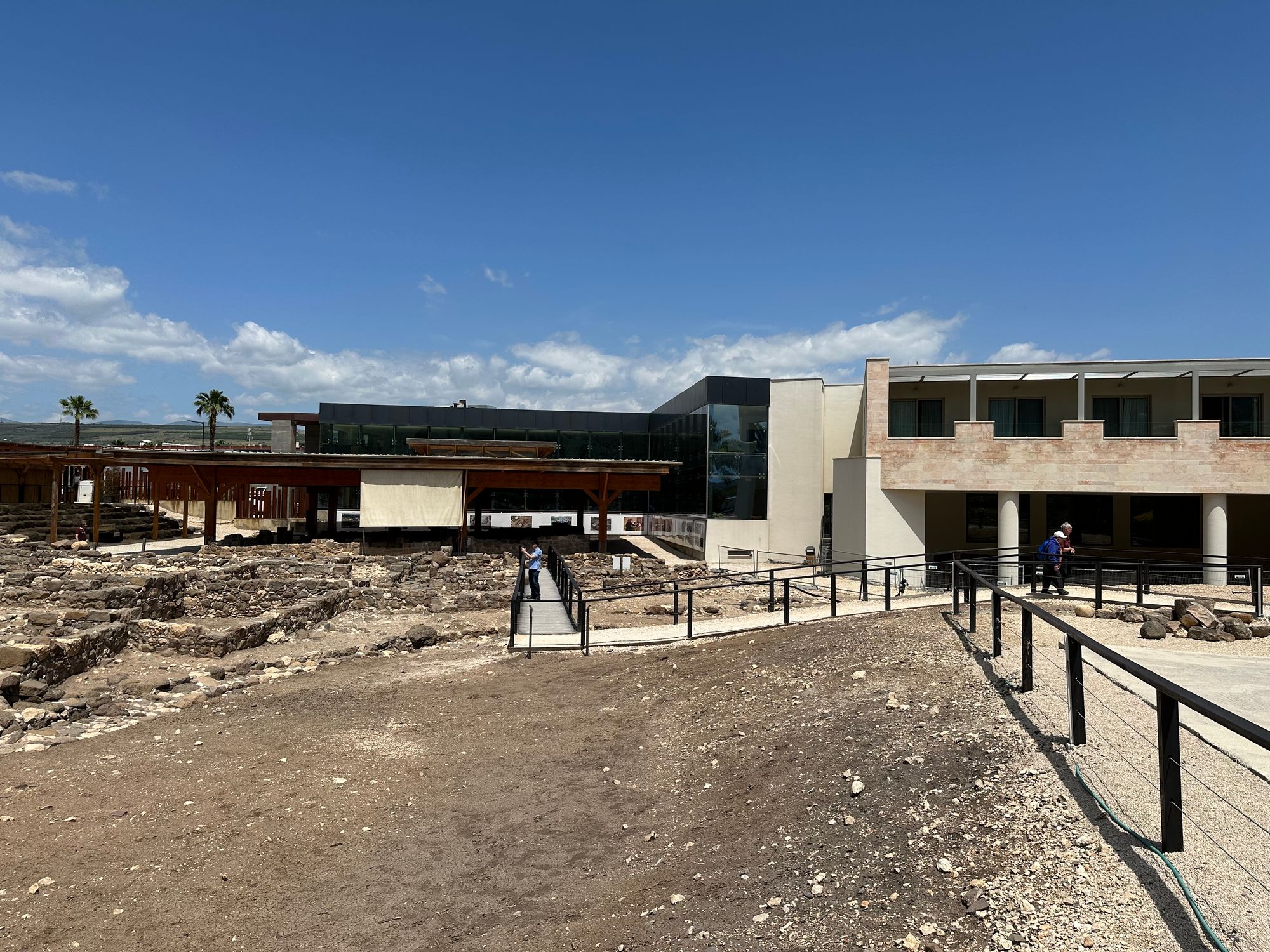
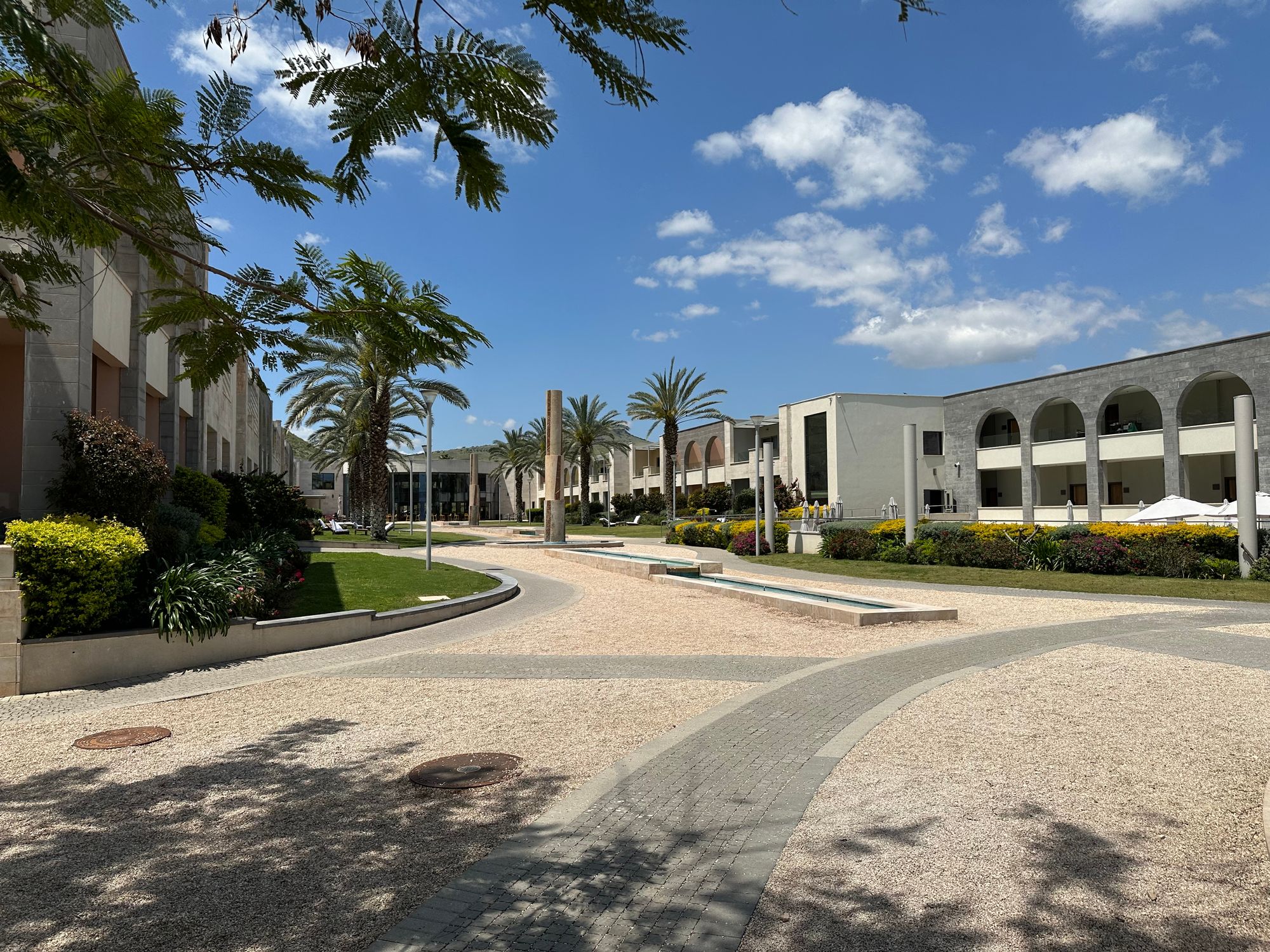
Hotel that was redisigned due to discovery of archaeological site
On the site of the synagogue, the mosaics conserved properly, as they were found.
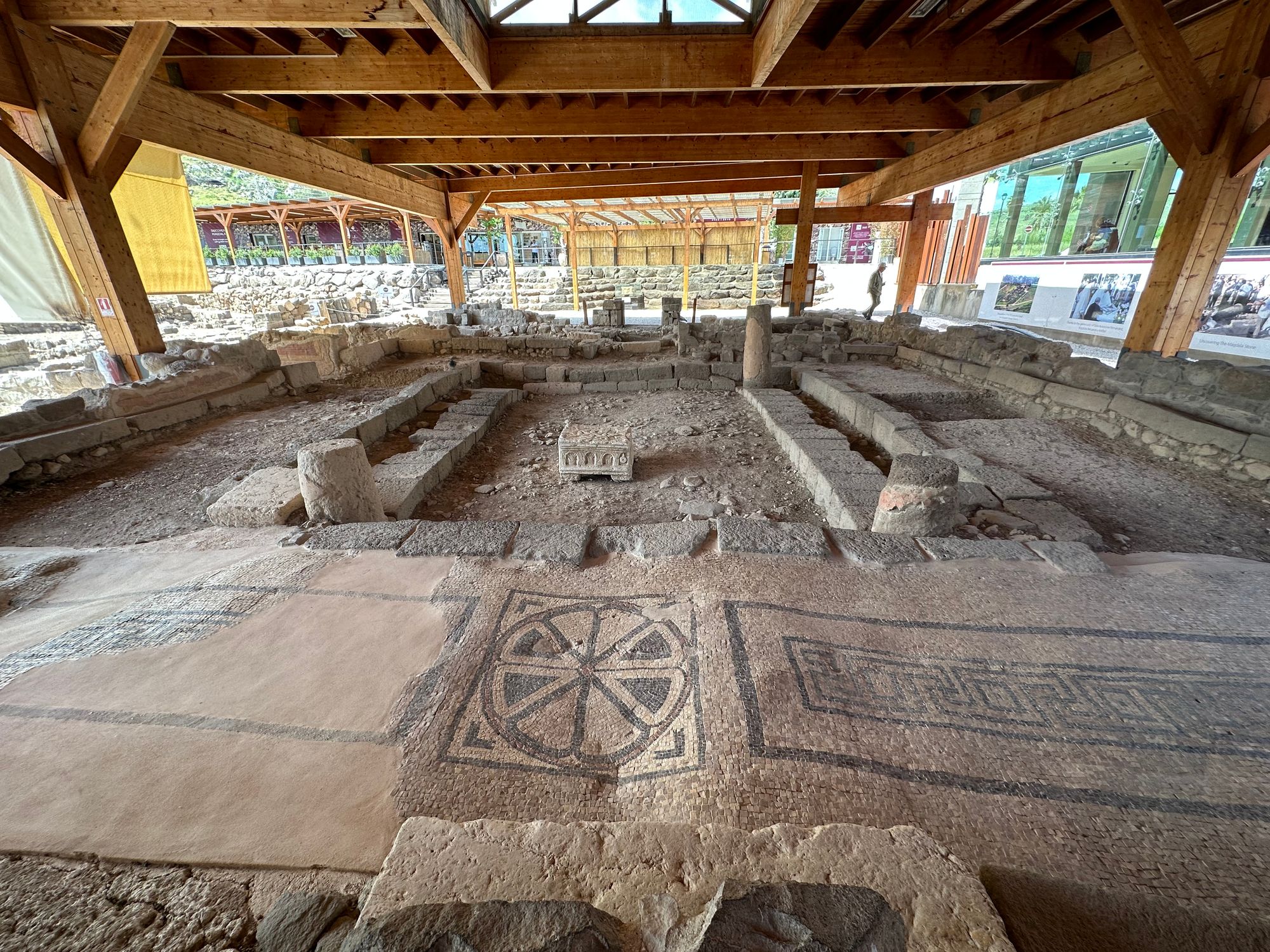
Synagogue dates from the time of Jesus and was very well preserved thanks to the mud that covered the city. This is another synagogue where Jesus almost certainly preached.
It's also mentioned by Flavius Josephus, The Wars of the Jews, which is an account of the destruction of the second Temple in 70CE.
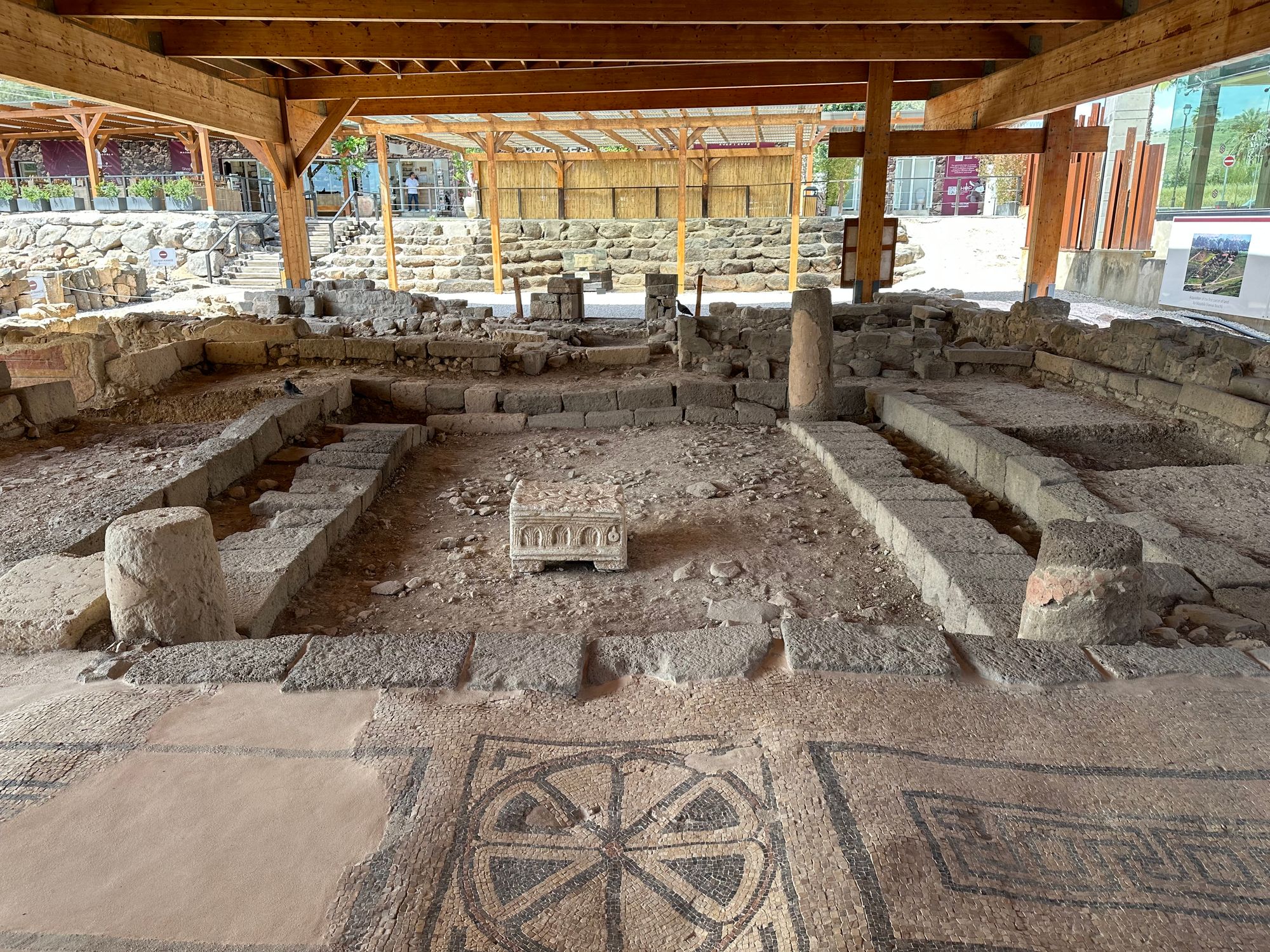
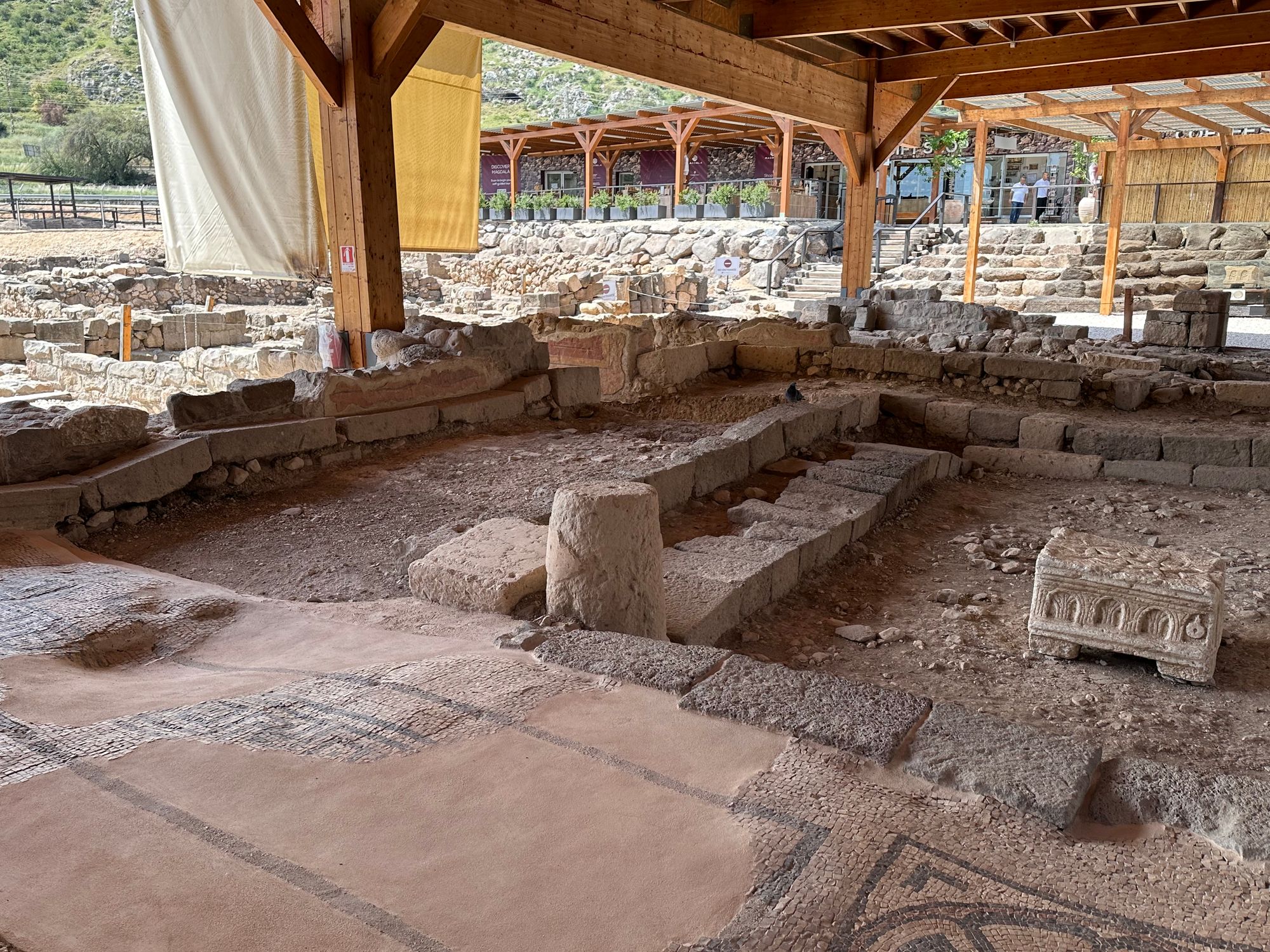
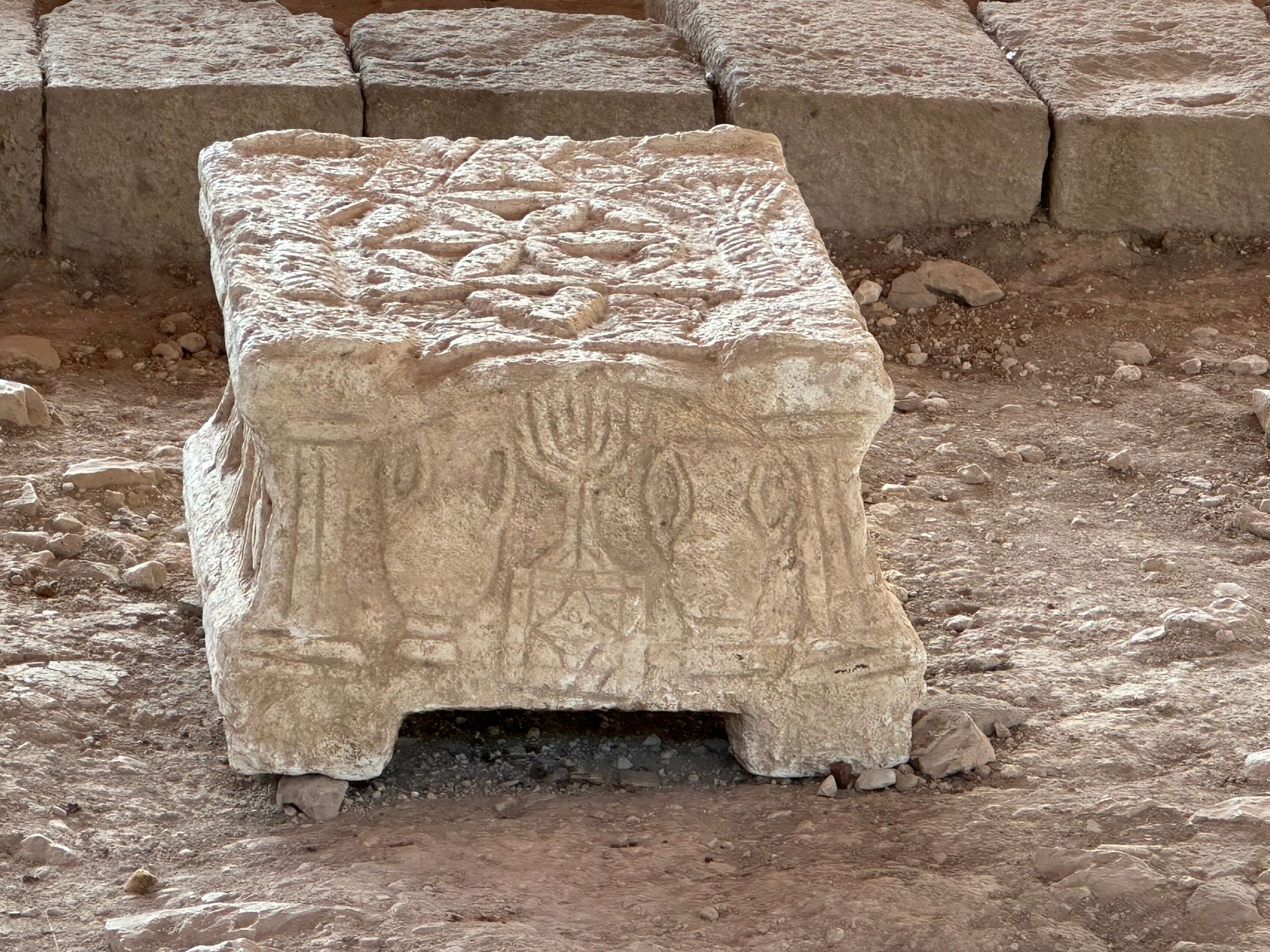
More shots of the synagogue
A stone was found where the biblical text sat. It was uncovered in the middle of the city, buried, likely as a way to protect it during invasion. The stone shows an artist's representation of the second temple.
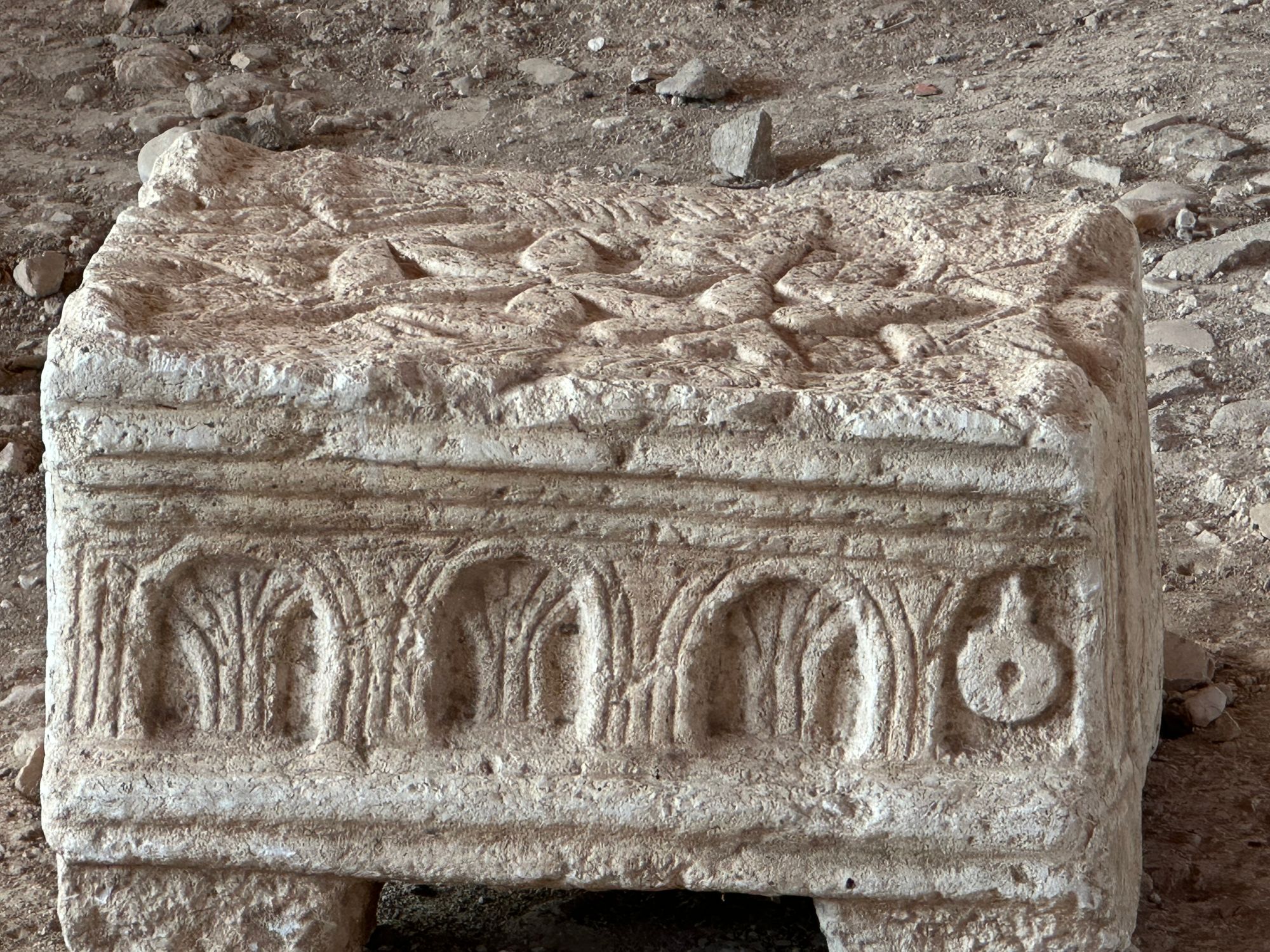
Stone for the biblical text
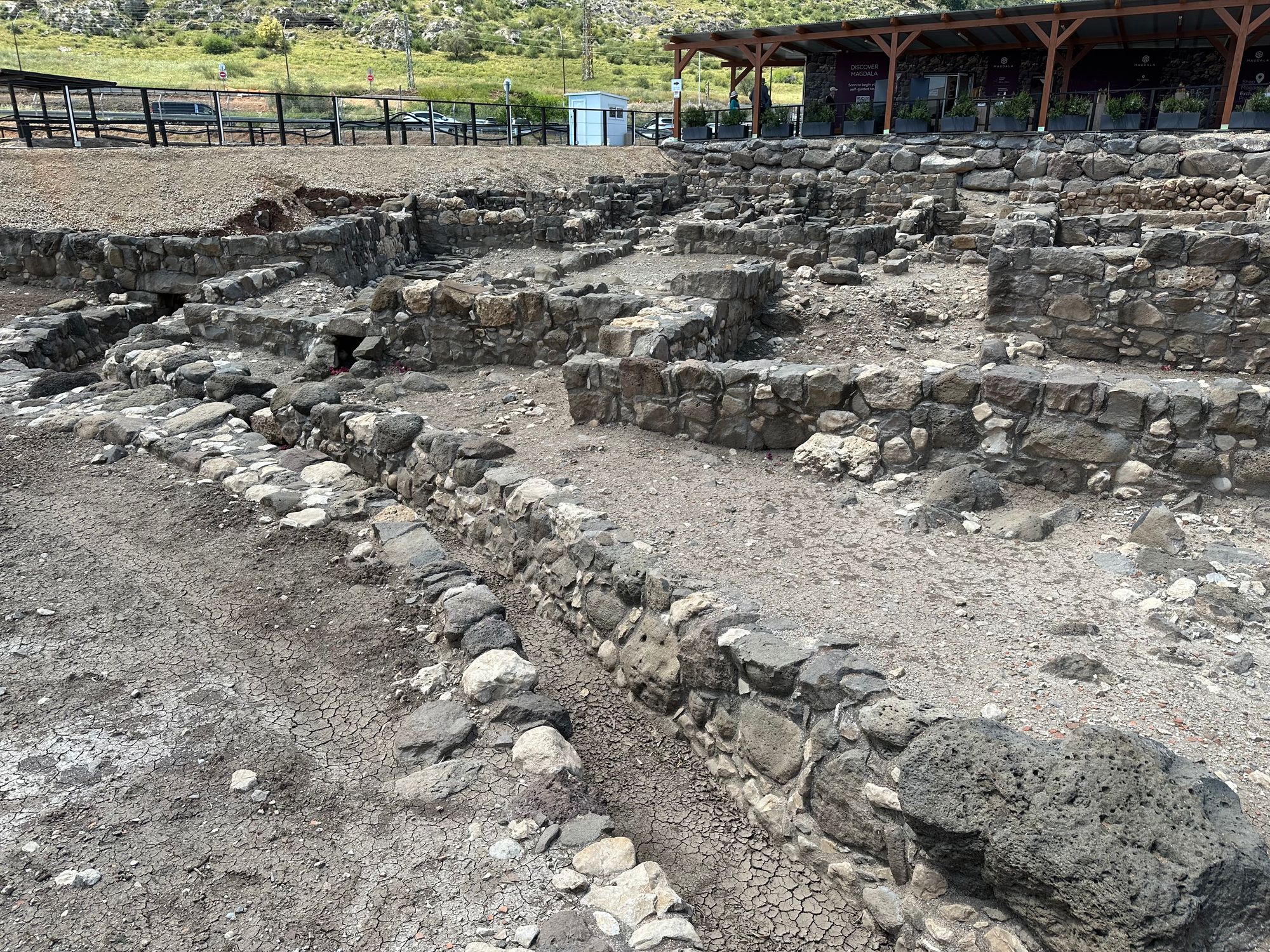
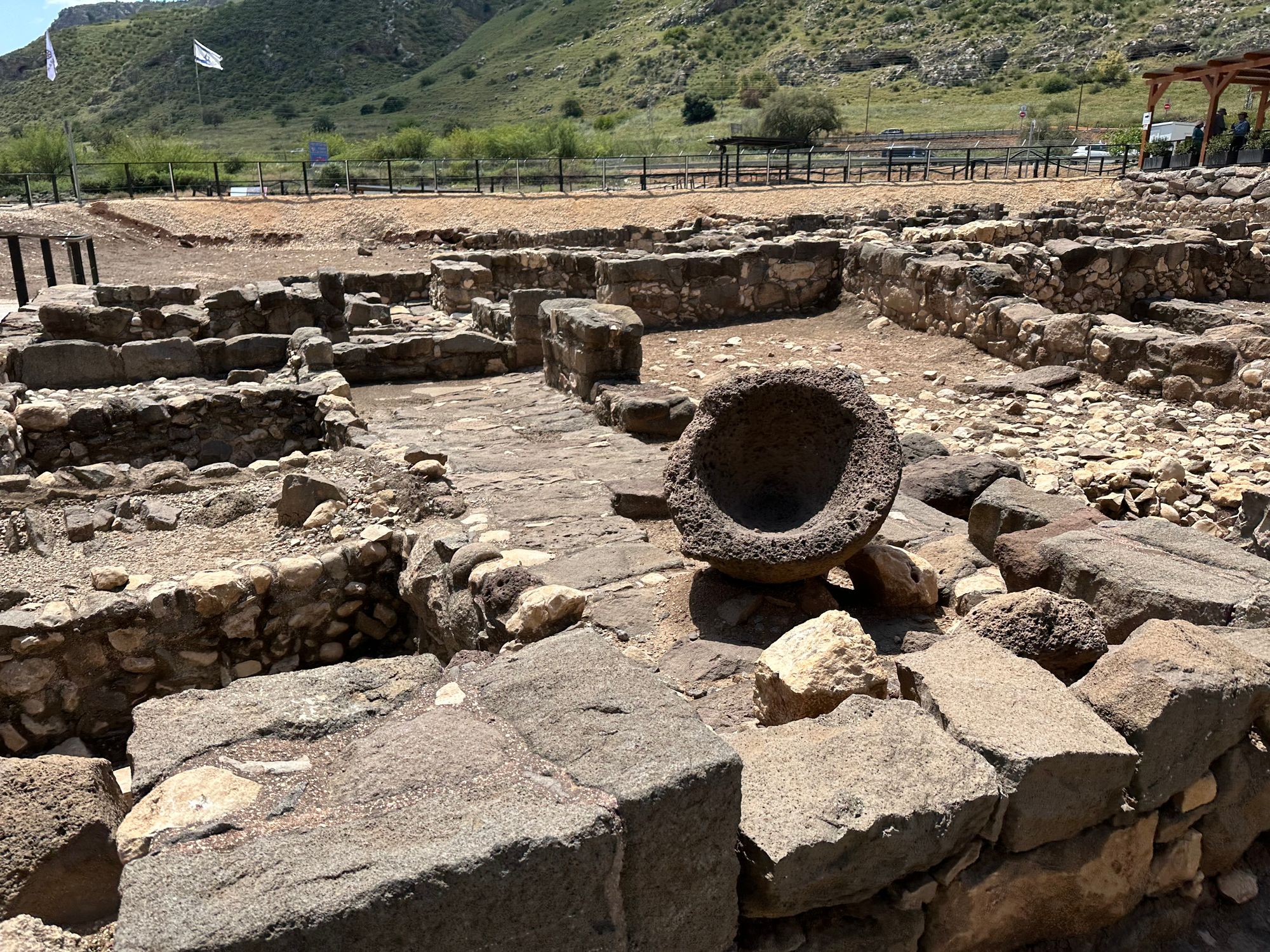
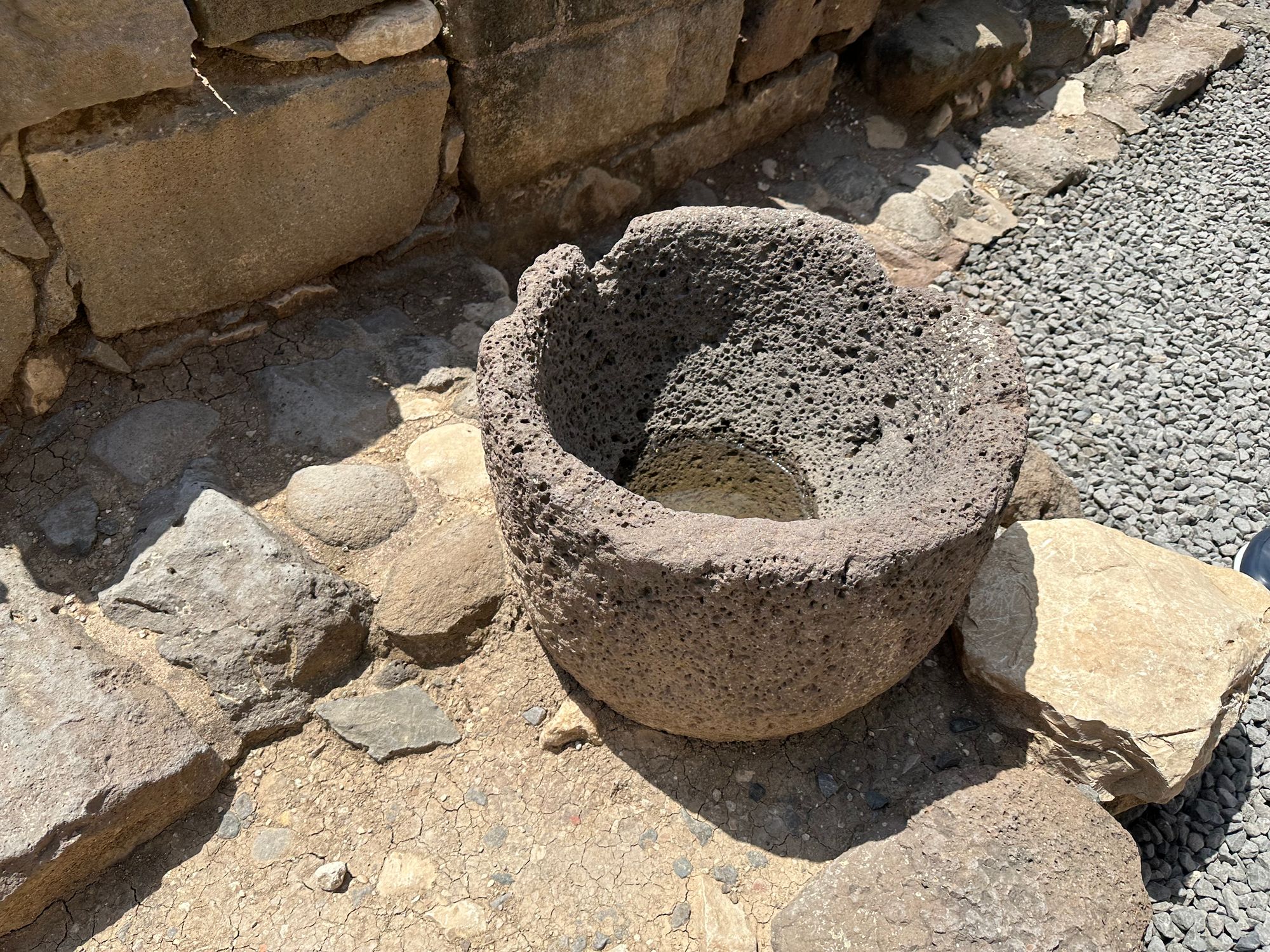
Village of Magdala
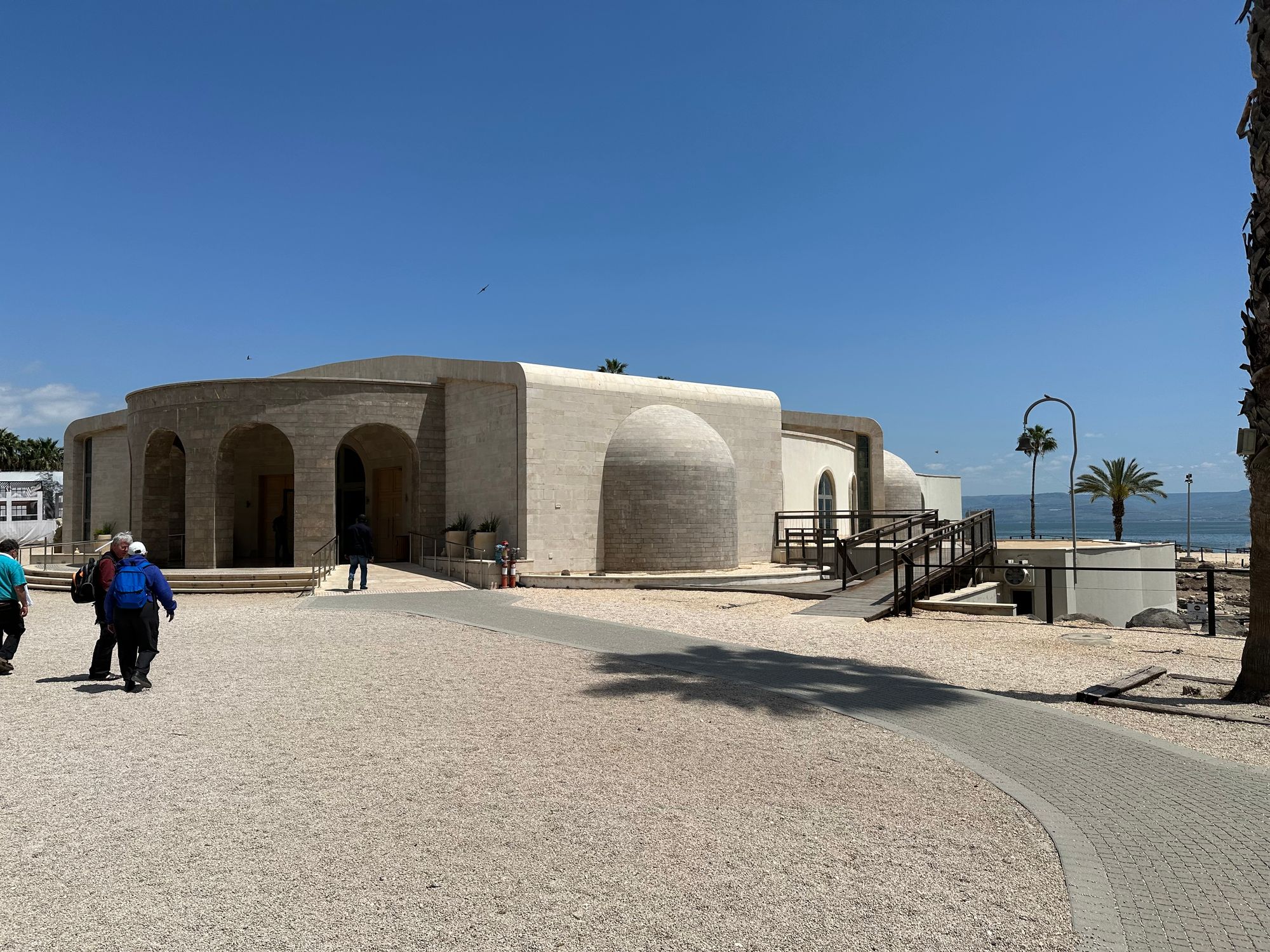
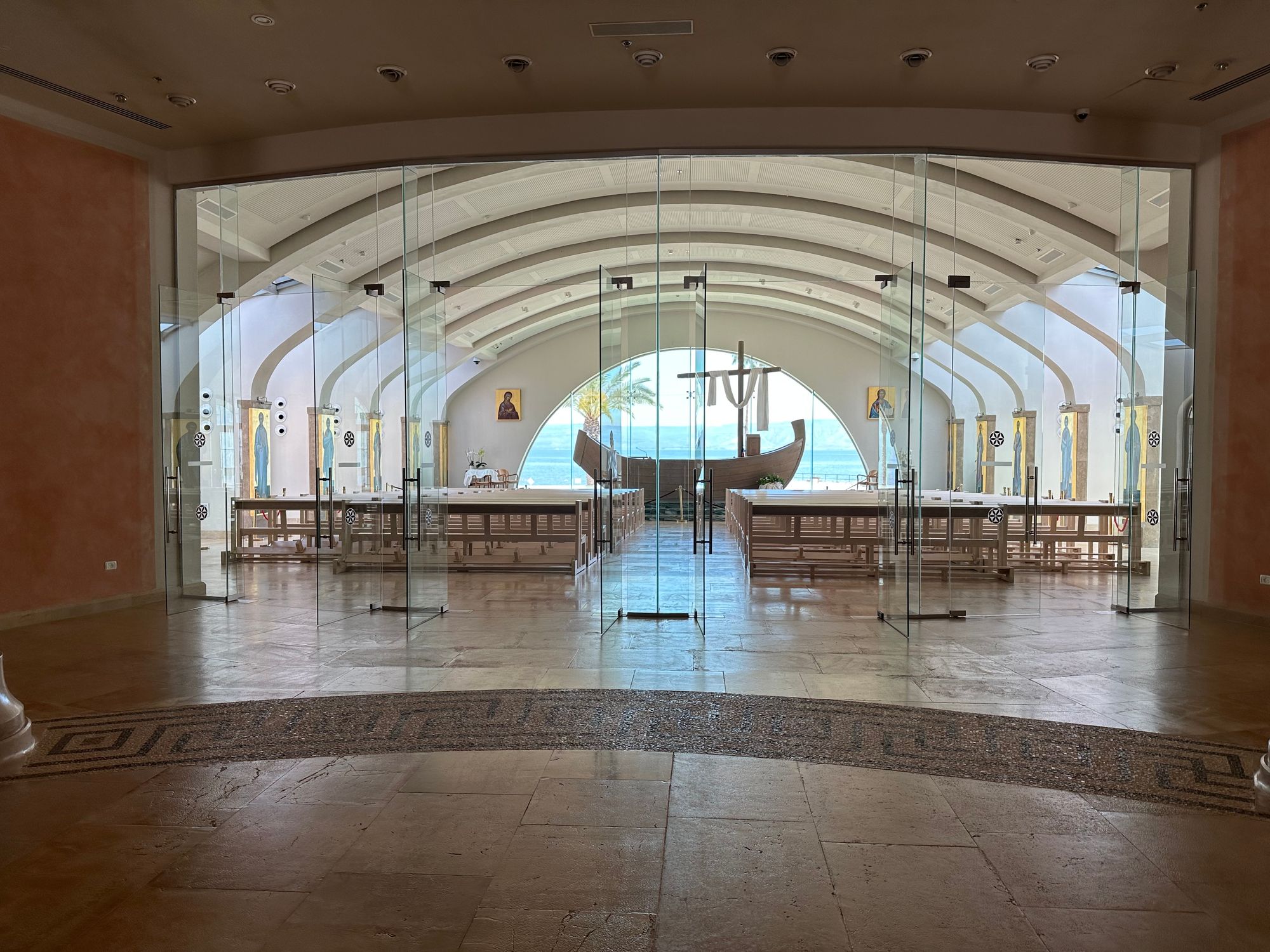
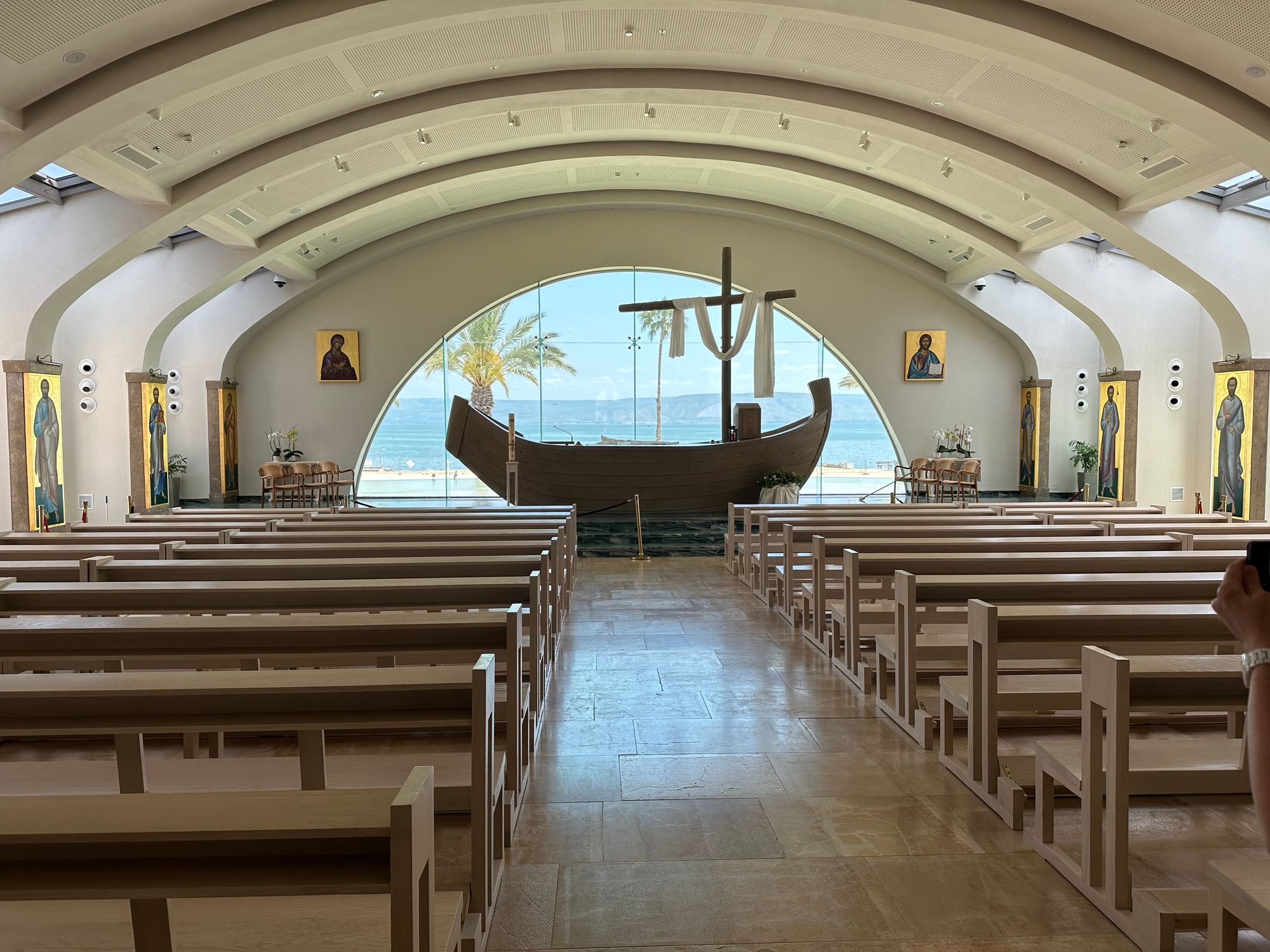
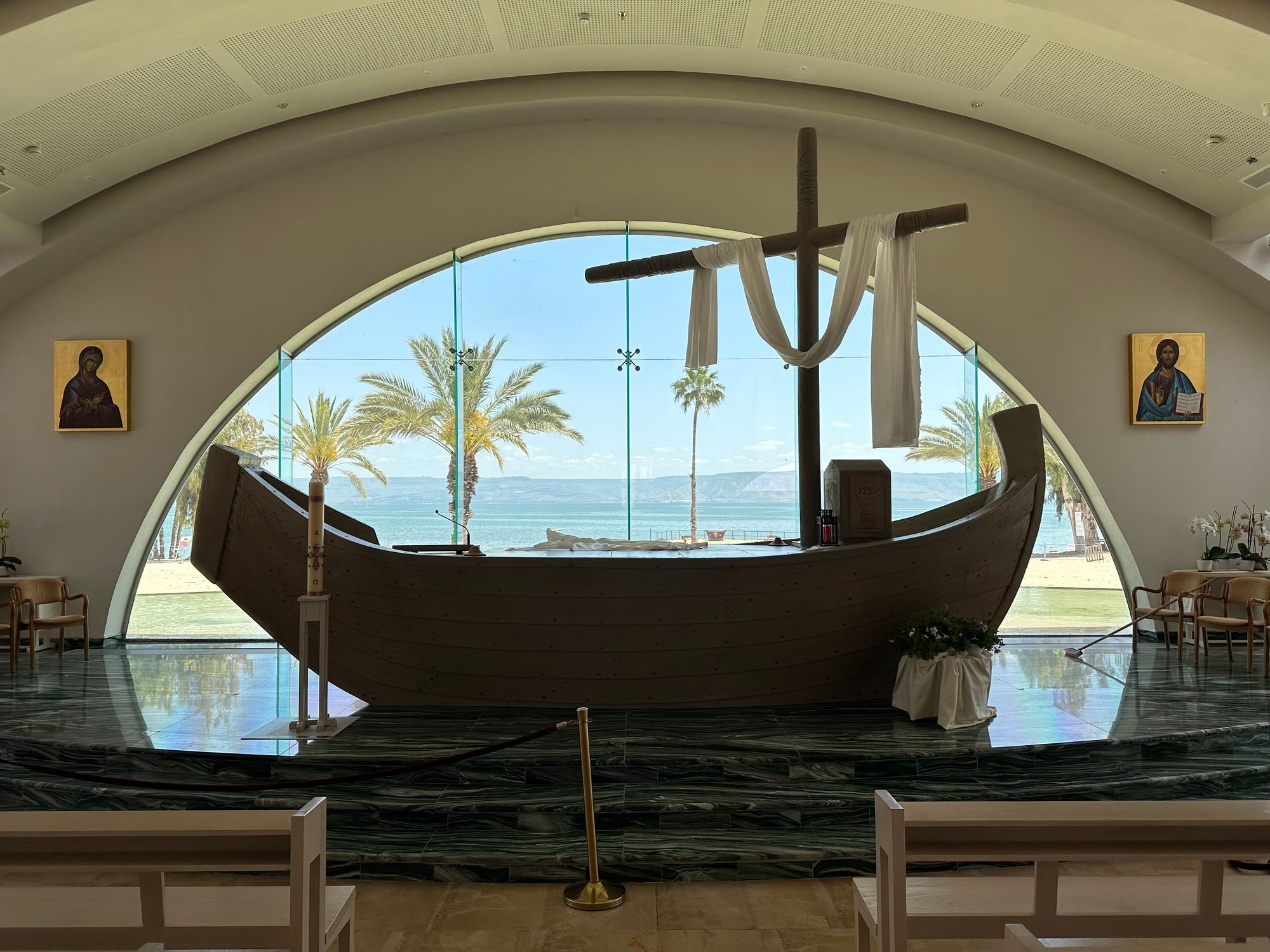
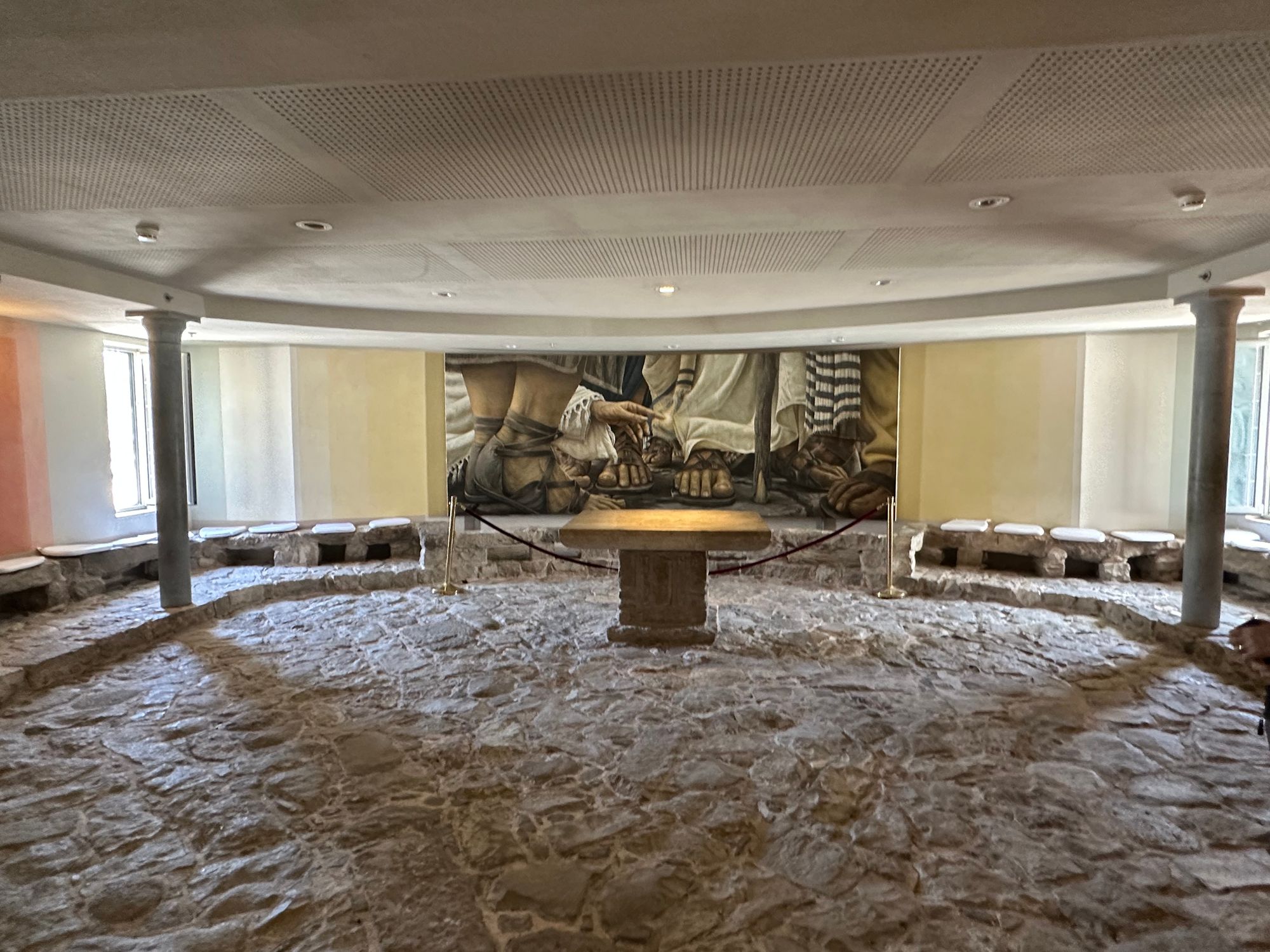
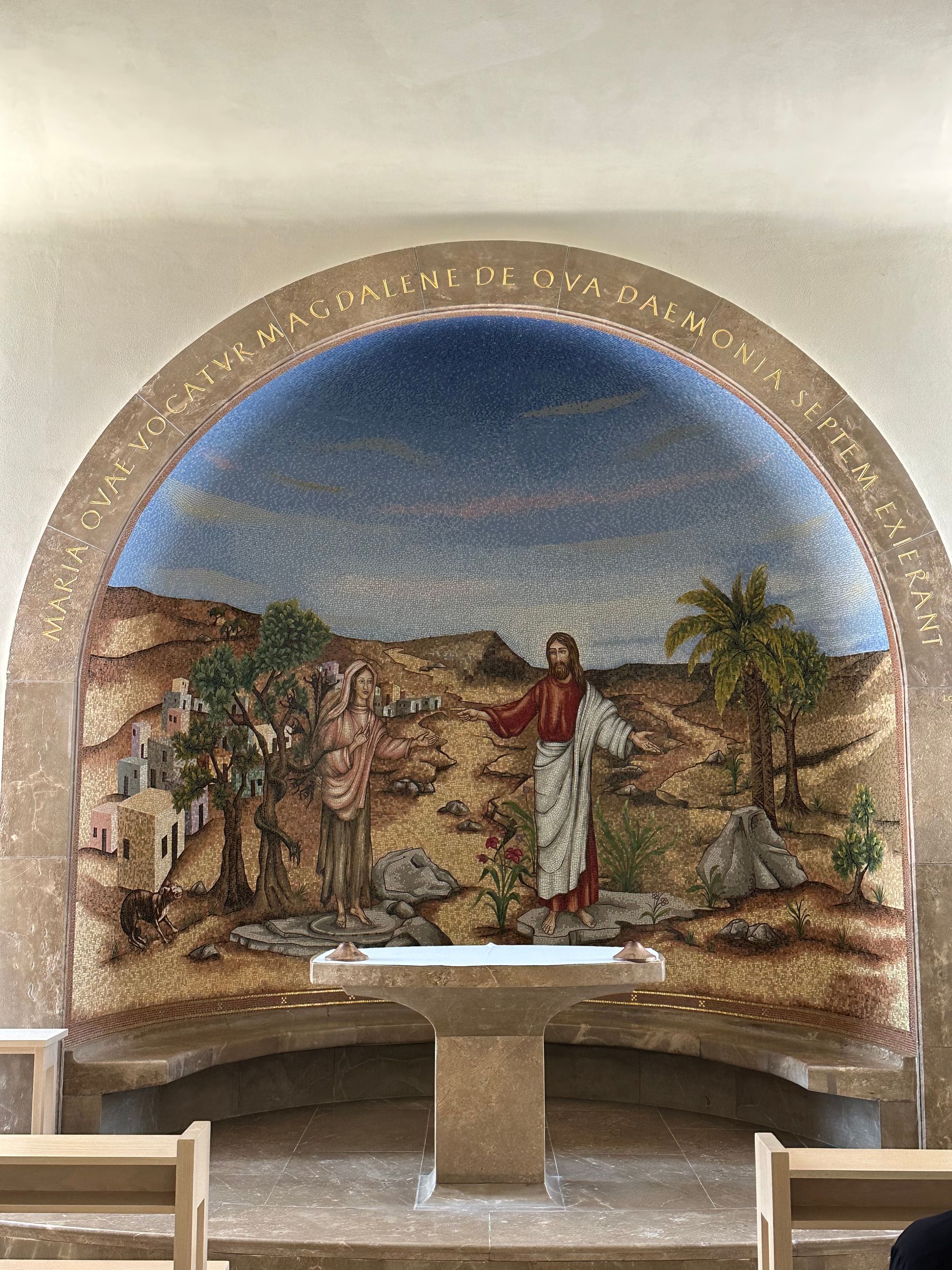
Modern Church at Magdala
Alongside the hotel, a new church was built on the shore of the Sea of Galilee with windows opening out toward the water, where they also catch the sunrise.
Tel Hazor
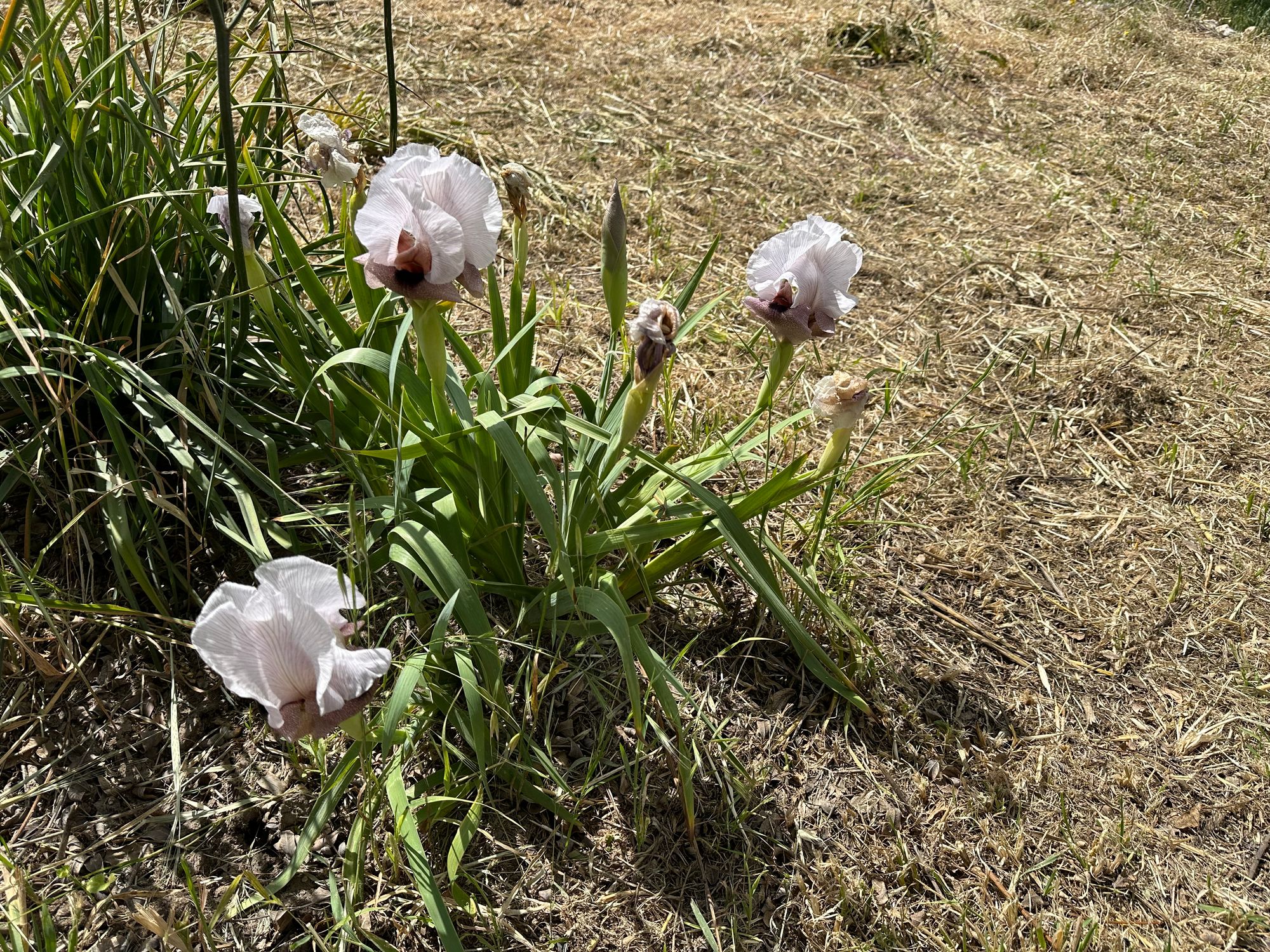
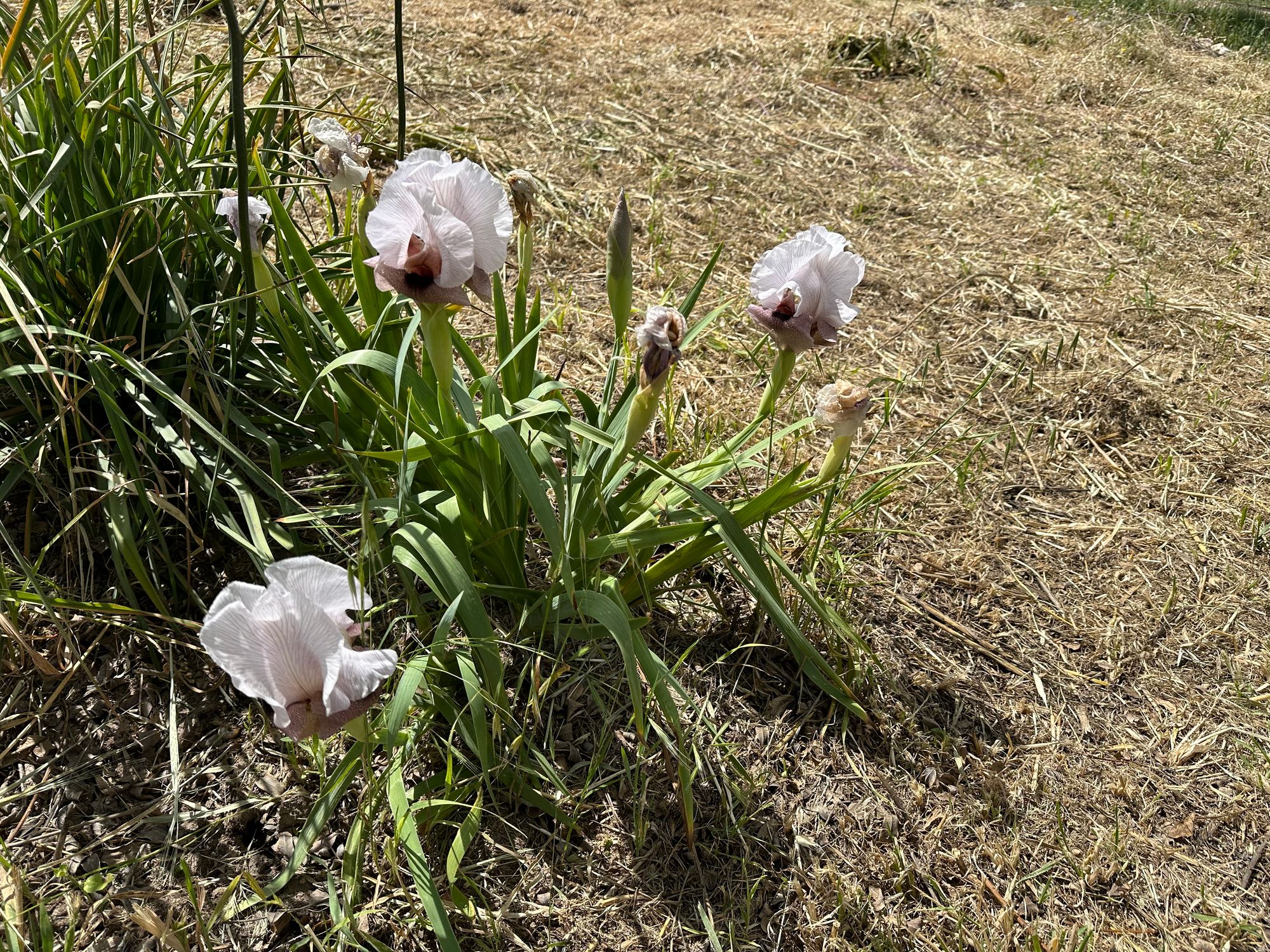
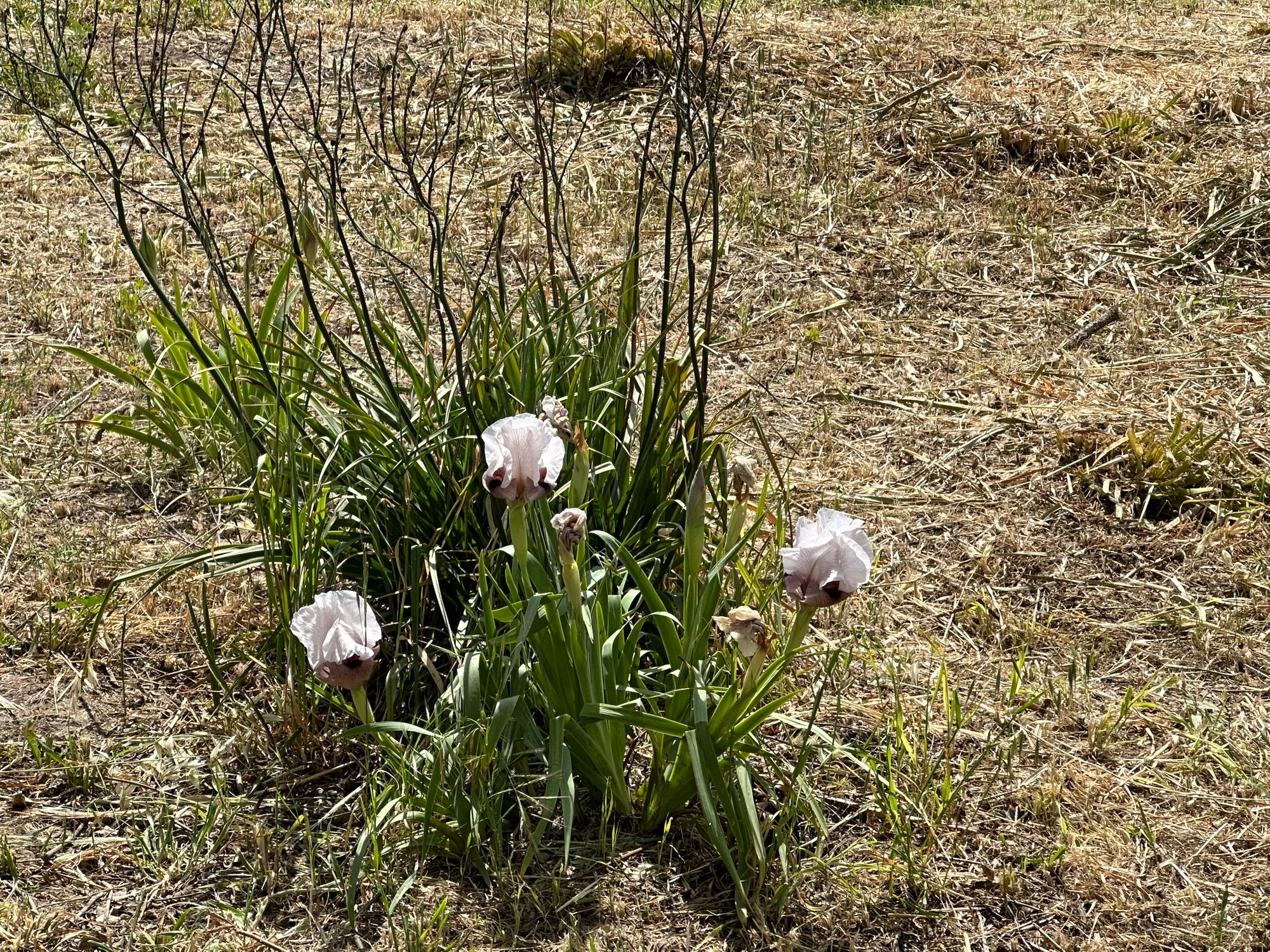
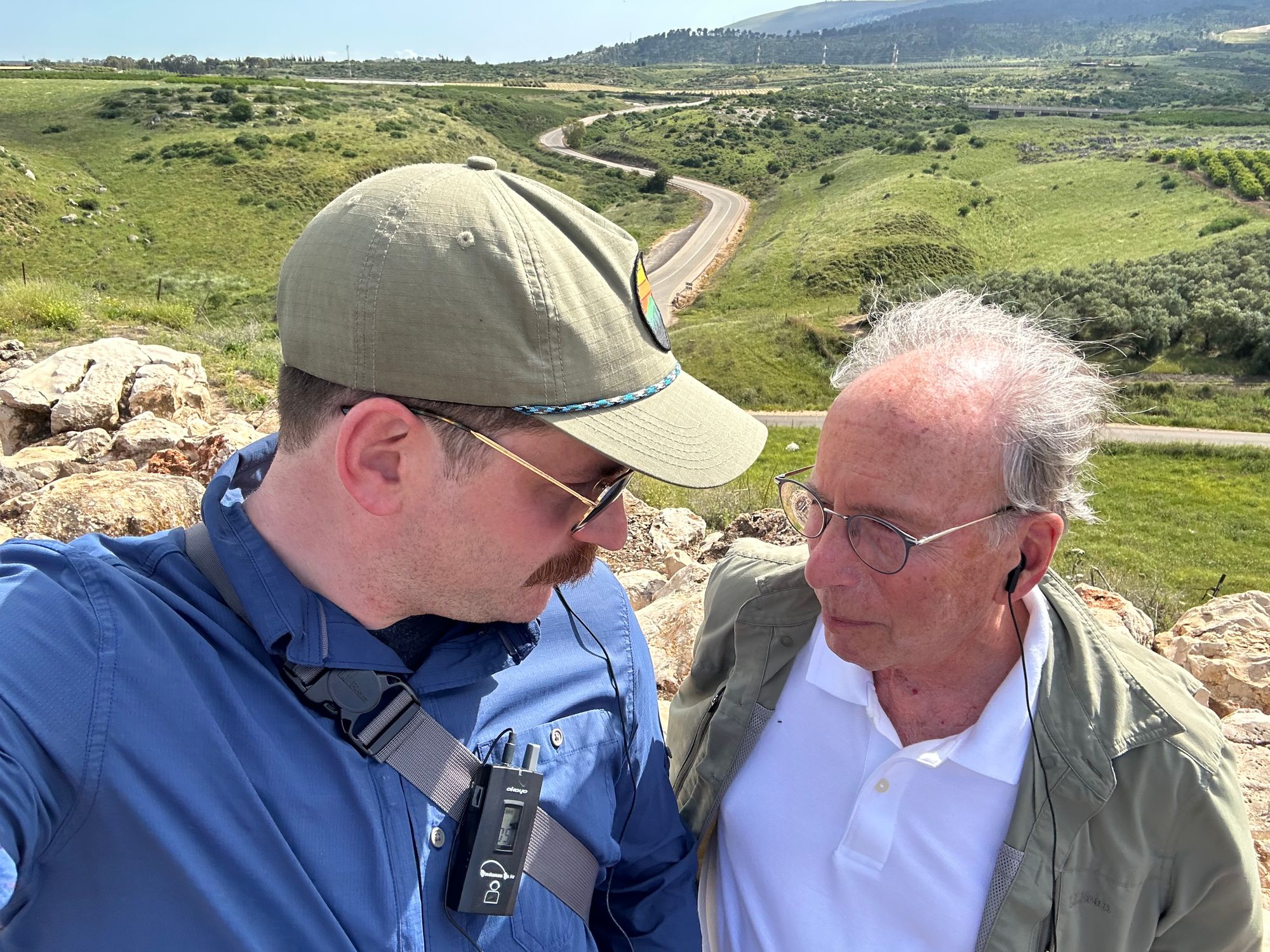
On our way to the archaeological site, our guide mentions that this is the old place where you can find Iris Bismarckiana in one of its last remaining habitats.
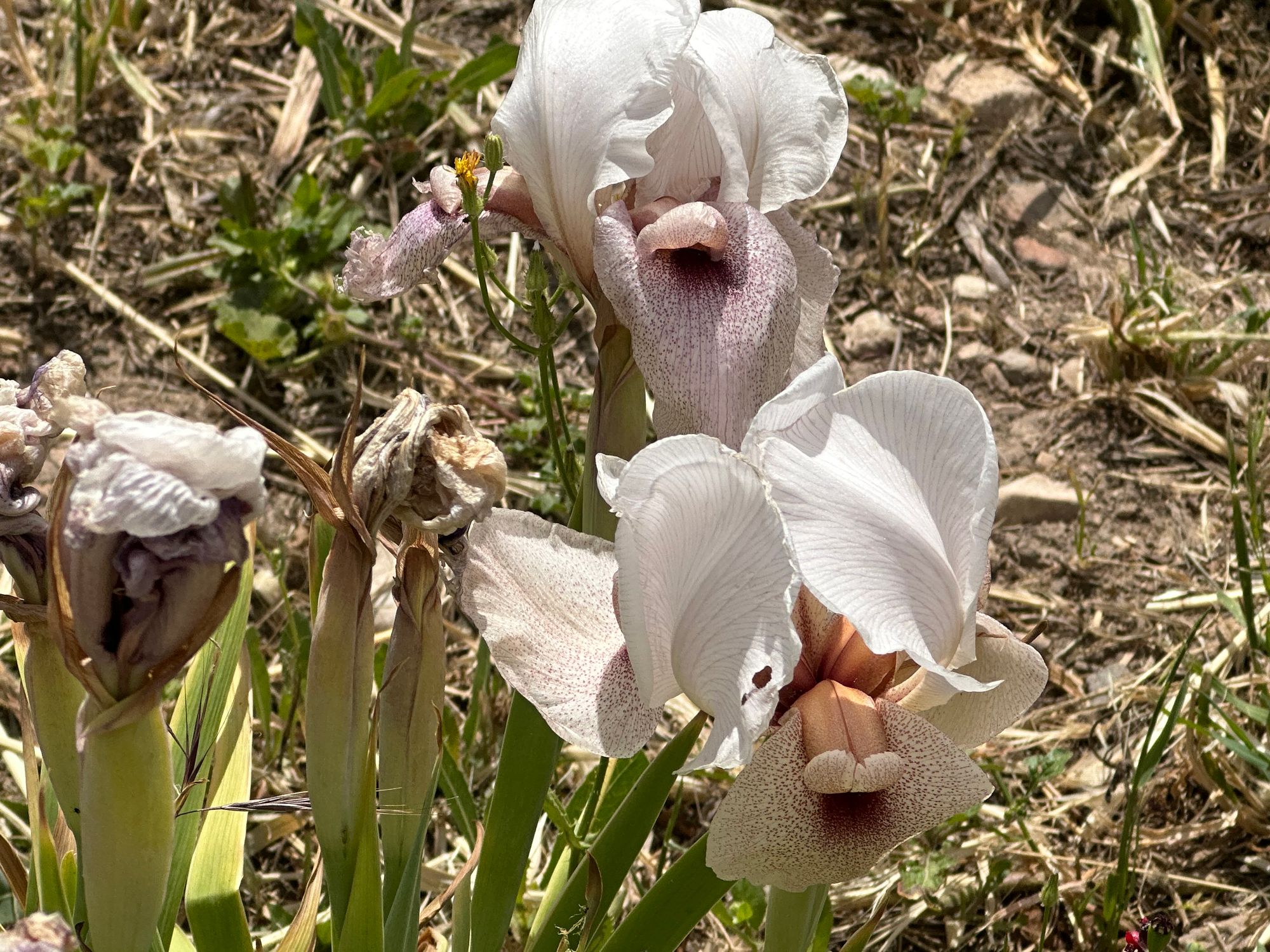
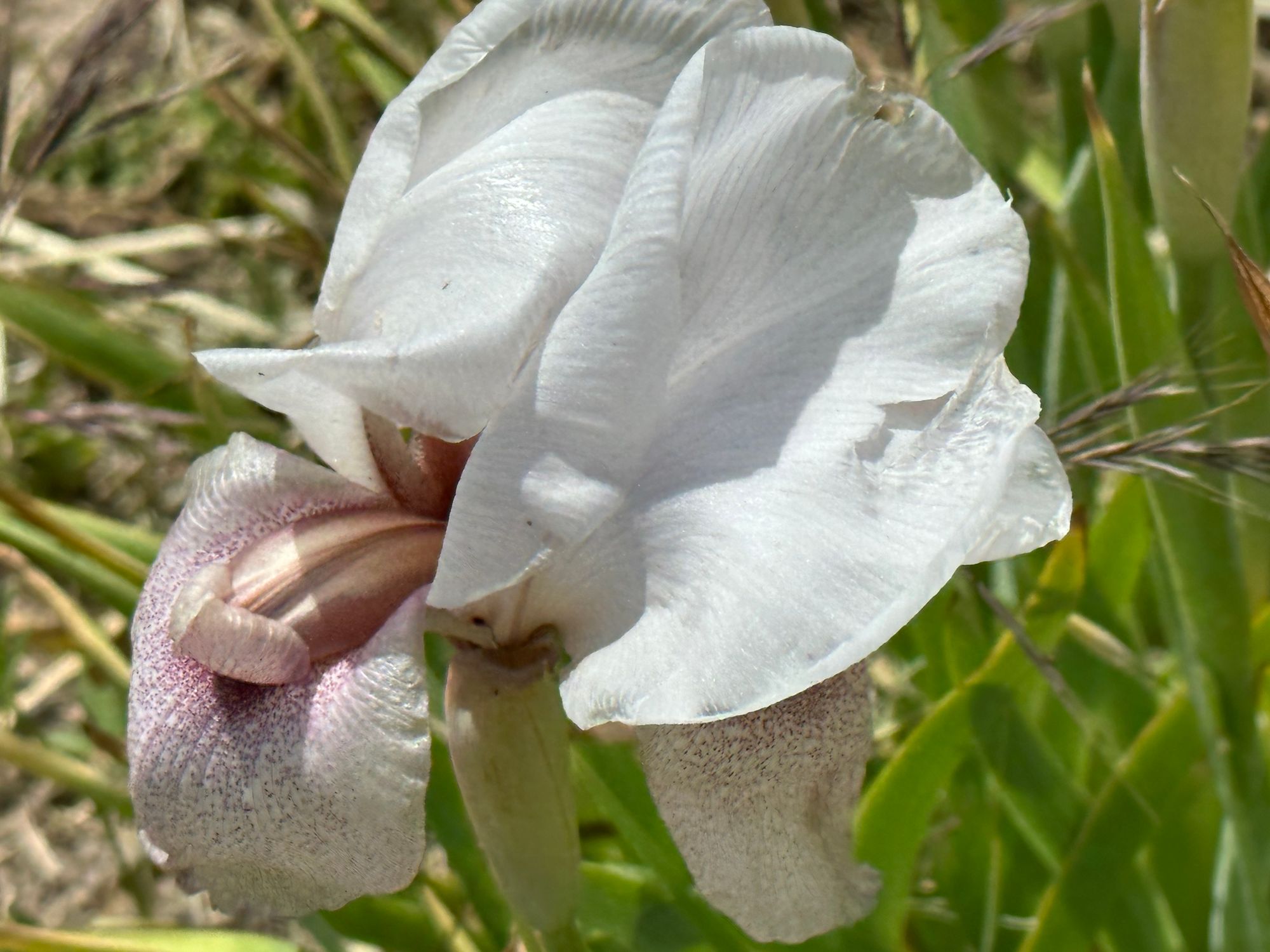
The city of Tel Hazor
Huge city (going all the way to red houses in the background)
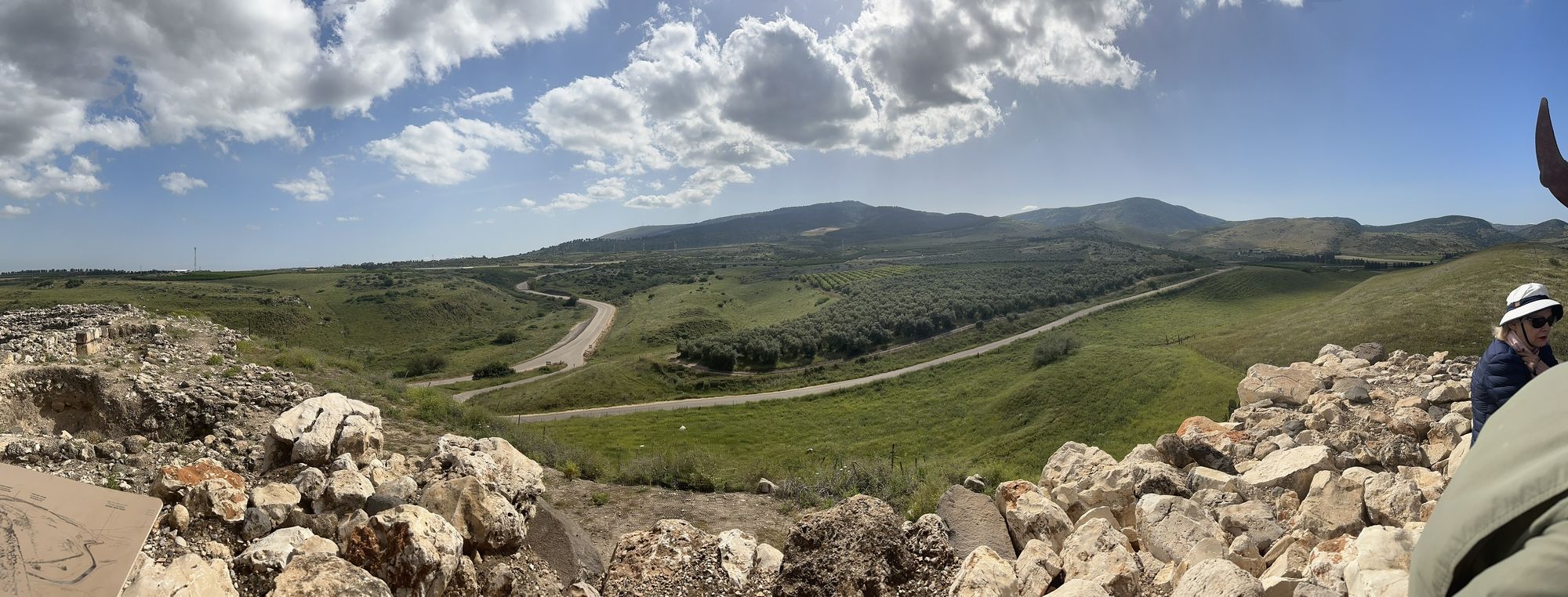
Tel Hazor is one of the oldest and largest cities that we visited, however very little has been excavated thus far. Remains have been found in the city dating back to early bronze age (2700 BCE).
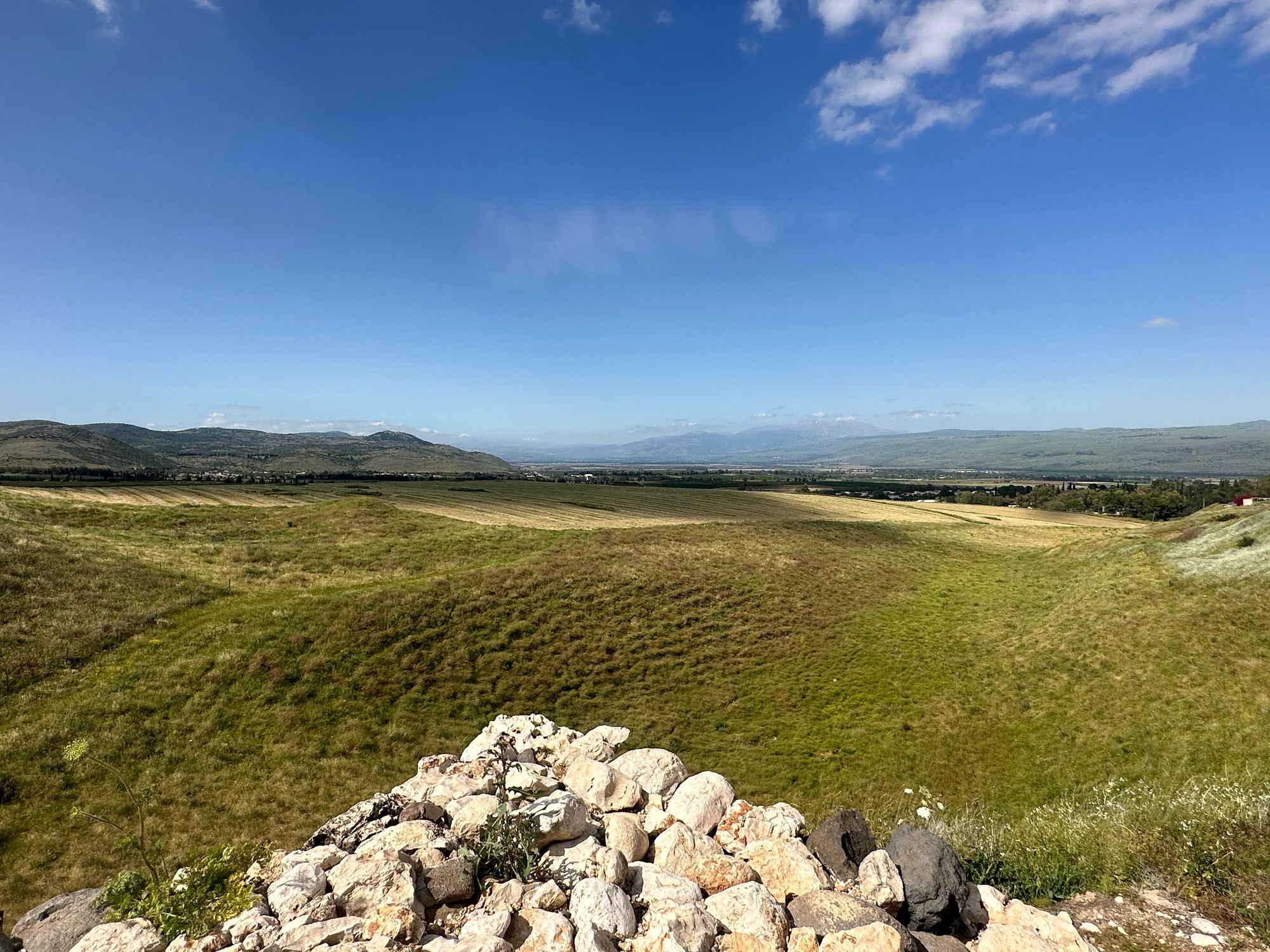
The city stretched to the edge of the trees that you can see in the photo above
The city was very active for ~3000 years then it was abandoned in the helenestic period.
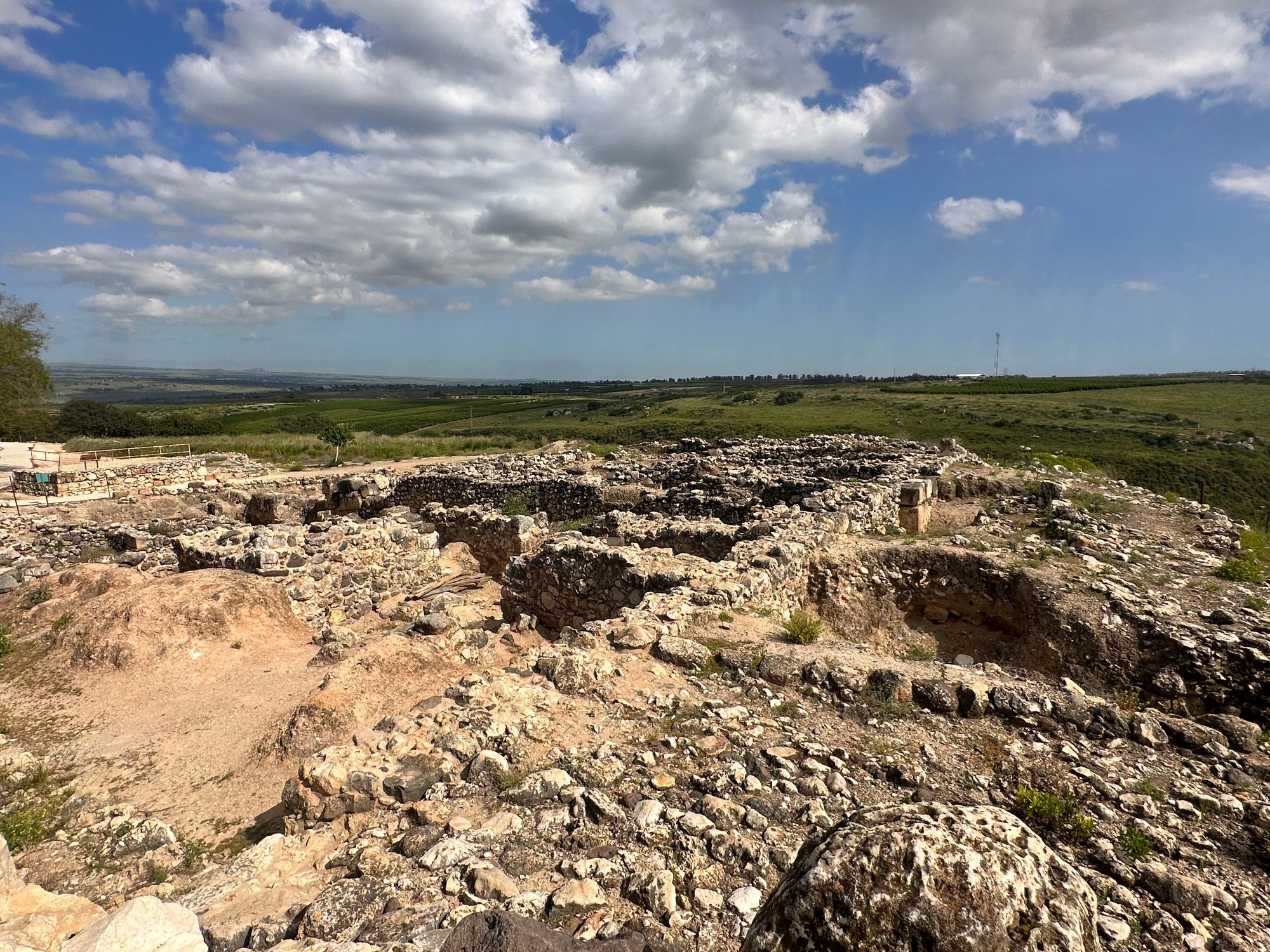
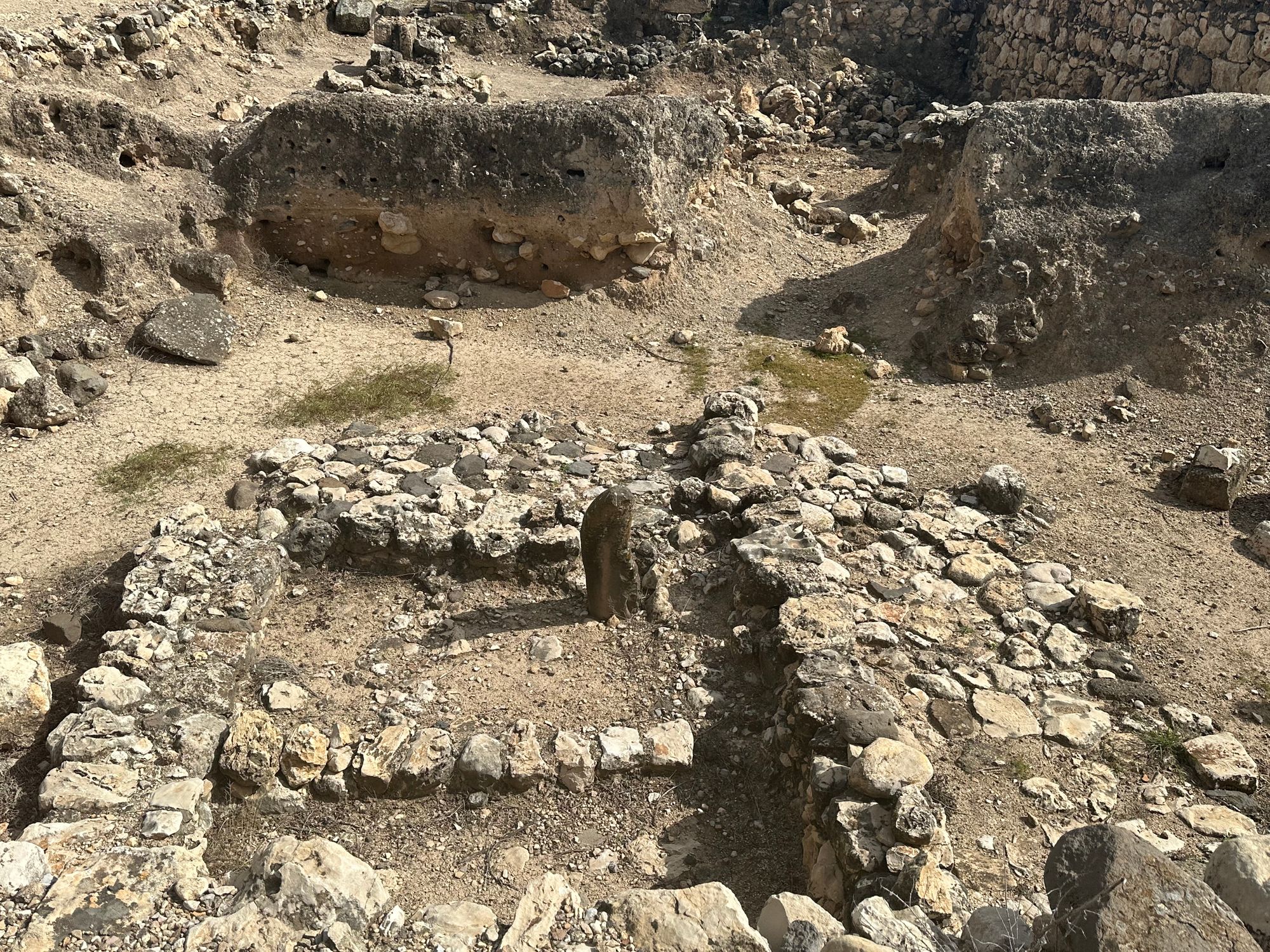
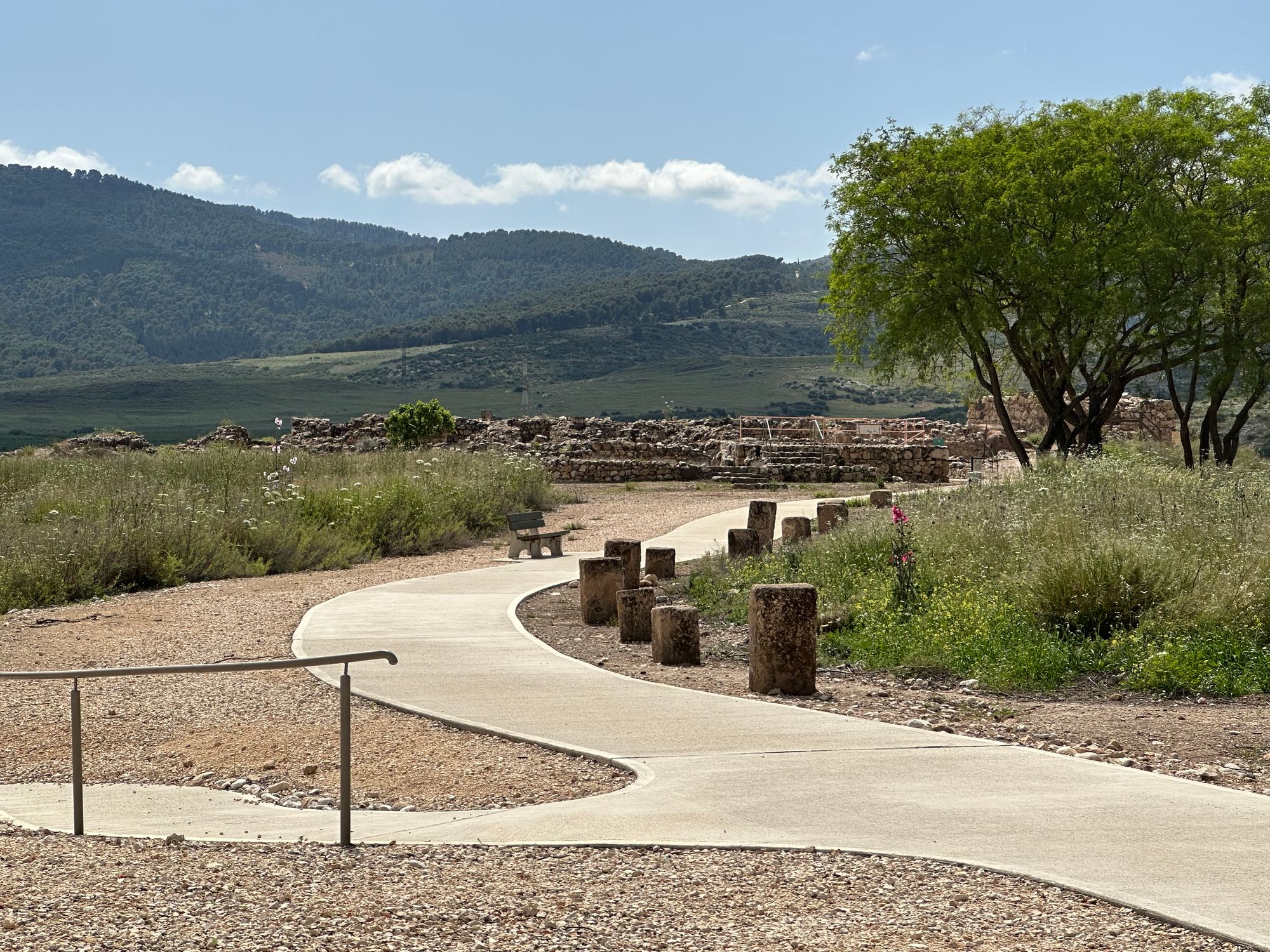
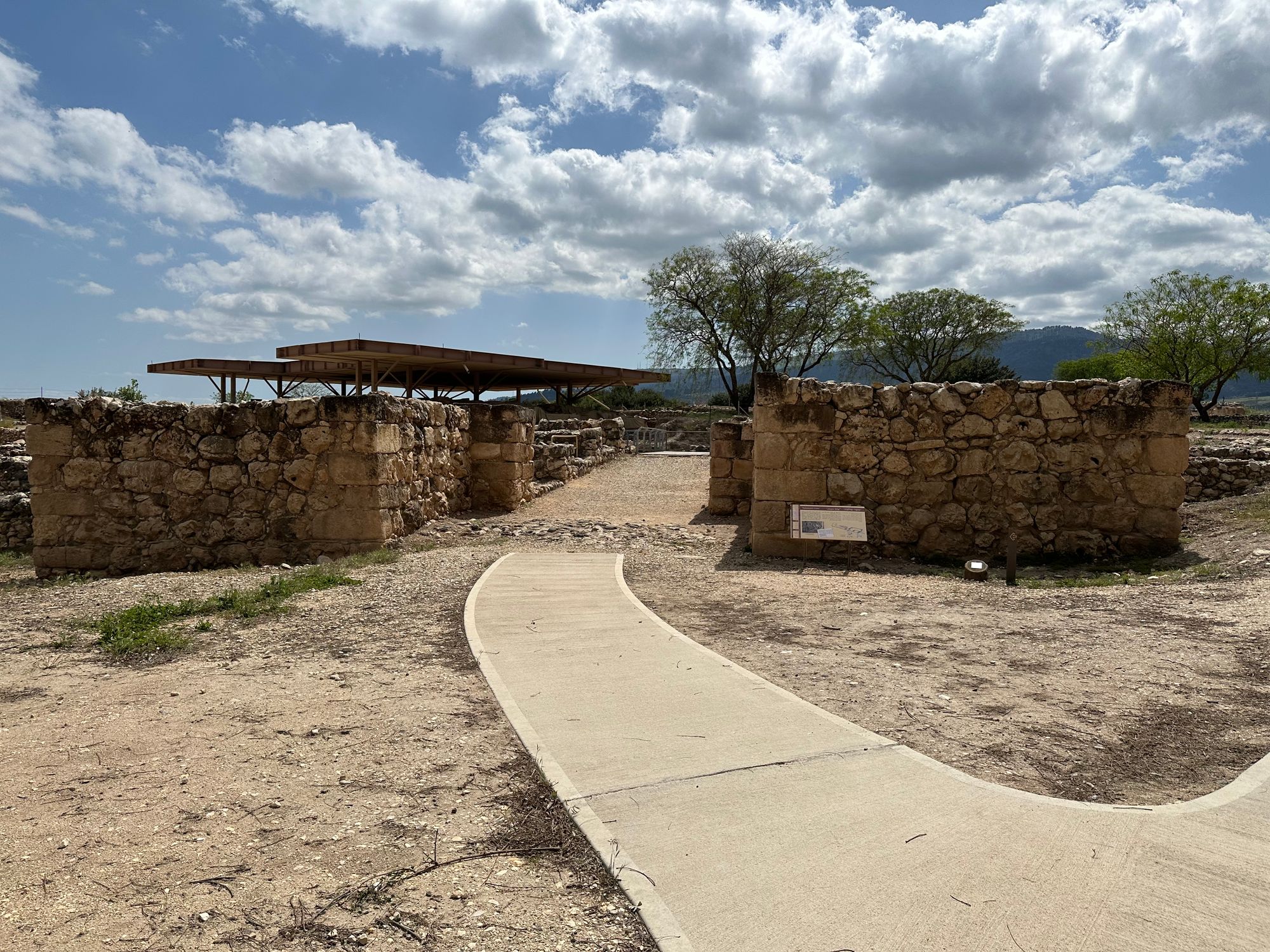
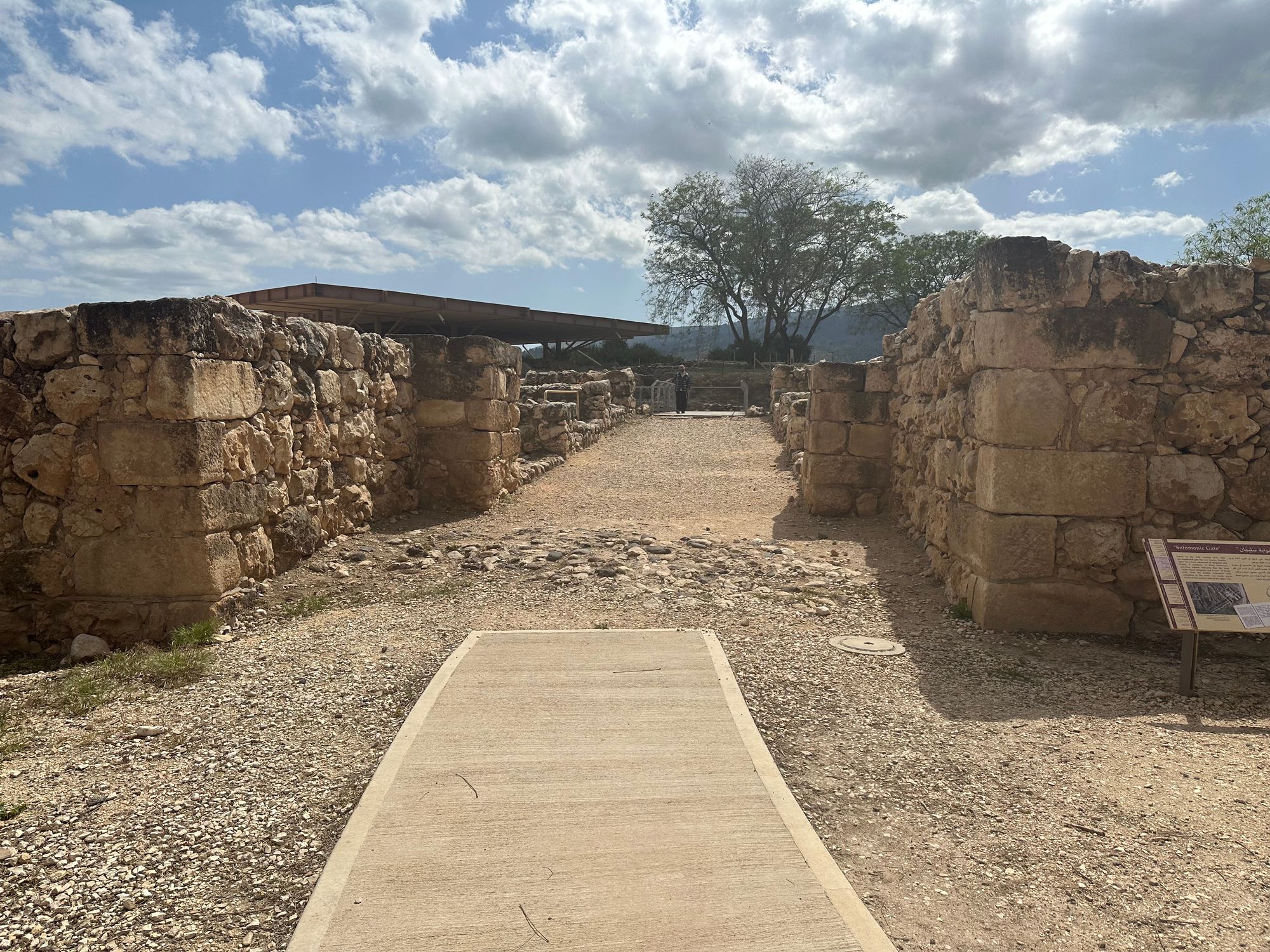
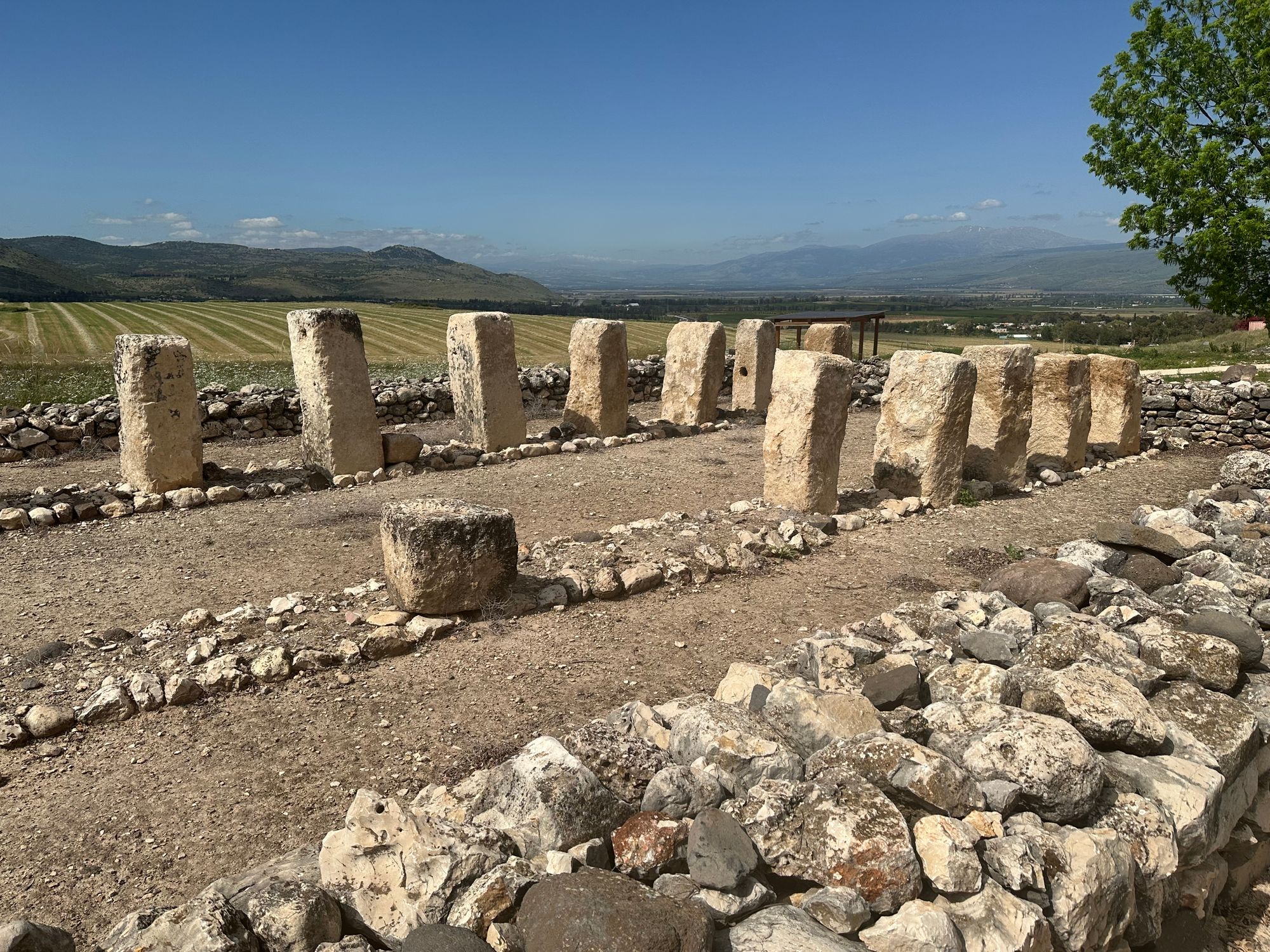
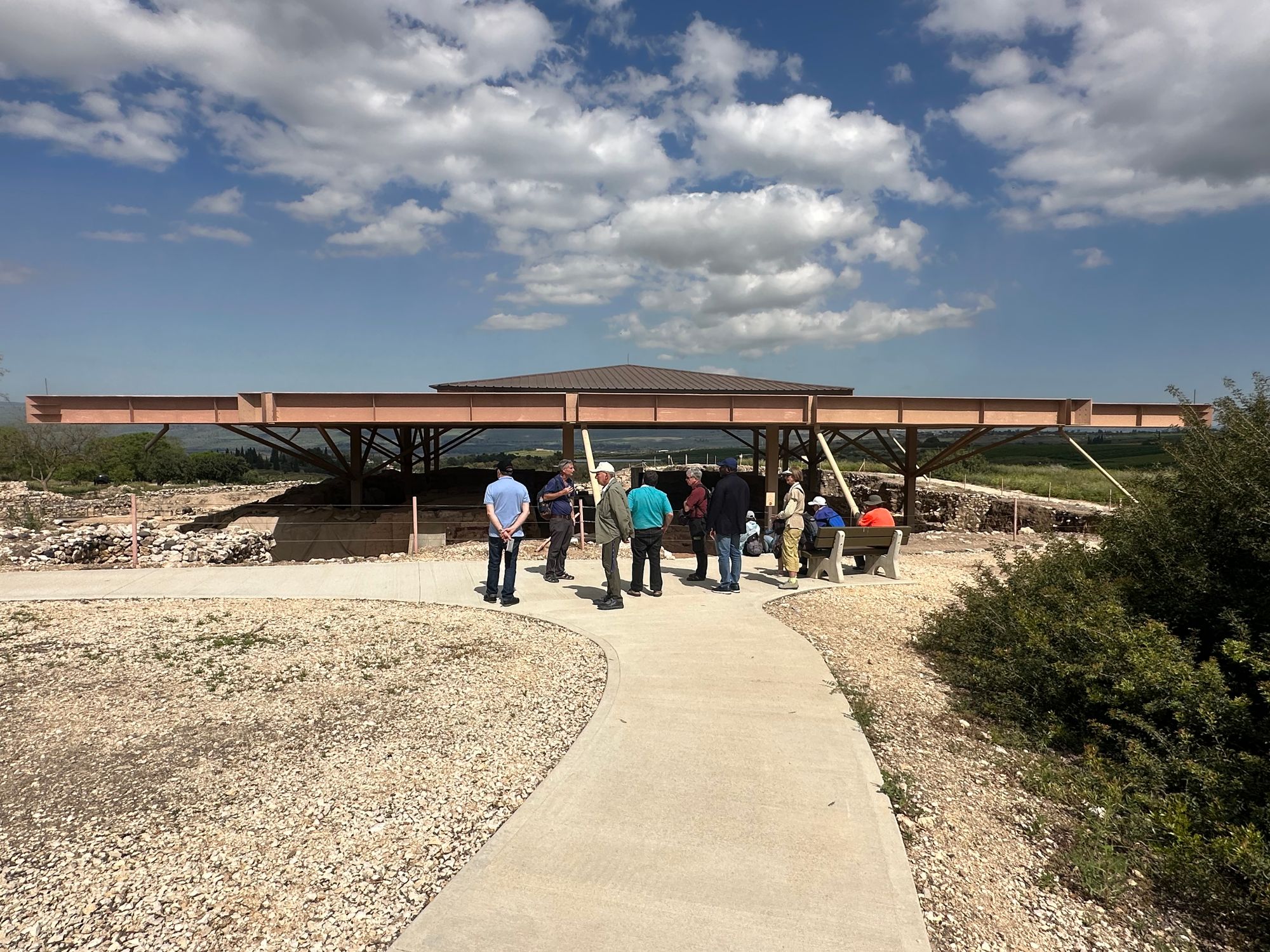
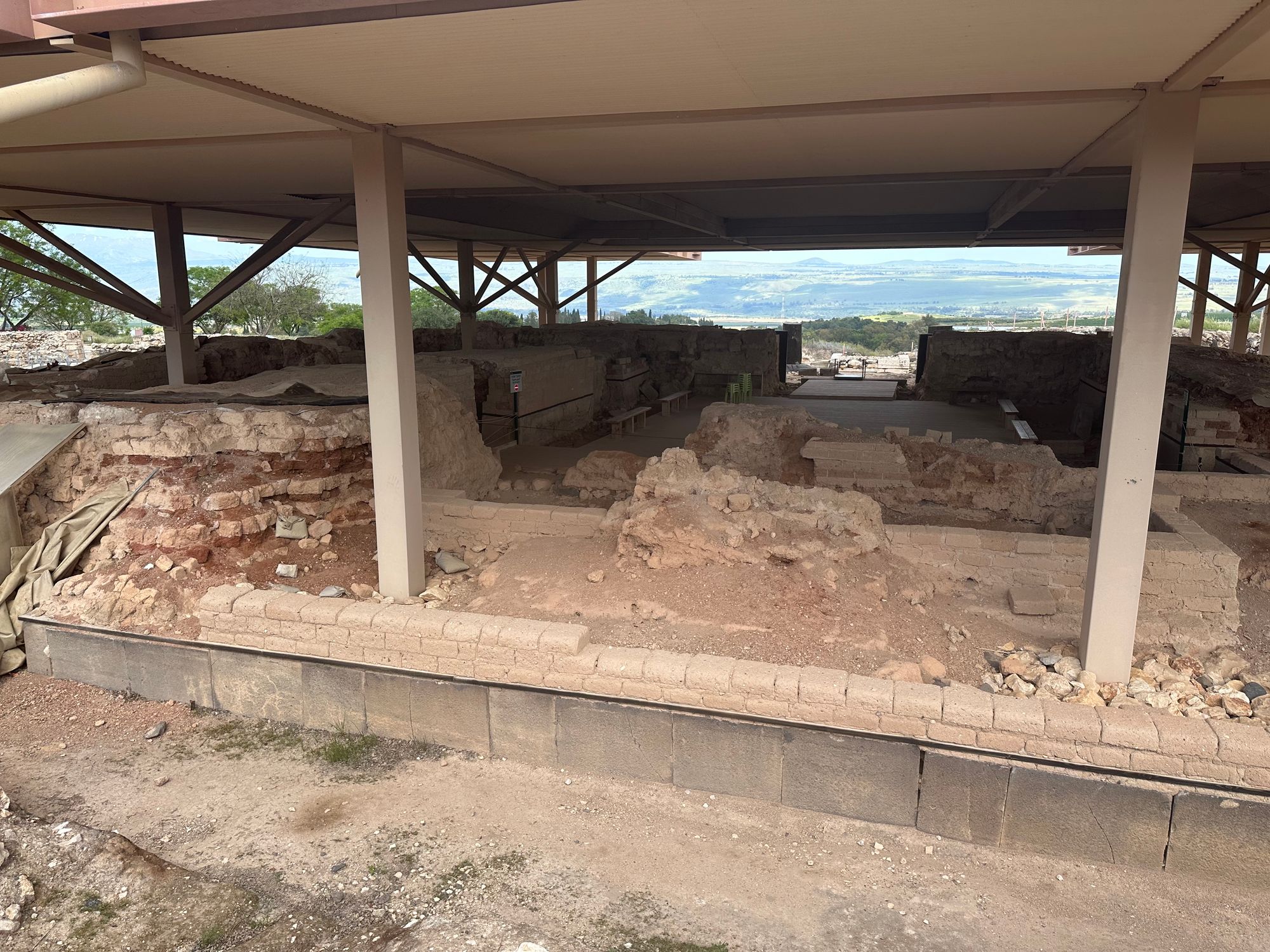
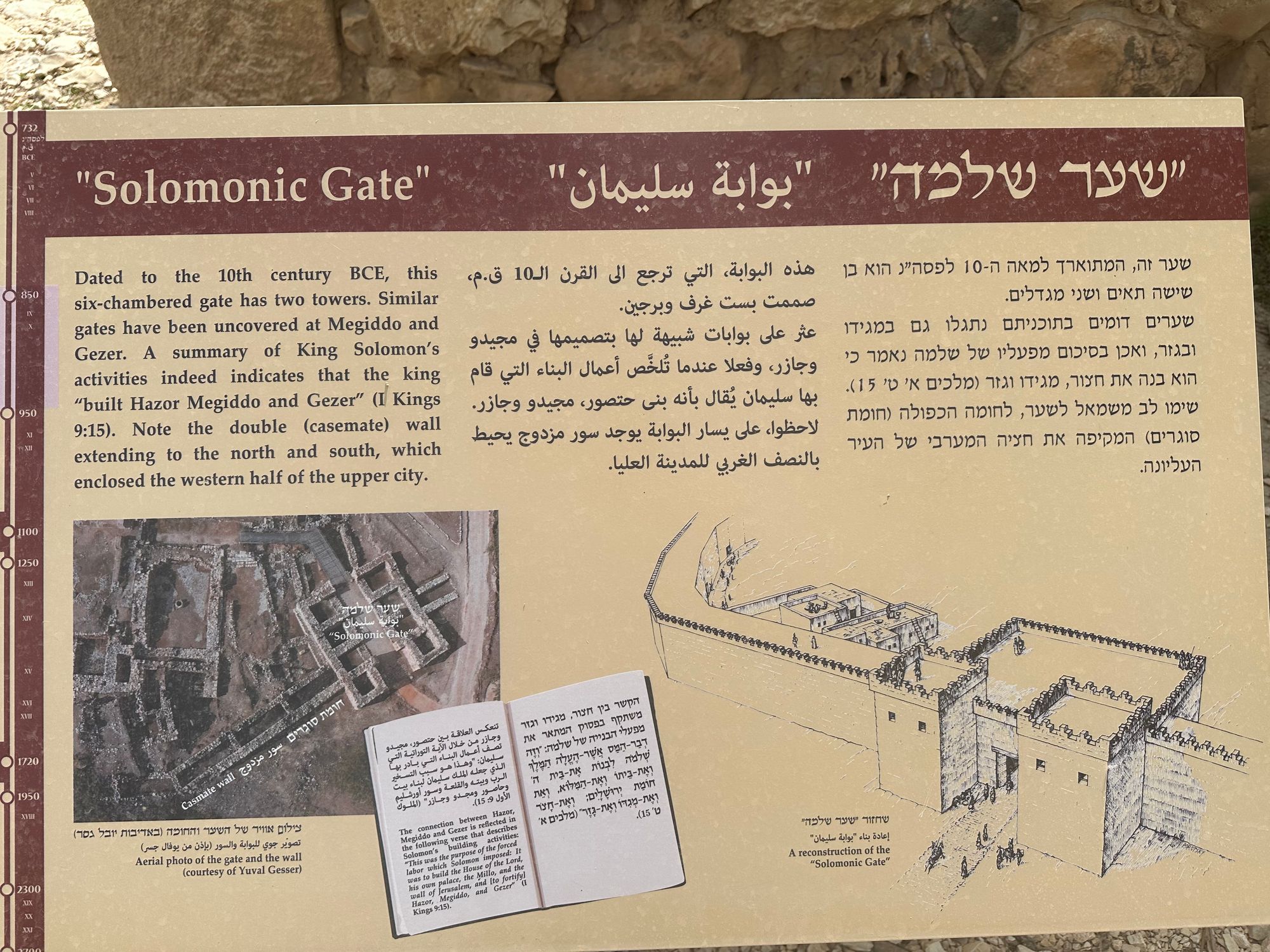
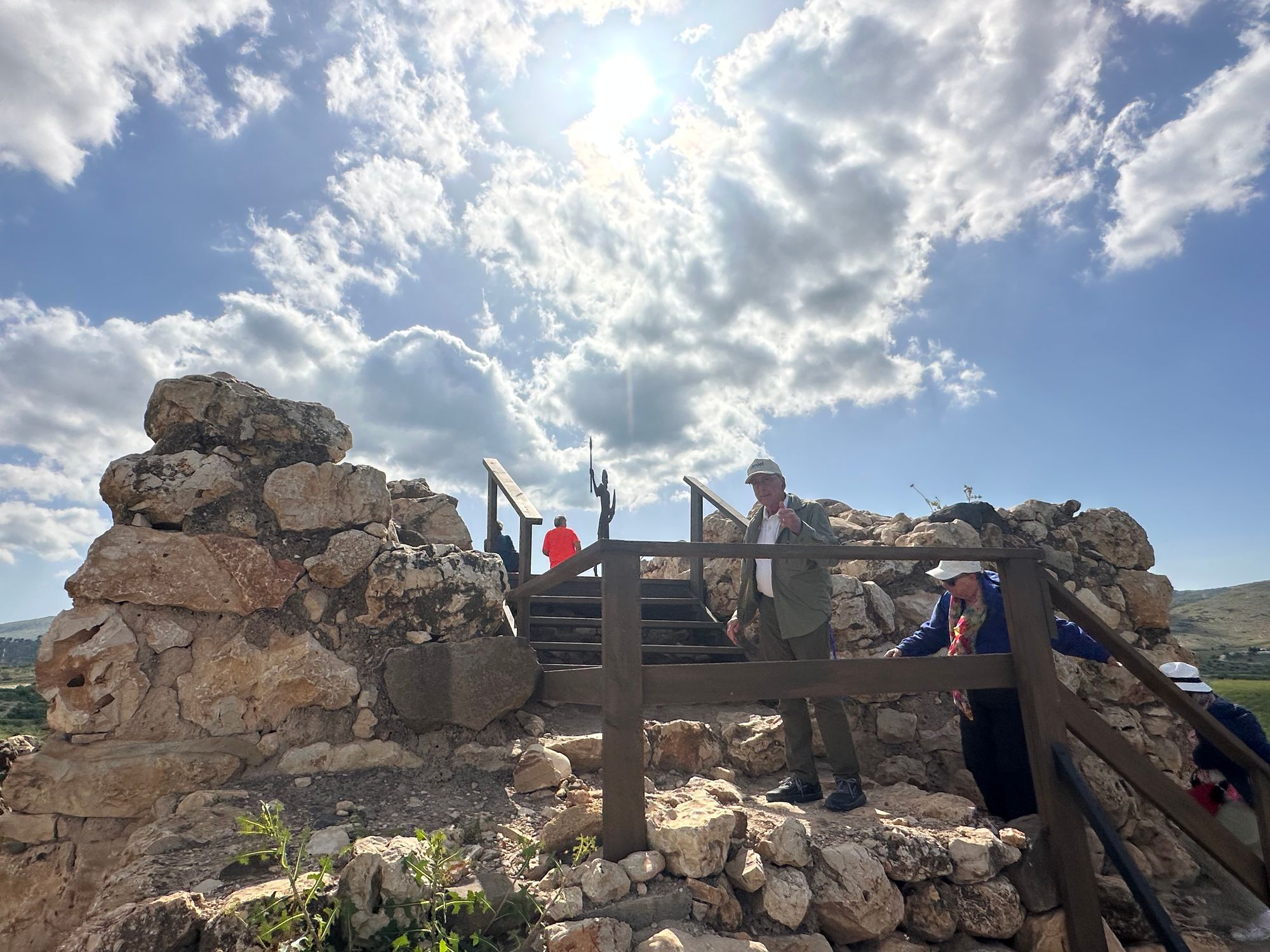
Tel Hazor city ruins. The canaanite ruins date from 1800 BCE
References to the city are found in many Mesopotamian and Egyptian texts.
There are 26 layers of different civilizations in some areas of the city... that's right, 26 layers for archaeologists to comb through, and often a civilization will reuse structures from the previous one in their buildings, making the job even more difficult.
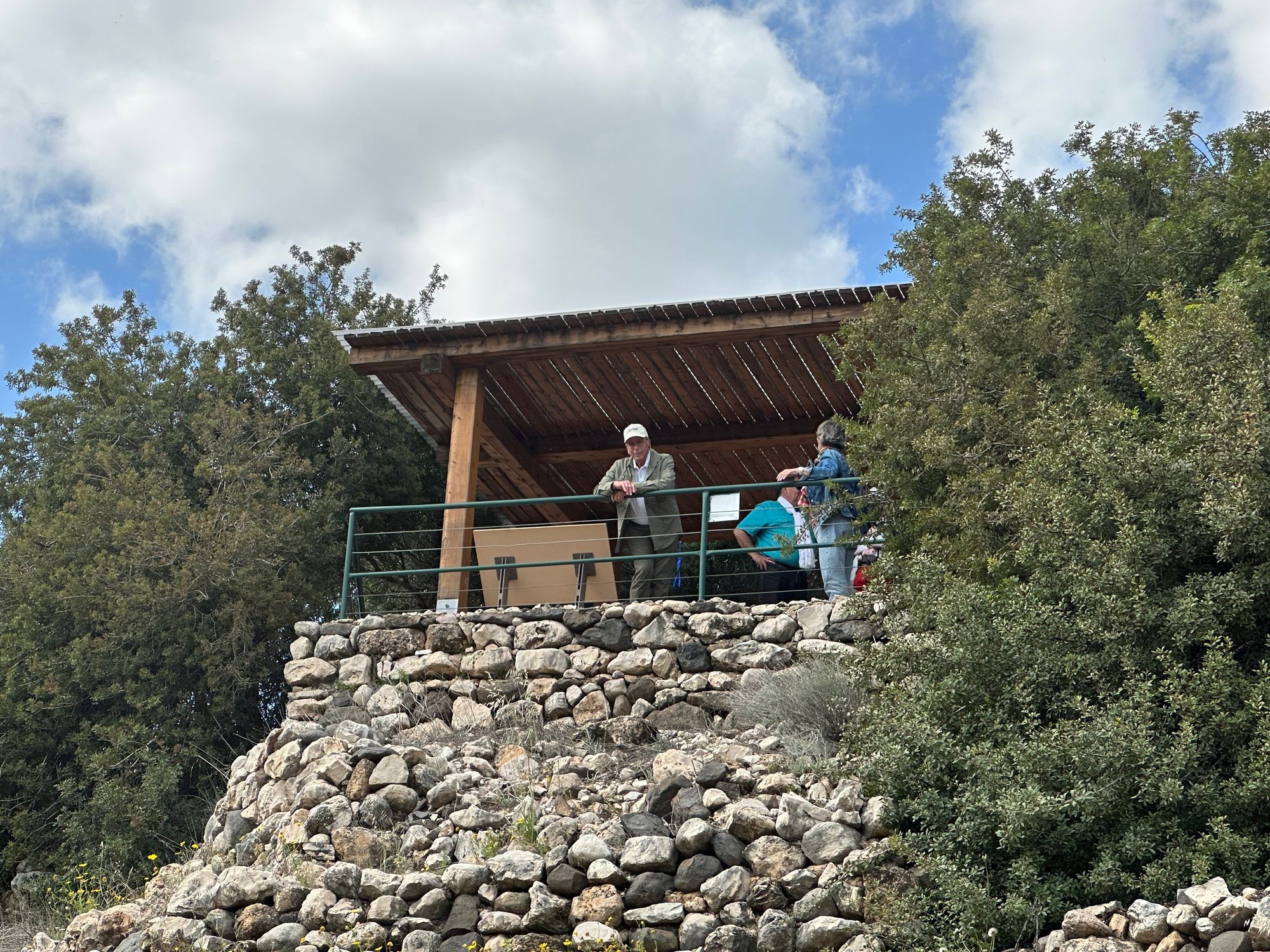
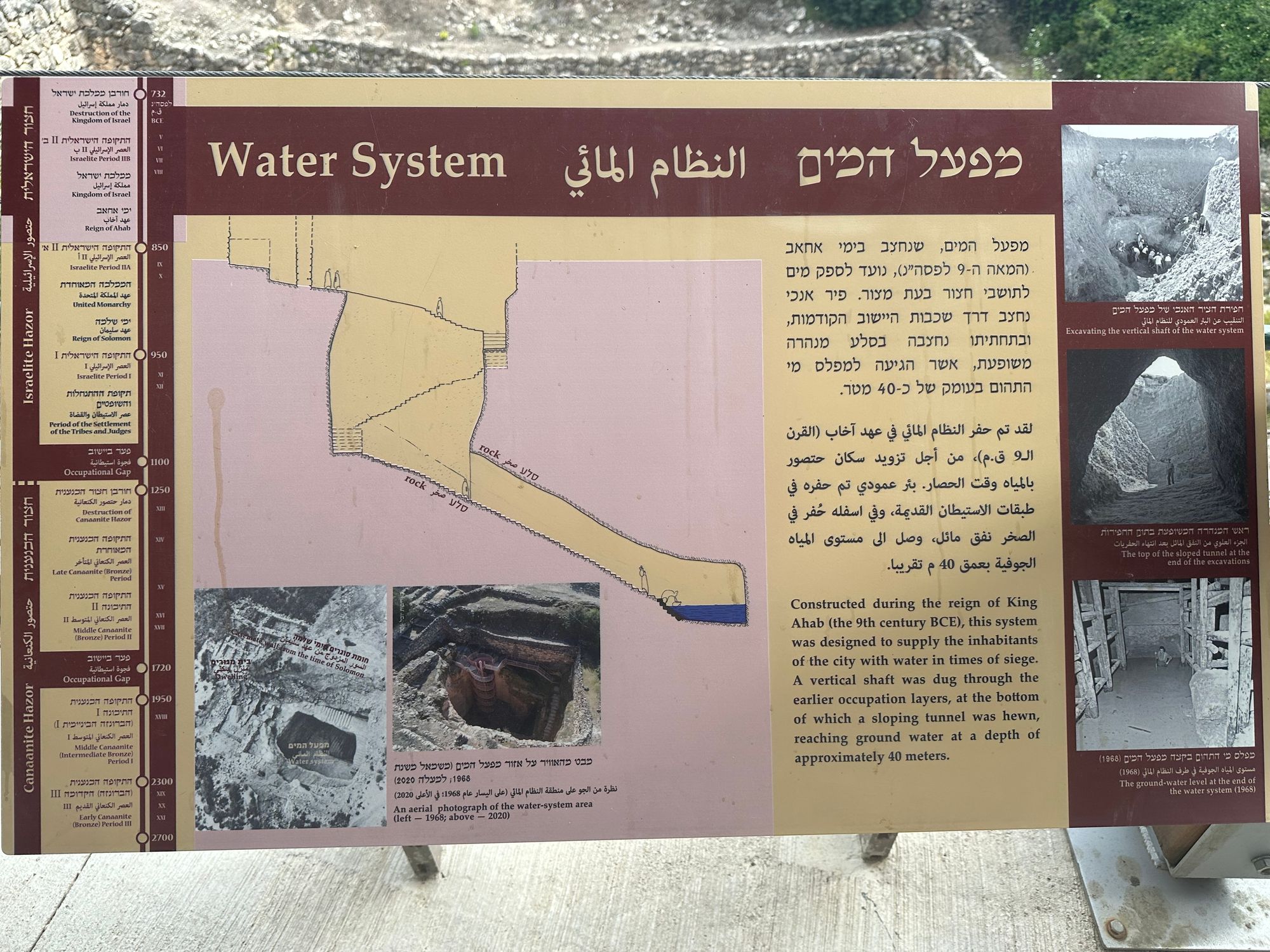
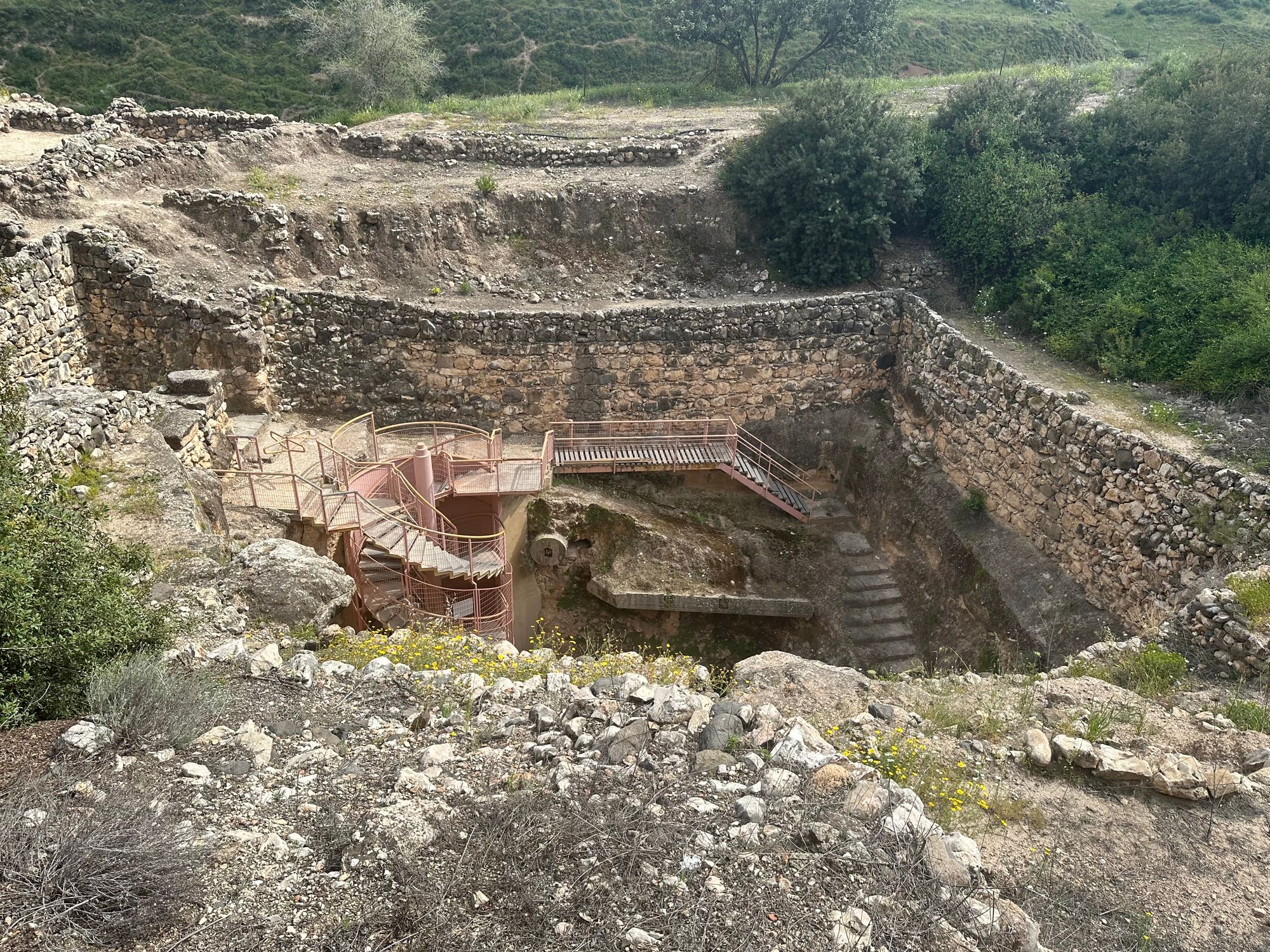
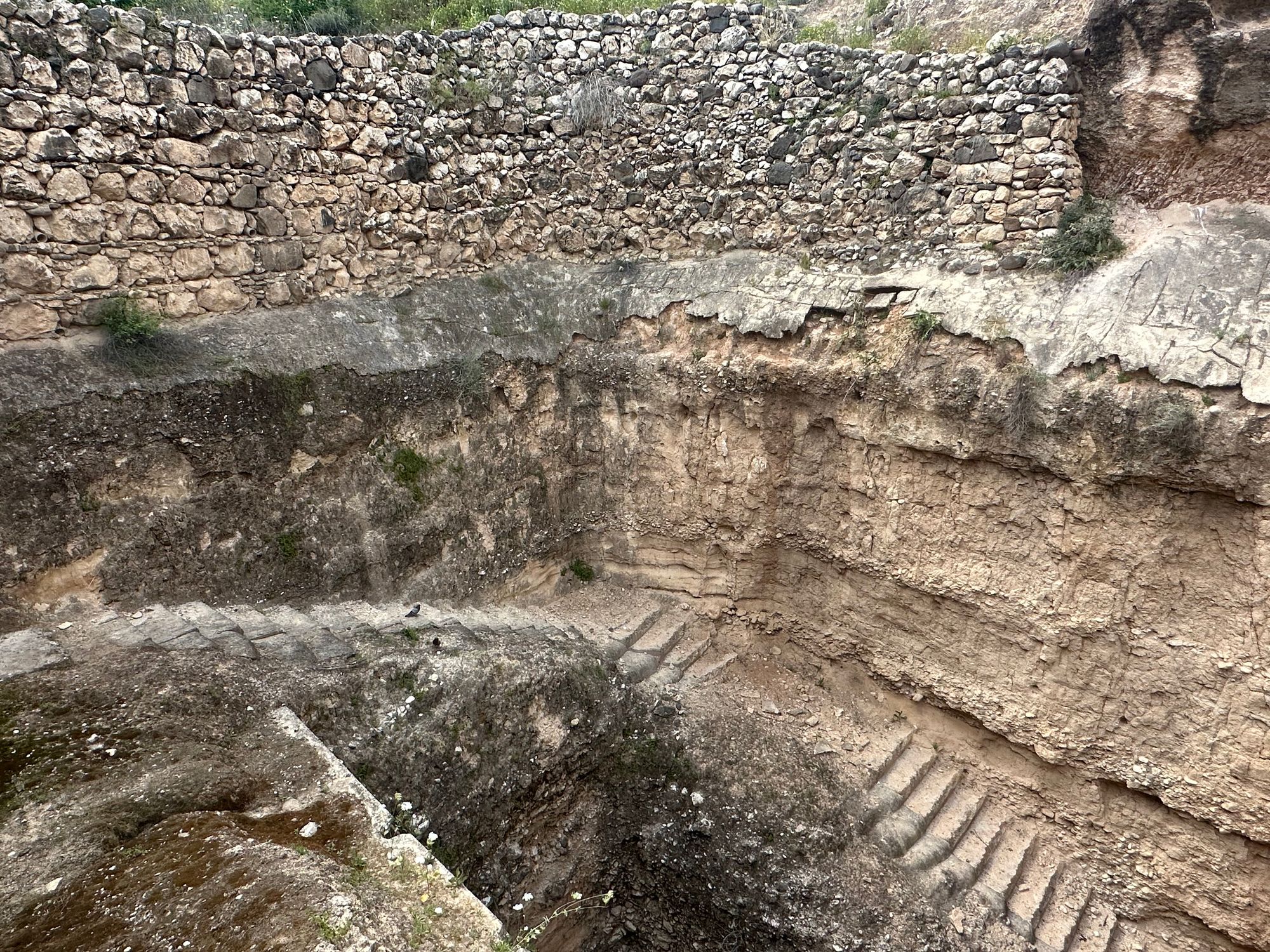
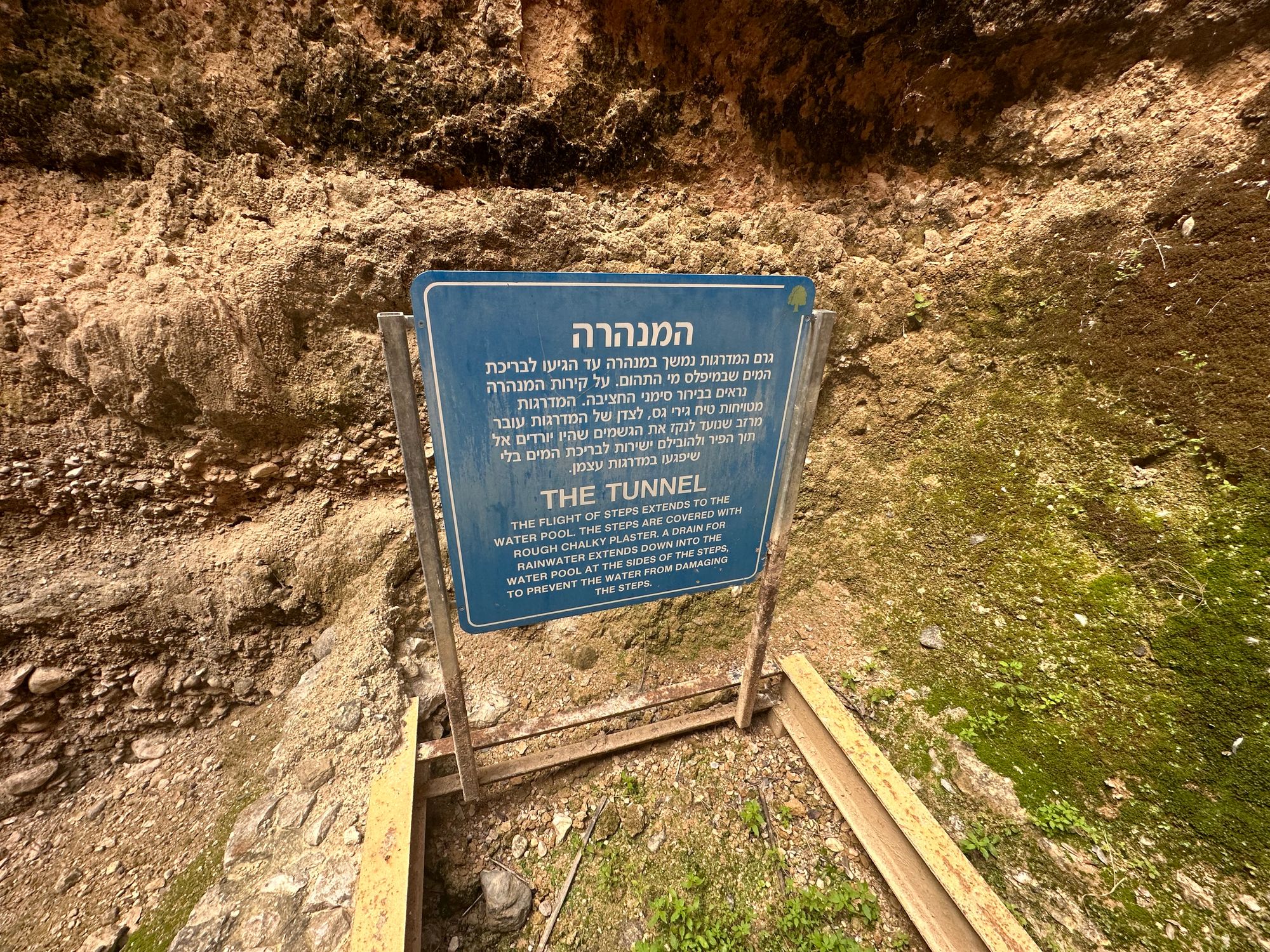
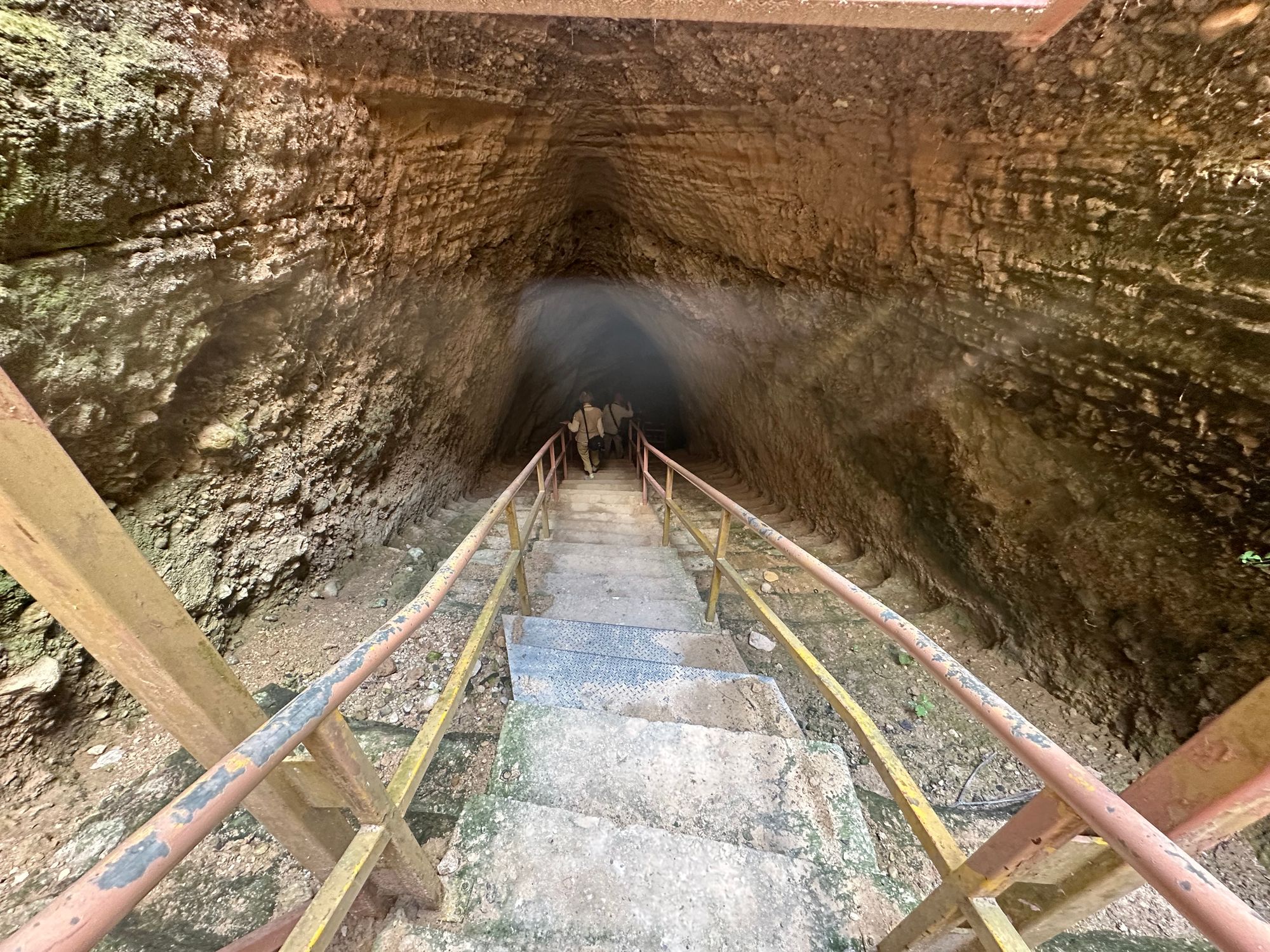
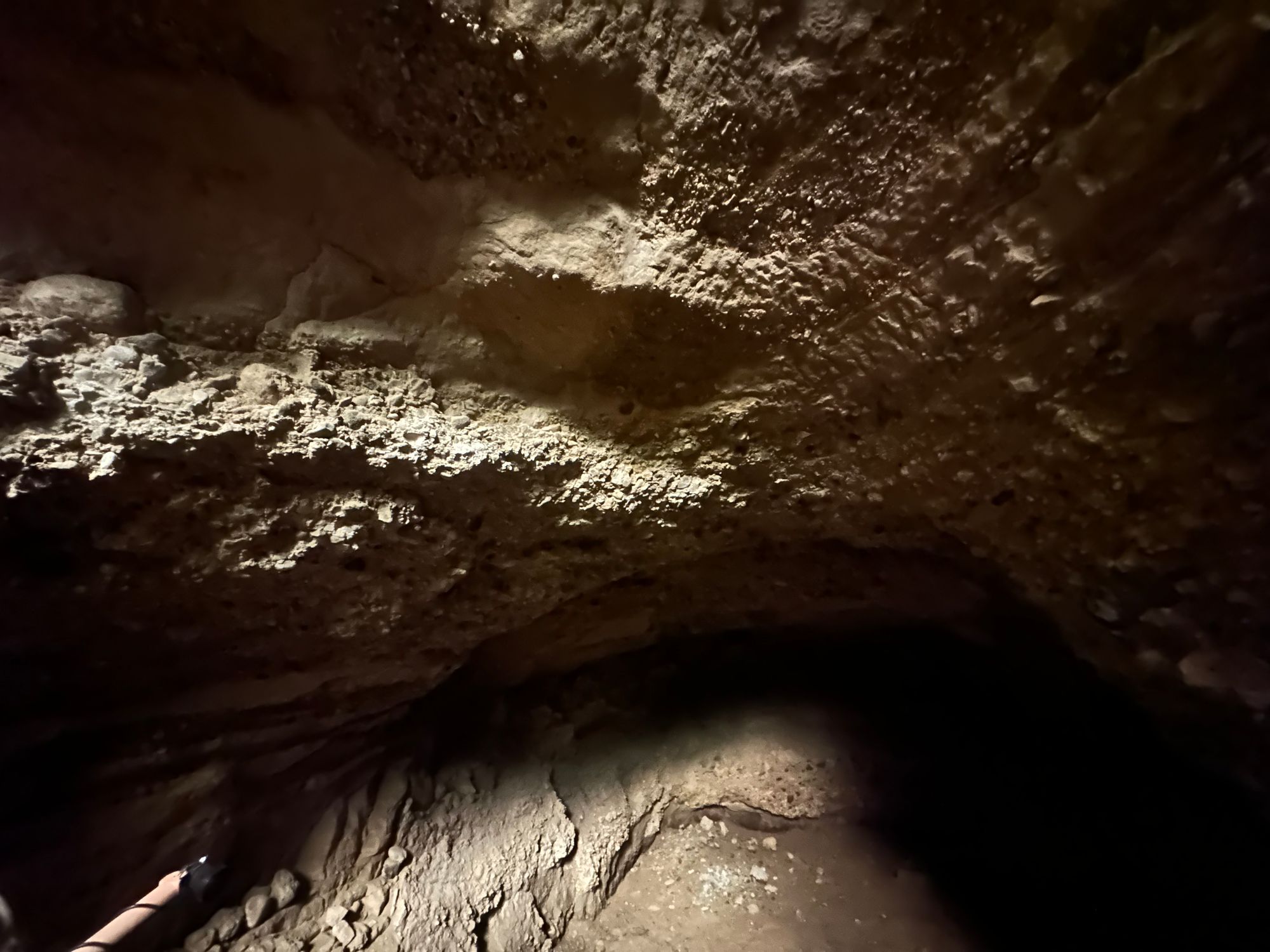
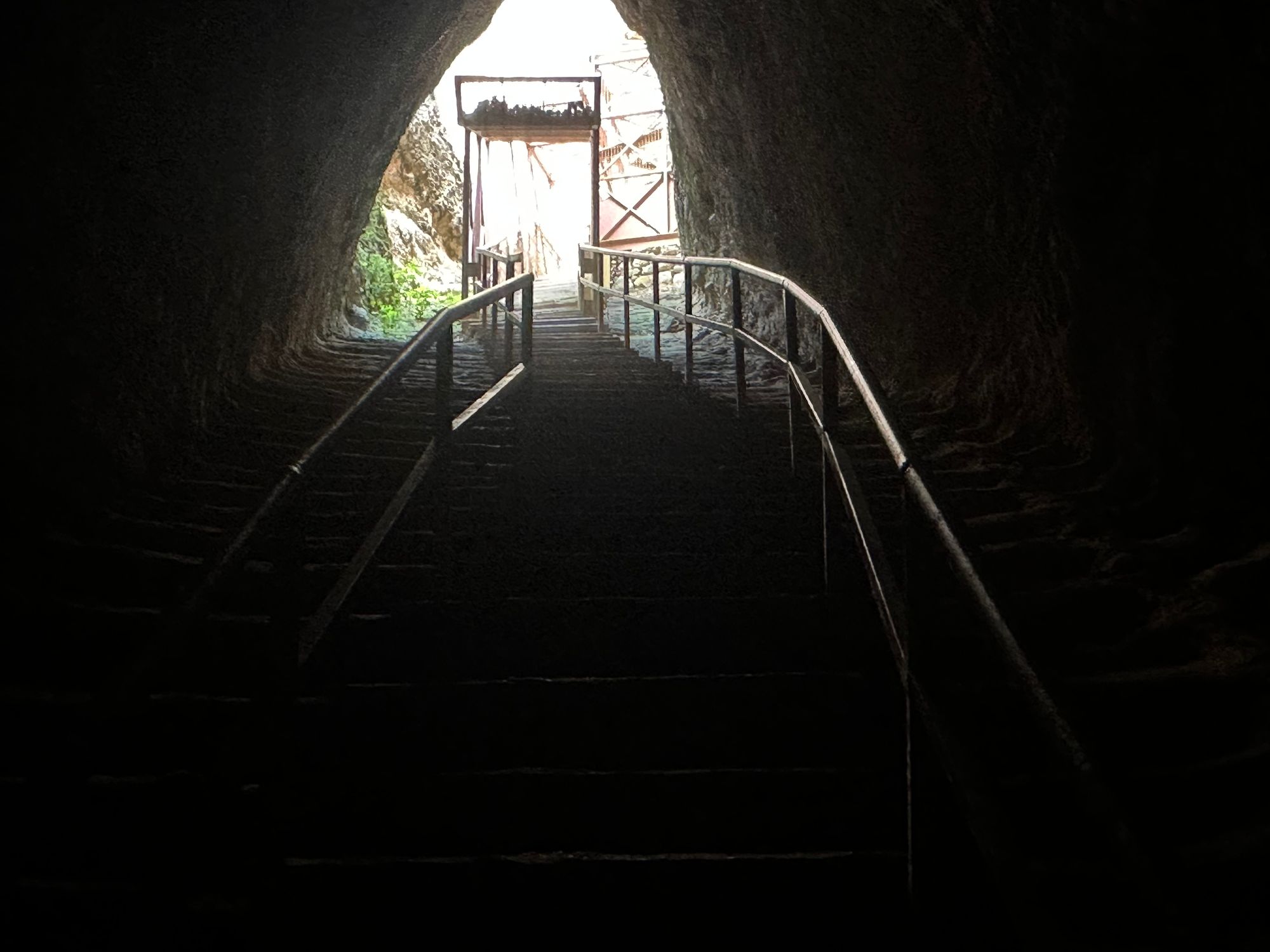
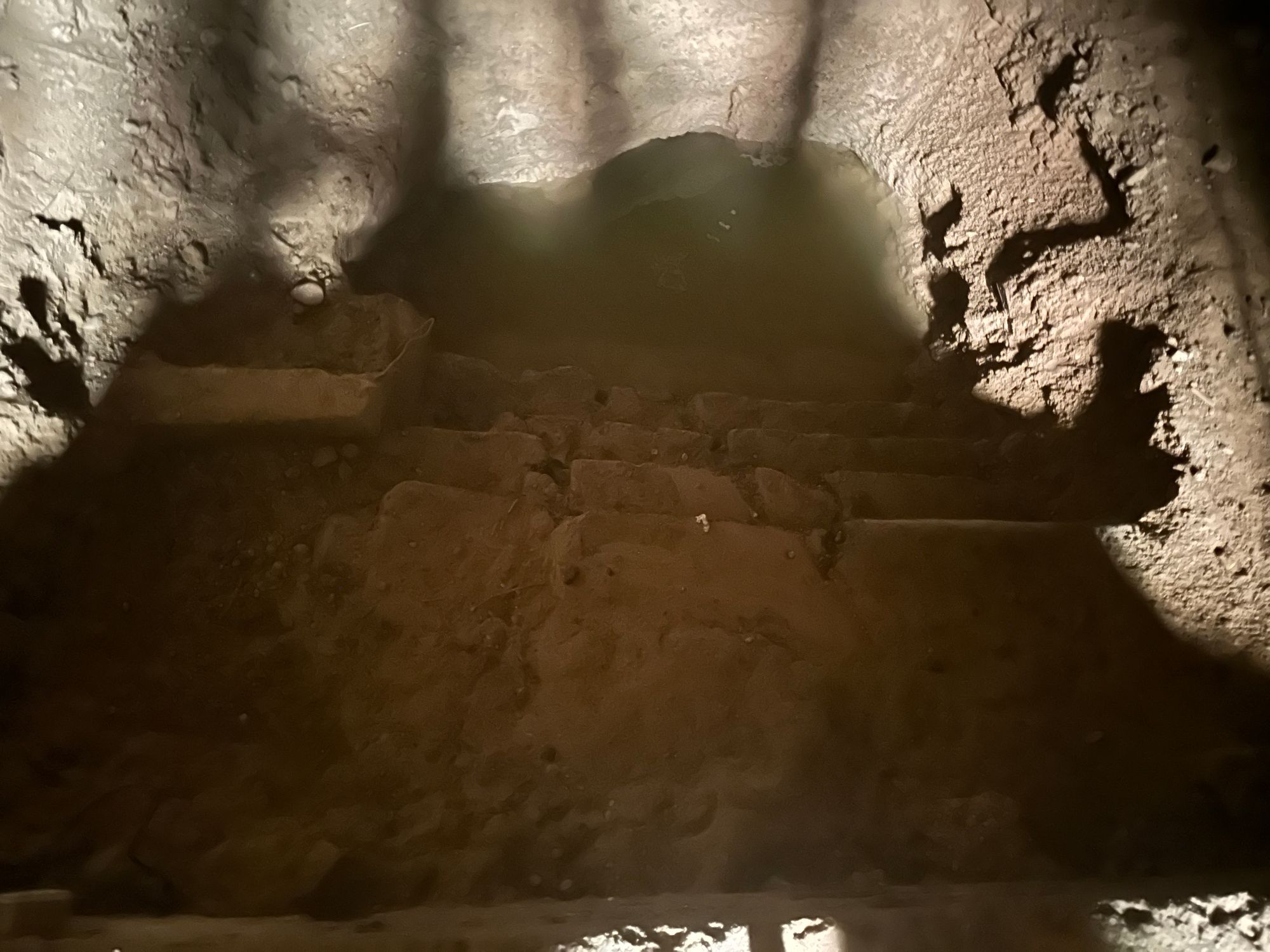
Well for water – we found at least a foot of standing of water inside
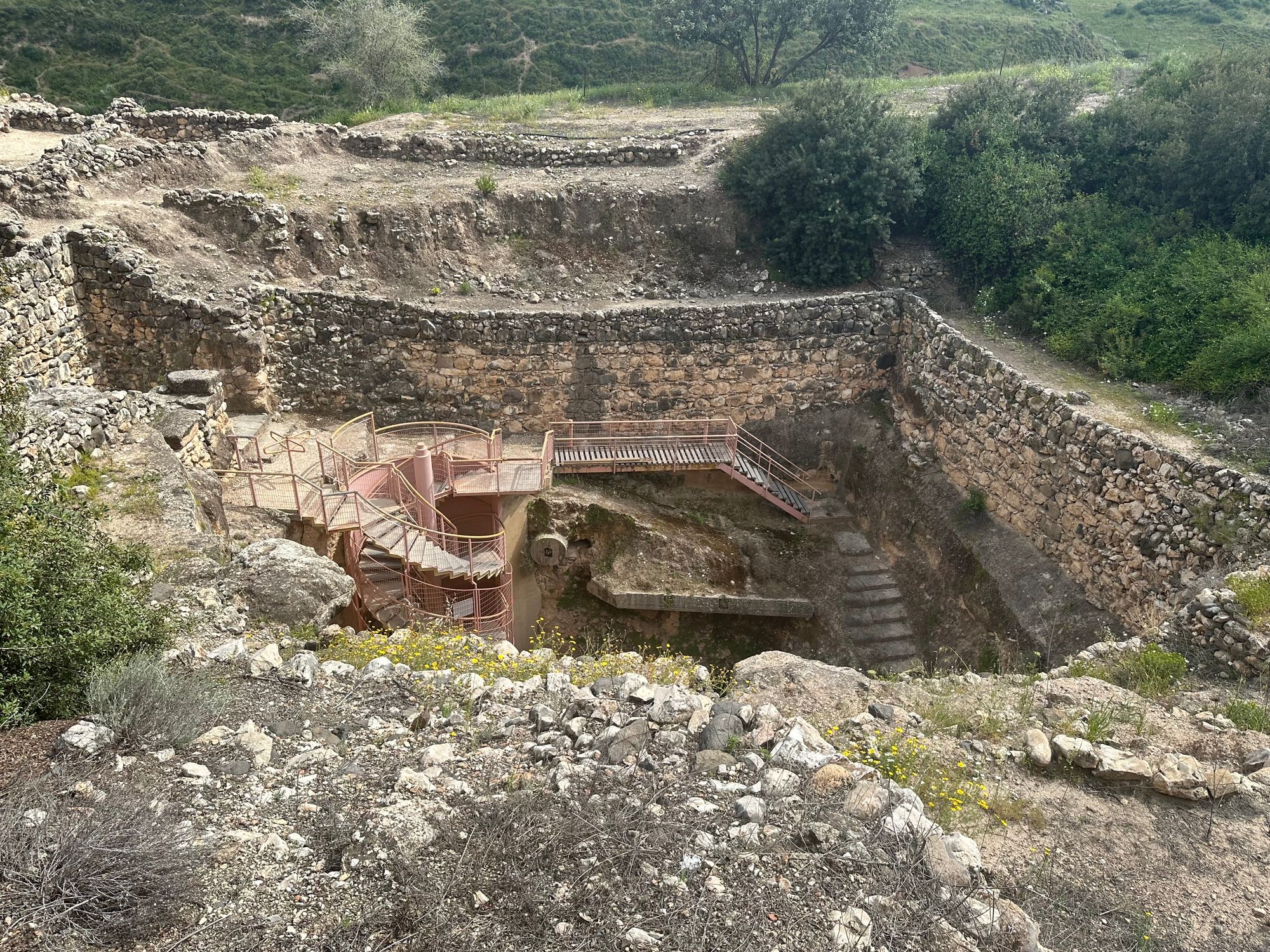
\
This was an important valley at the time since it was a major thoroughfare for trade.
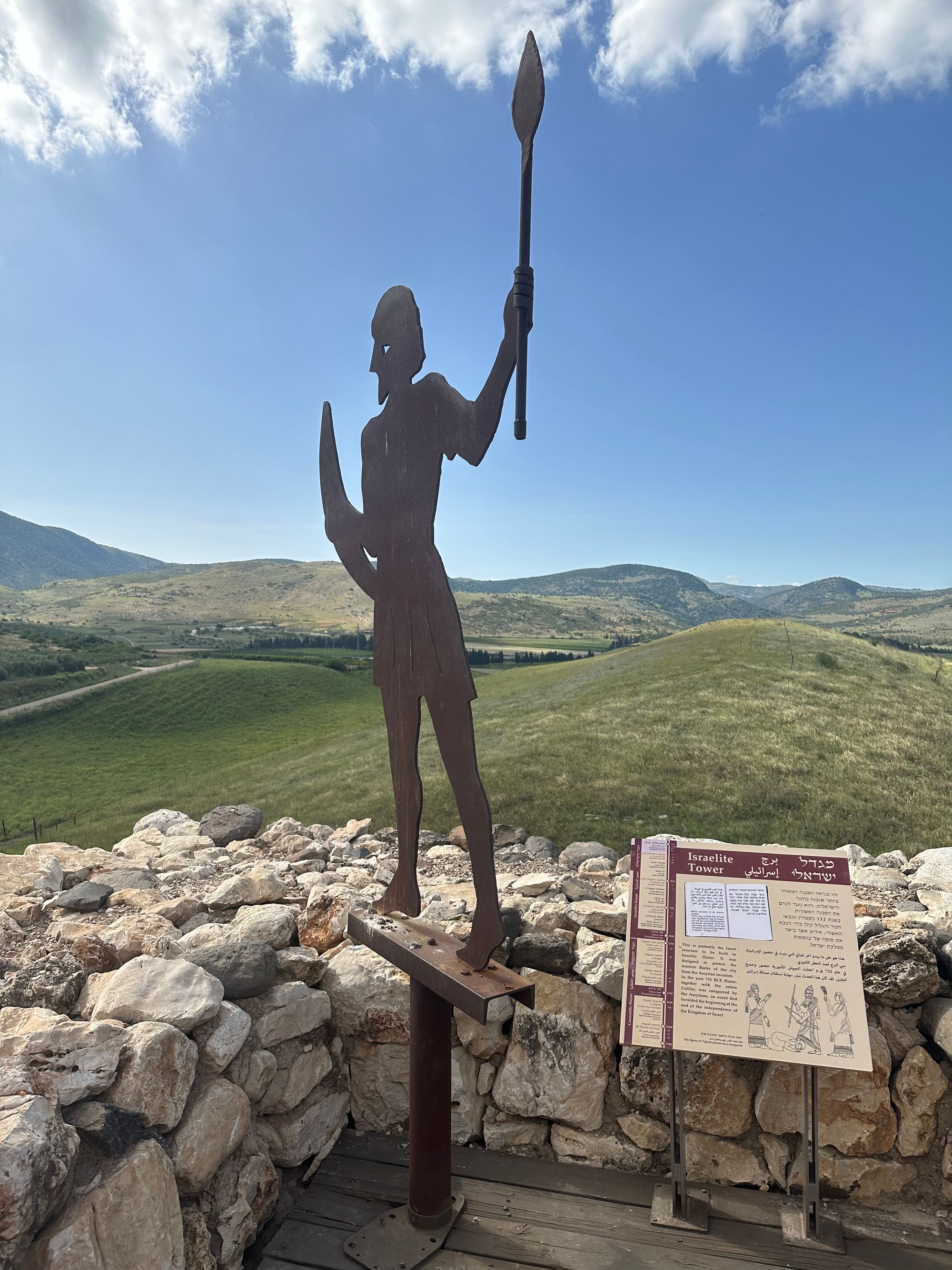
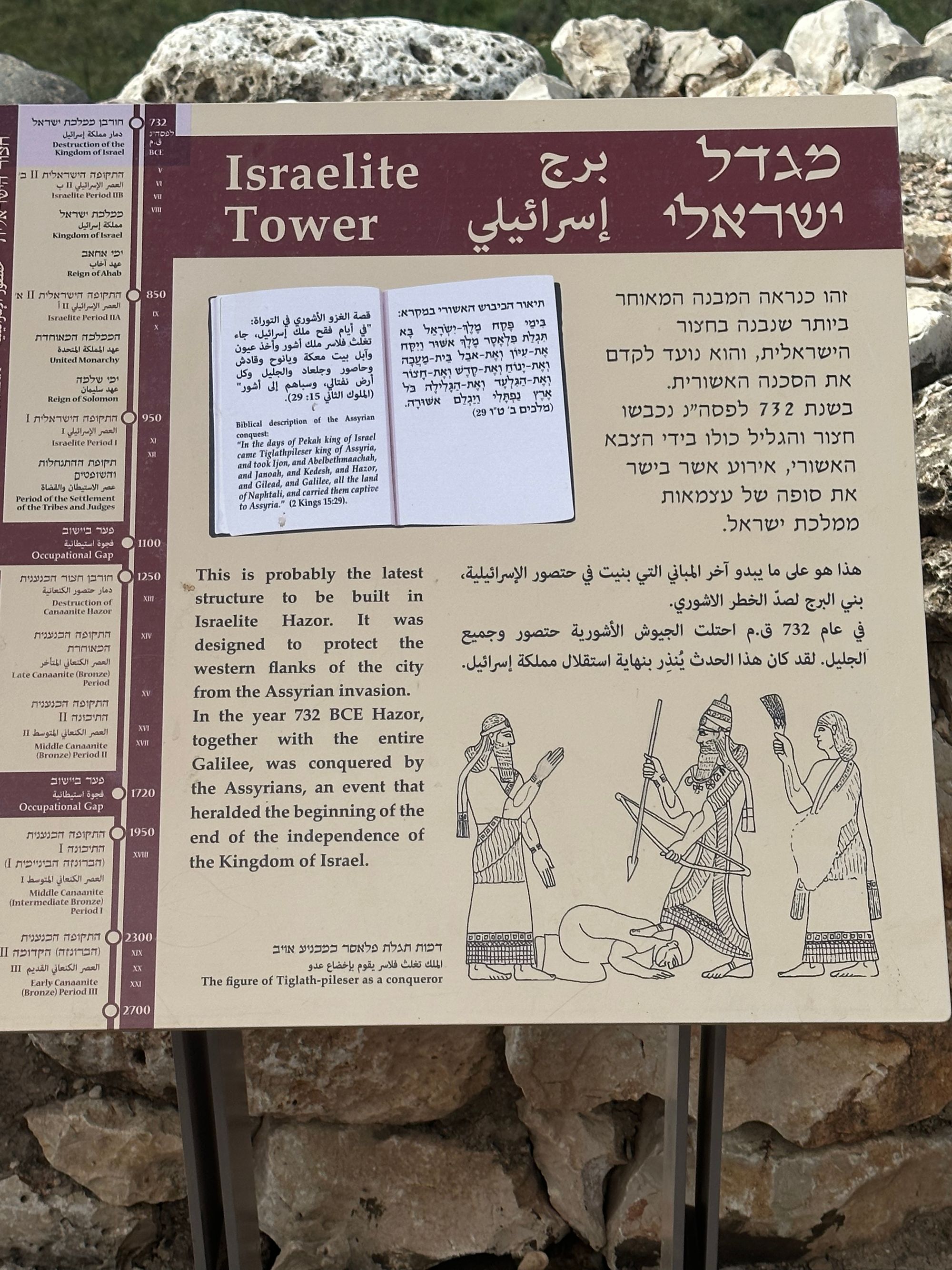
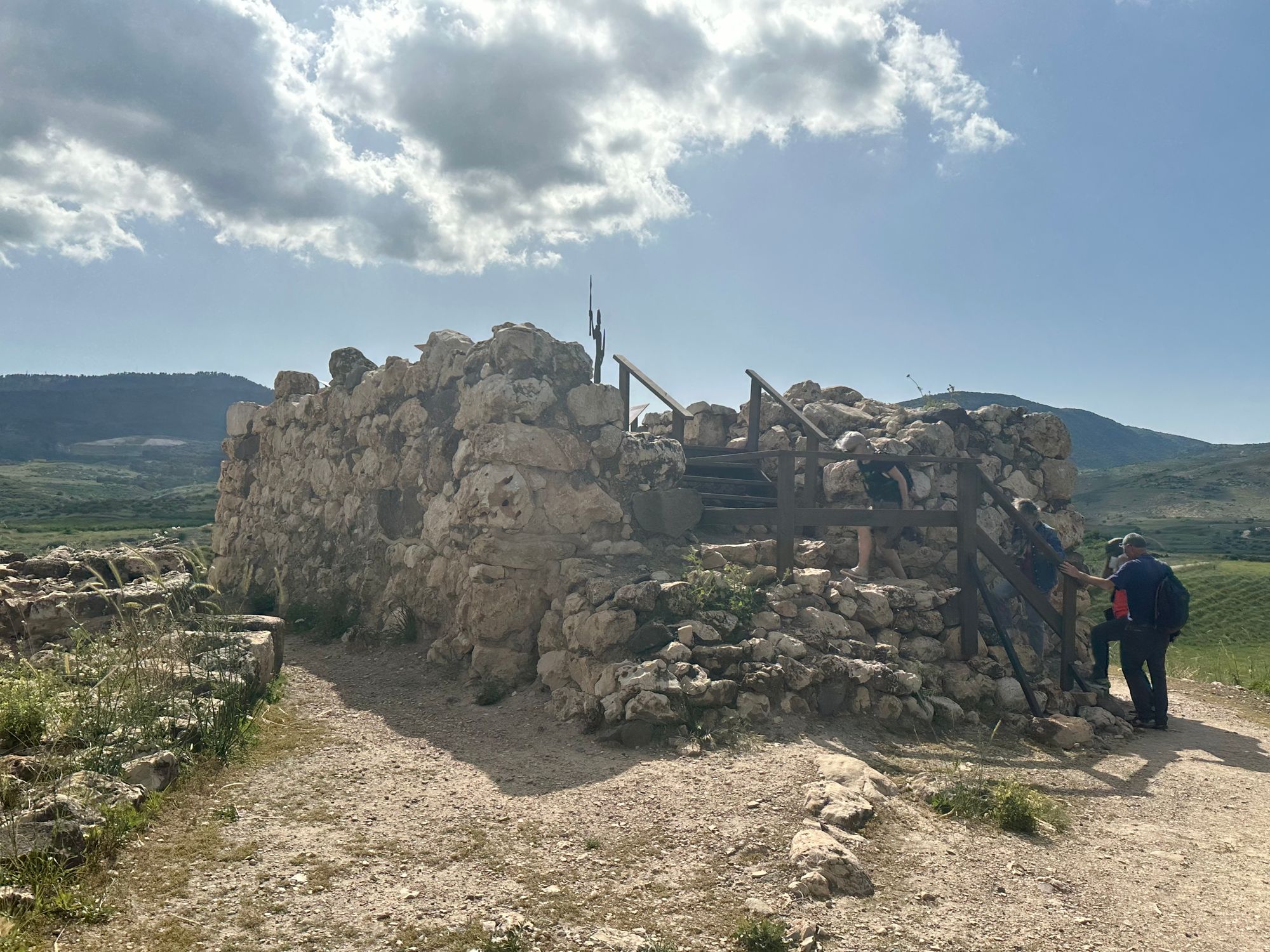
It was the largest city during Solomon's reign
Safed
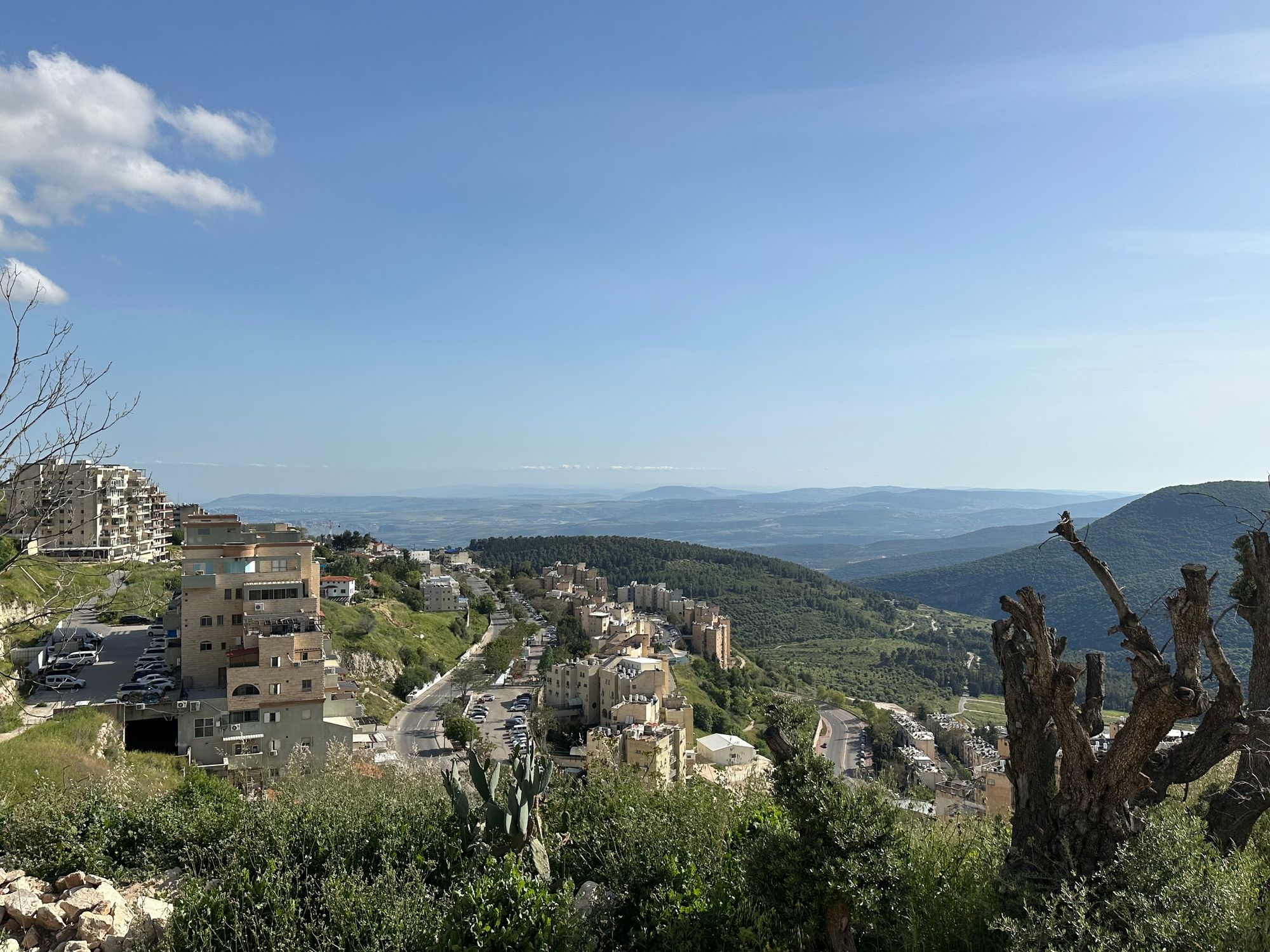
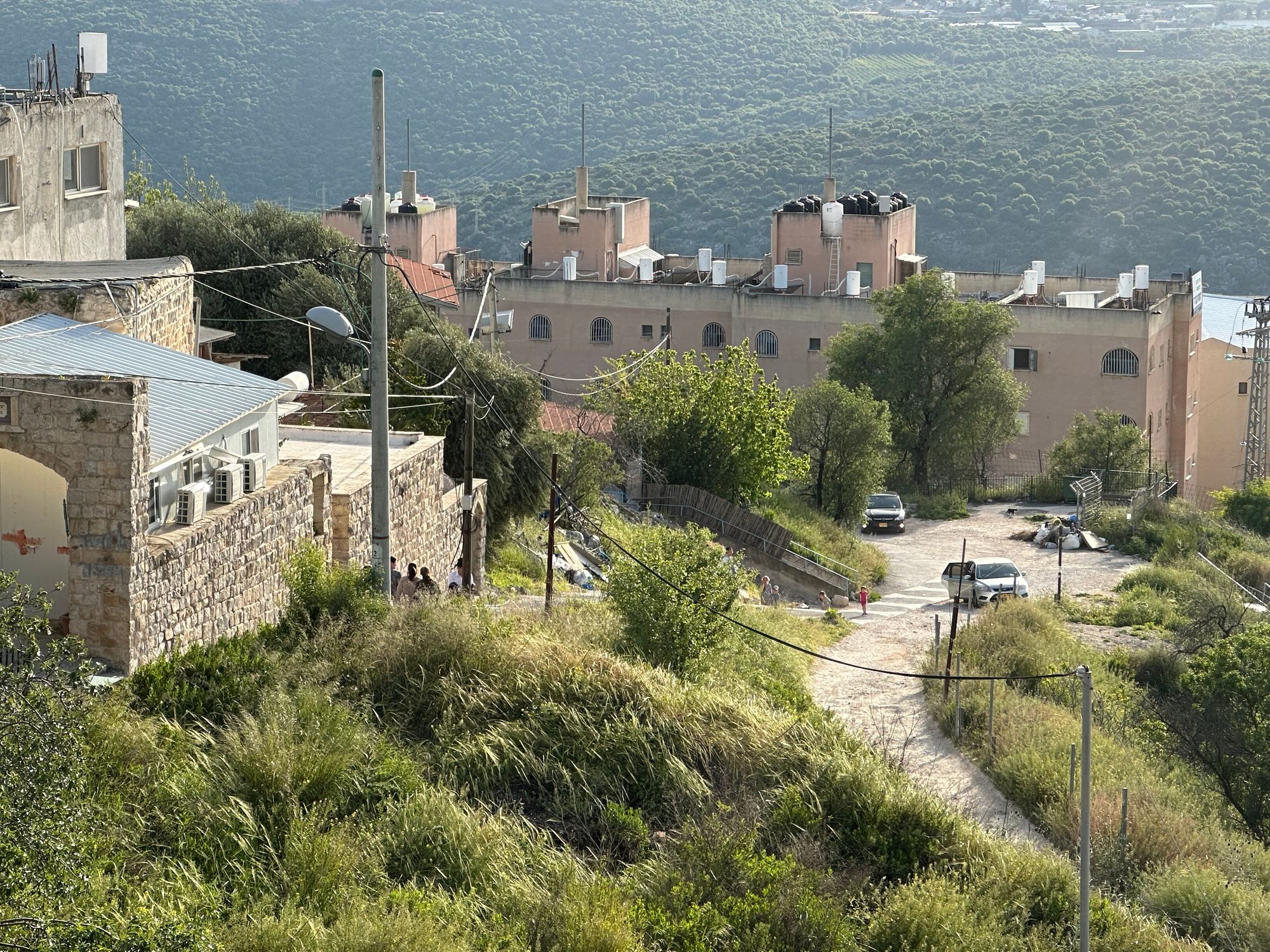
We later made our way to one of the four most important cities for practicing jews alongside Jerusalem, Hebron, and Tiberias: Safed.
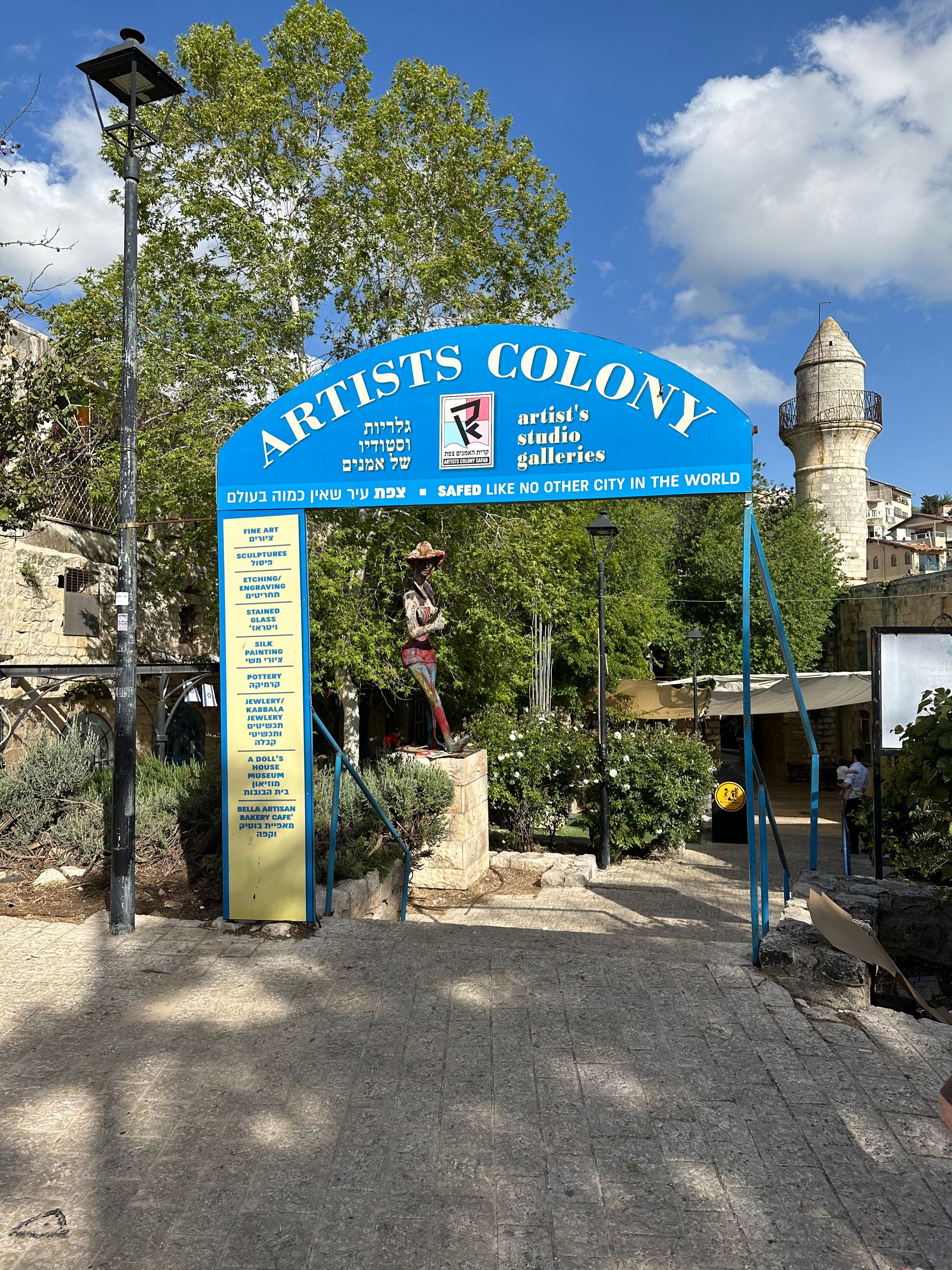
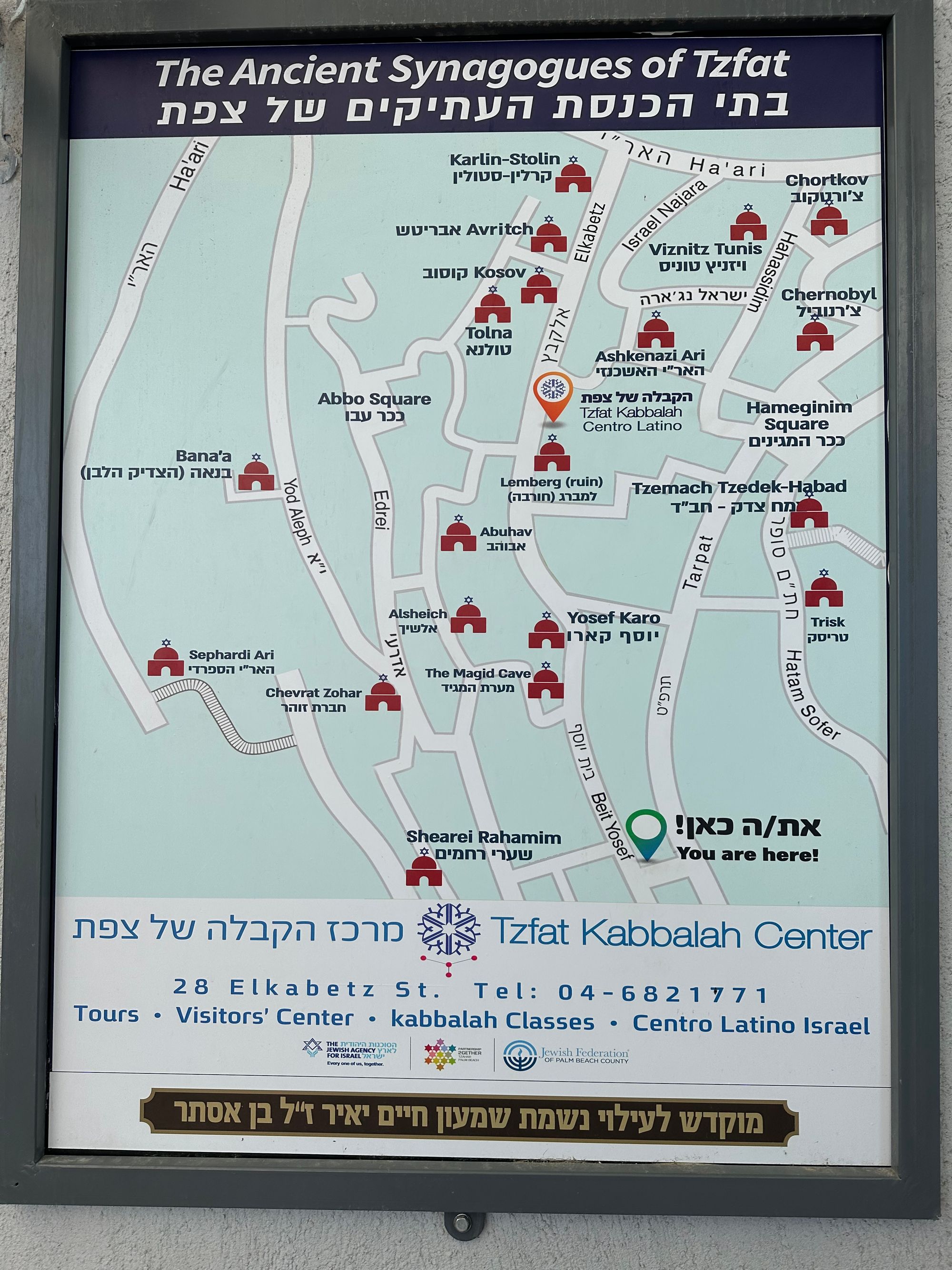
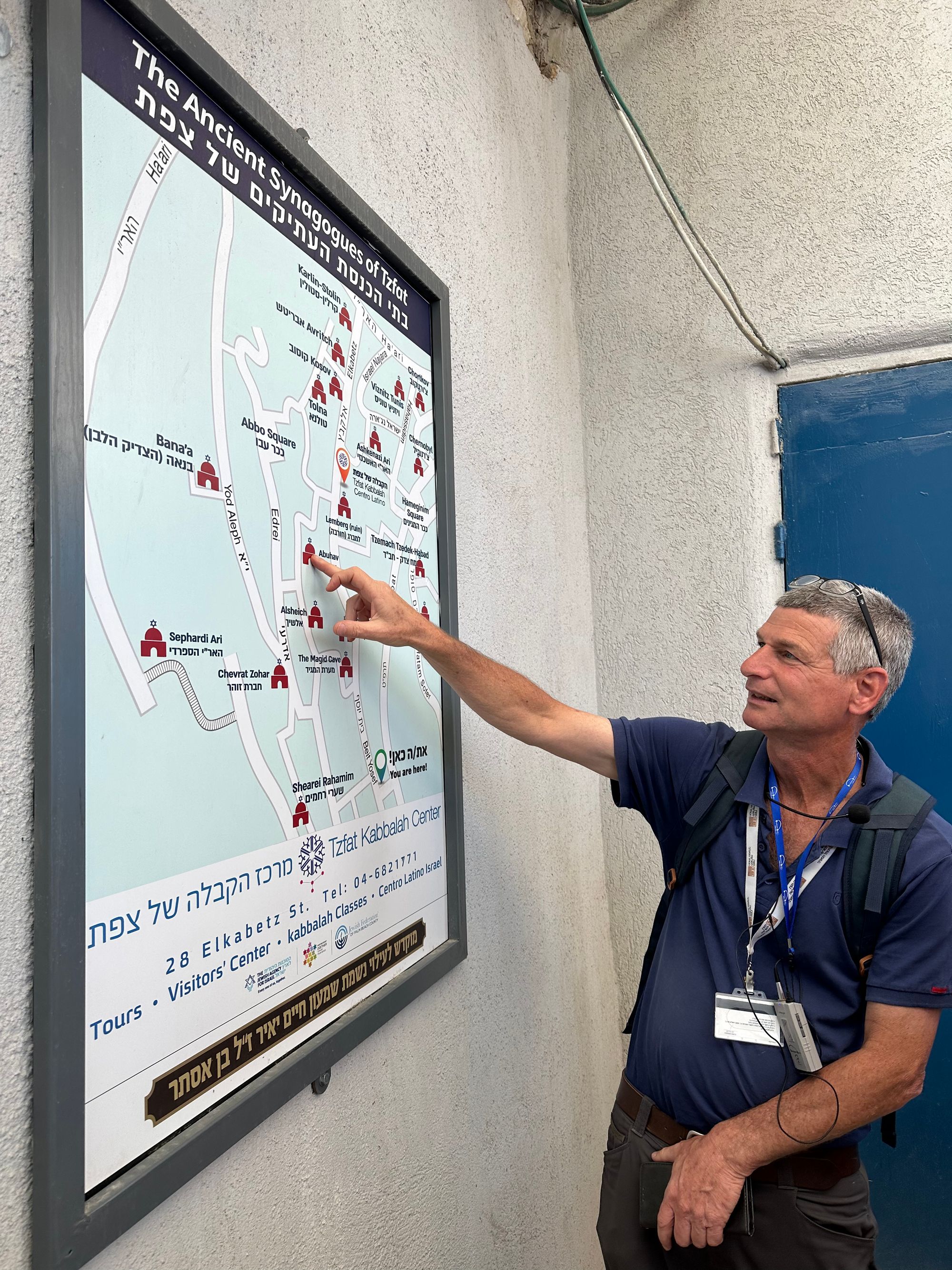
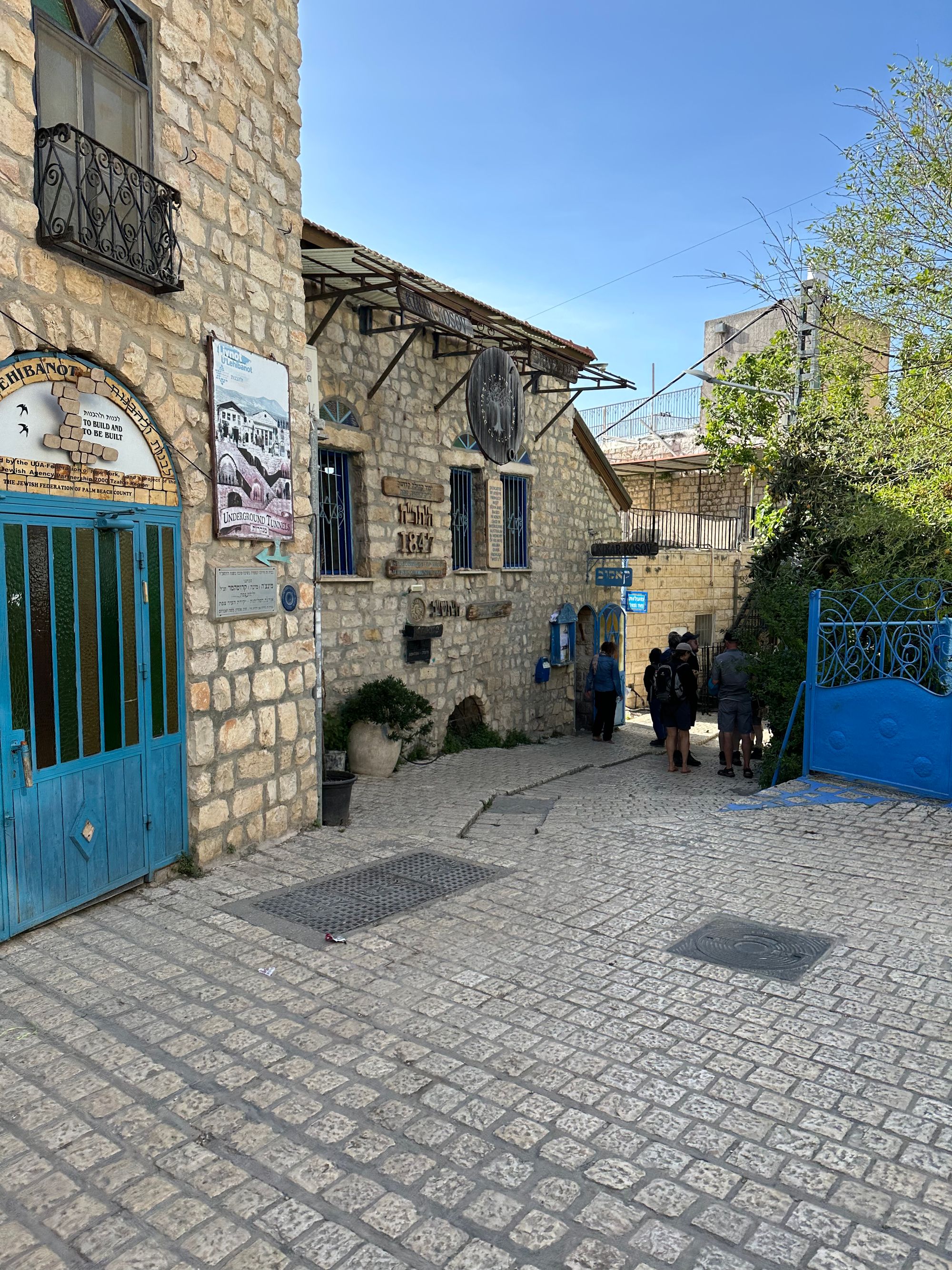
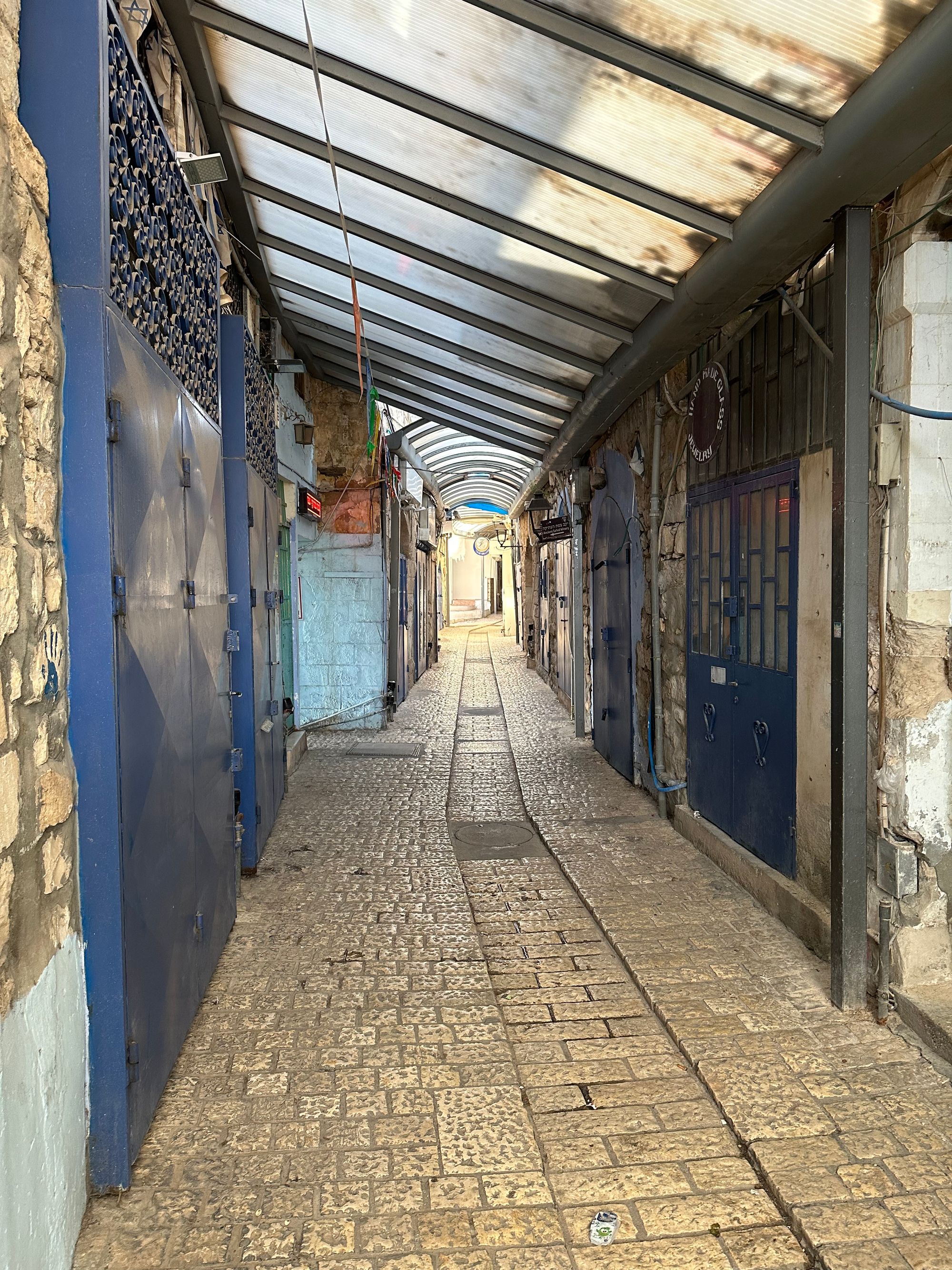
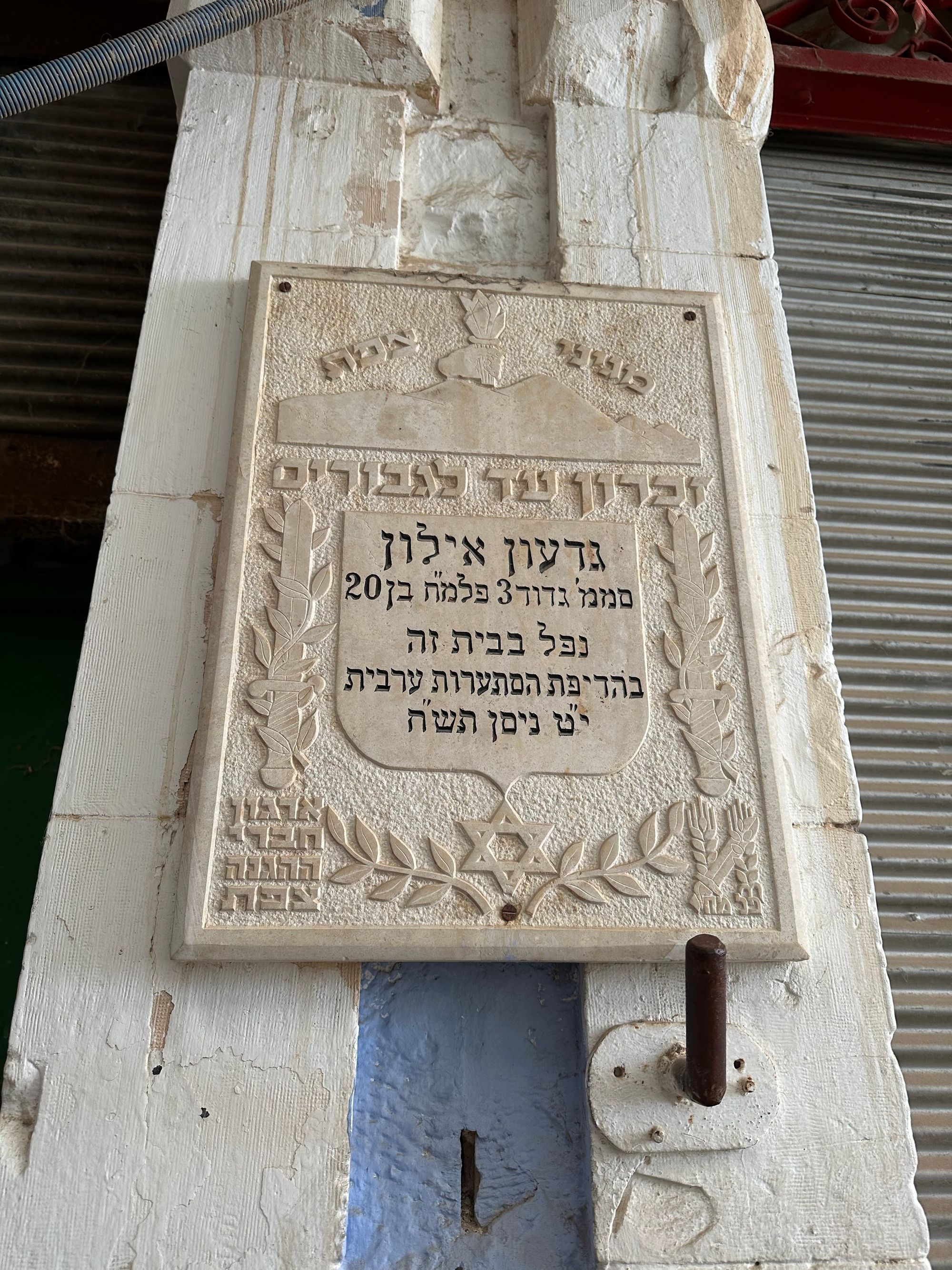
This city is the home of some of the more mystical parts of Judaism, namely kabbalah.
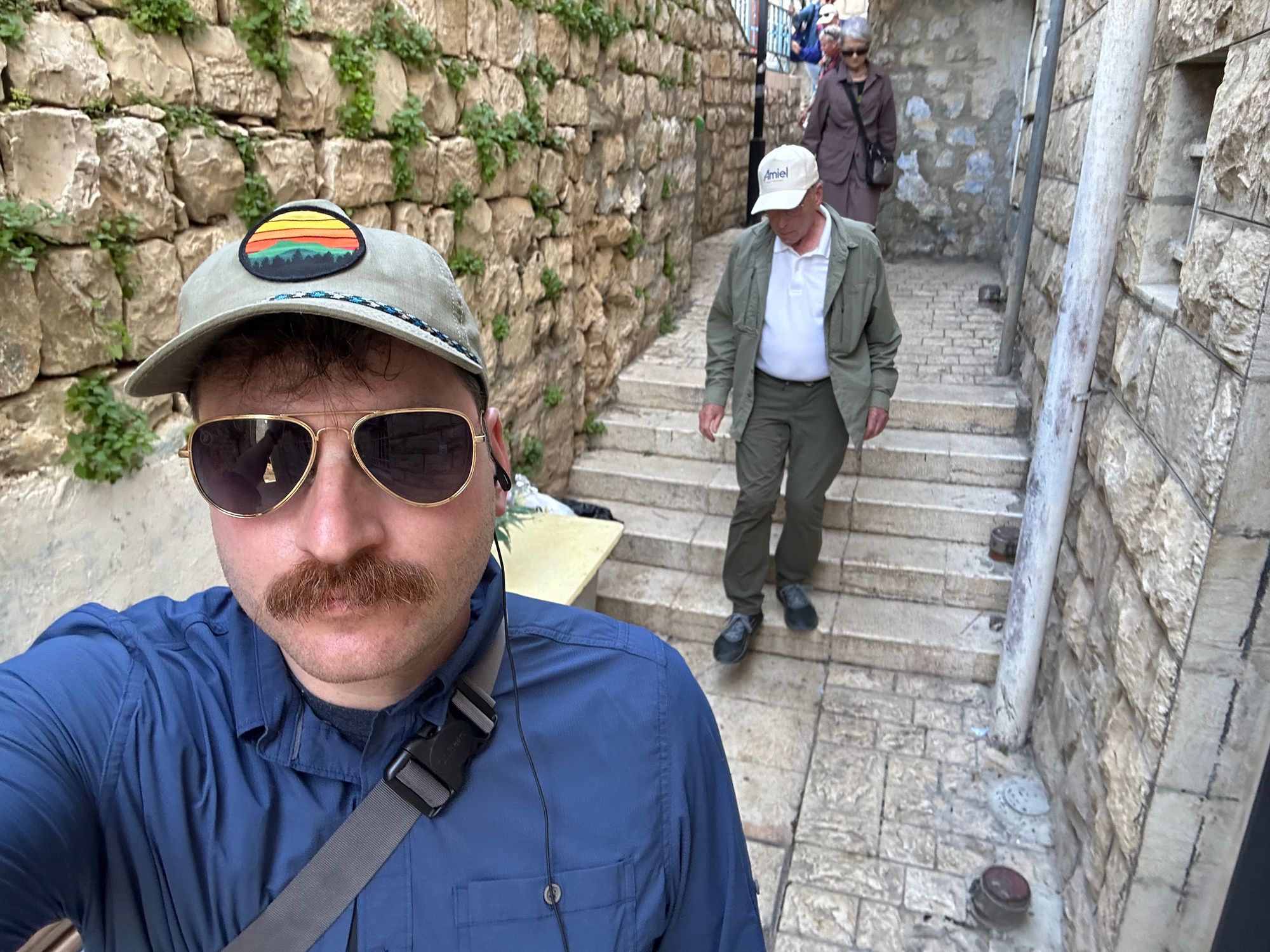
Kaballah was initially taught by a rabbi in town within an orchard, a synagogue was eventually placed in the spot where it was taught. One interesting idea that came out of it is that we can't learn the holy text (Torah) without joy – which led to a lot of giggling religious zealots
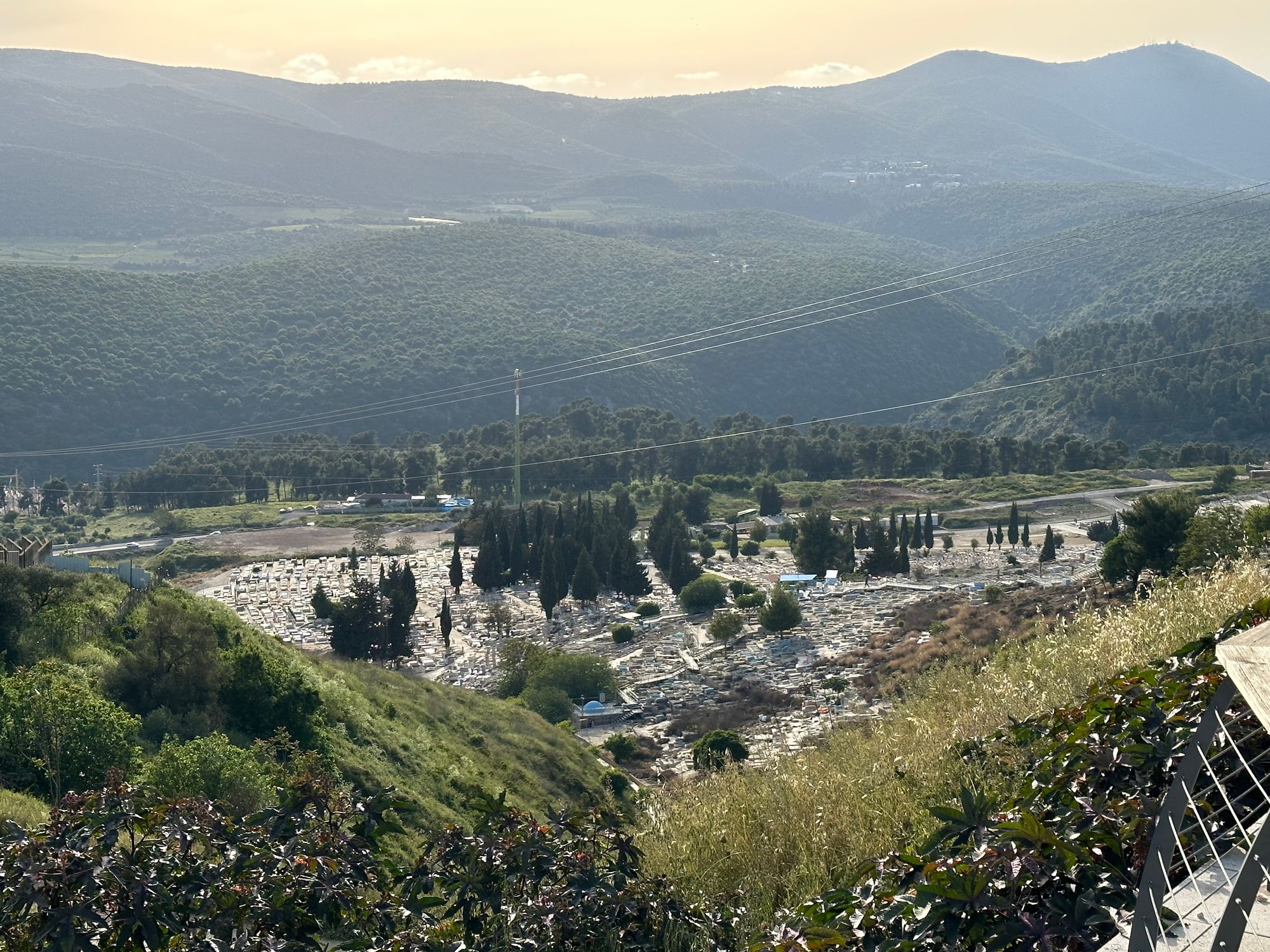
Next time we're told we need to visit the Abuhav Synagogue.
Tiberias
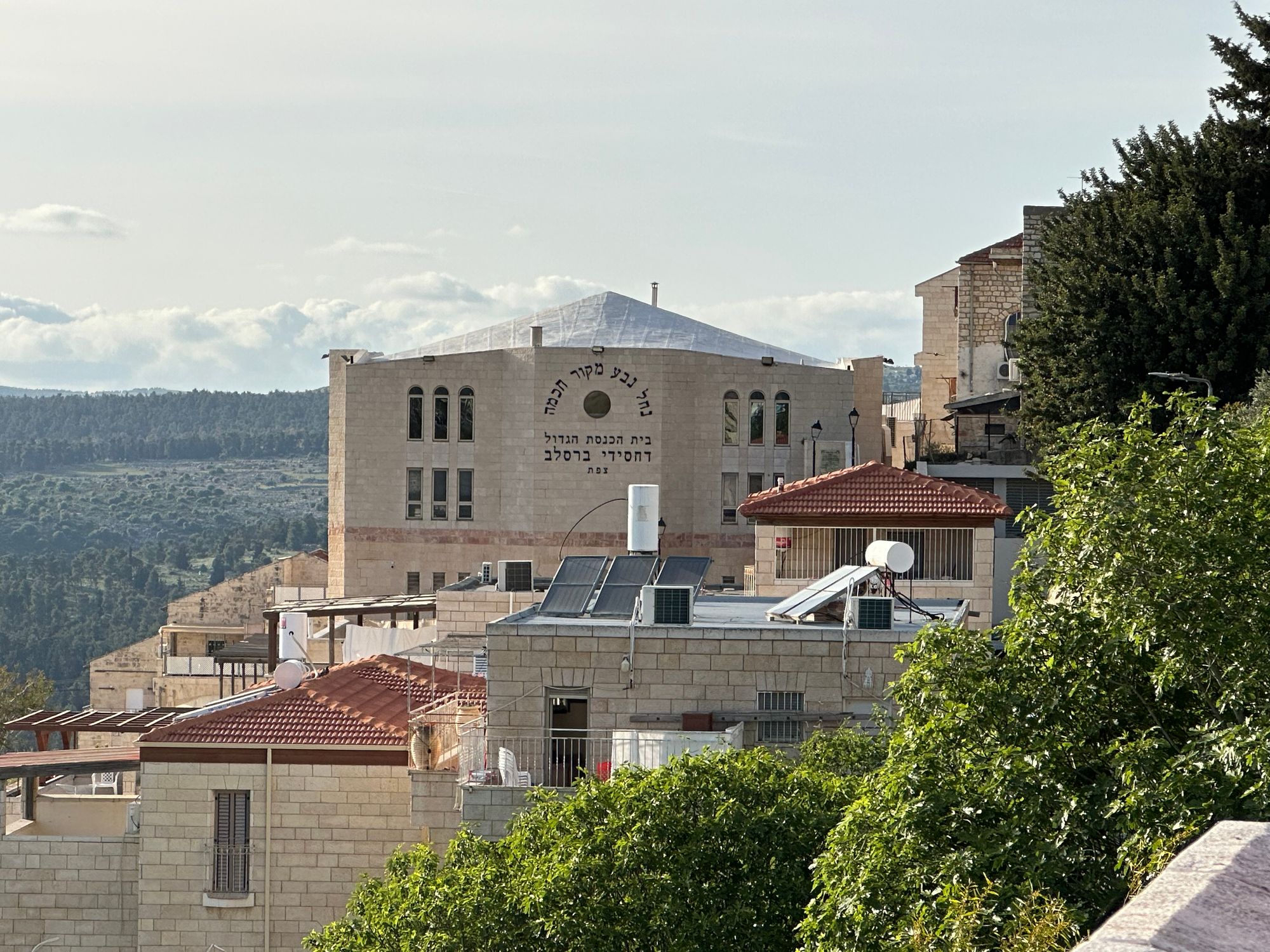
On our way back to the hotel we drive through Tiberias, another city on the sea of Galillee that has its roots in the biblical era.
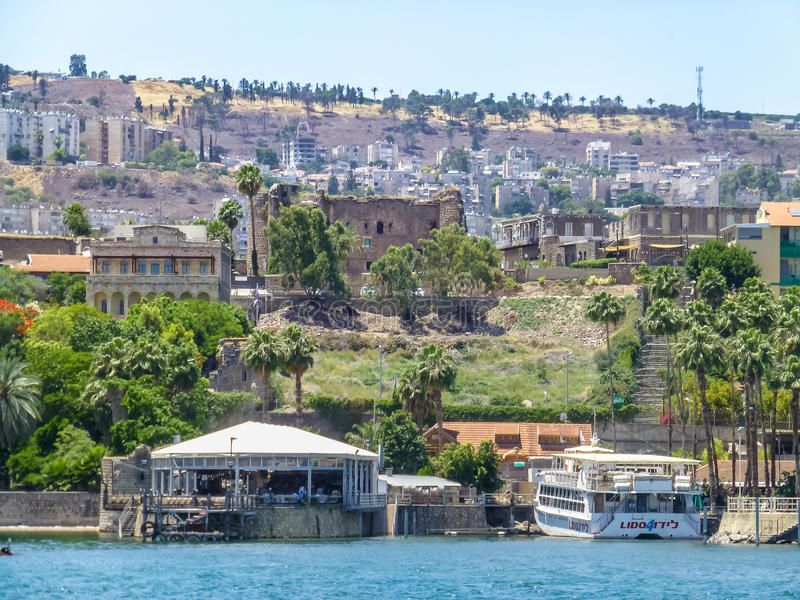
Our guide tells us about an ancient cemetary where, among others, we're told that Maimonides is buried (even though he died in Cairo).
There are also a lot of messianic jews here as well as some ruins that date from the crusades as well as roman eras. The city also has hot springs.
...
Day 5 coming up next!