Day 5: Jordan Valley
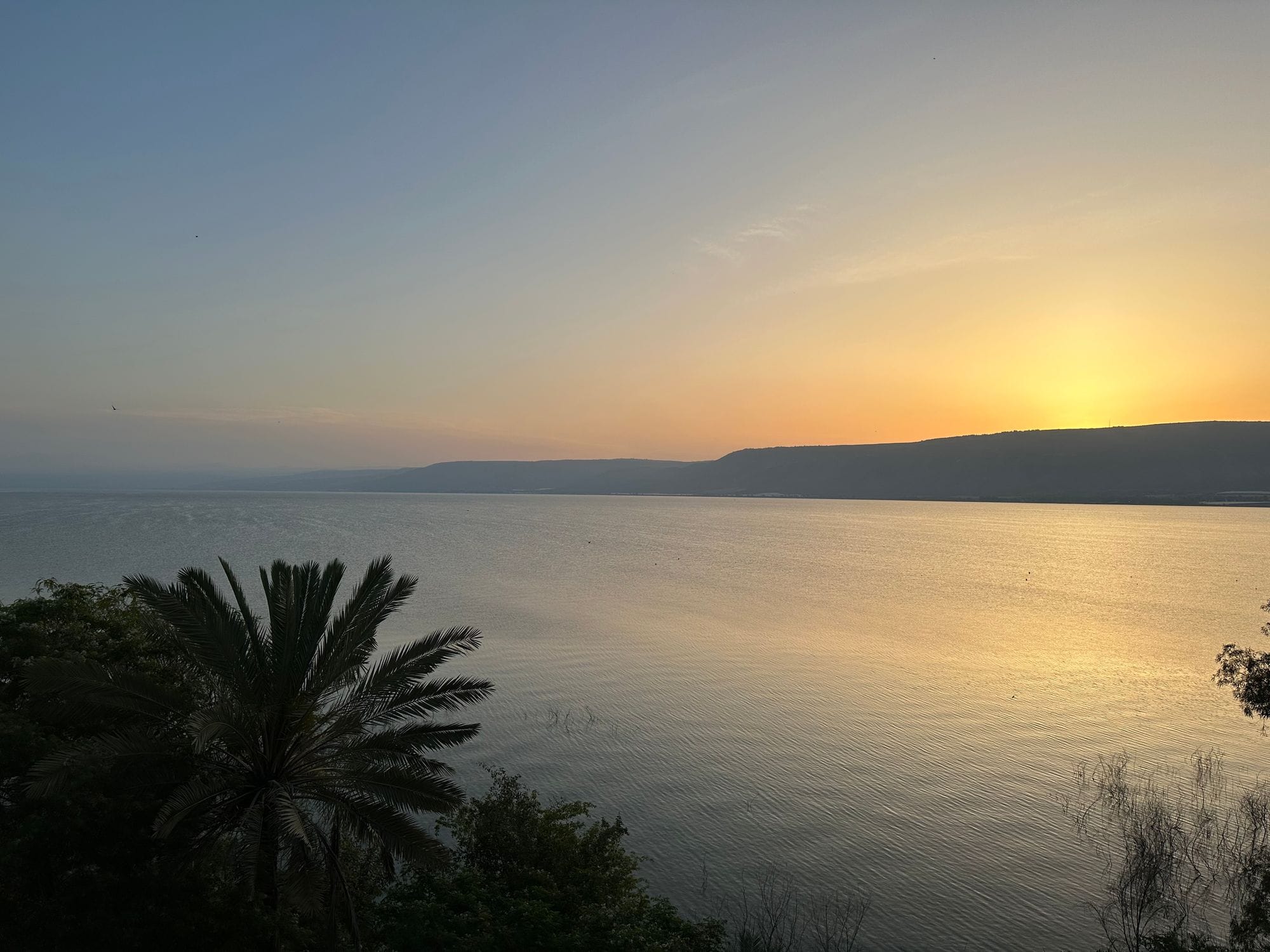
April 22nd, 2023
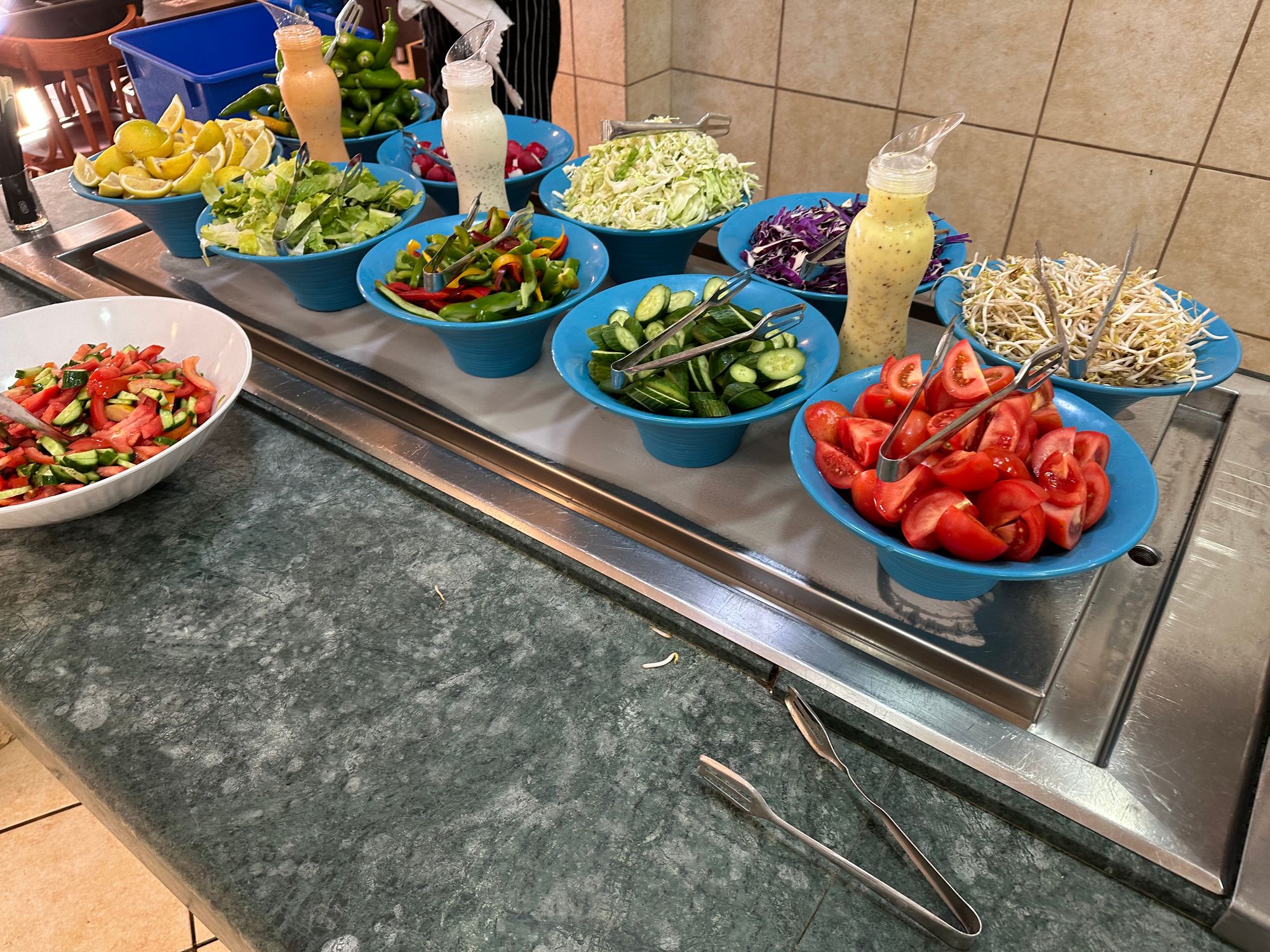
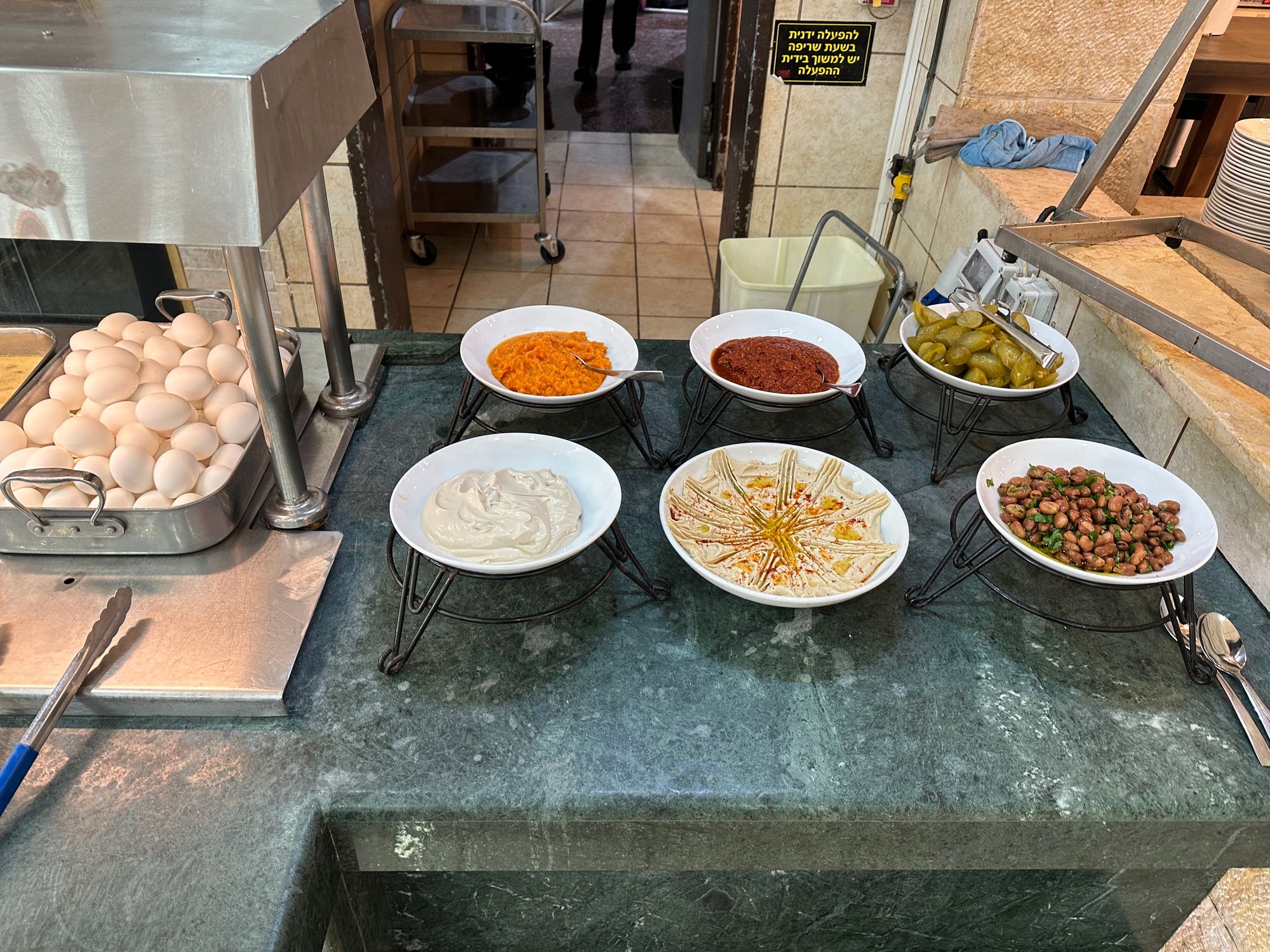
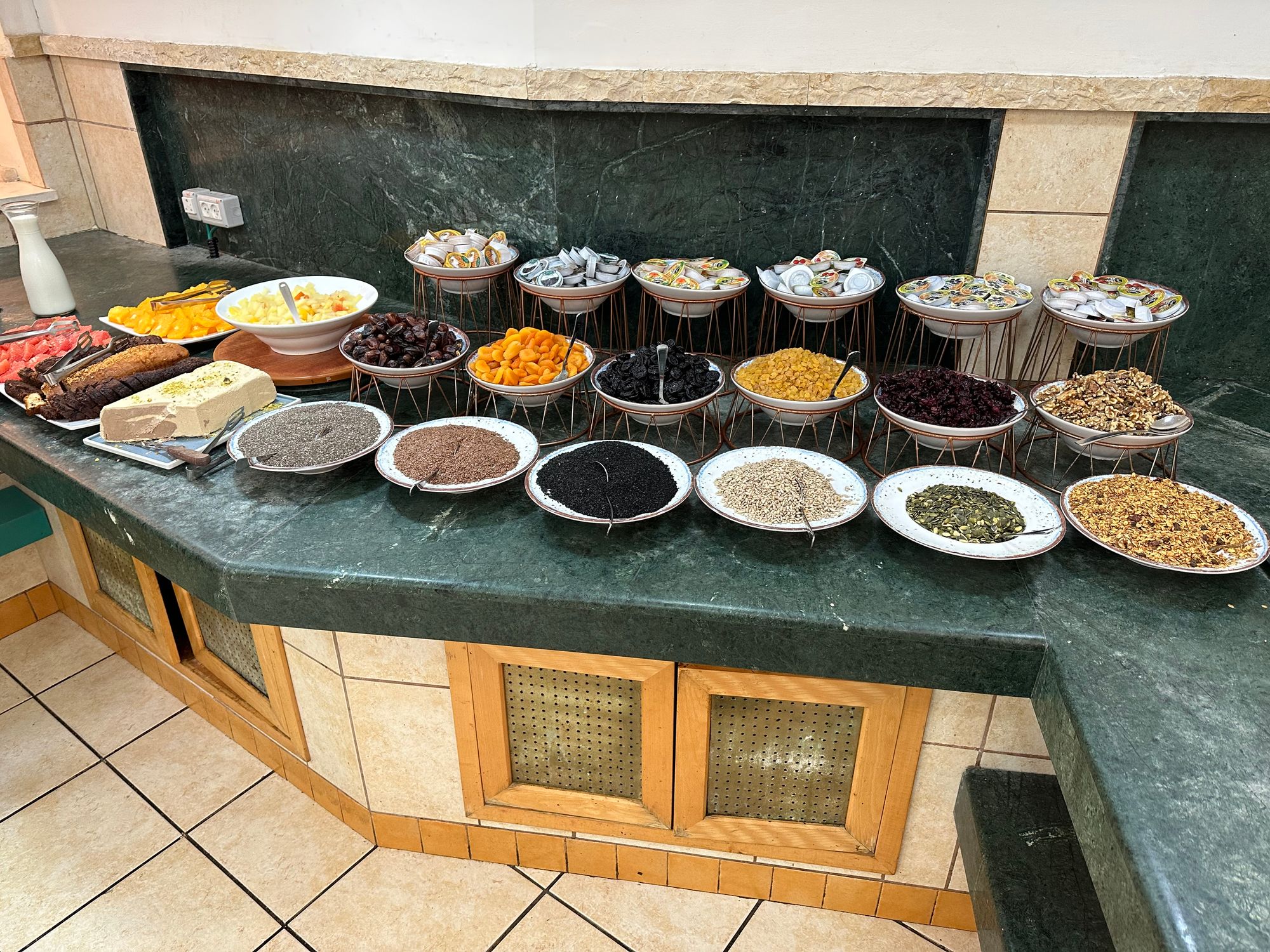
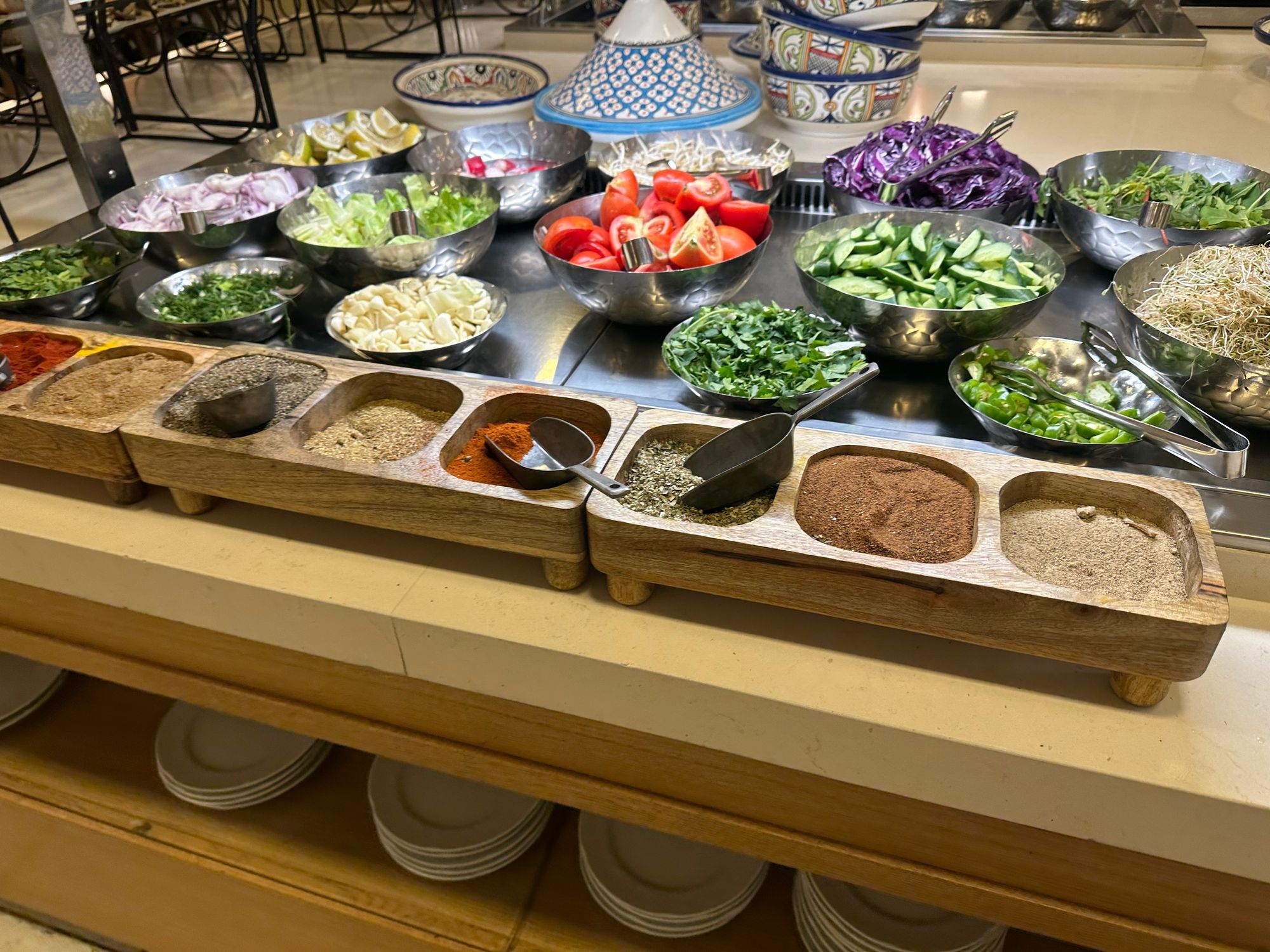
Breakfast
After breakfast we headed south through the Jordan Valley. Our first stop...
Bet She'An (aka "Scythopolis")
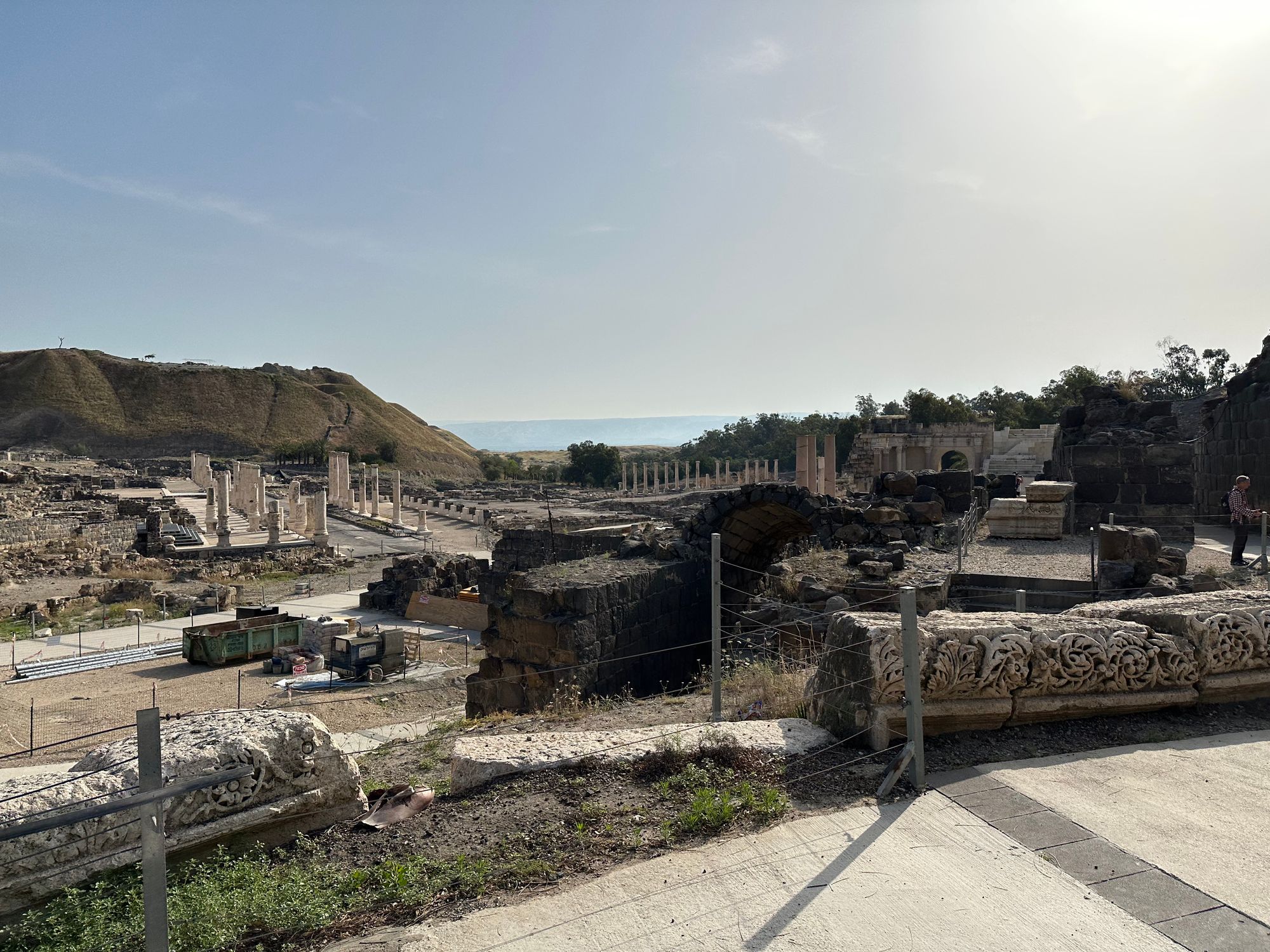
Our first stop today is Bet She'An or "Scythopolis" according to its Roman name.
The ancient city has a lot of history, and remains have been found going all of the way back to roughly 5000 BCE before becoming a large Egyption/Canaanite city. Ramses II would have come here during his reign.
- 4000 - 1130 BCE: large Egyptian/Canaanite city
- 1130 - 730 BCE: Israelite city
- 730 - 60 BCE: Hellenistic period
- 60 BCE - 320 CE: Roman
- 320 - 630 CE: Byzantine
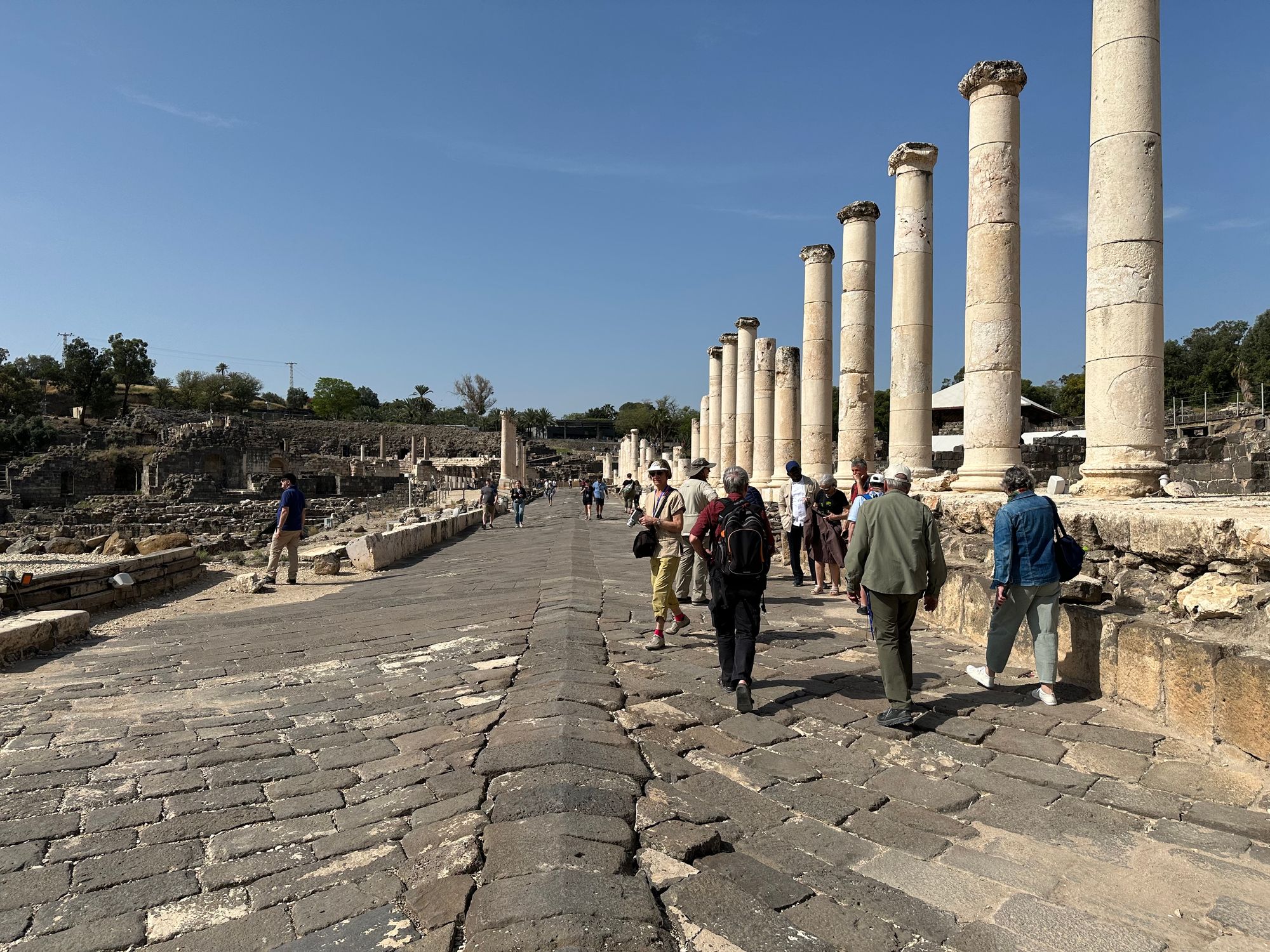
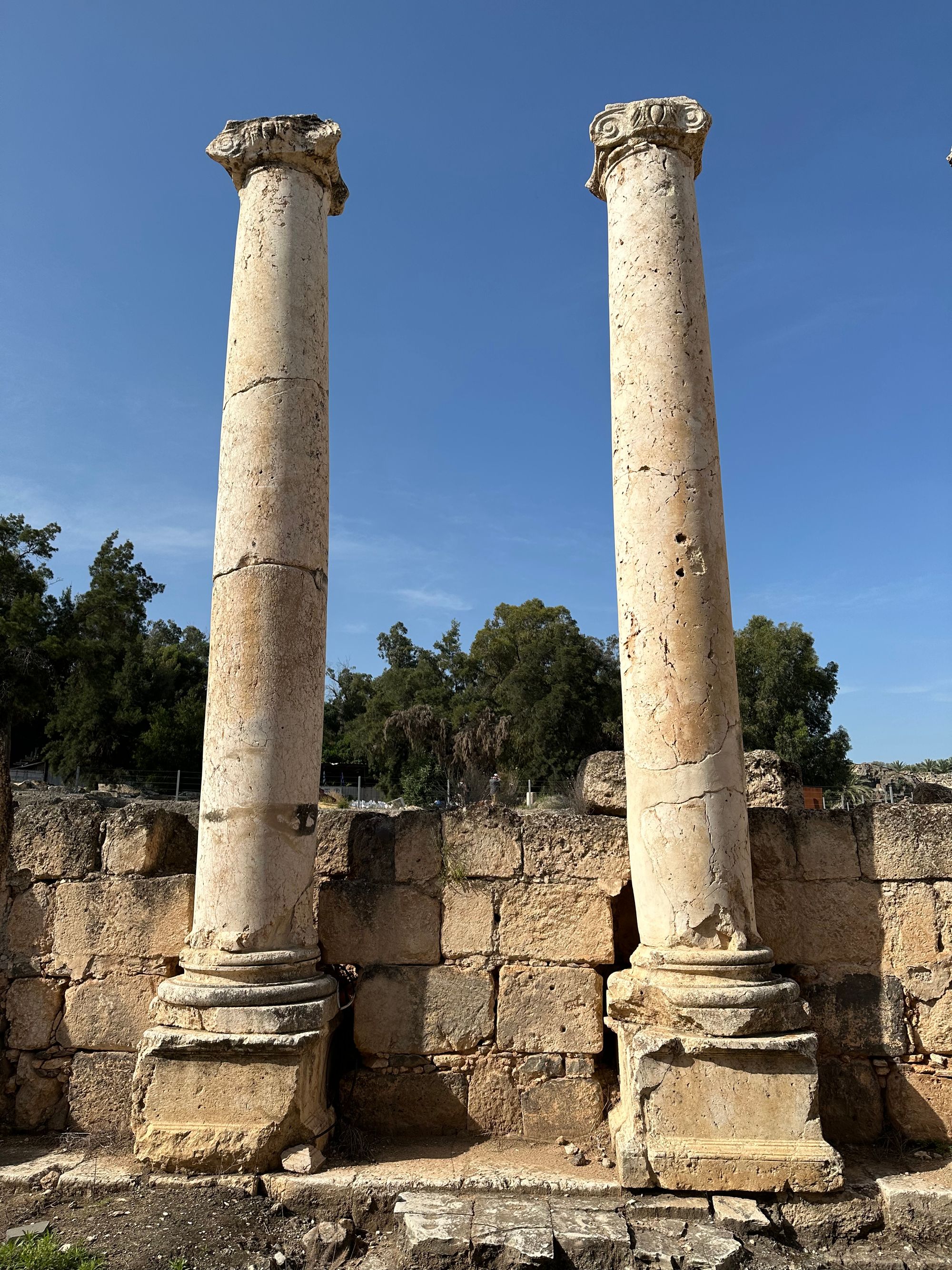
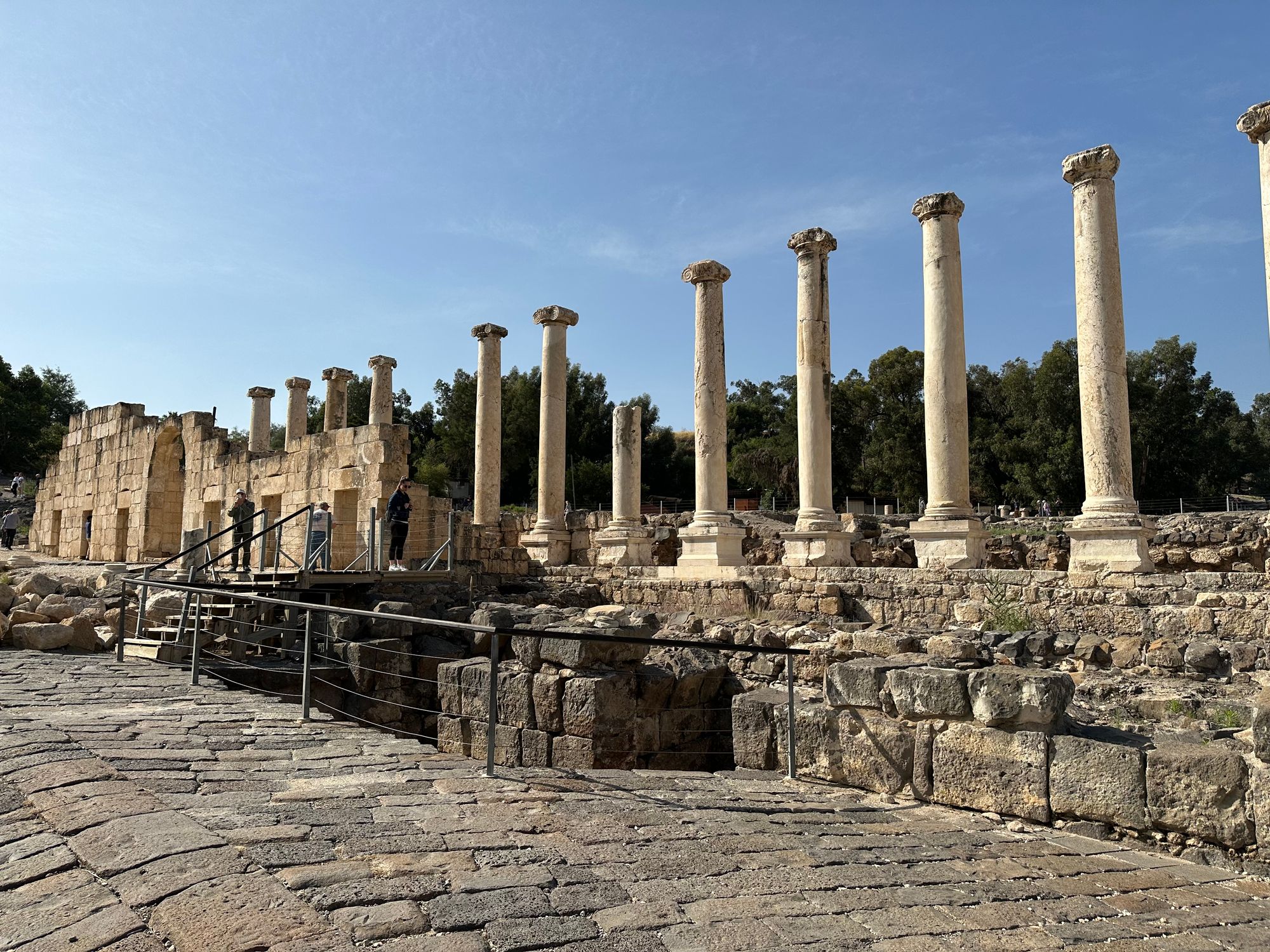
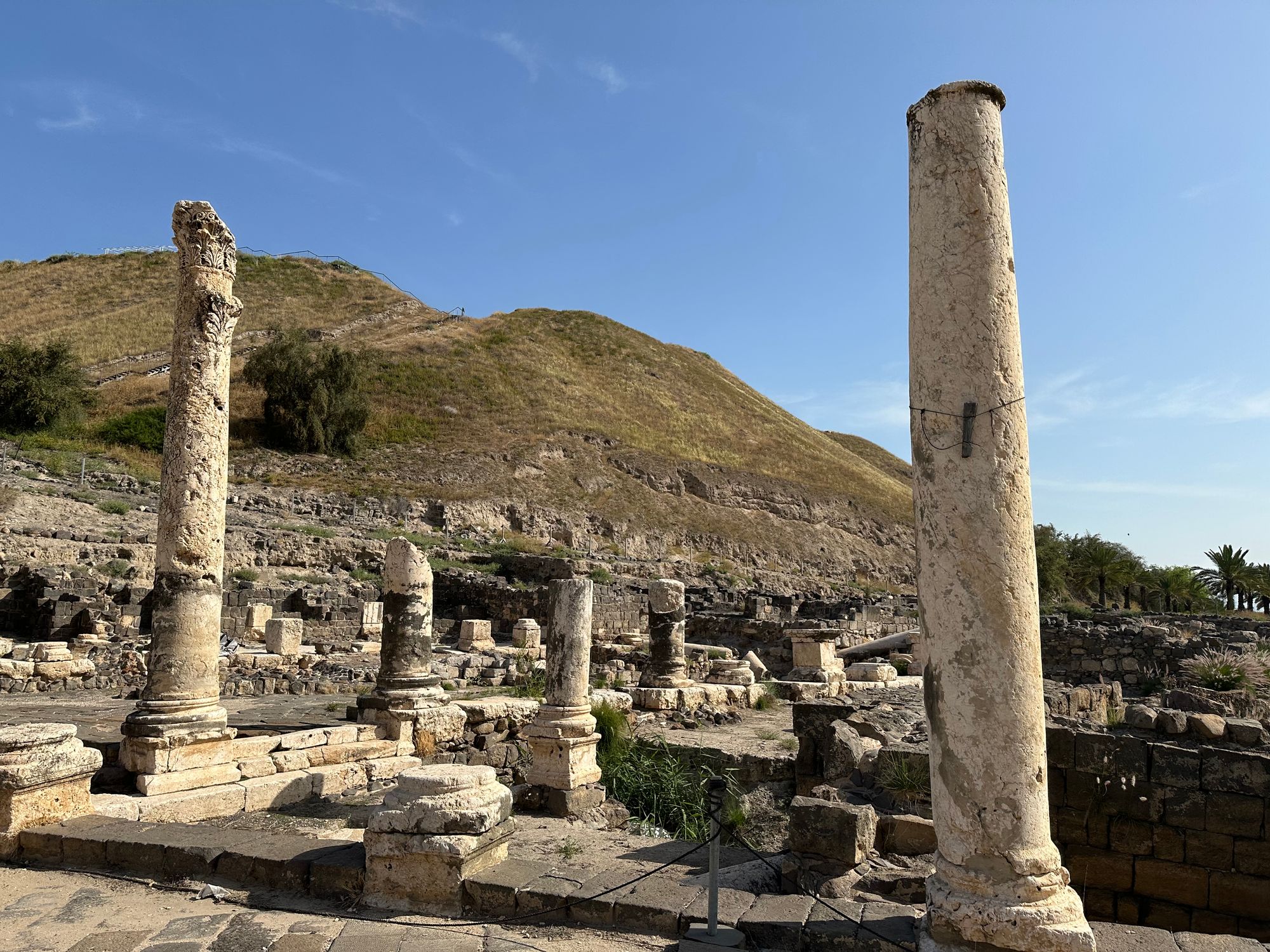
Most of the ruins we see today are from the Roman era.
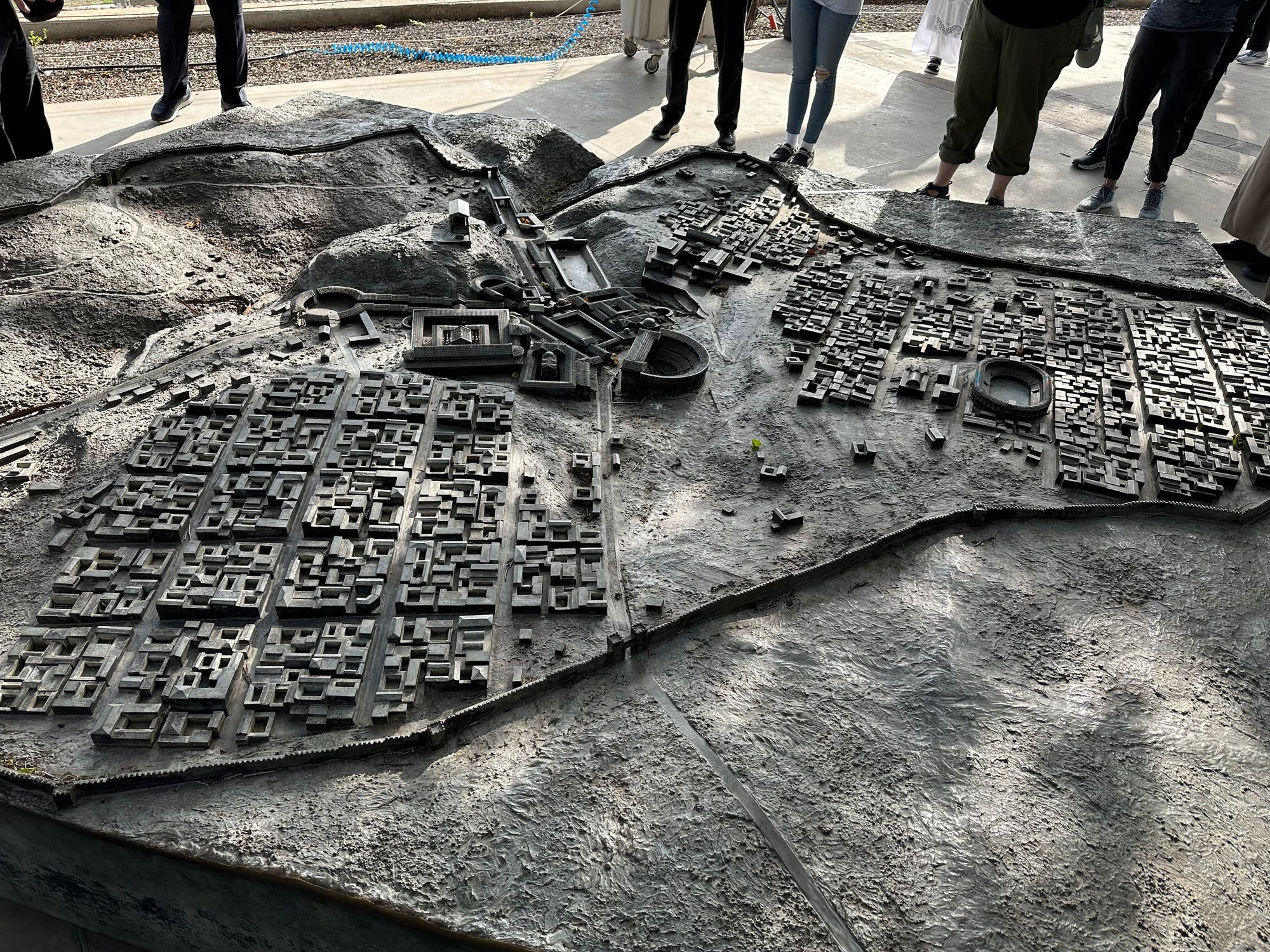
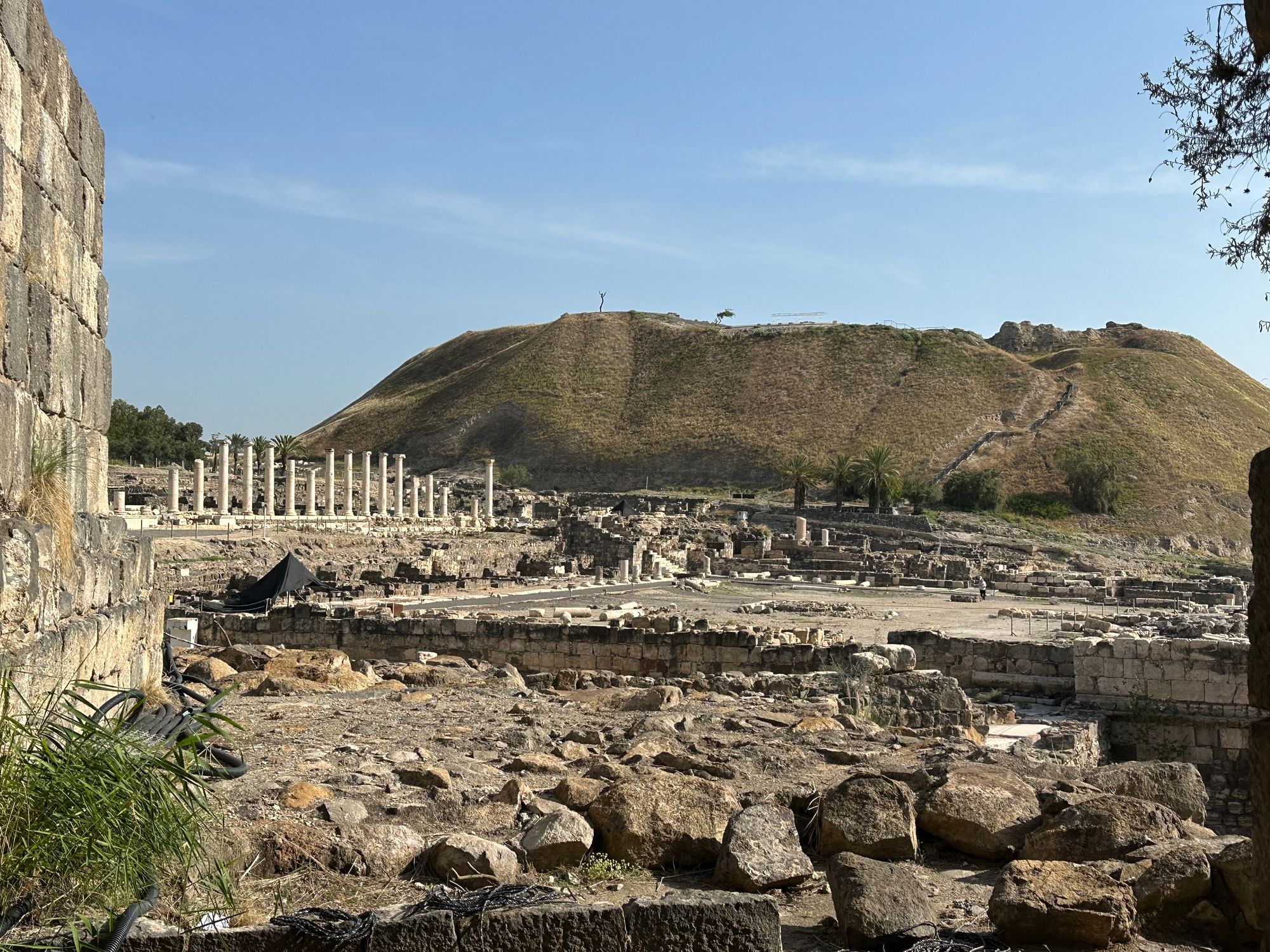
The city was eventually destroyed during the earthquake of 749 (early Muslim period)
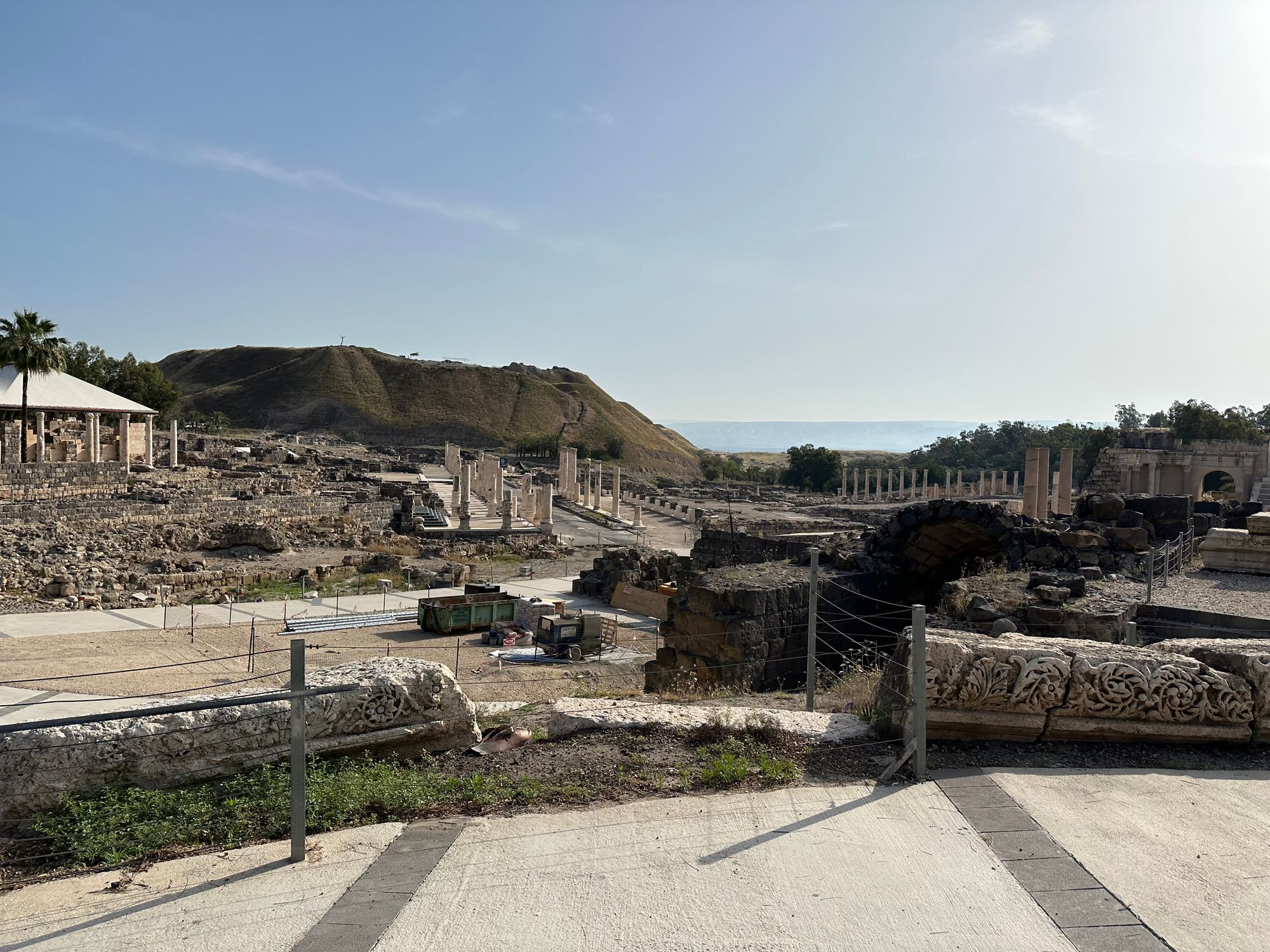
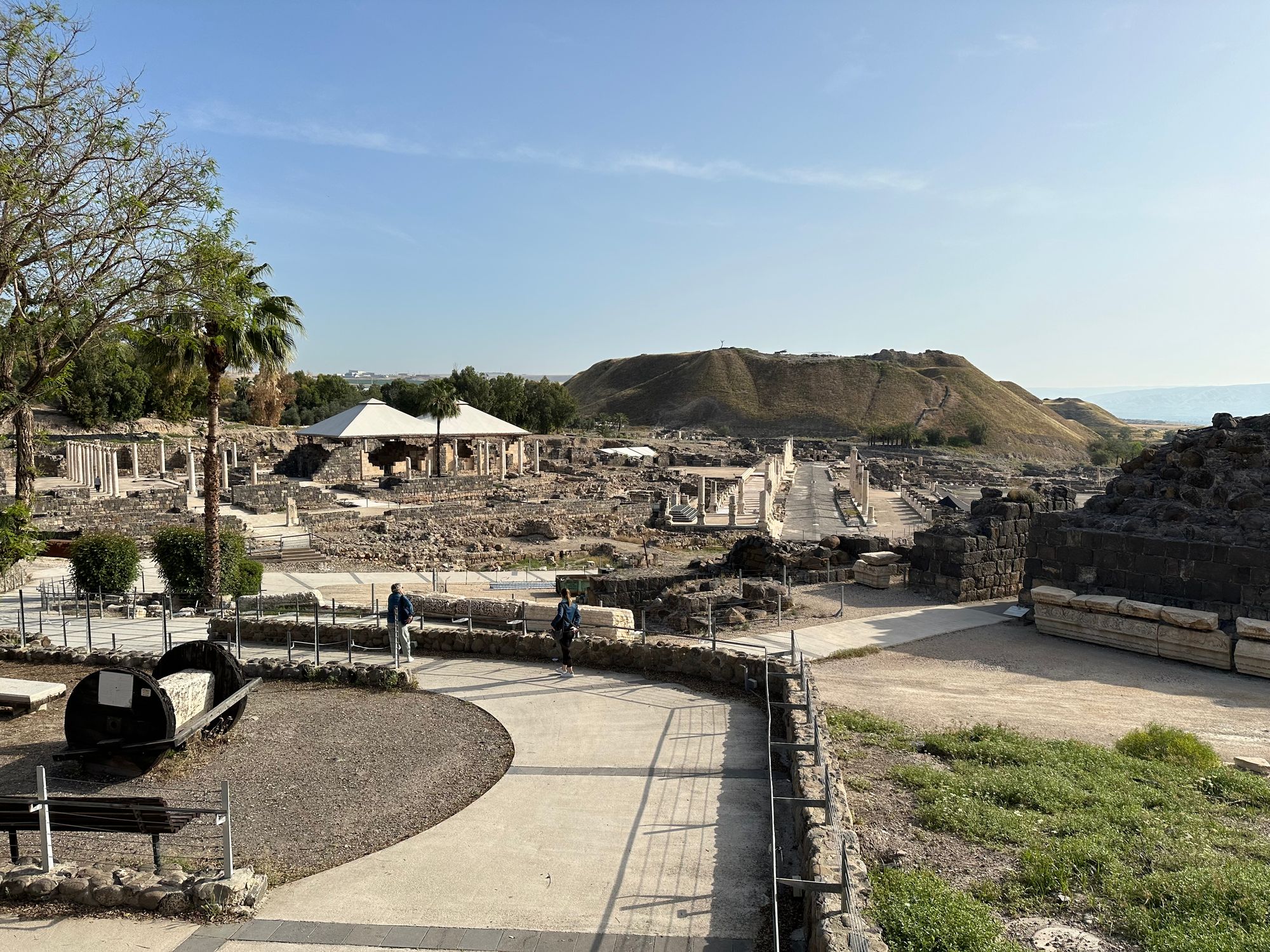
It's also known for having one of the best-preserved roman theaters
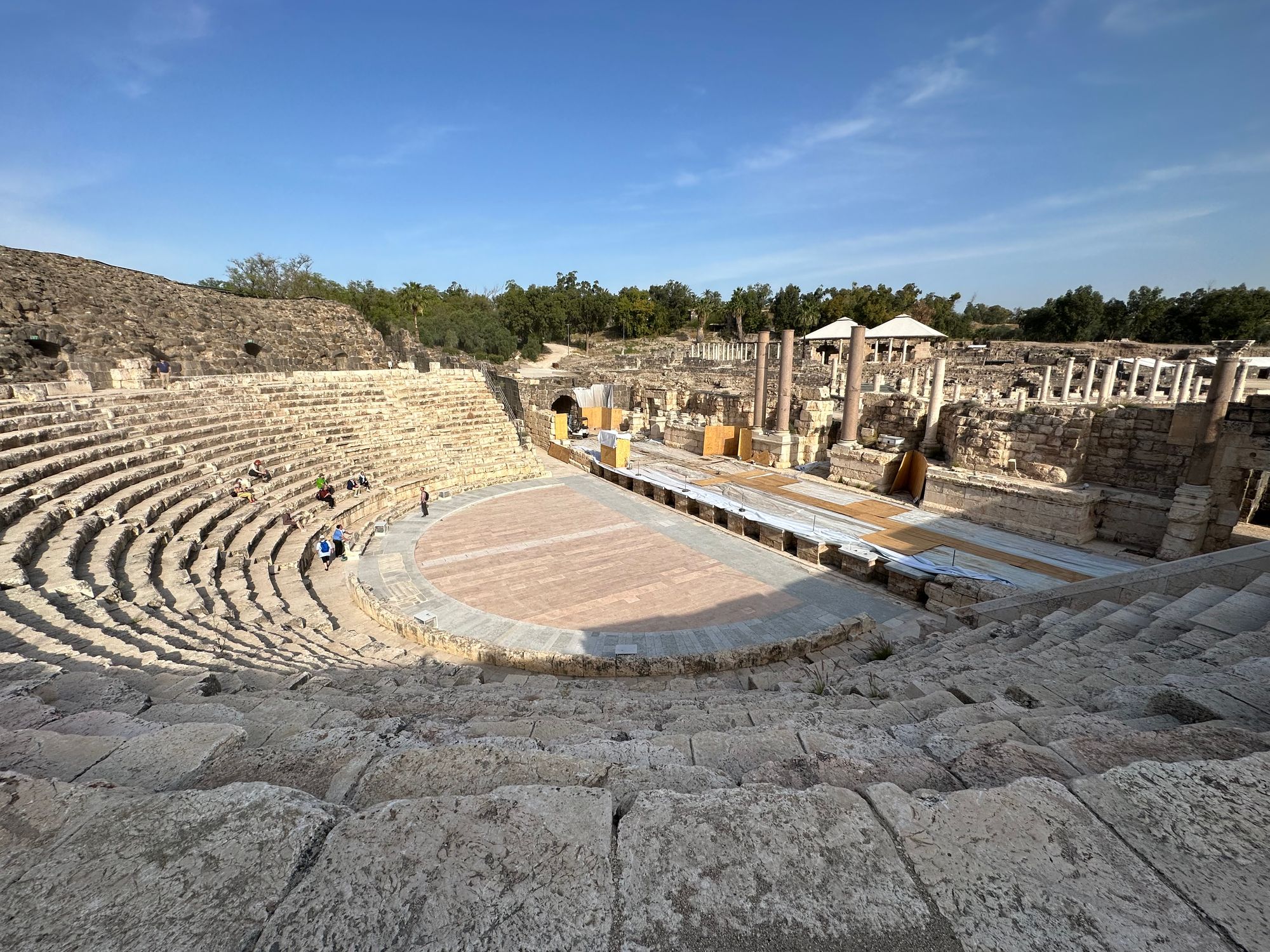
The theater had 8000 seats which is what archaeologists use to determine the size of the city.
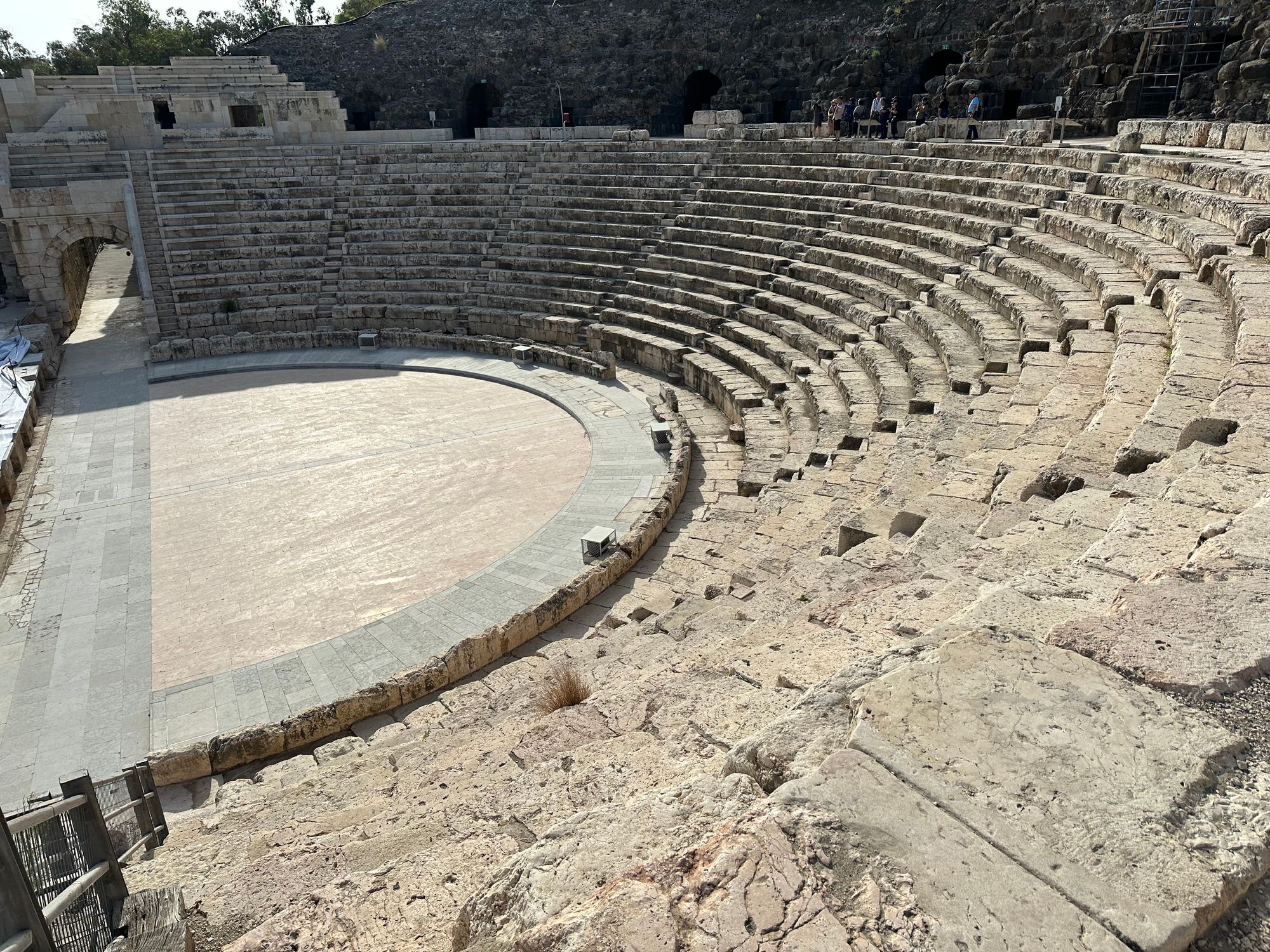
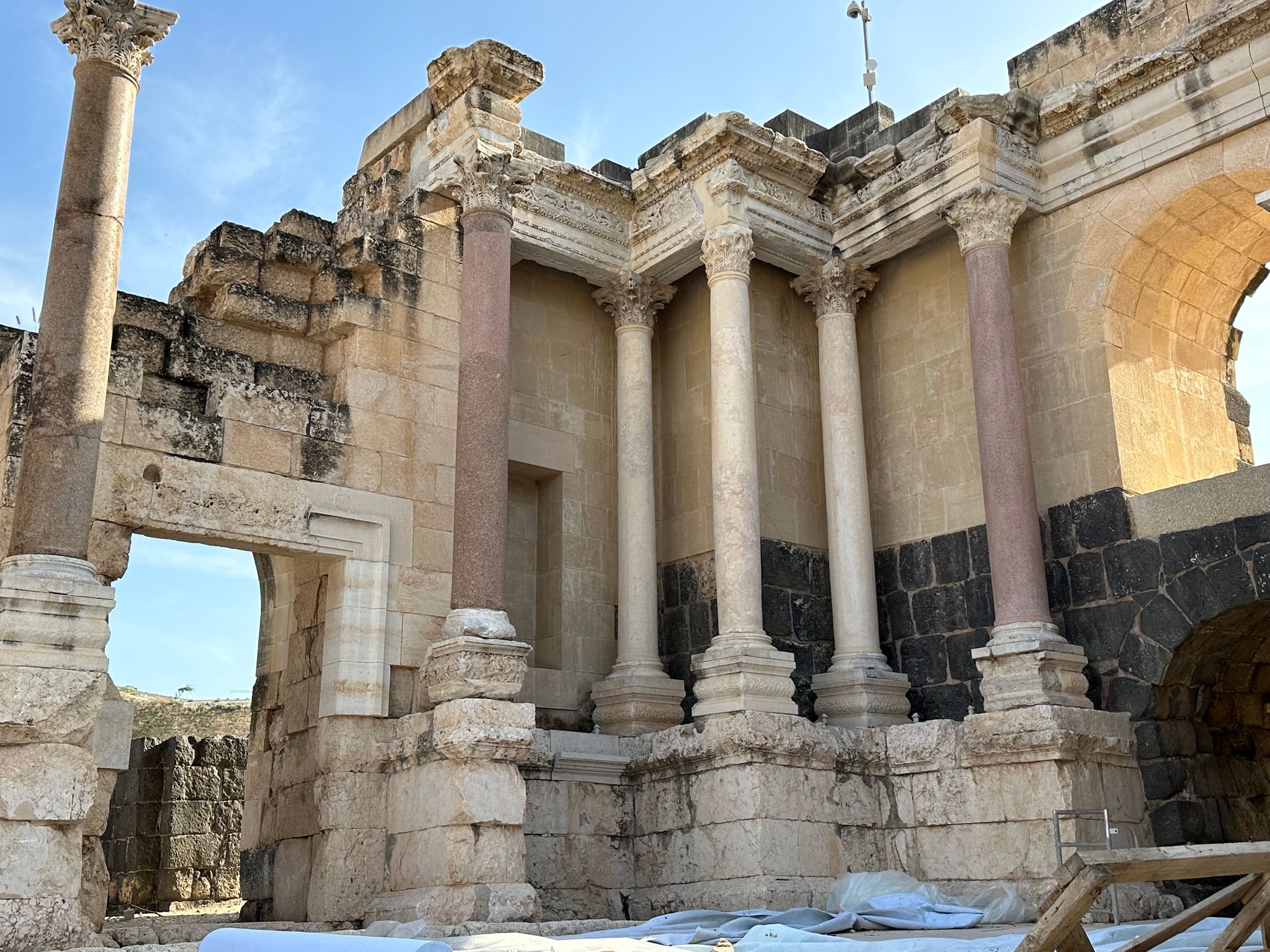
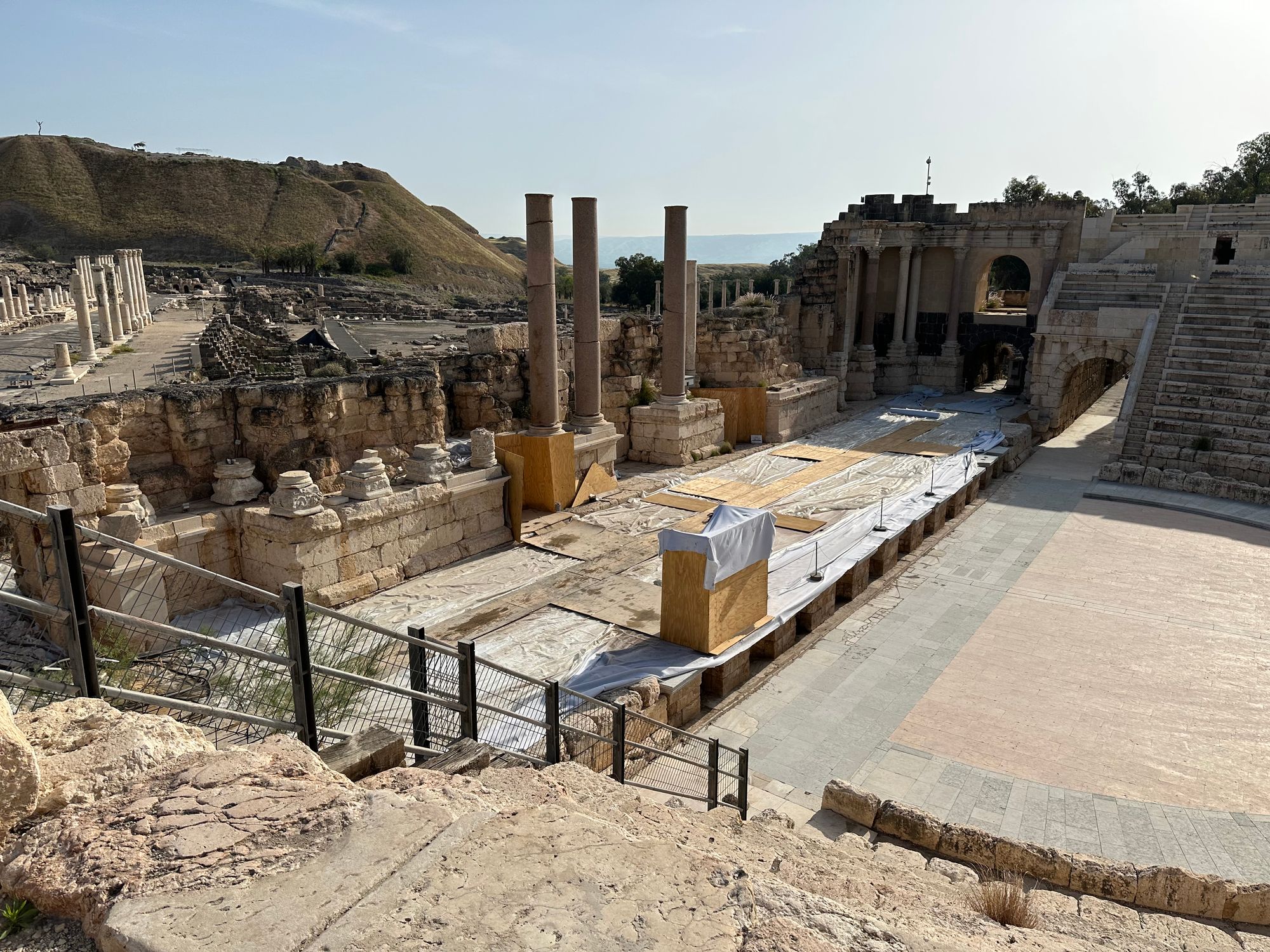
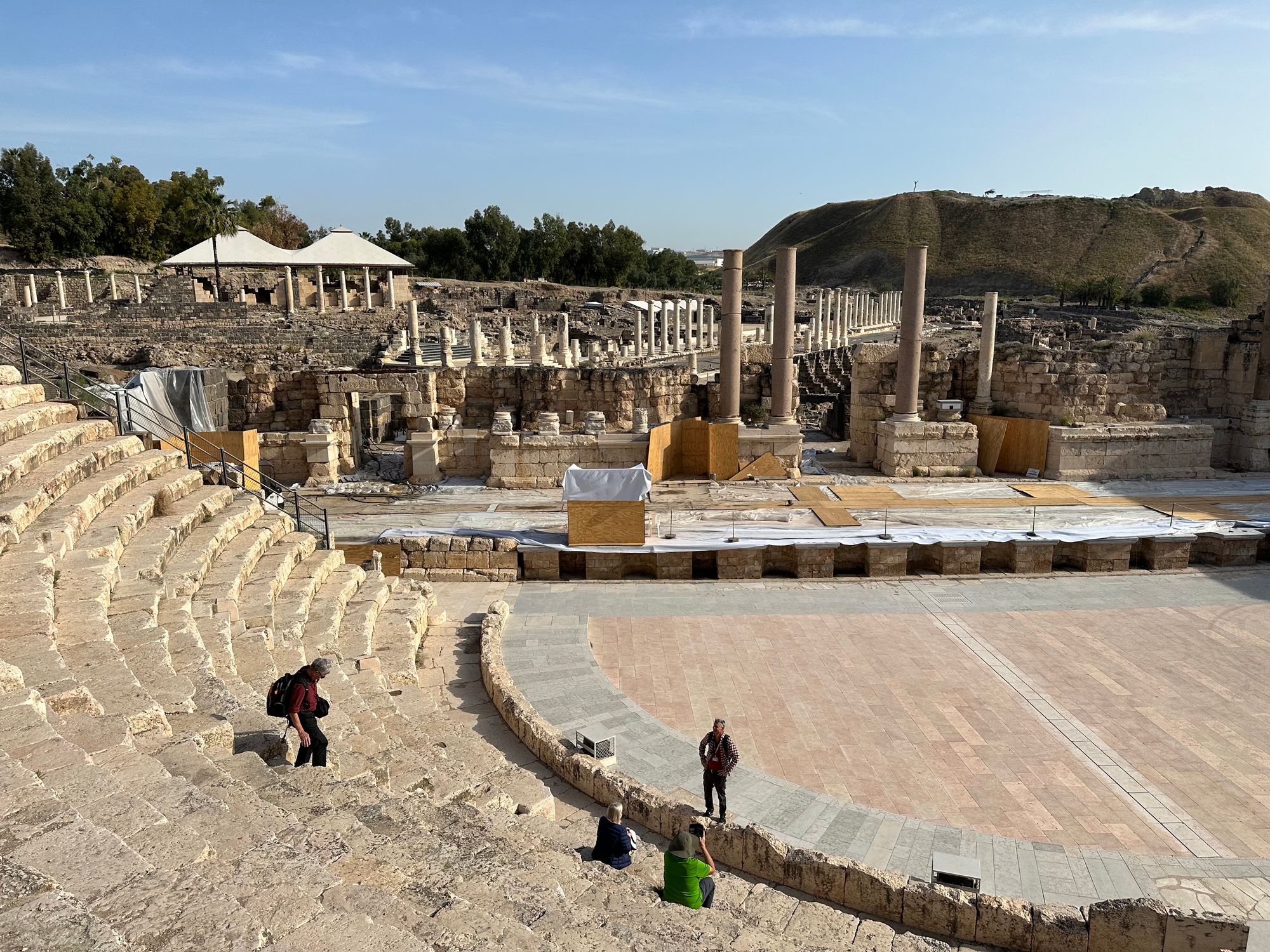
In this case, they estimate 25,000 people lived in the city early on and up to 40,000 during the late Roman period.
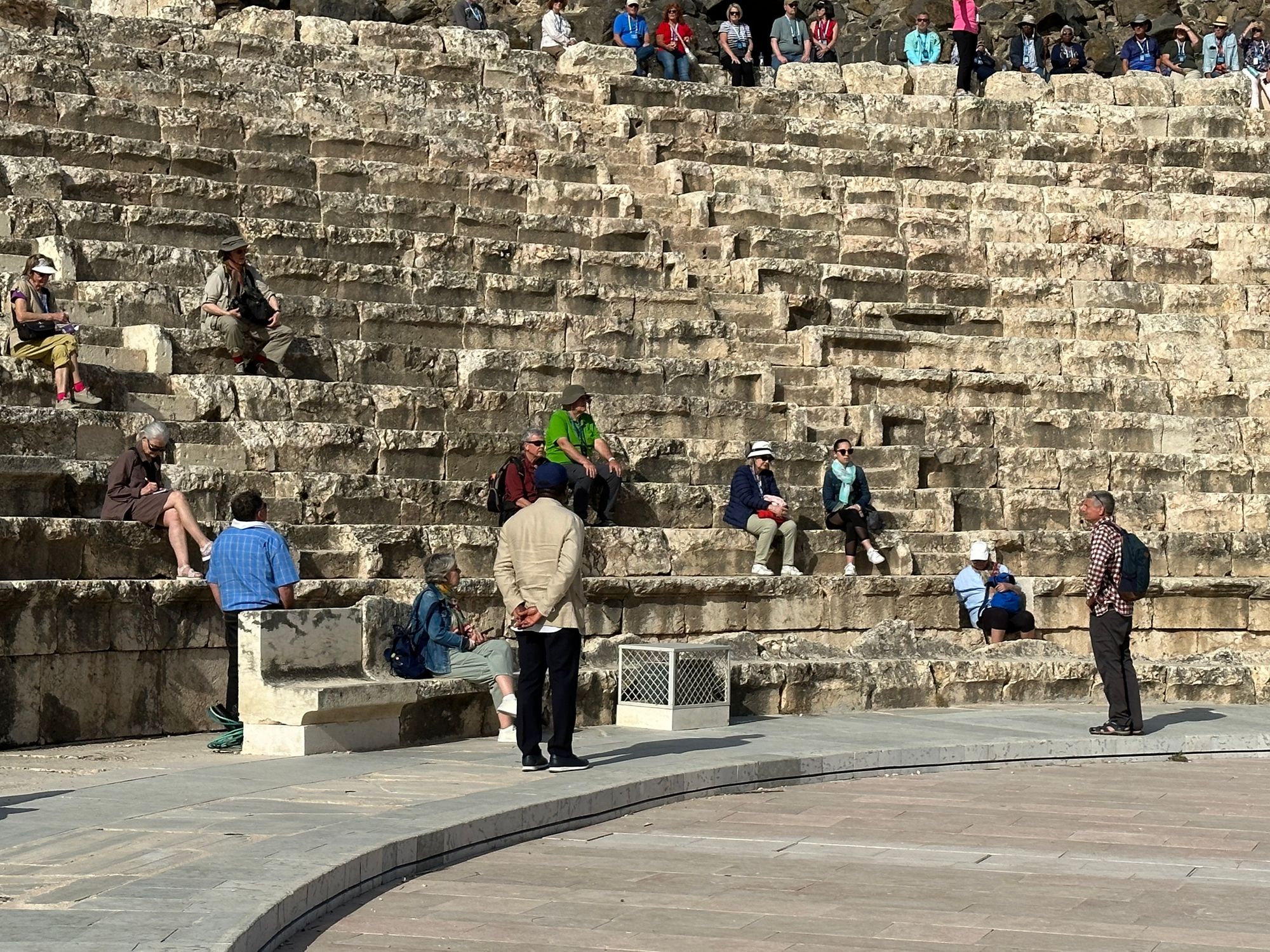
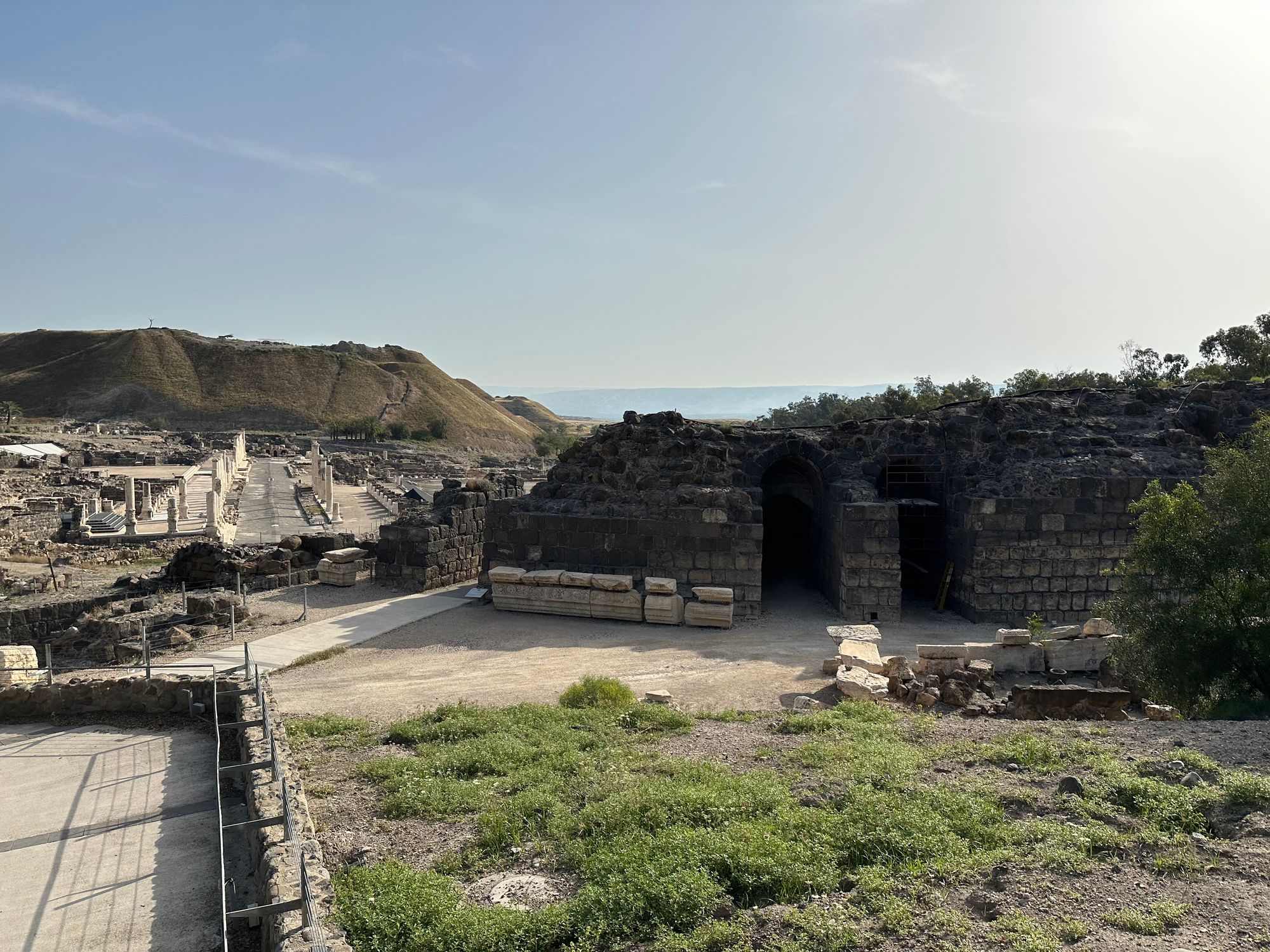
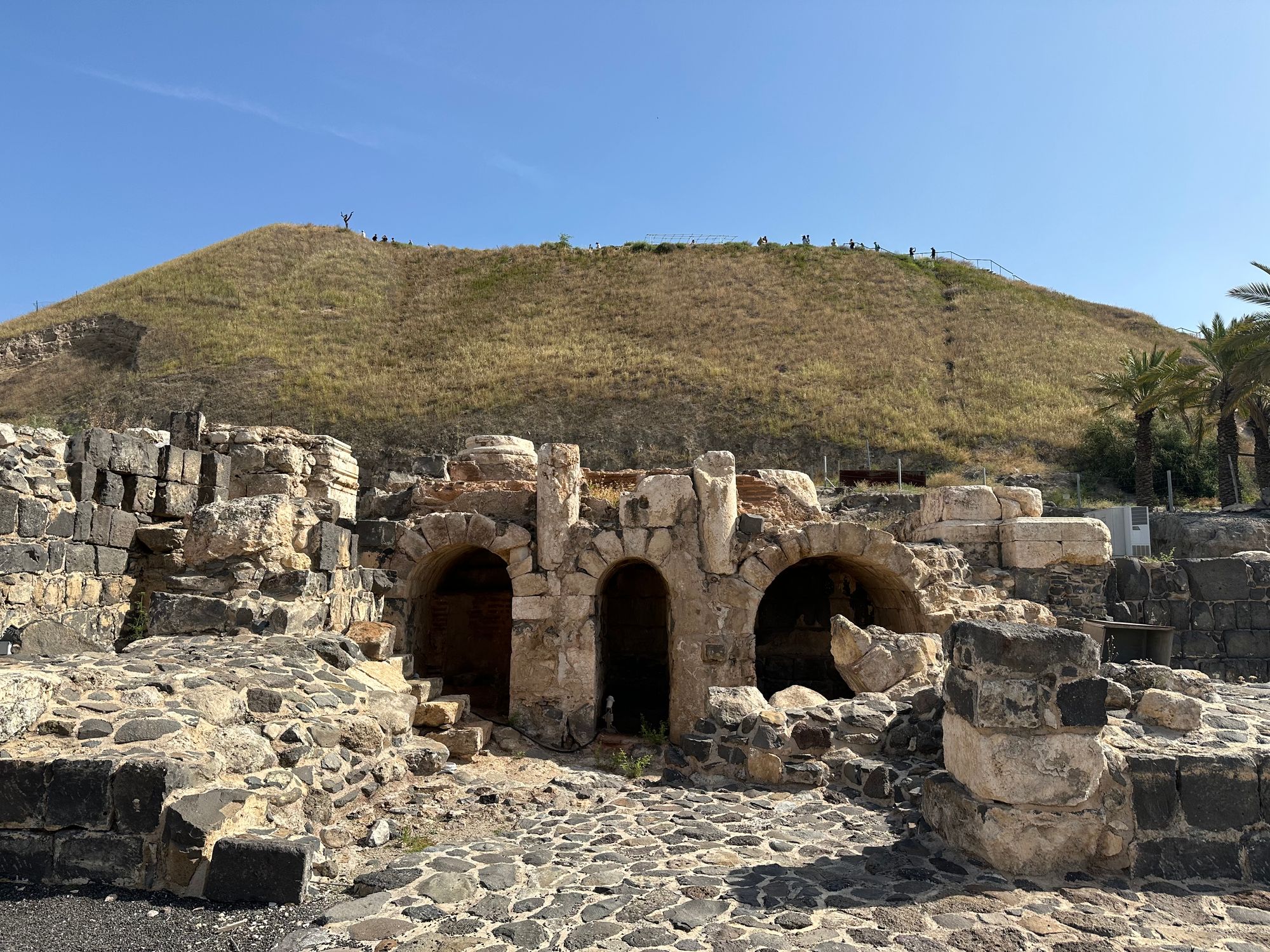
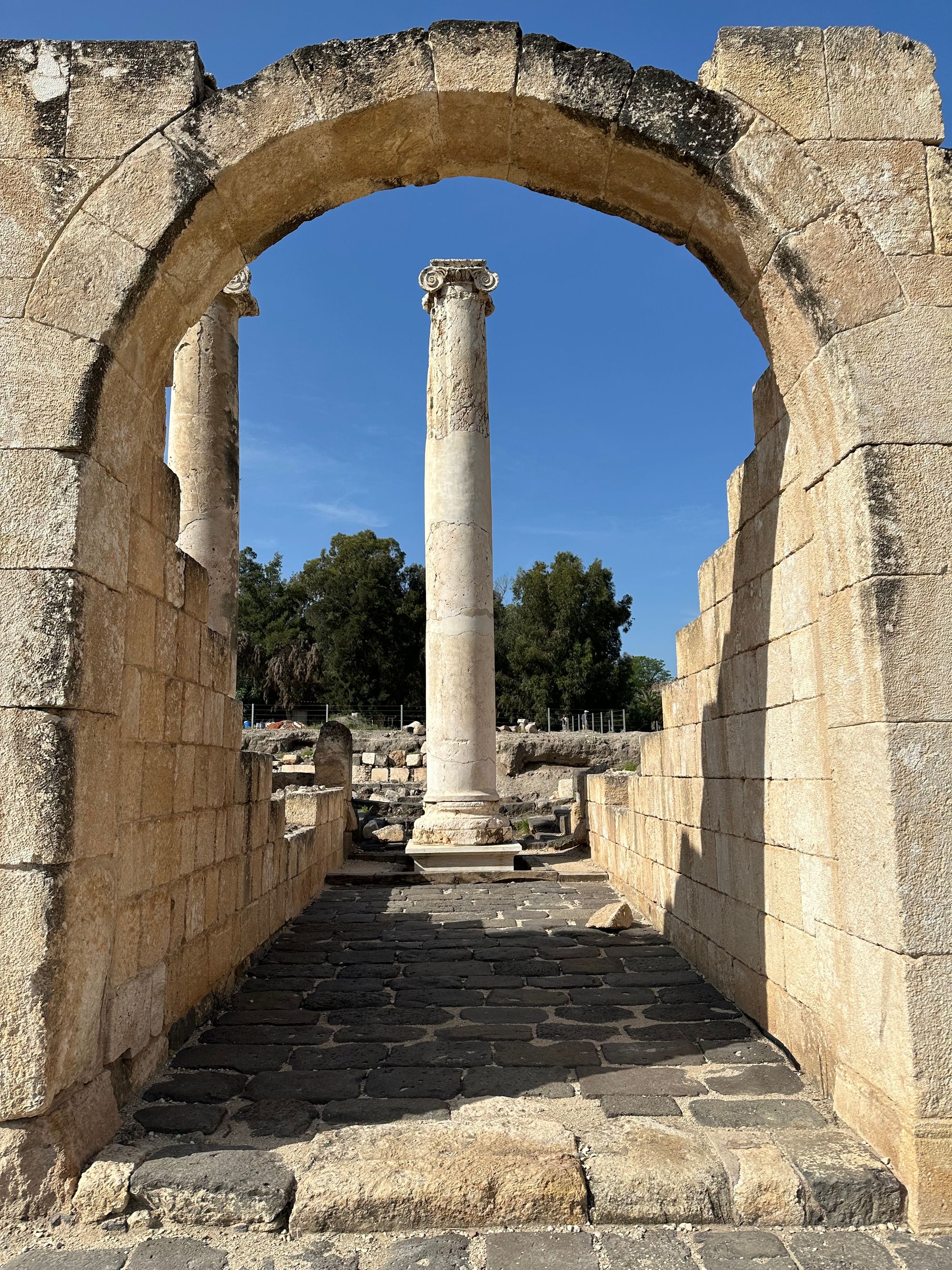
The city was covered in mud for thousands of years which is why many parts of the city are so well-preserved, including the old arches.
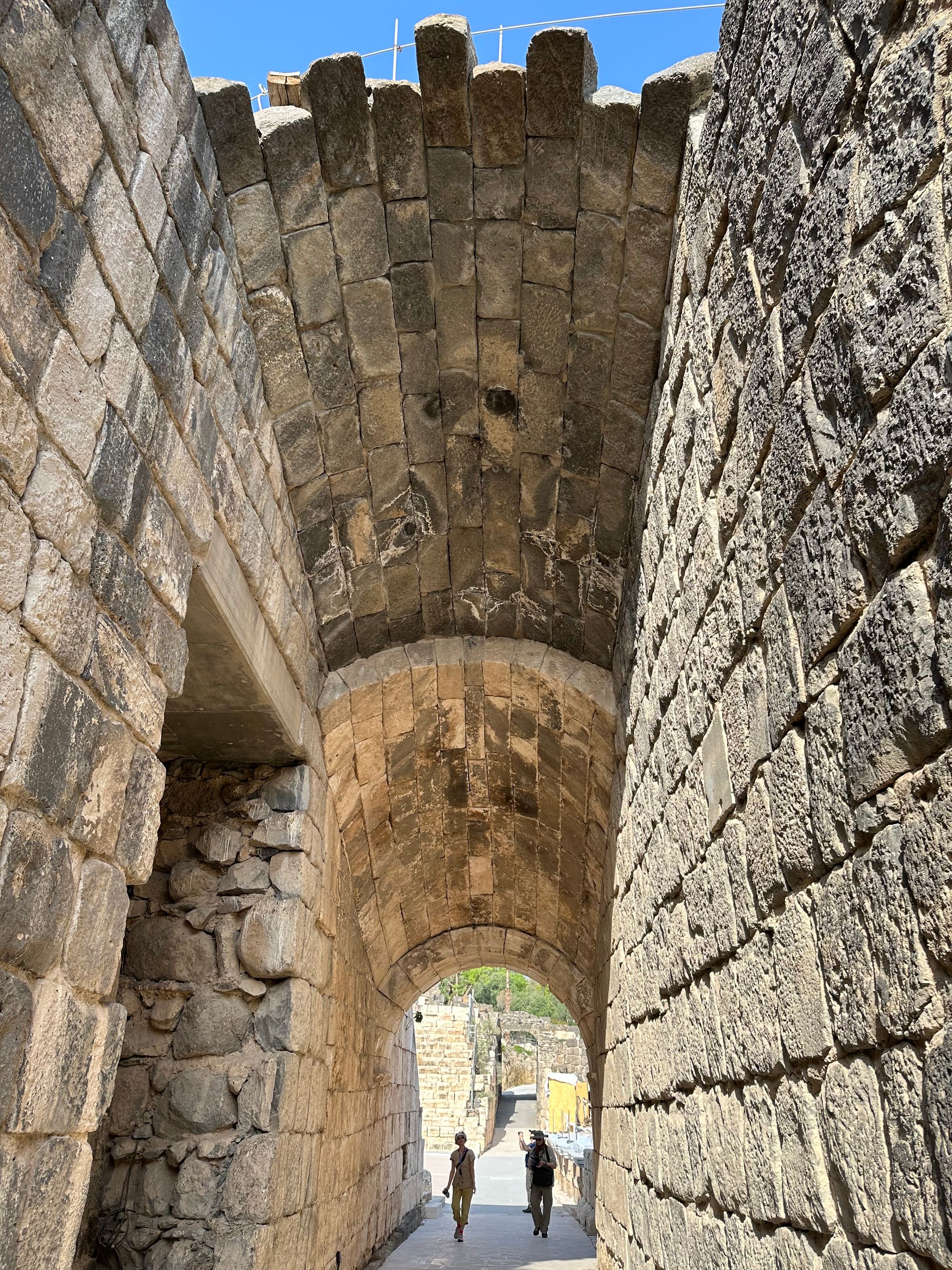
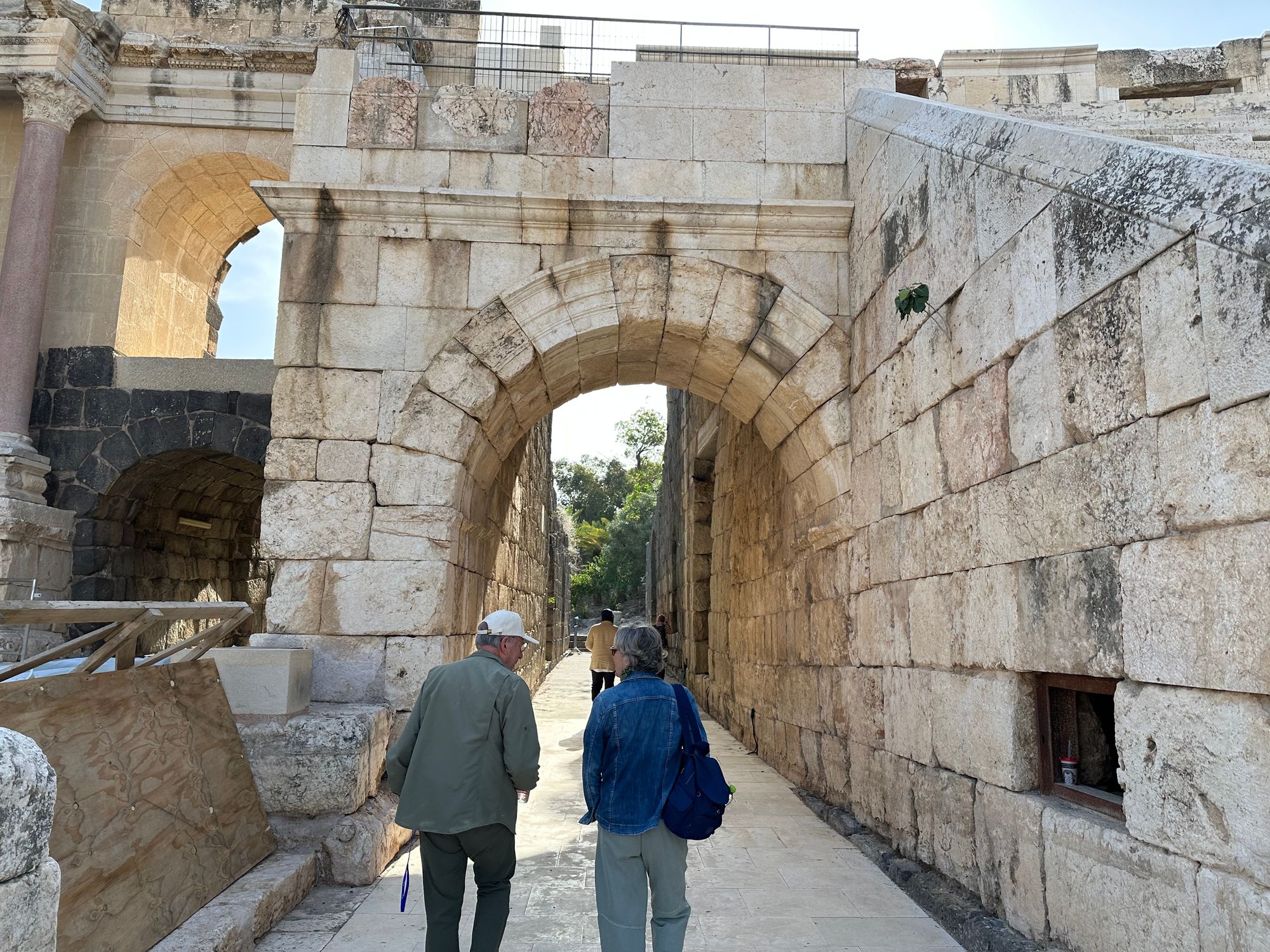
serious arches
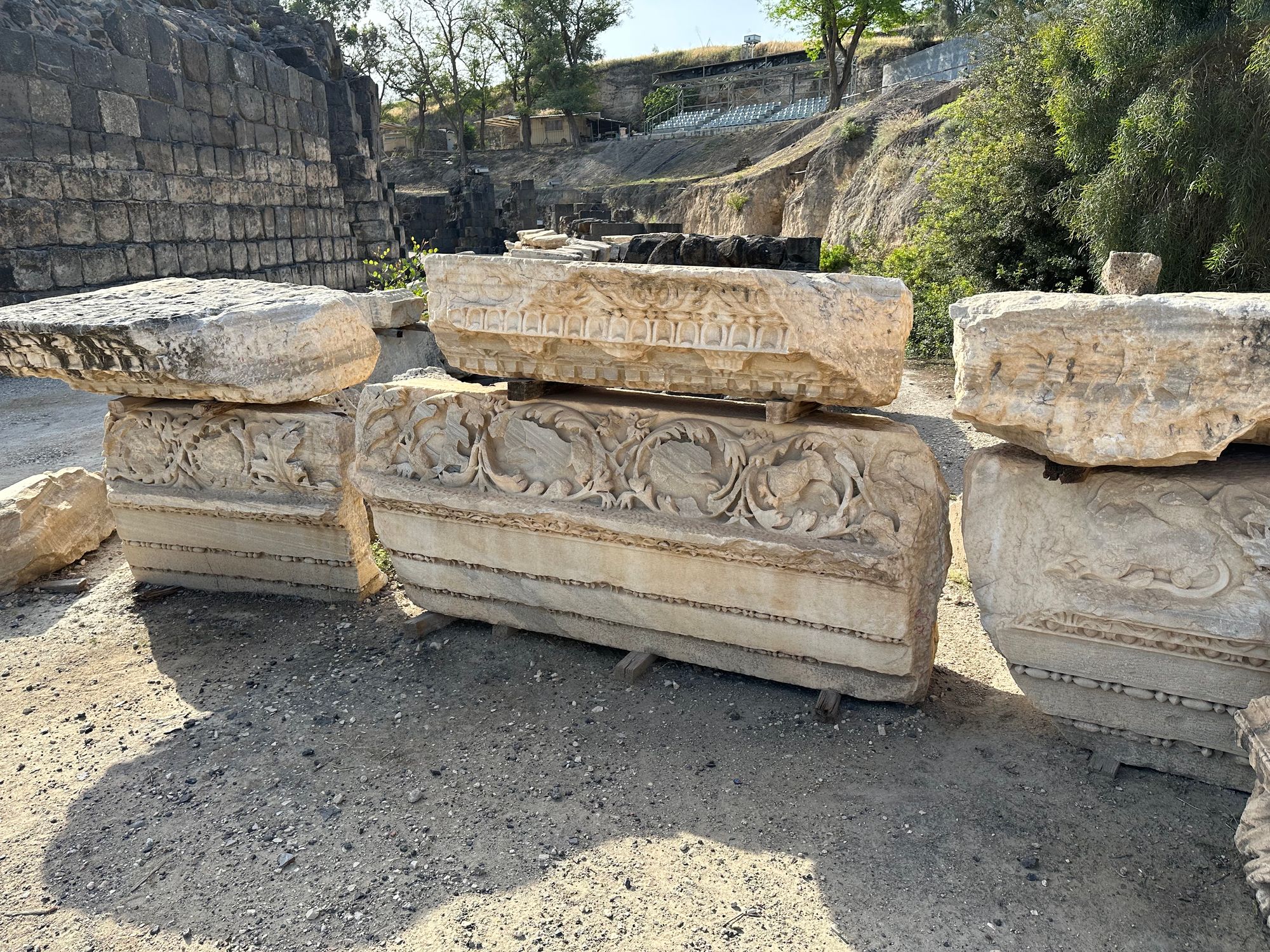
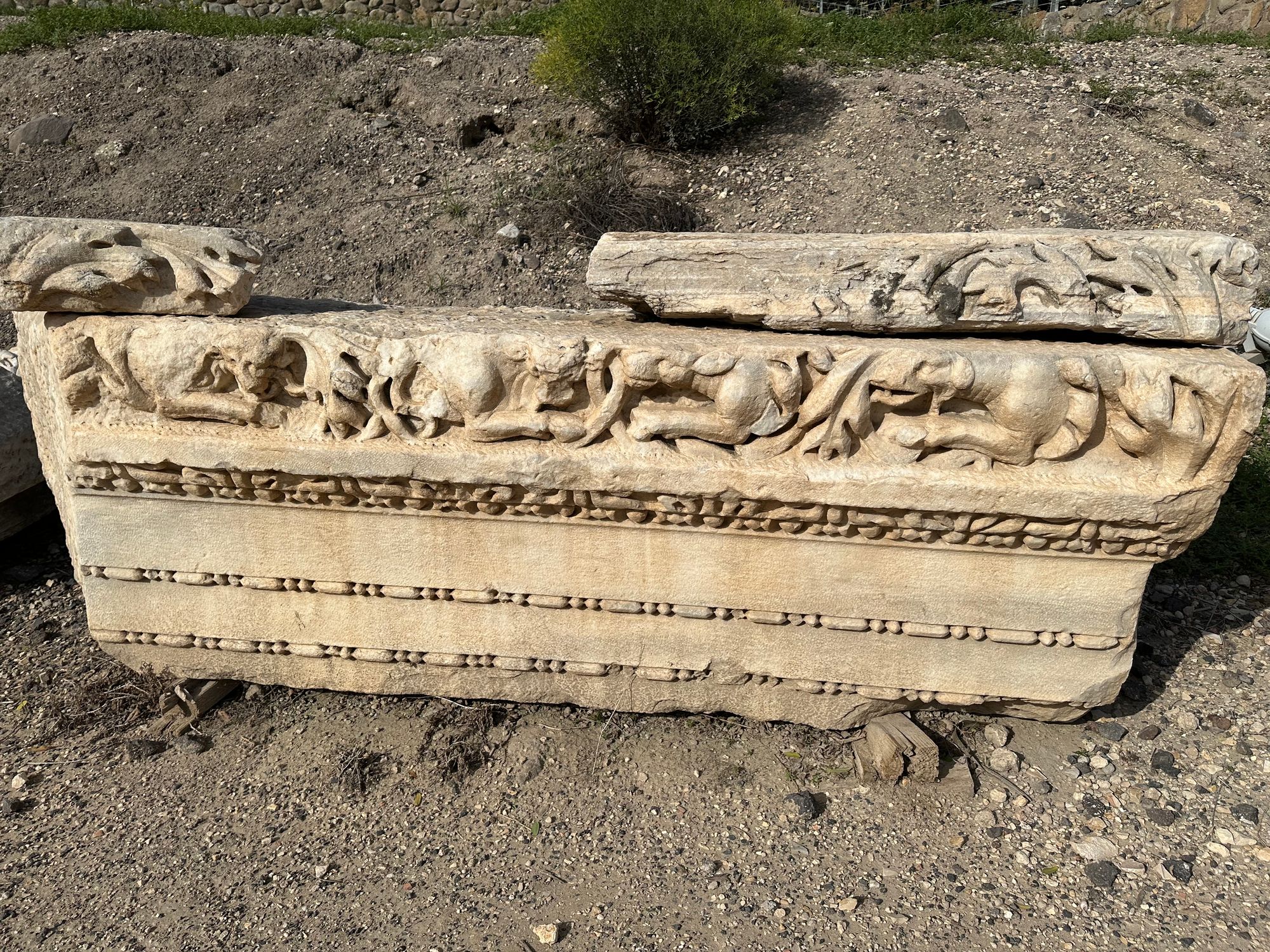
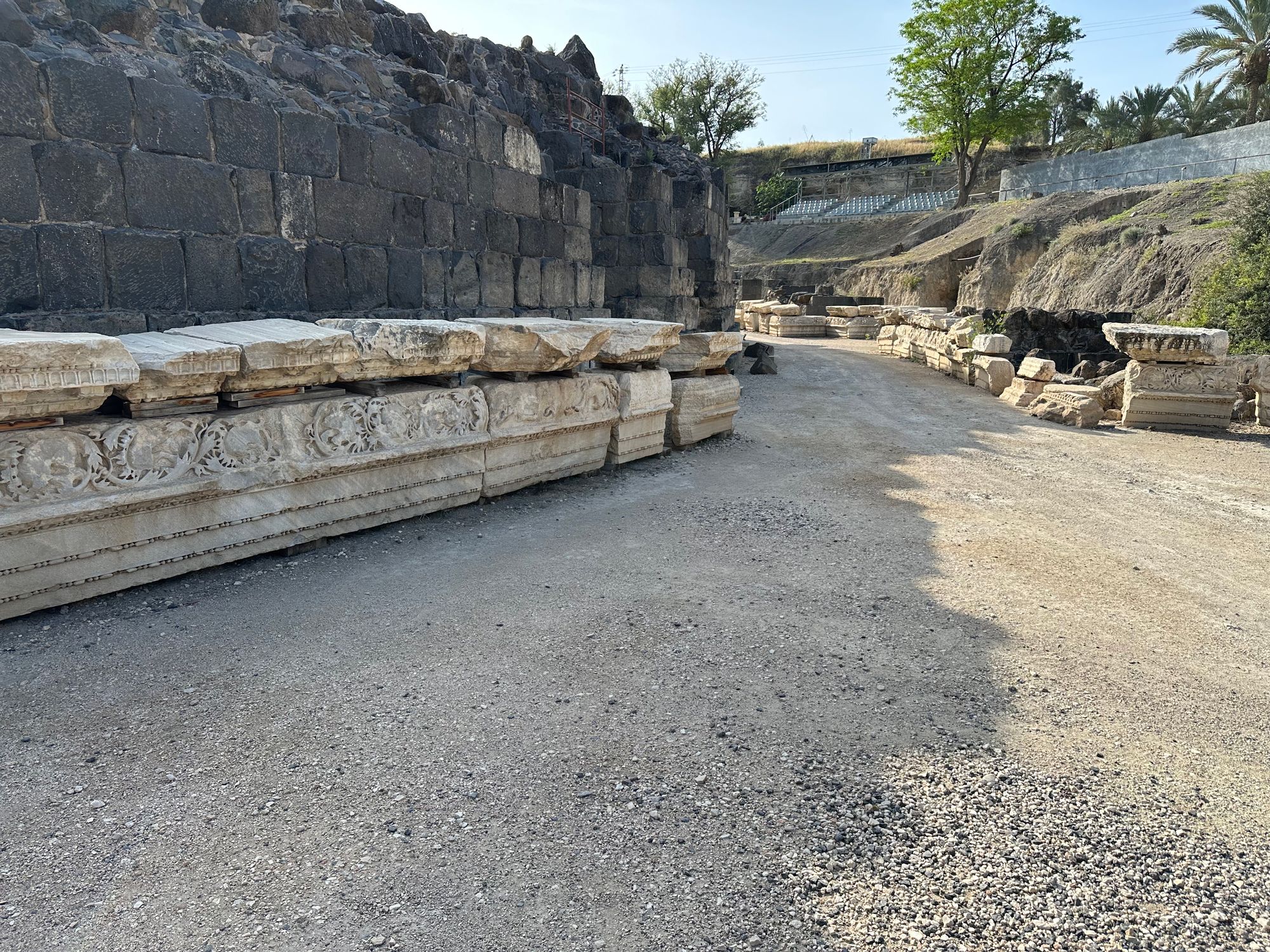
old rocks from the theater
The theater was very prominent in this city & it's worth noting that the city itself is also in wine country. Another reason why Scythopolis is so famous: it's the city where Zeus would have "given birth" (so to speak) to Bacchus/Dionysus. And from a historical perspective, this is the city where the "cult" of Dionysus started, and eventually a city that was officially dedicated to that cult.
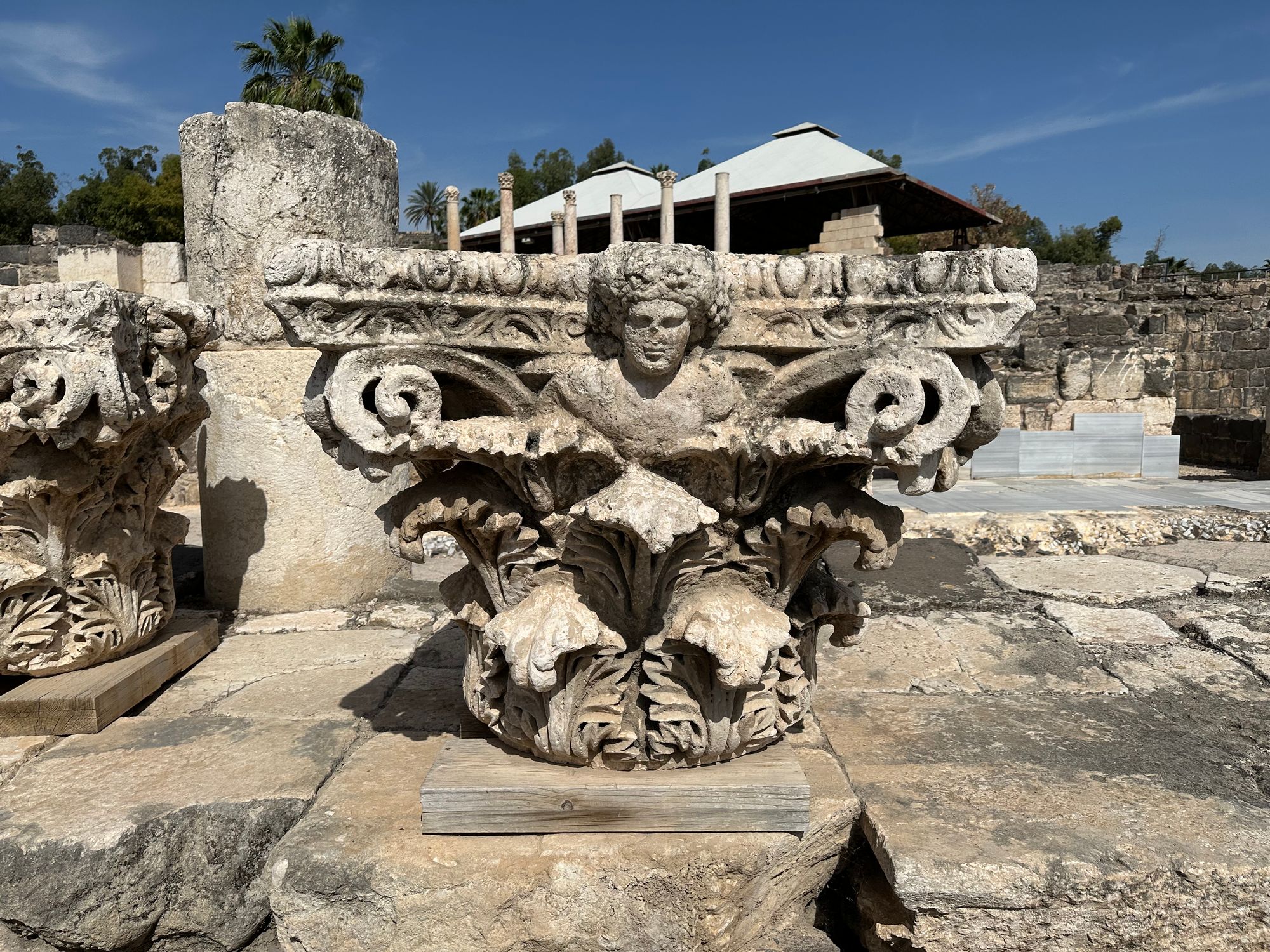
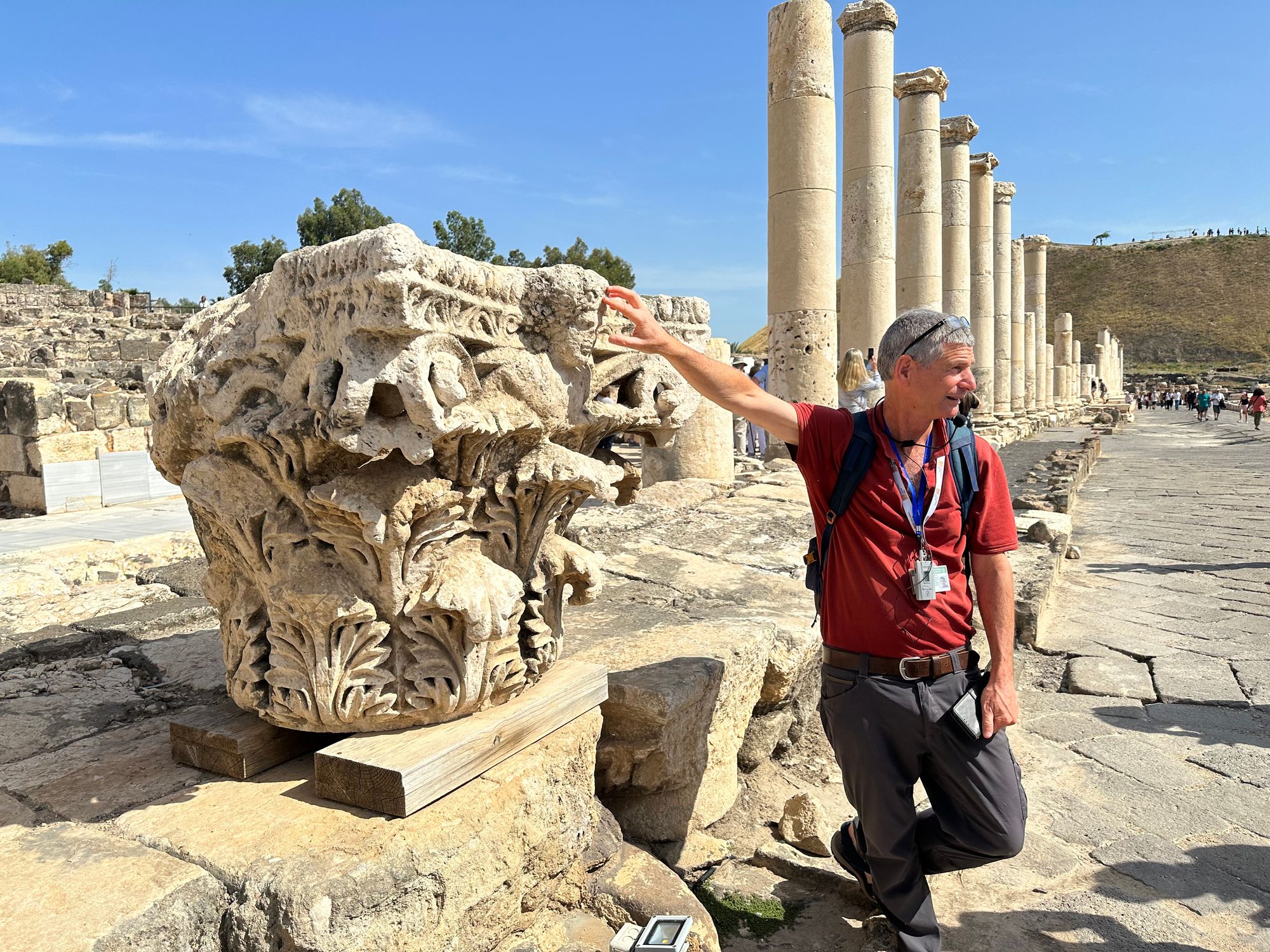
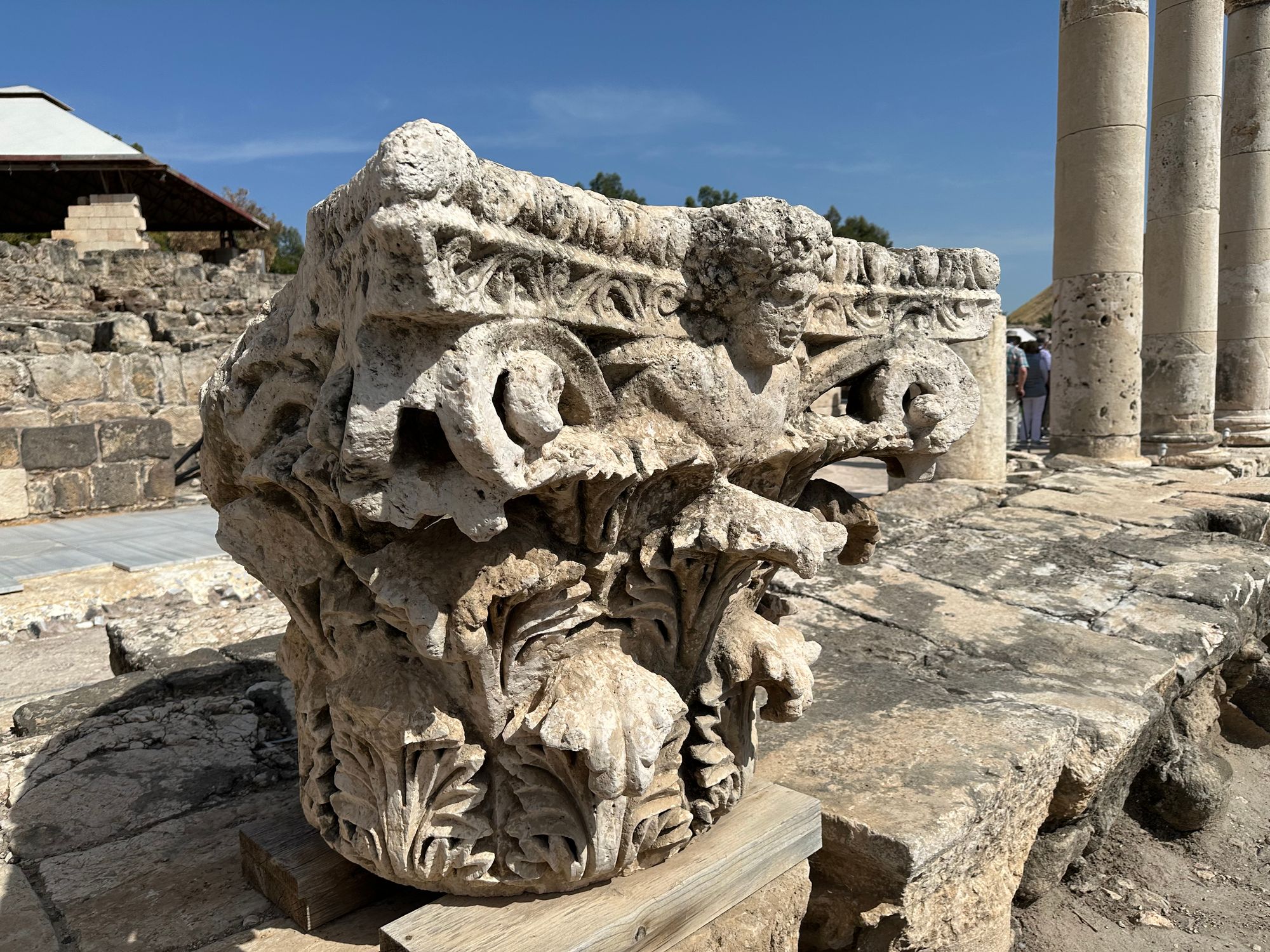
Like all Roman cities, they had great water management. Walking into the city we see canals and drains, as well as very elaborate water fountains and intricate systems for clean water and dirty water.
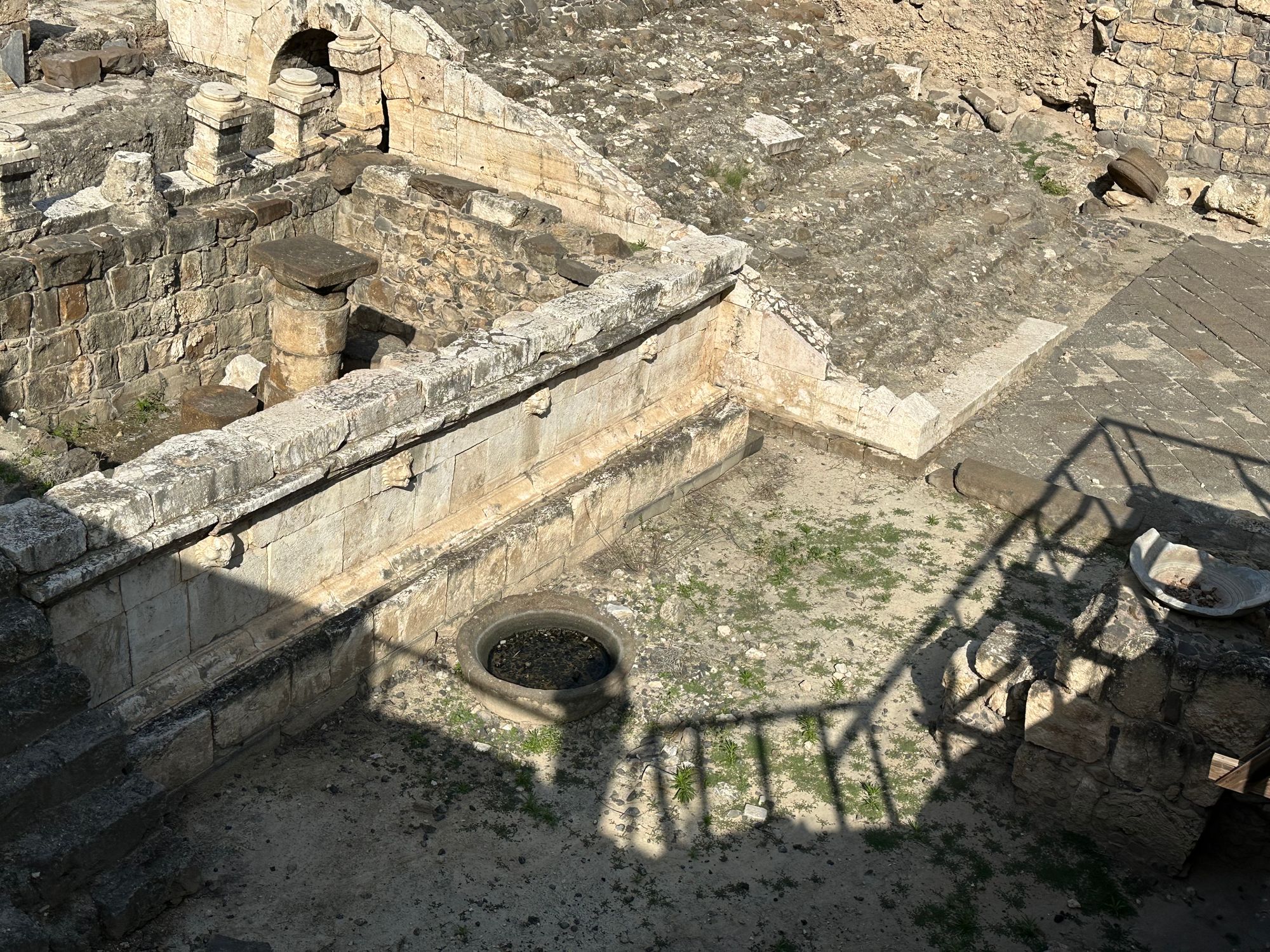
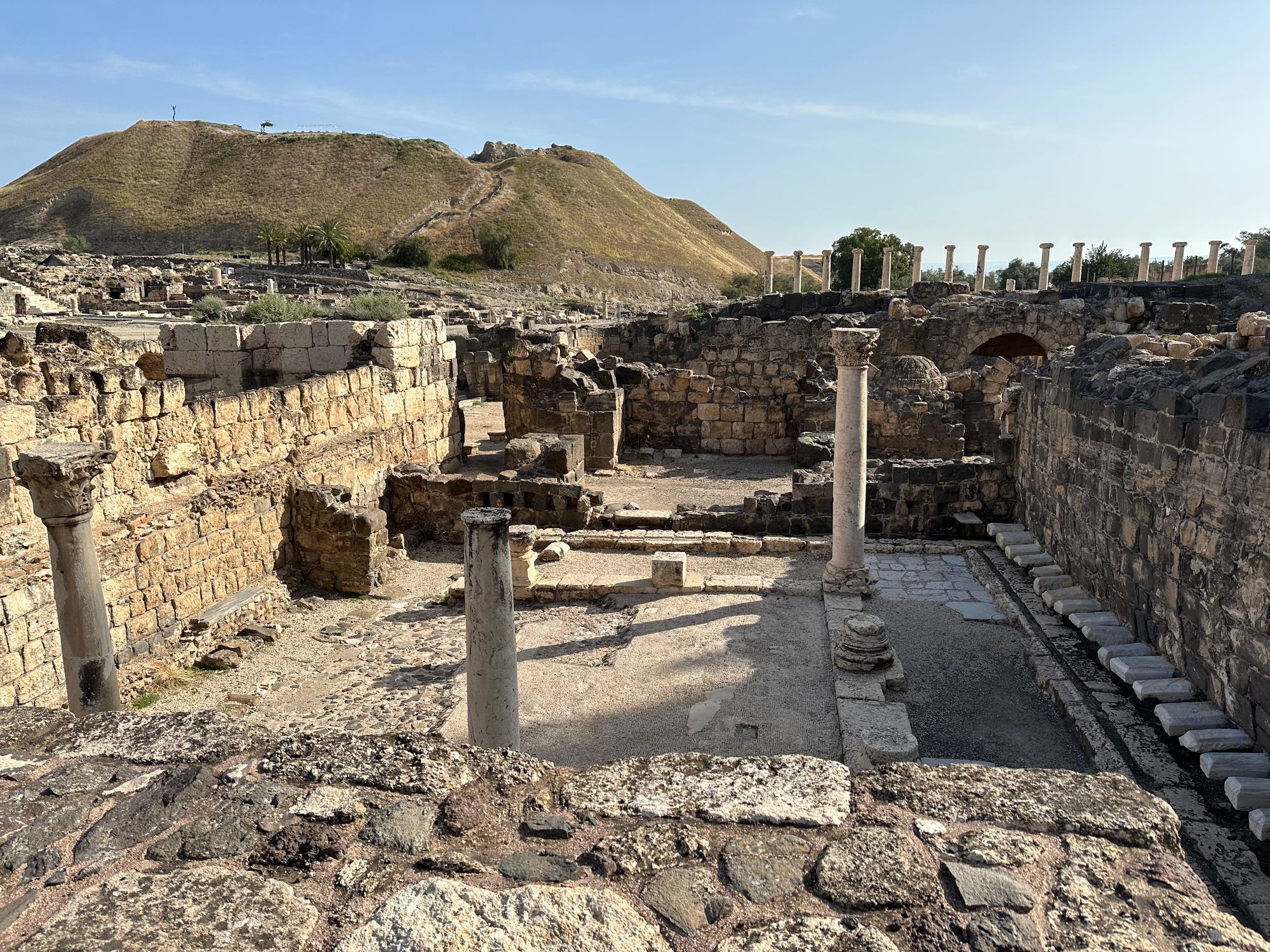
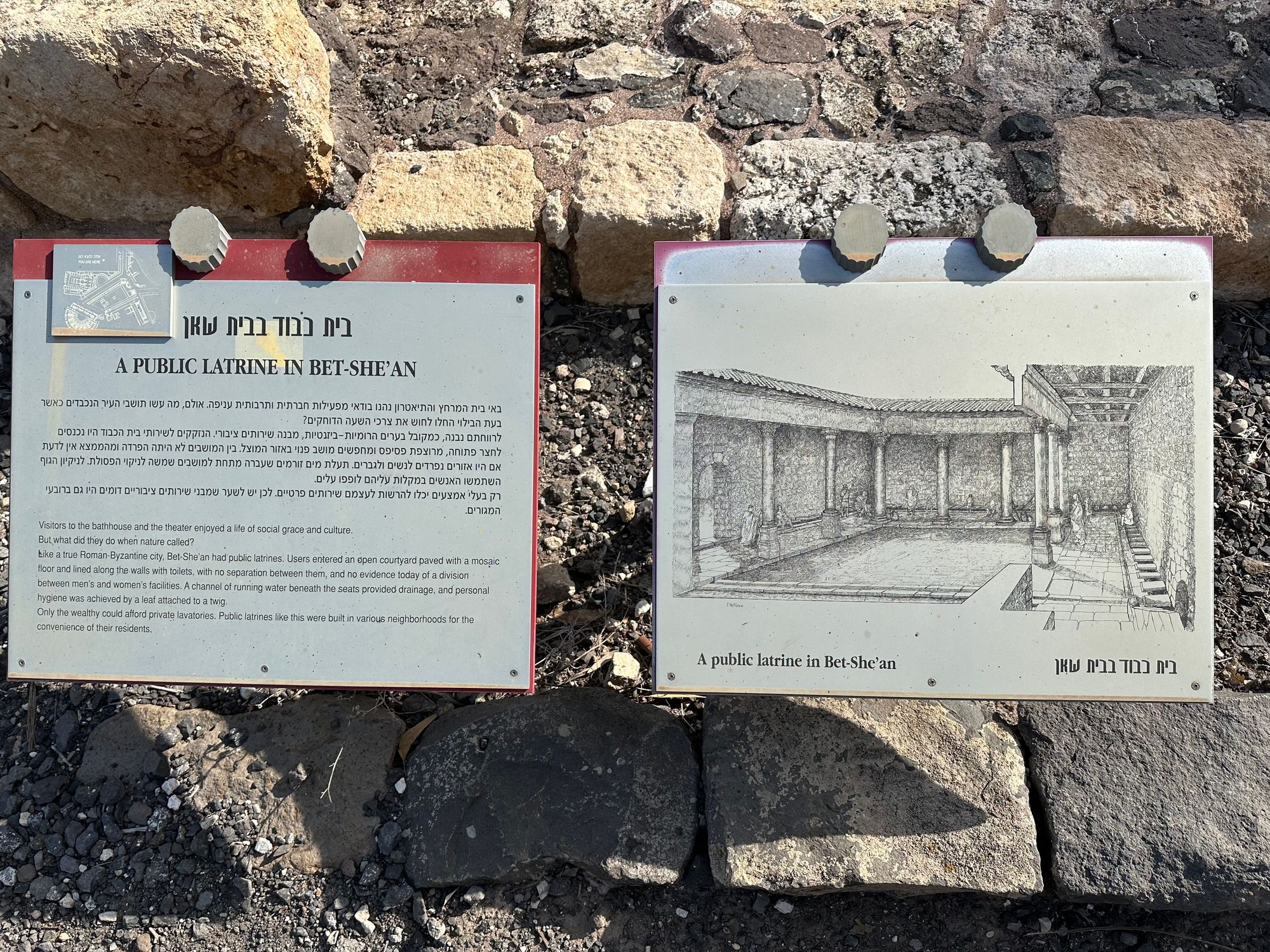
Of course, there are baths and even latrines:
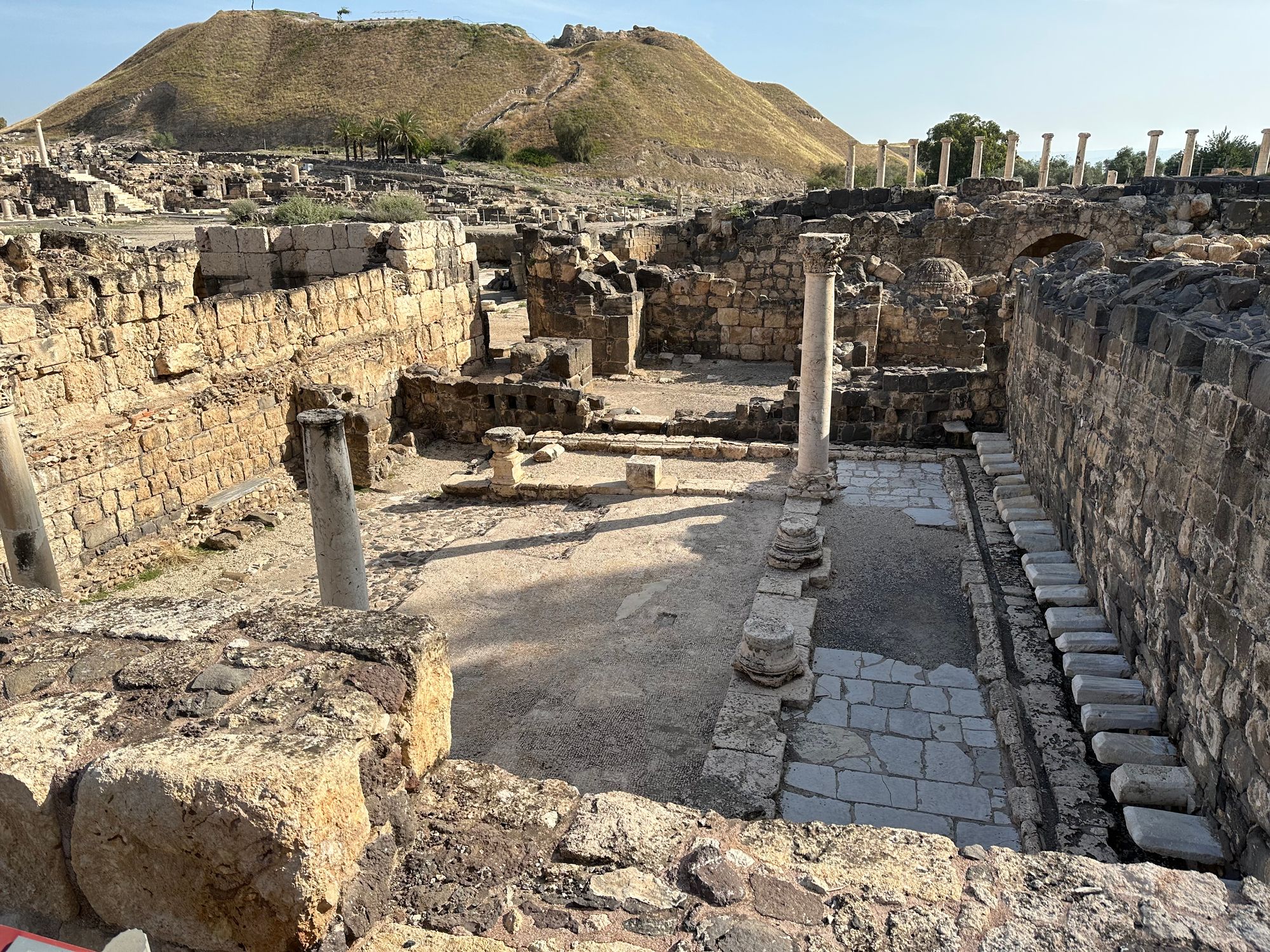
The space in the middle would have been for entertainment. Apparently it wasn't civilized to use the communal toilets without watching wrestling.
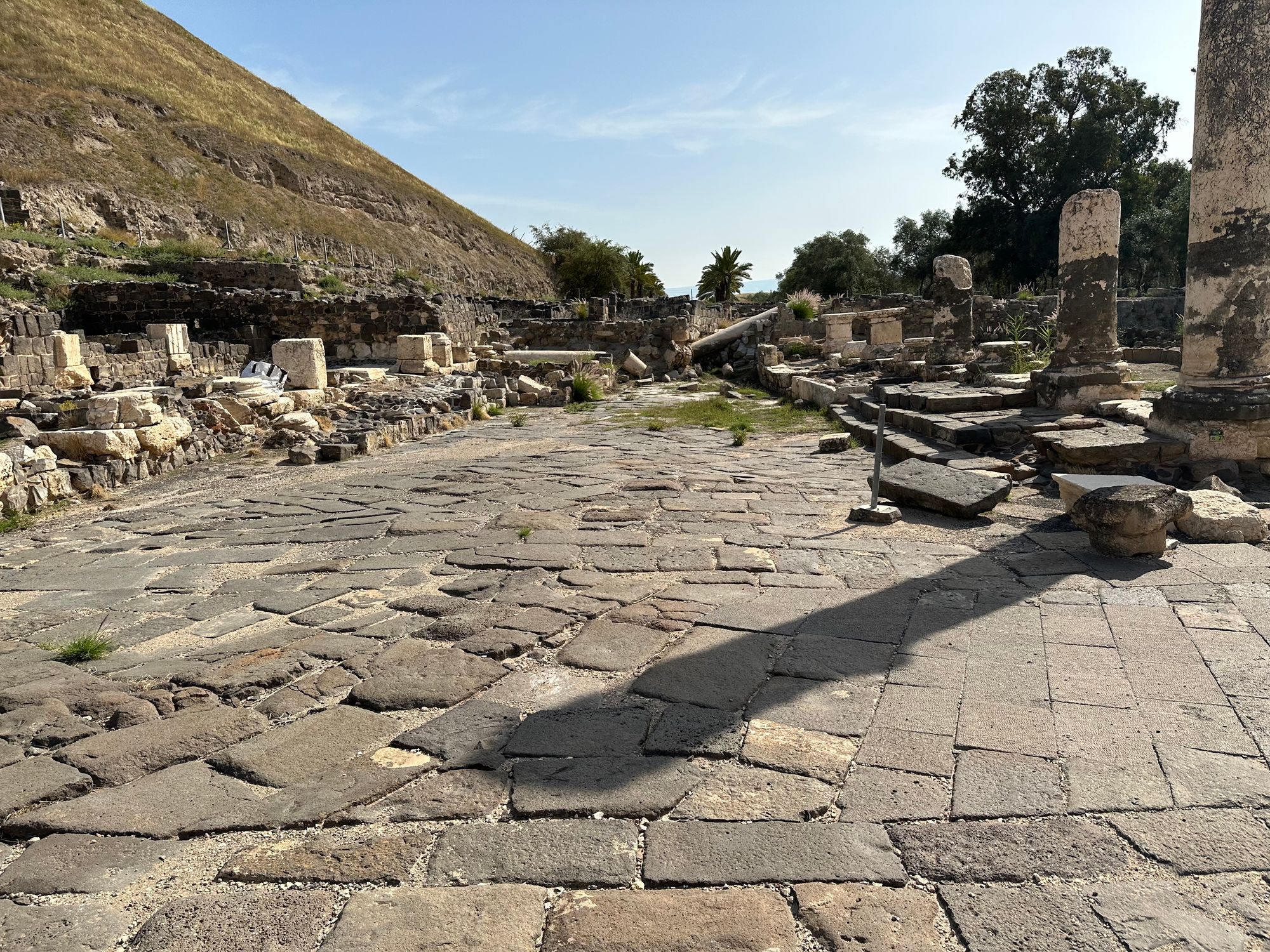
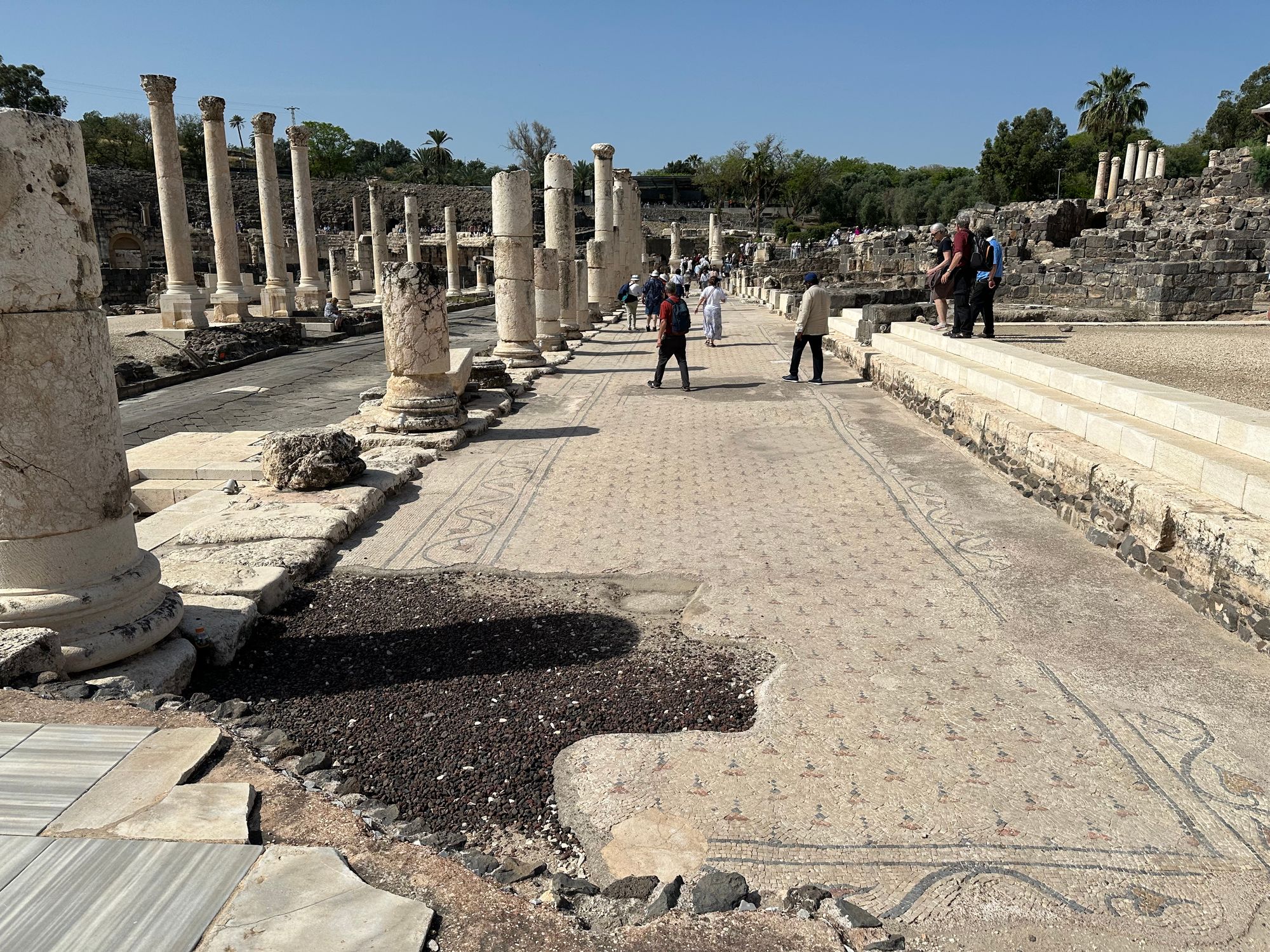
Walking along the Roman cardo we learn that this city has one of the first engravings of "Israel."
Here's a little before & after:
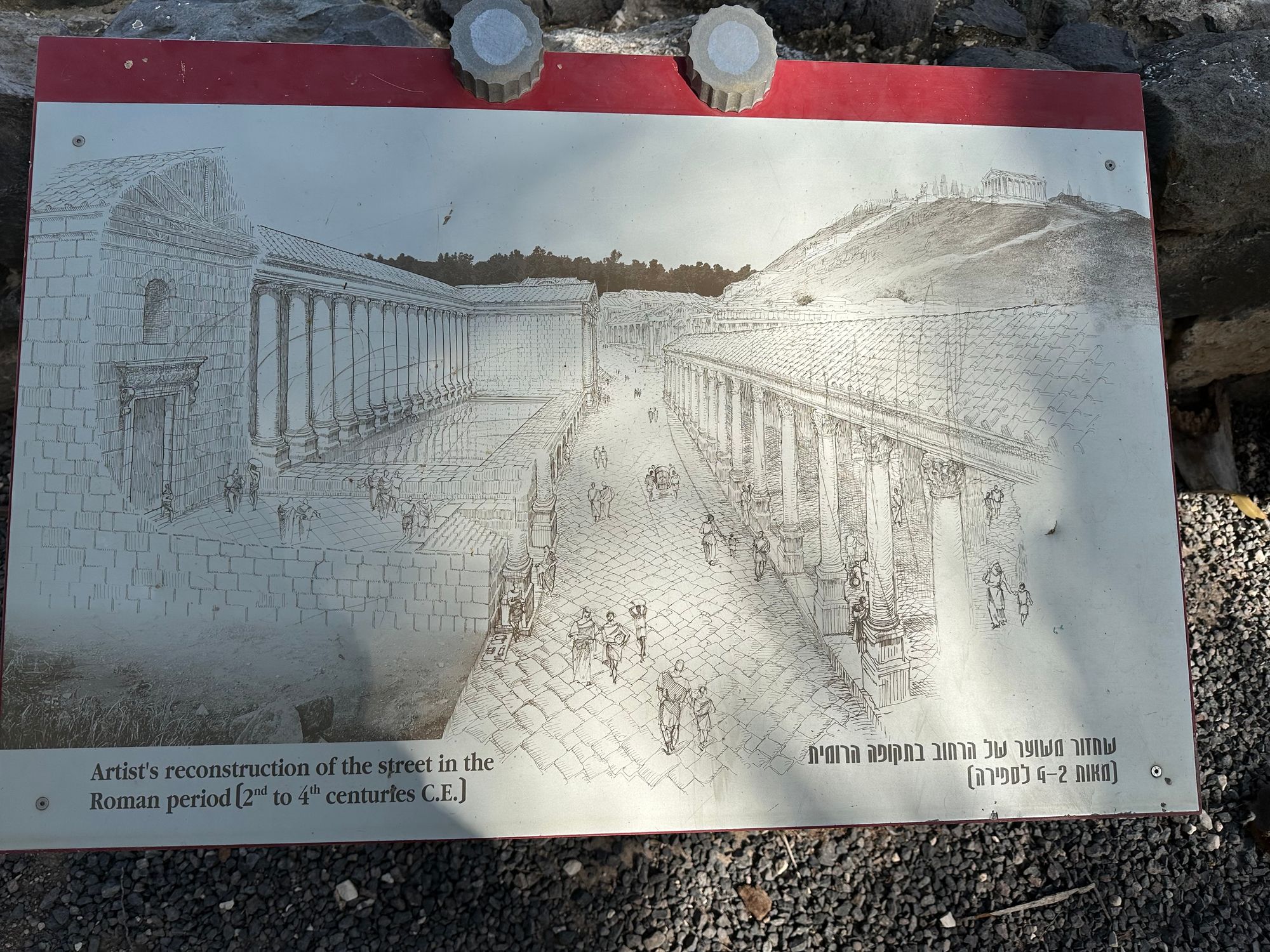
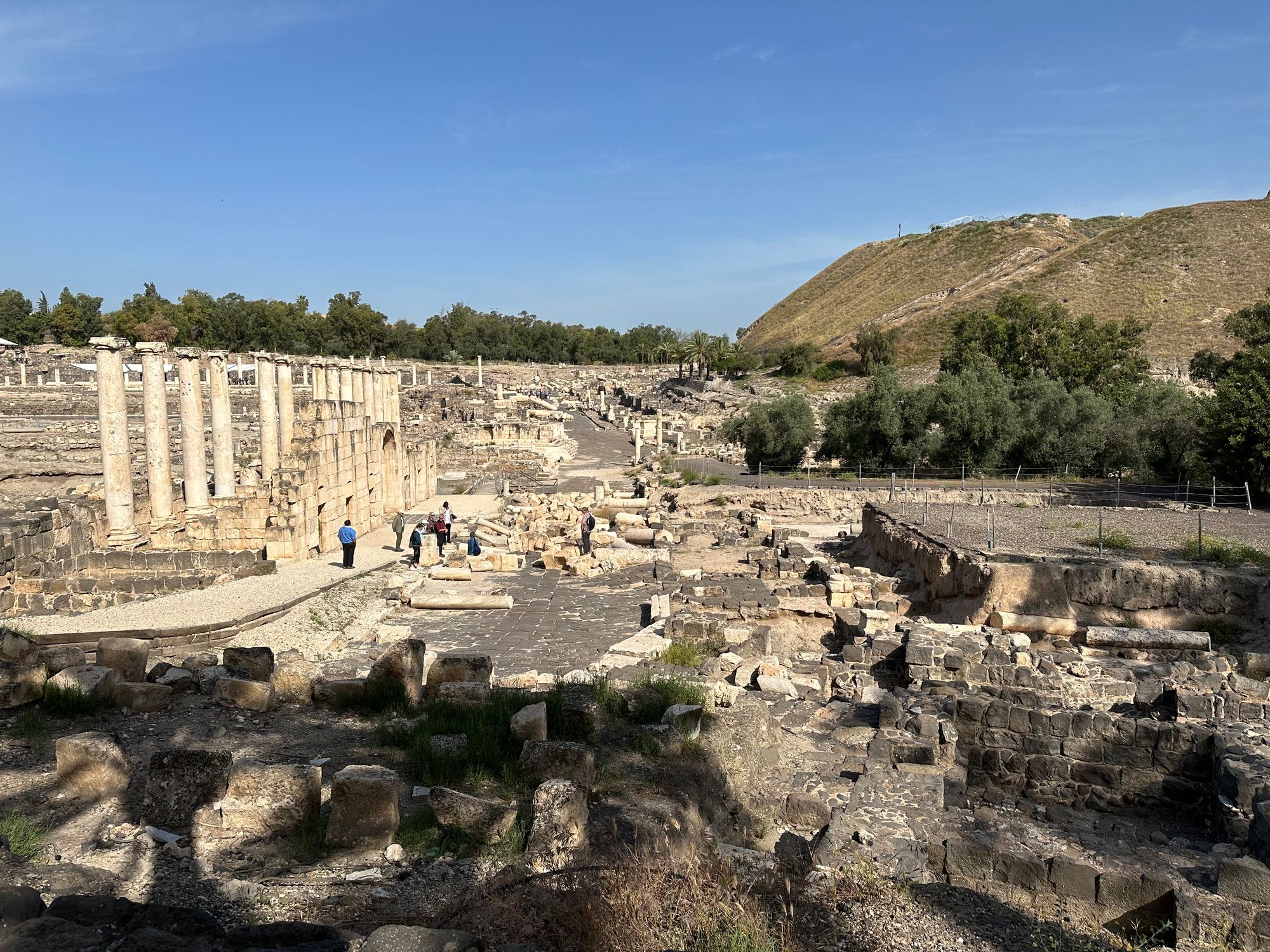
On the top of the hill was originally a temple of Zeus. Later, a fortress was built on top of the hill during the crusades. Then, the Mamelukes took over. The city is also known for being the home to Ishtori Haparchi where he worked as a physician. Eventually, it becomes a small village under the ottomans.
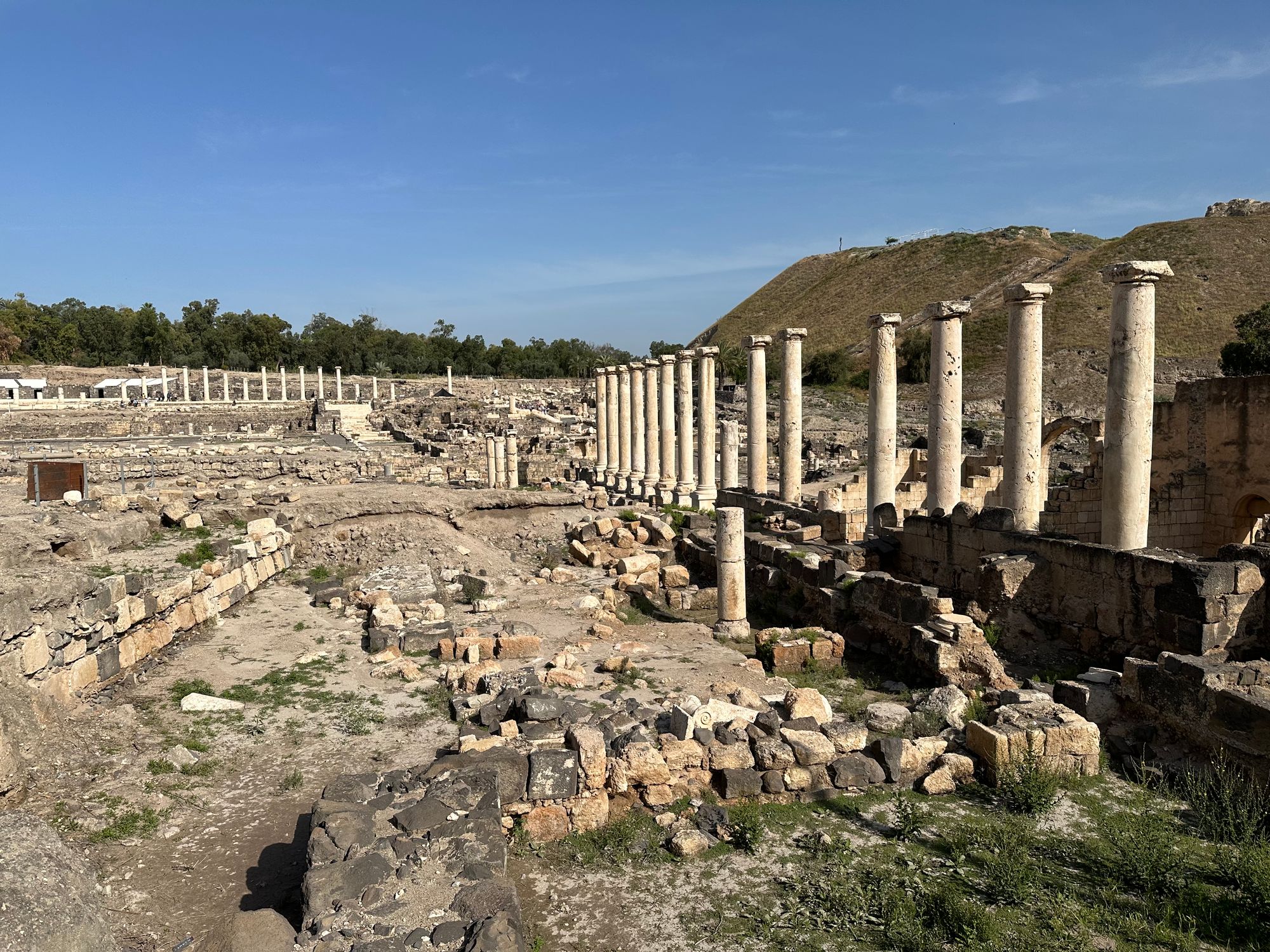
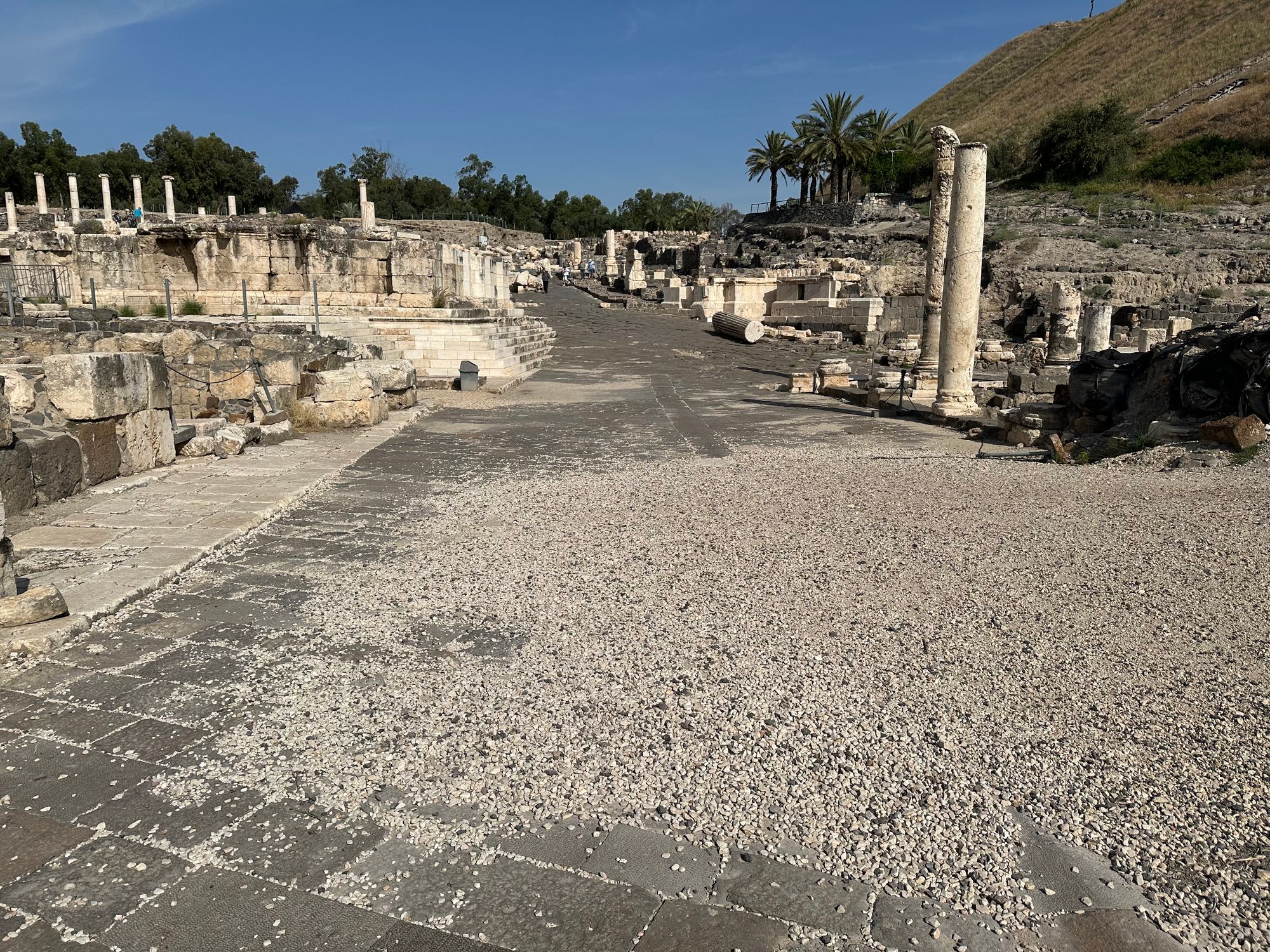
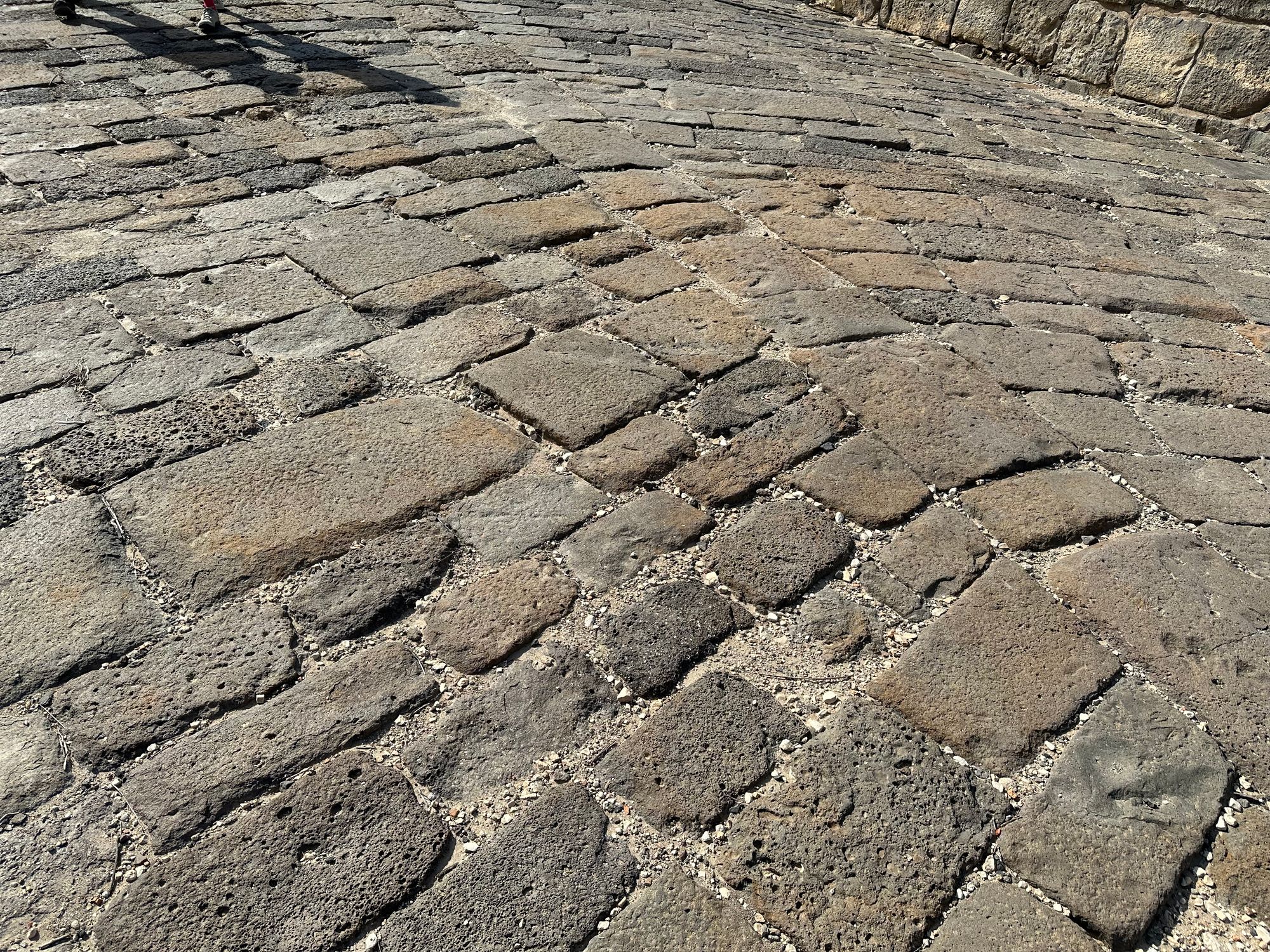
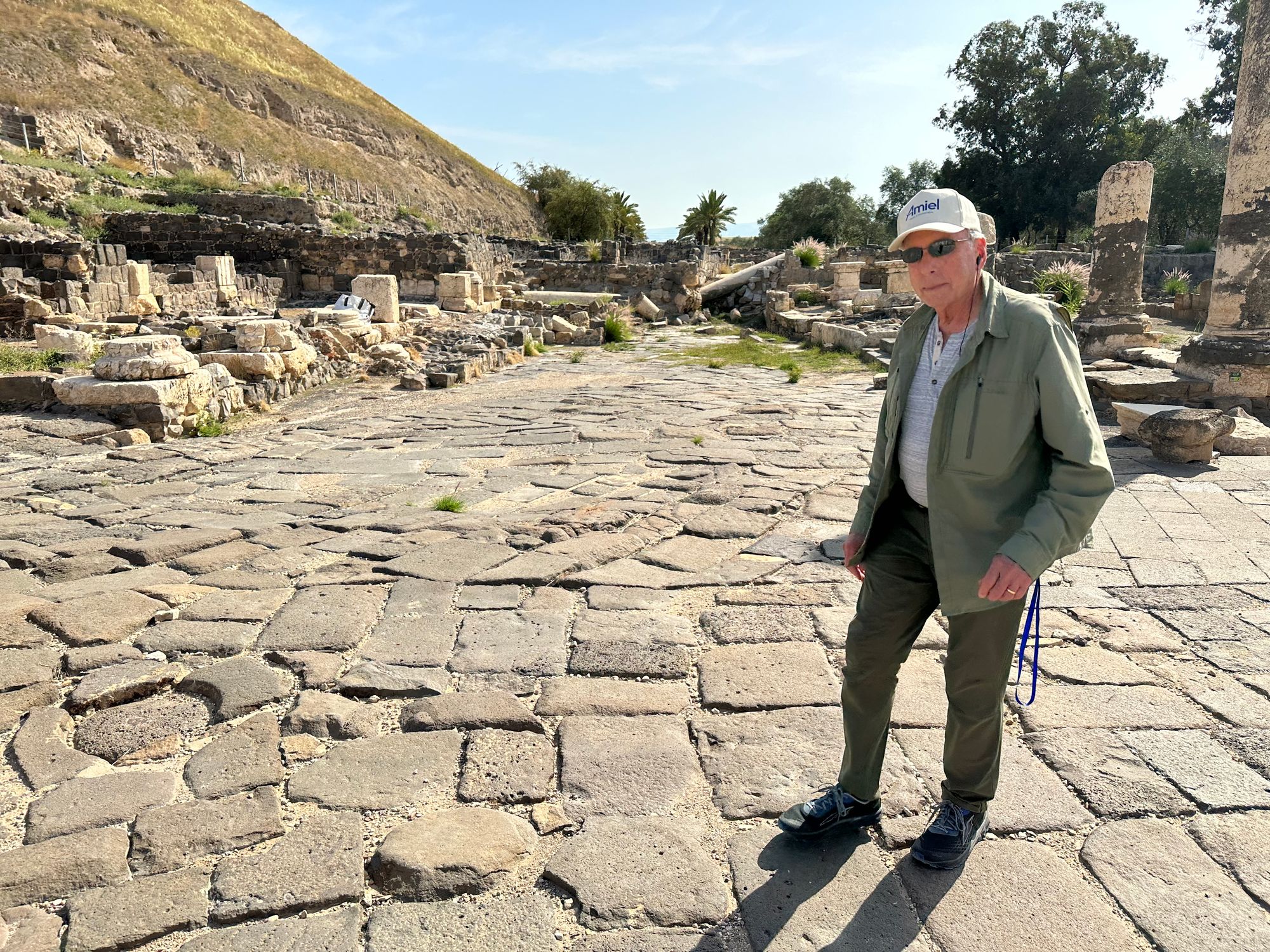
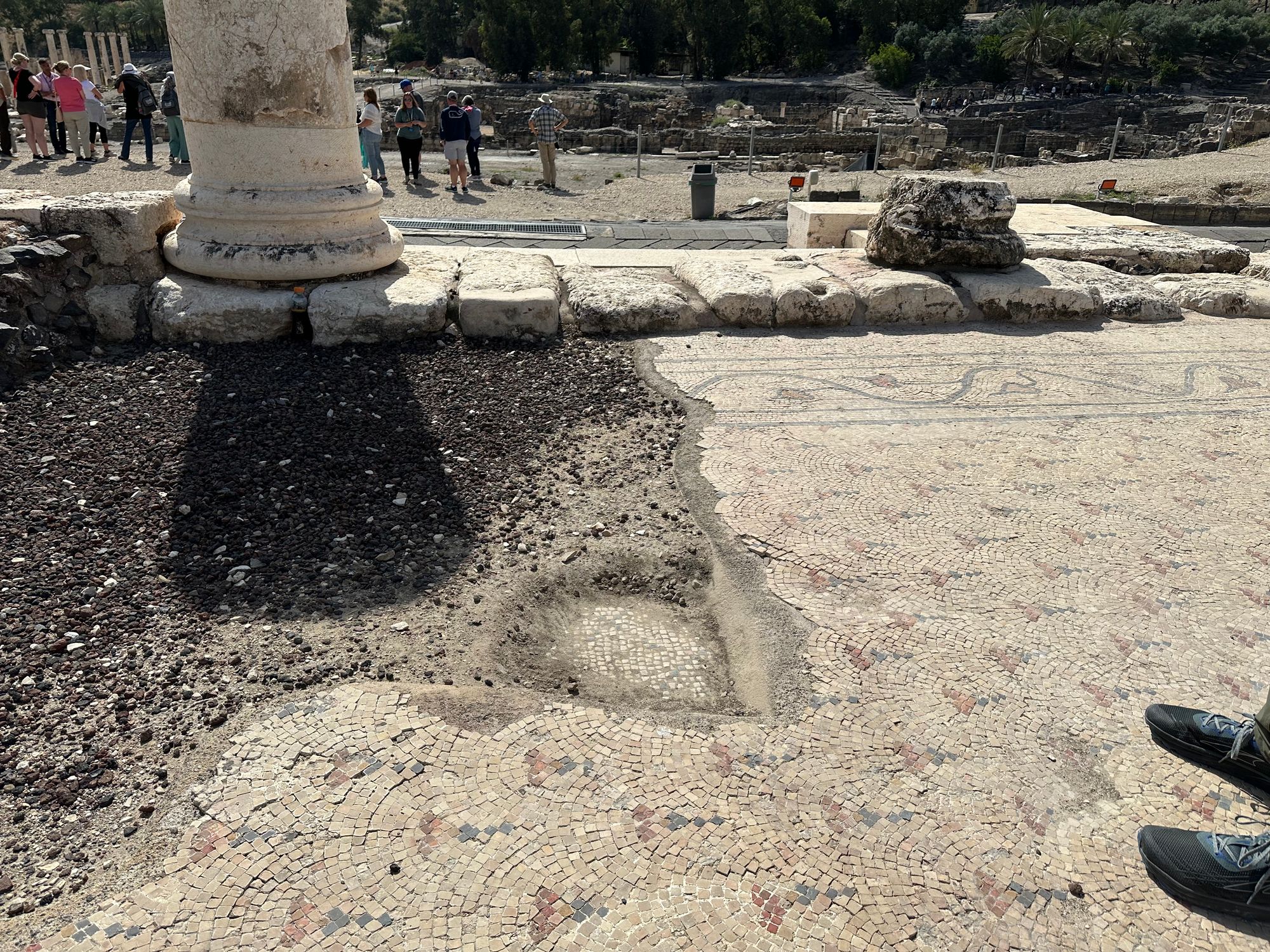
Like so much of Bet She'An, even the cardo and other streets were very well preserved.
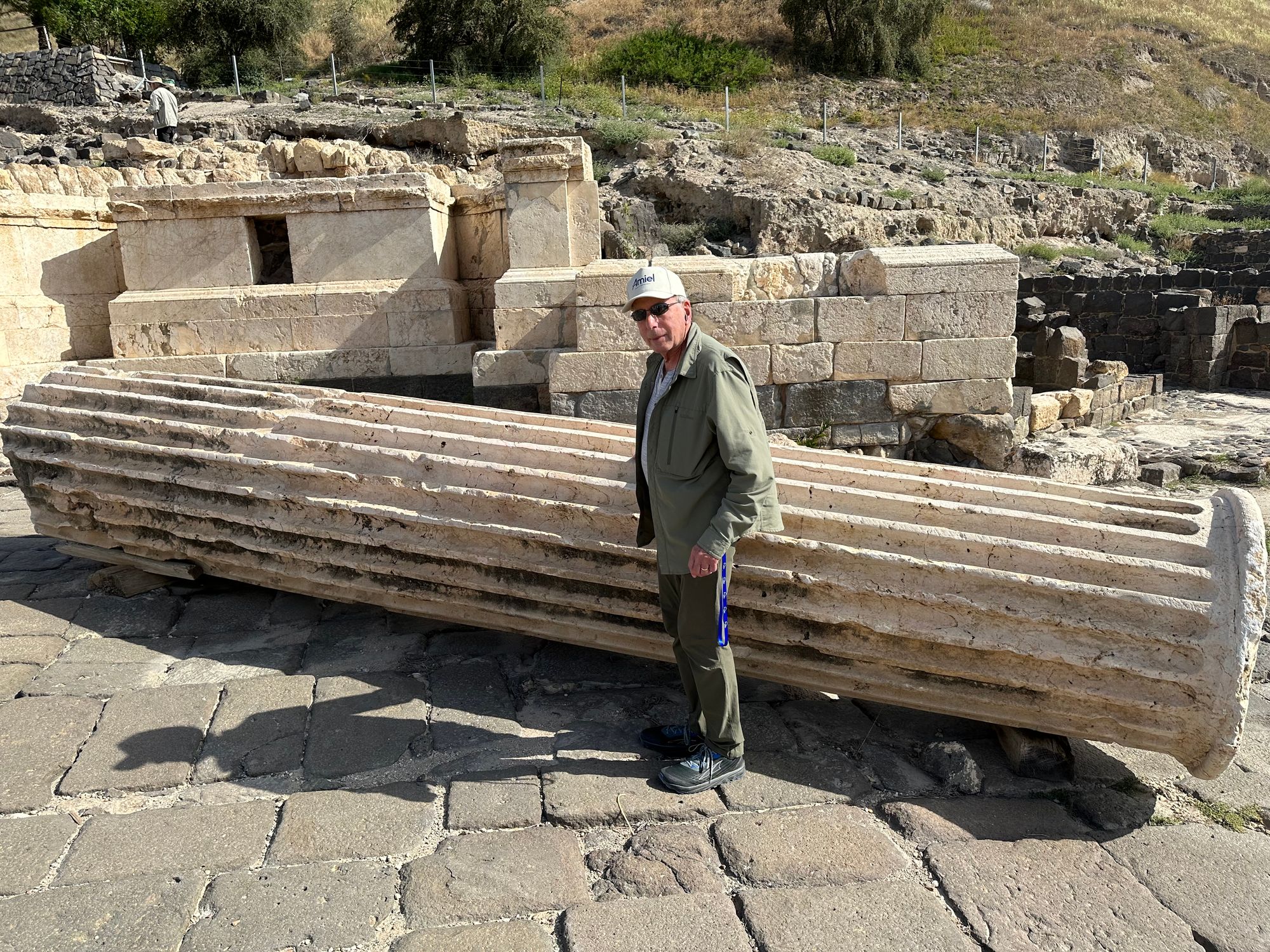
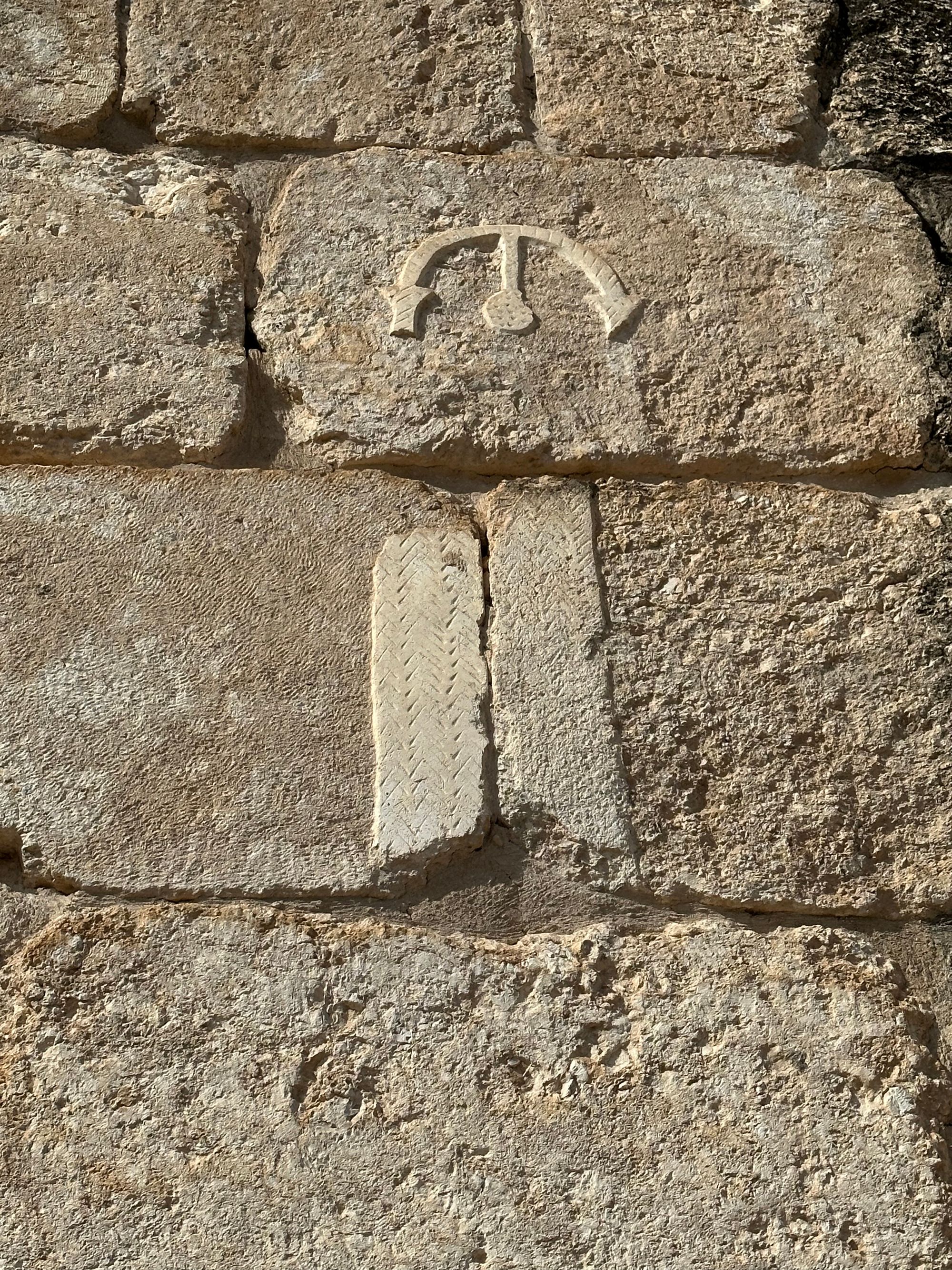
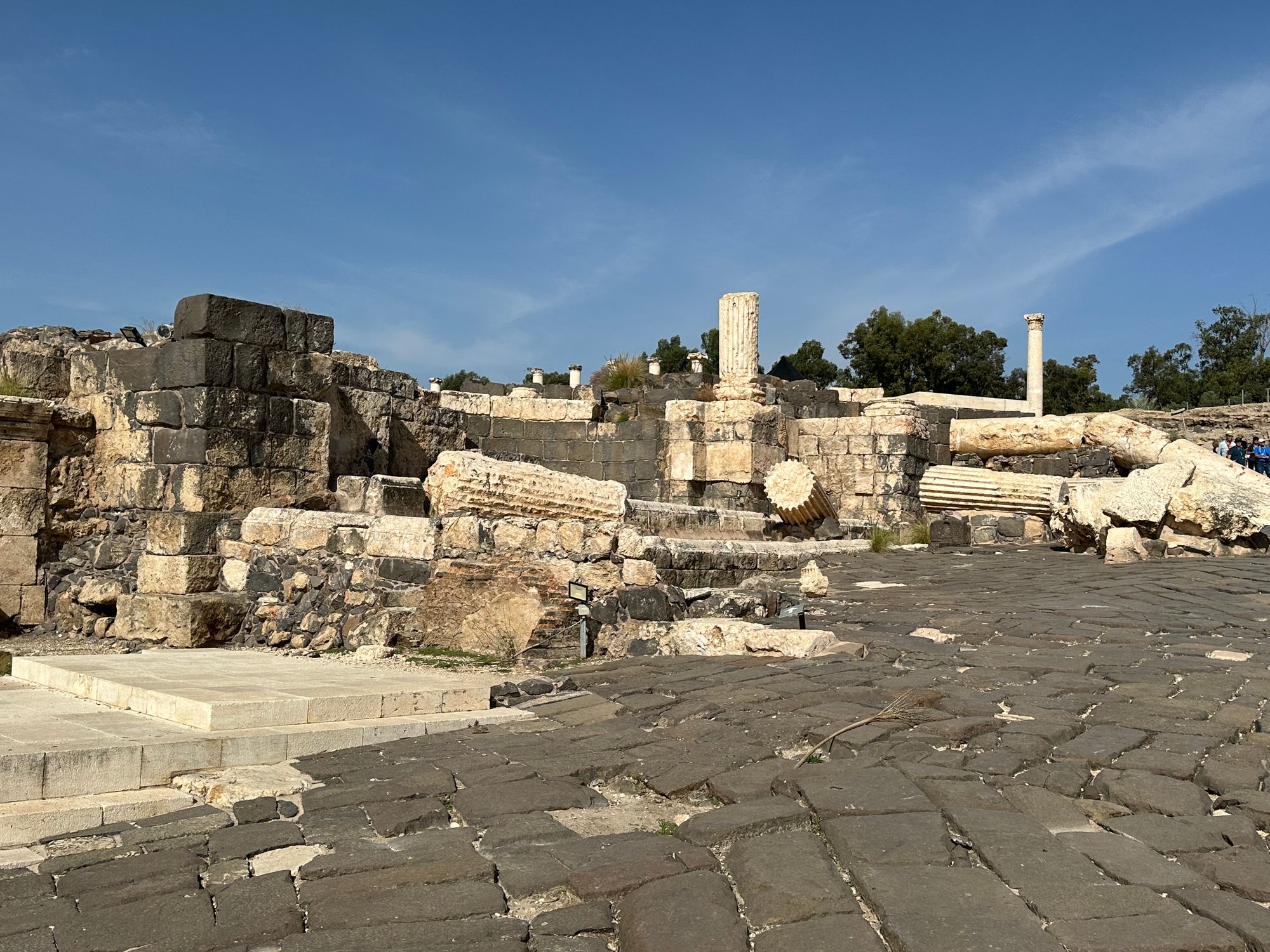
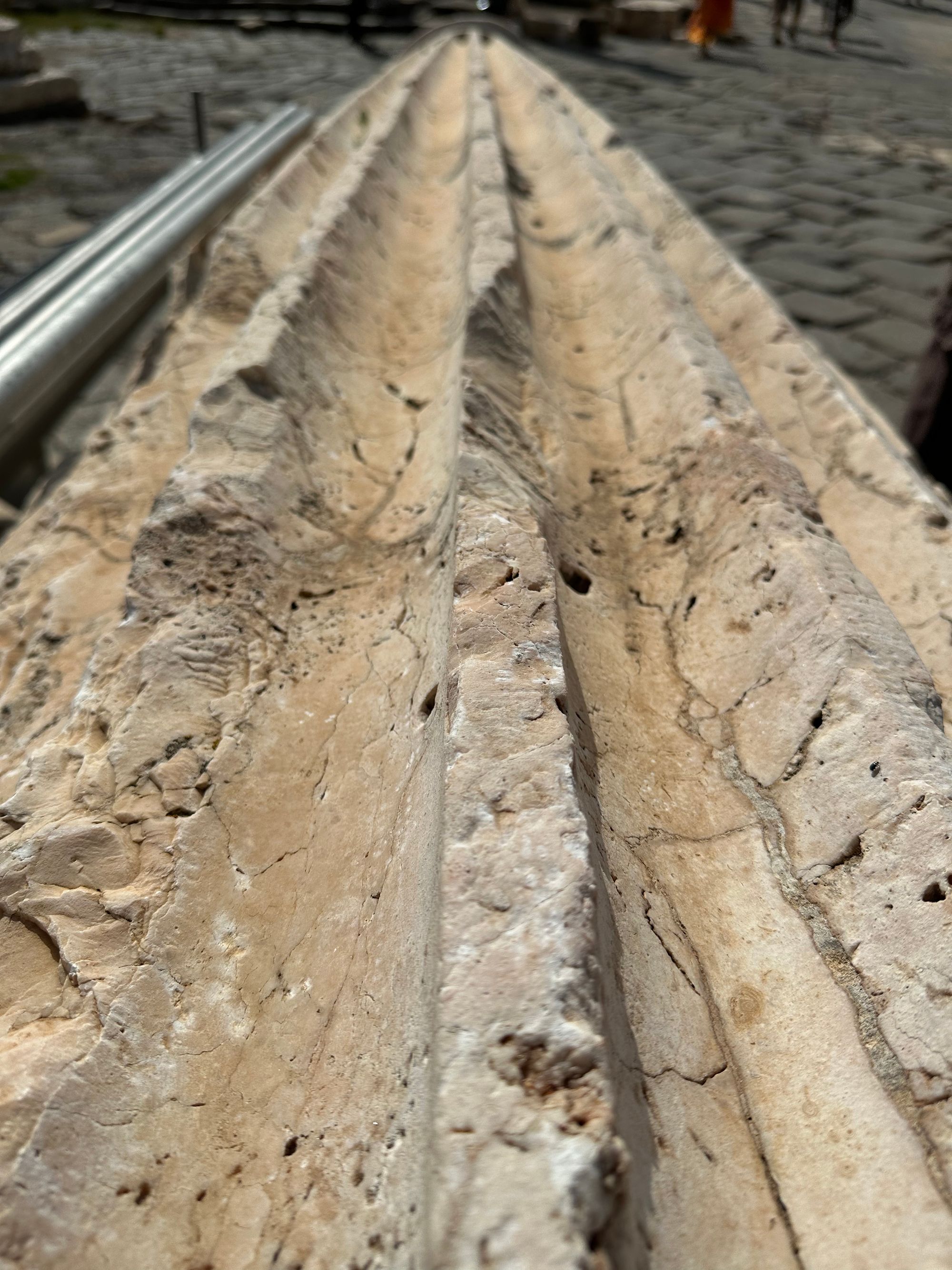
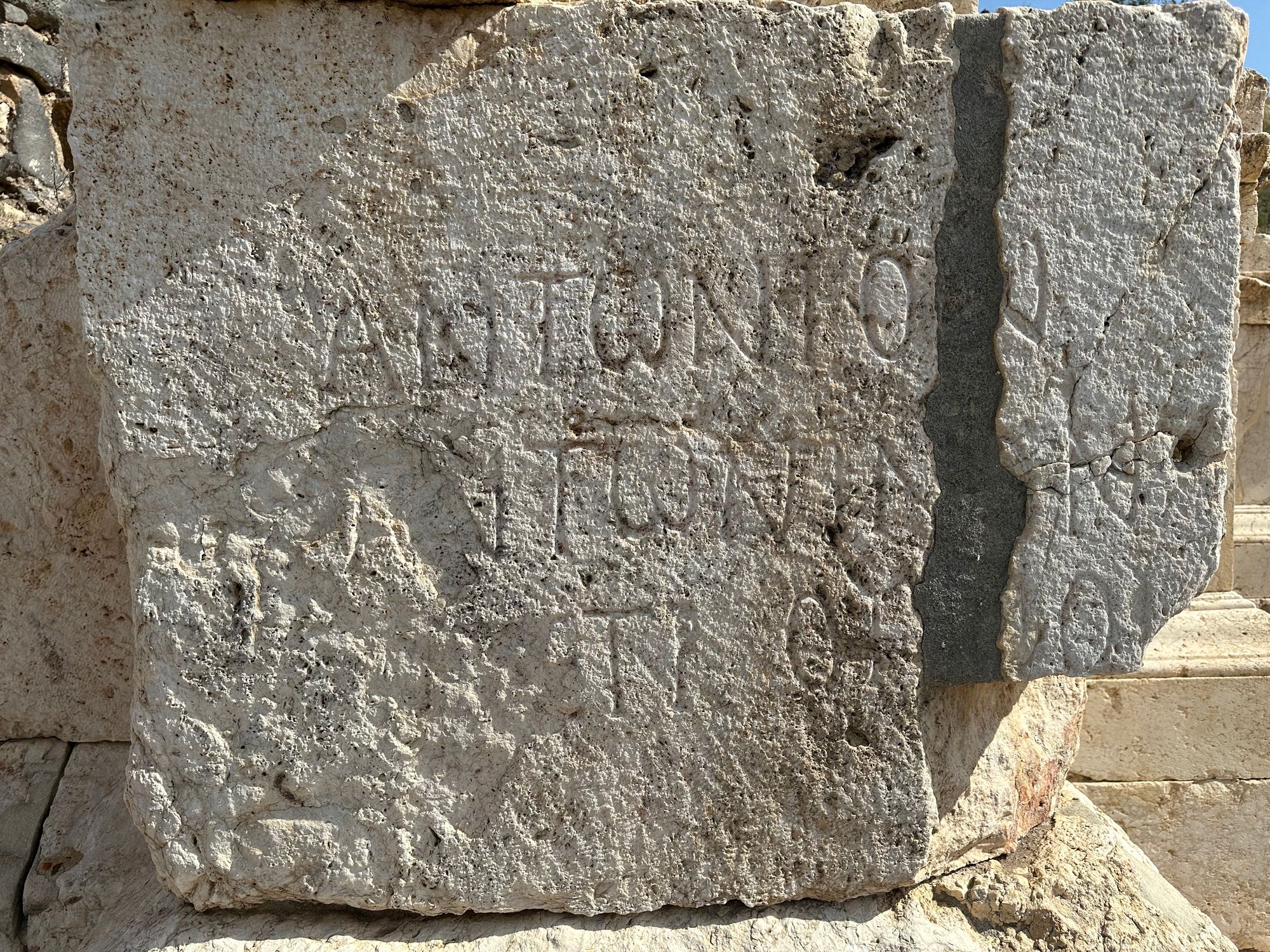
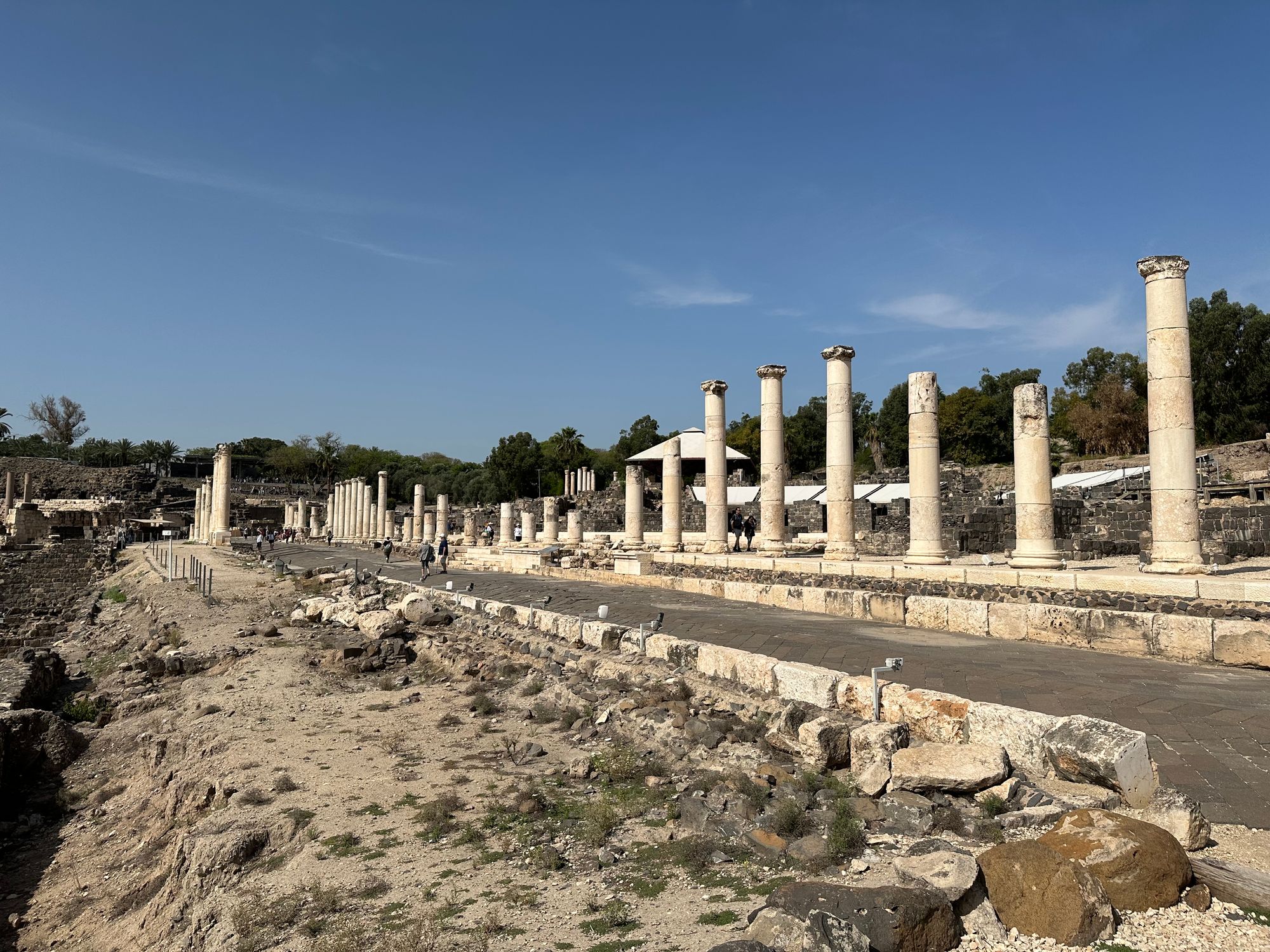
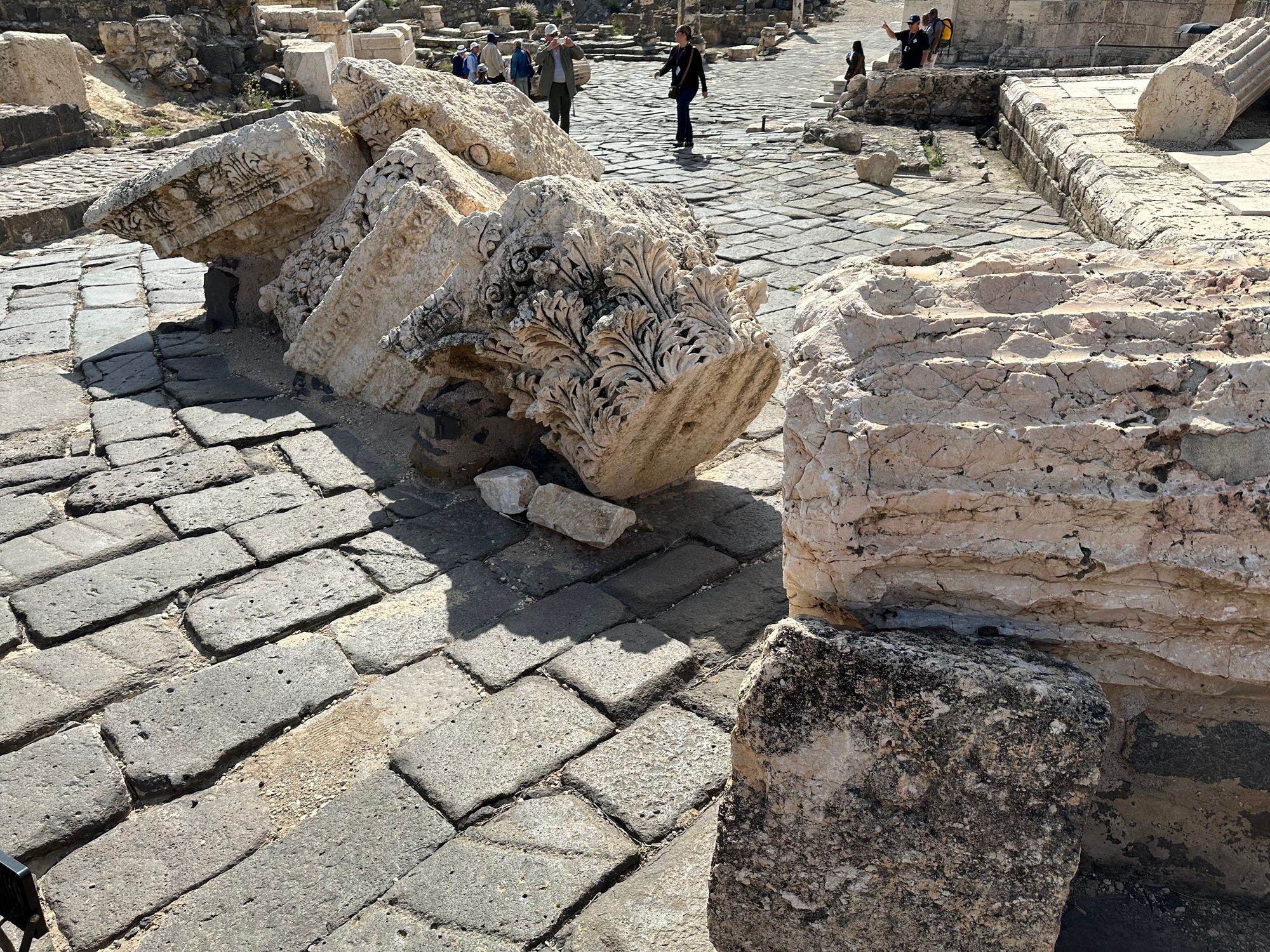
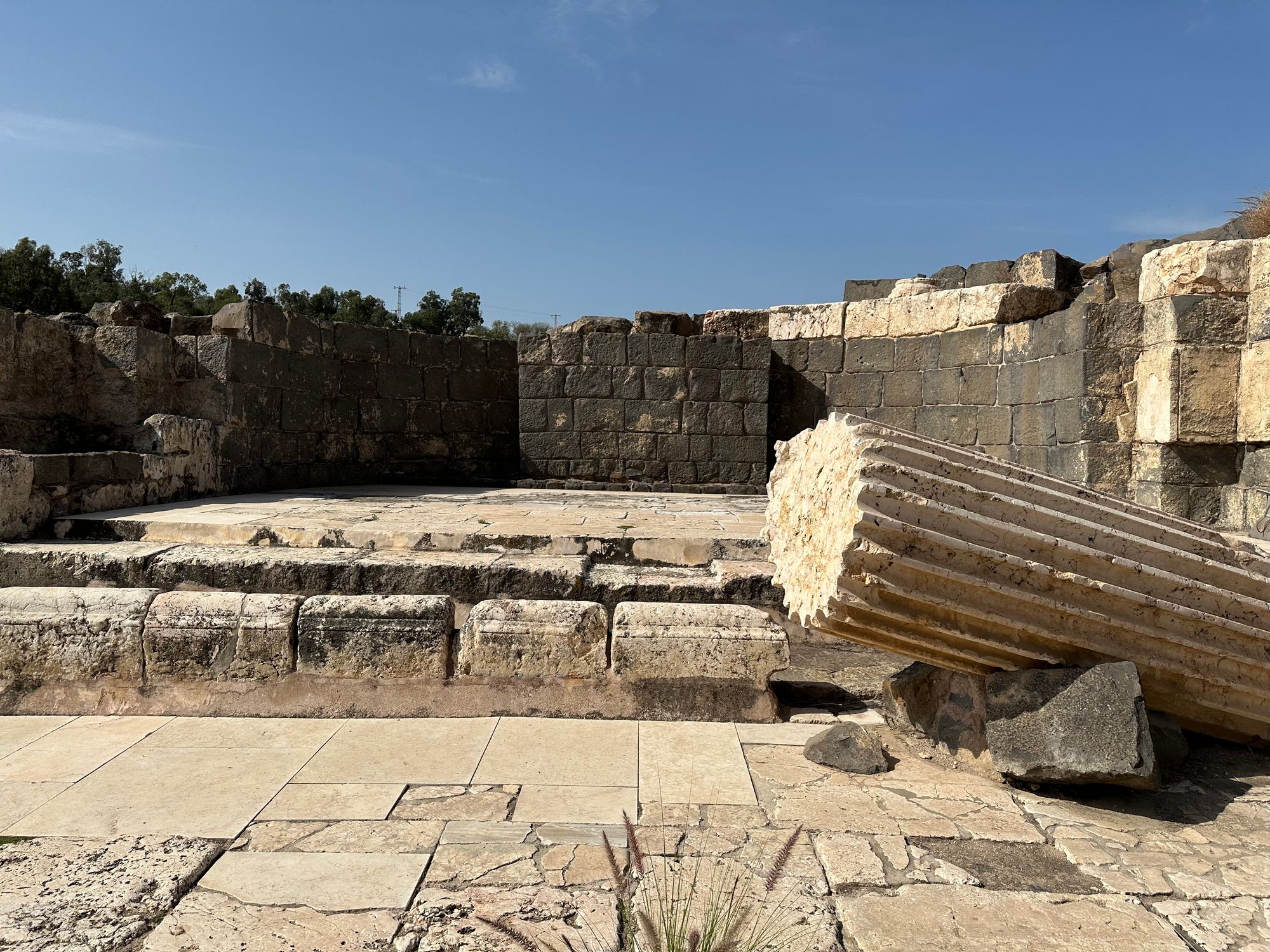
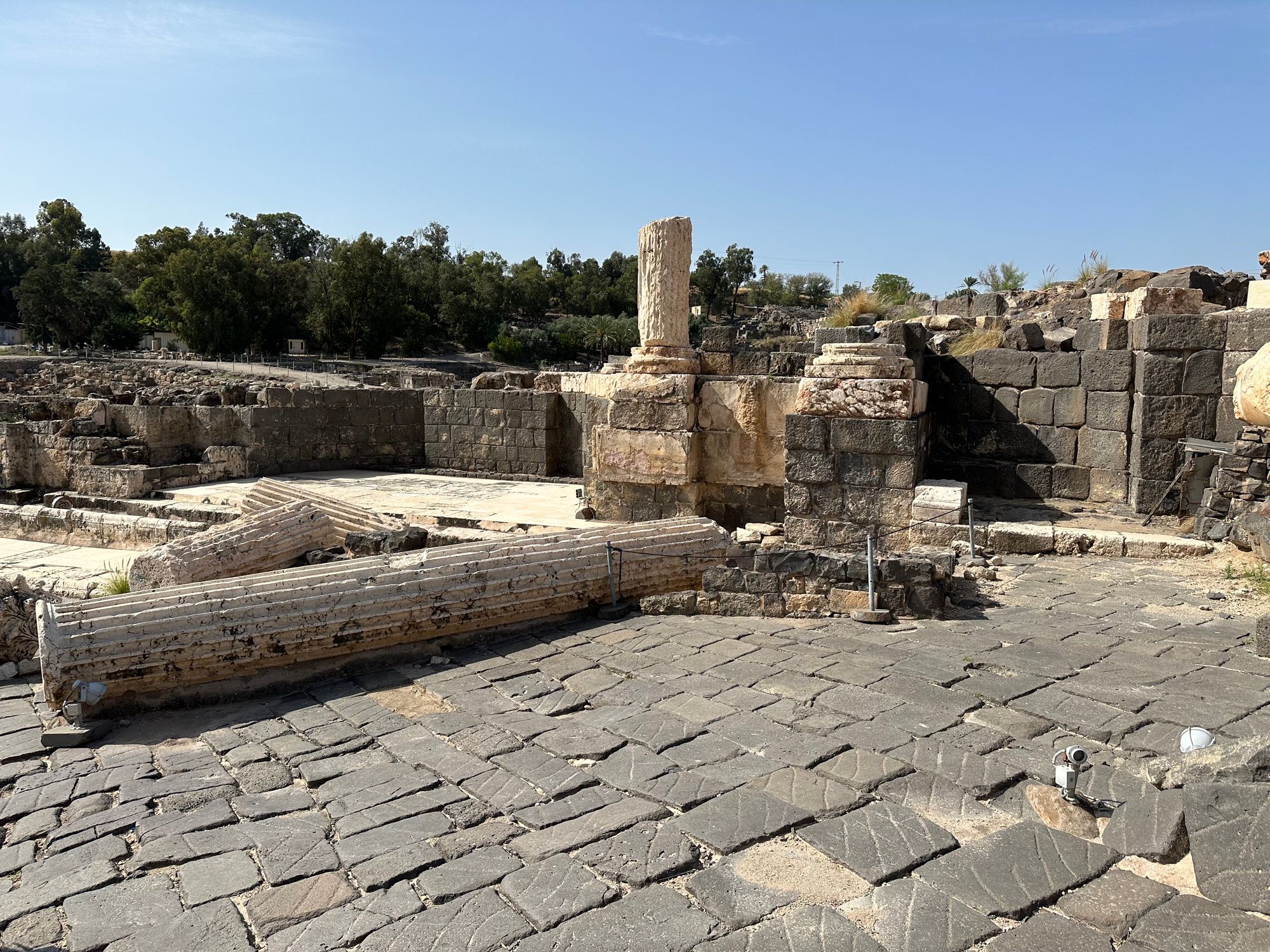
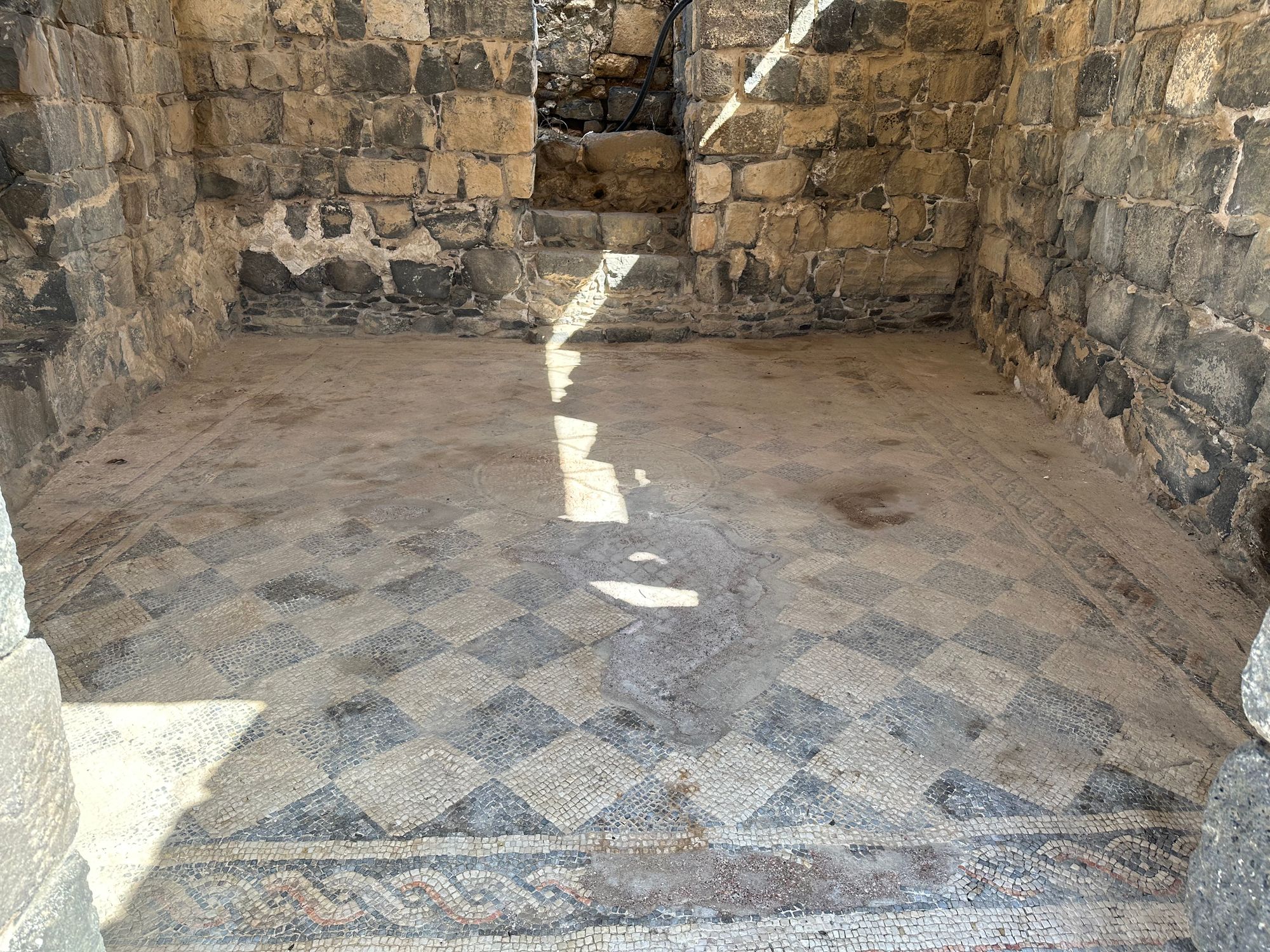
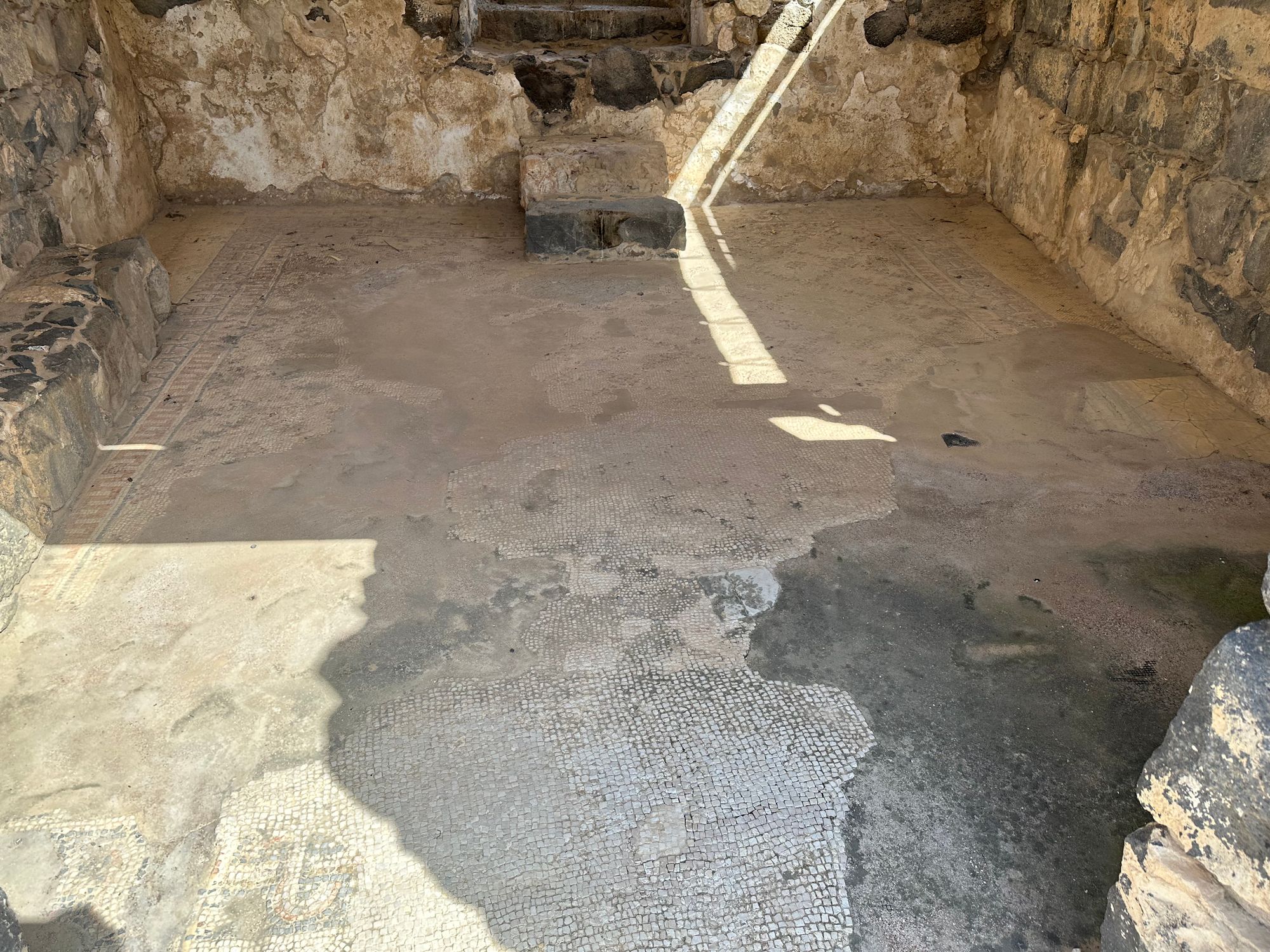
Before leaving, our guide points out some of the amazing mosaics:
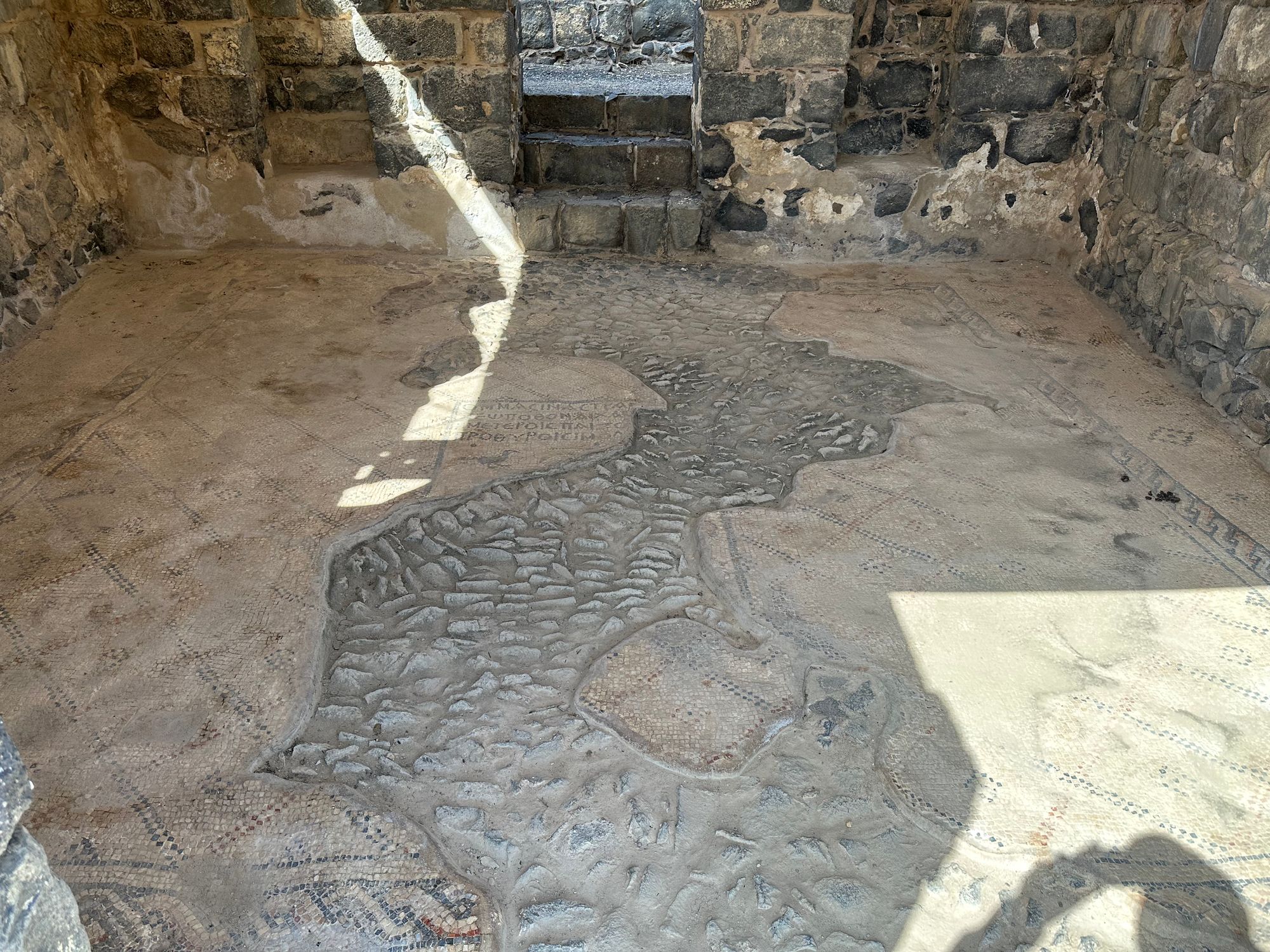
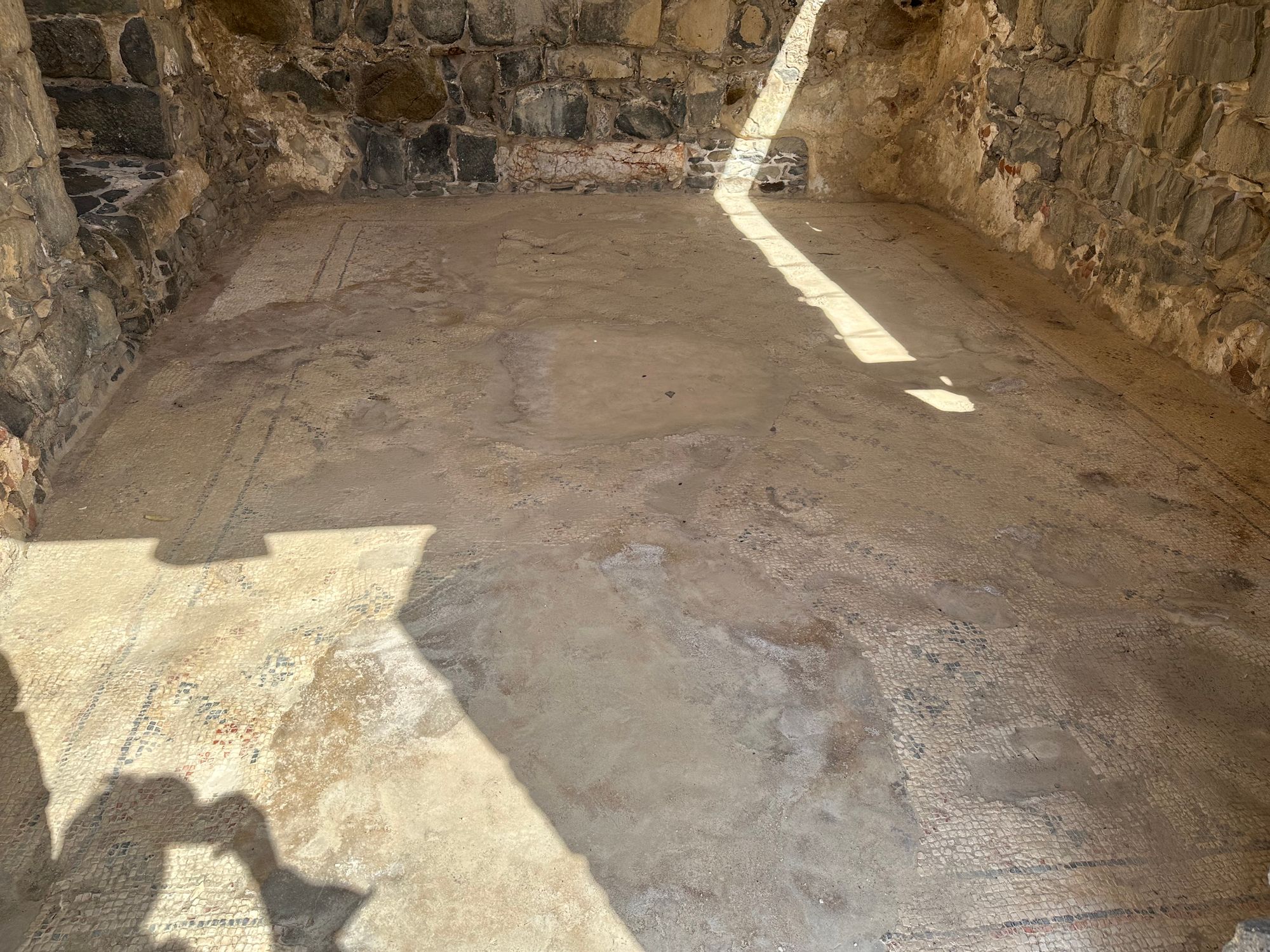
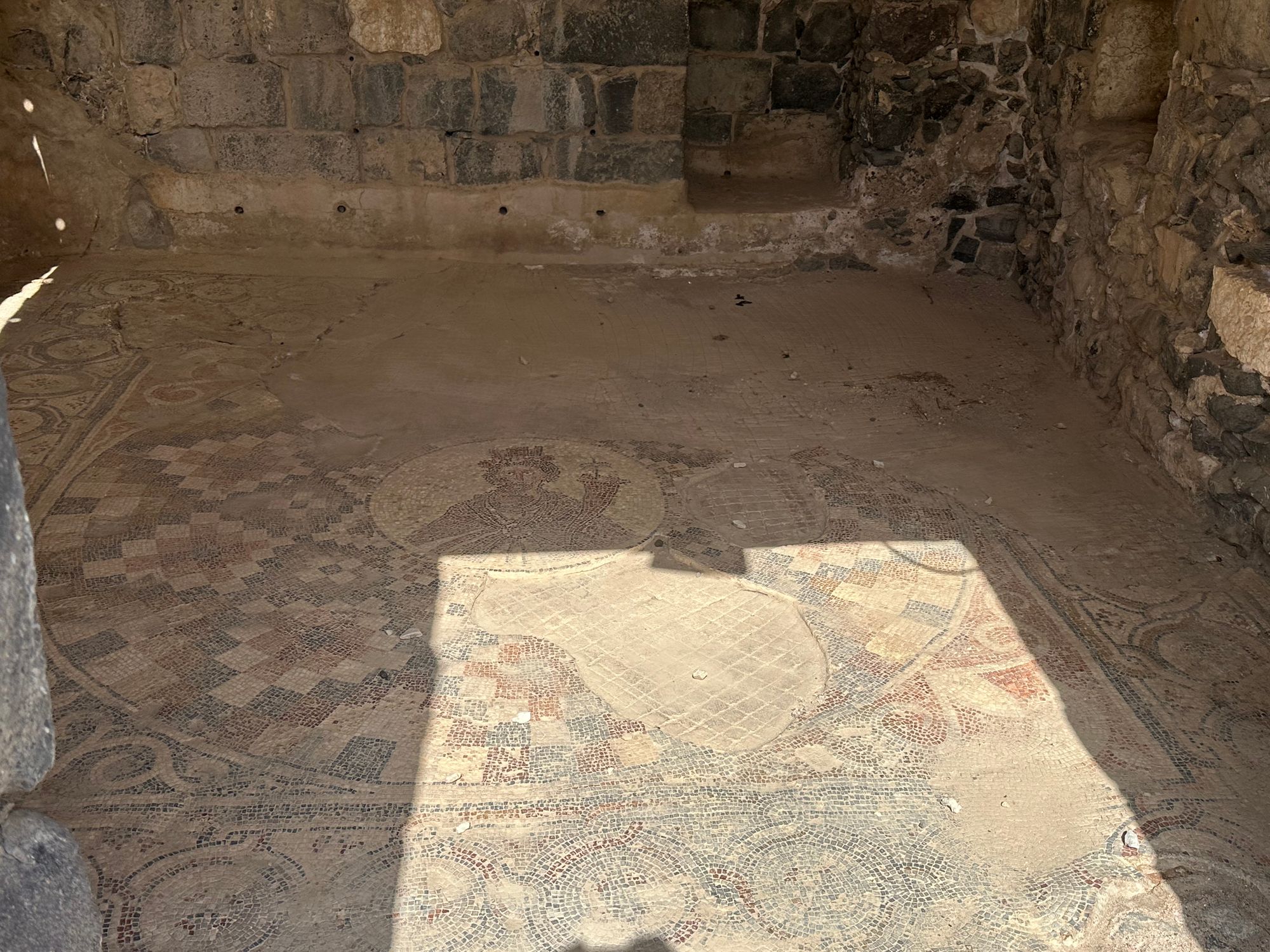
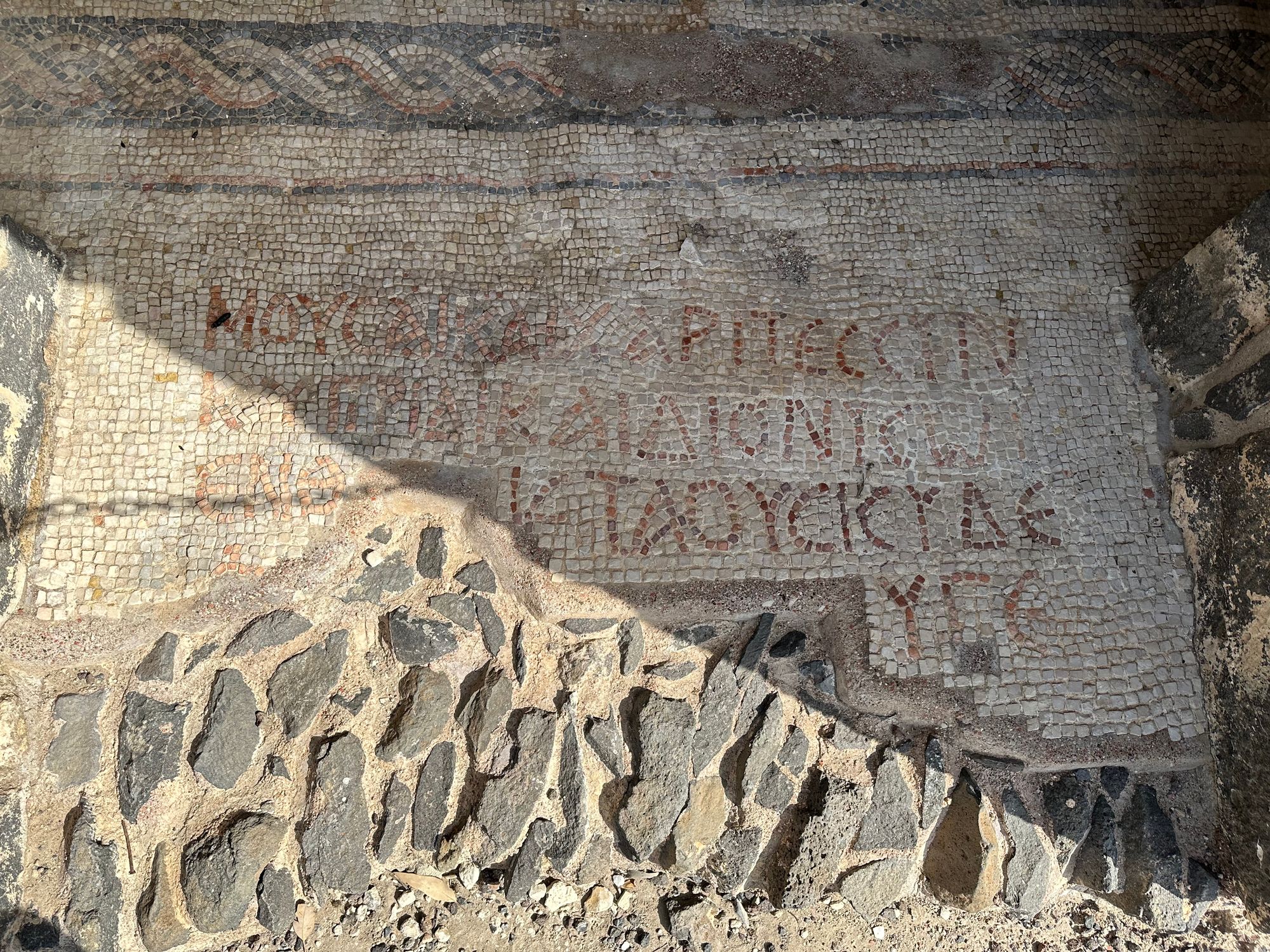
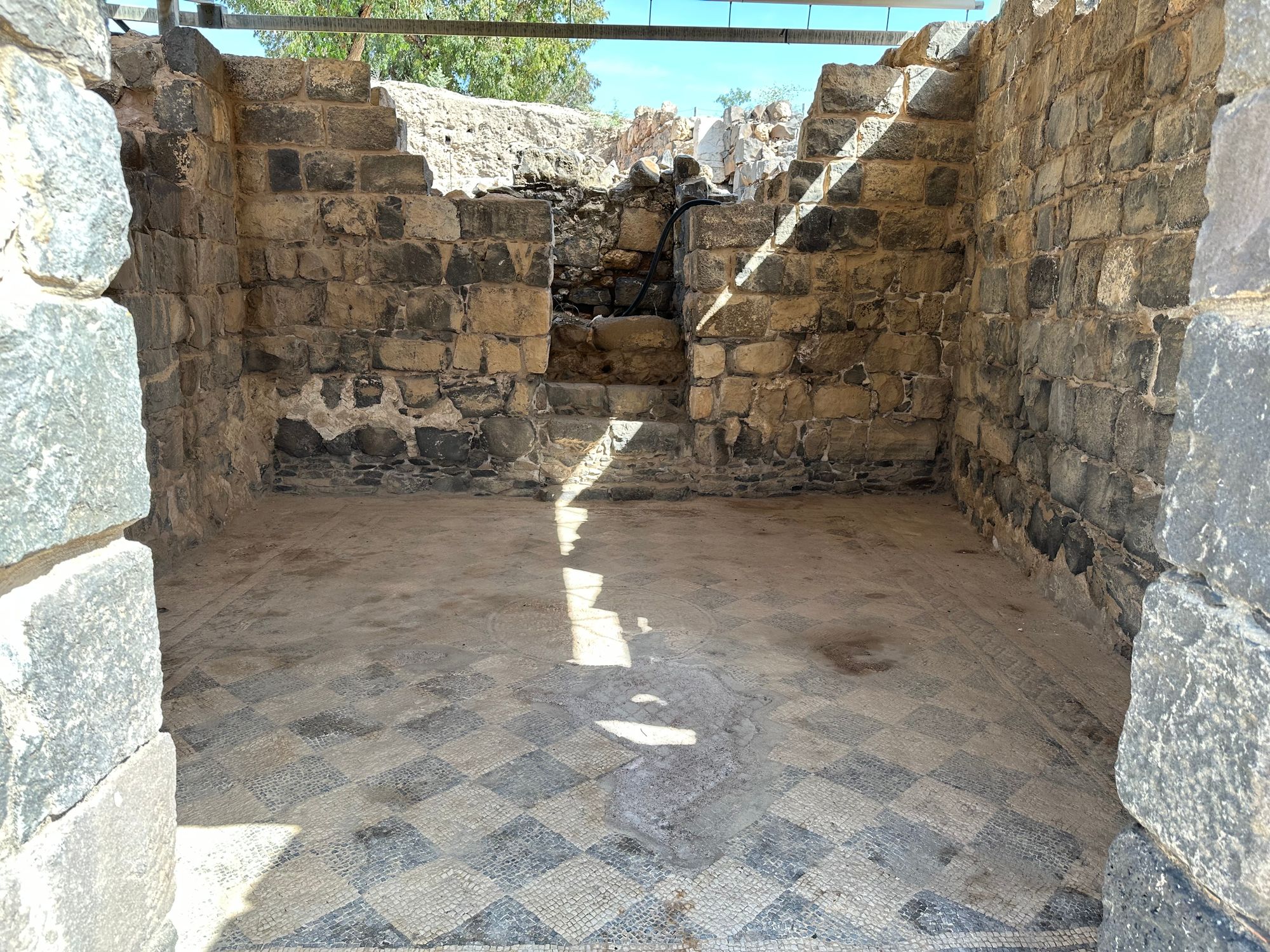
Beit Alpha
Byzantine Synagogue (4th centrury)
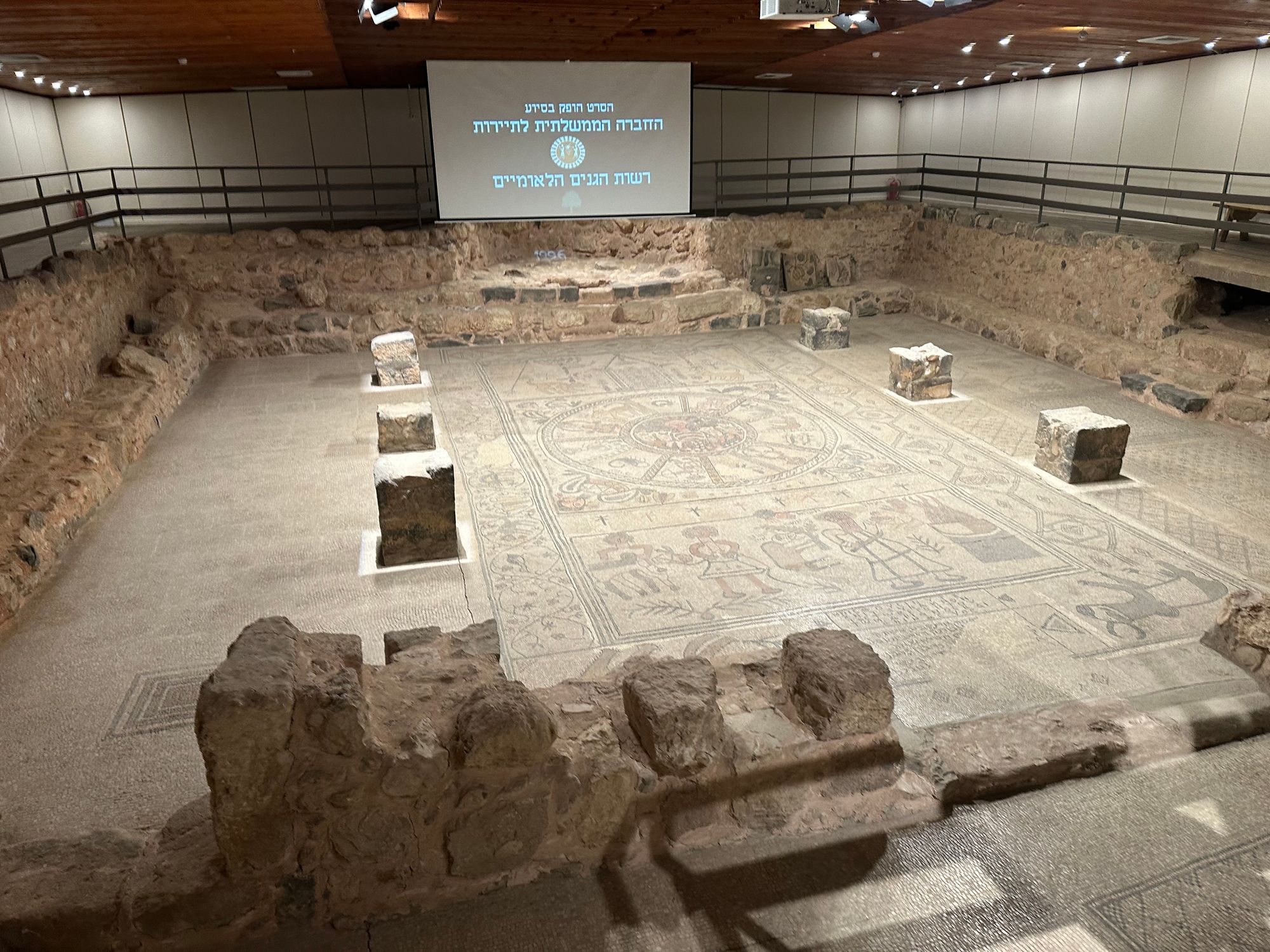
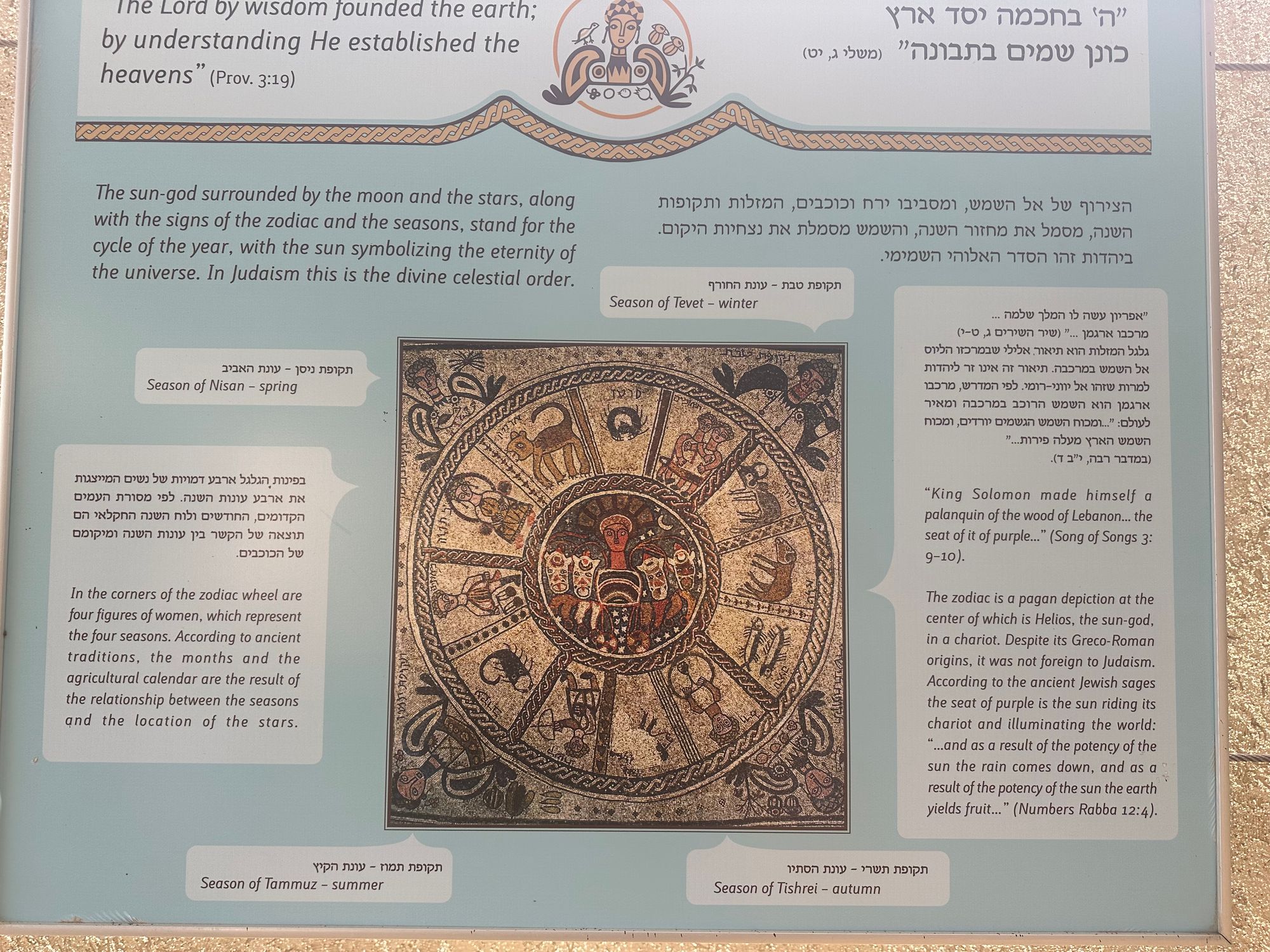
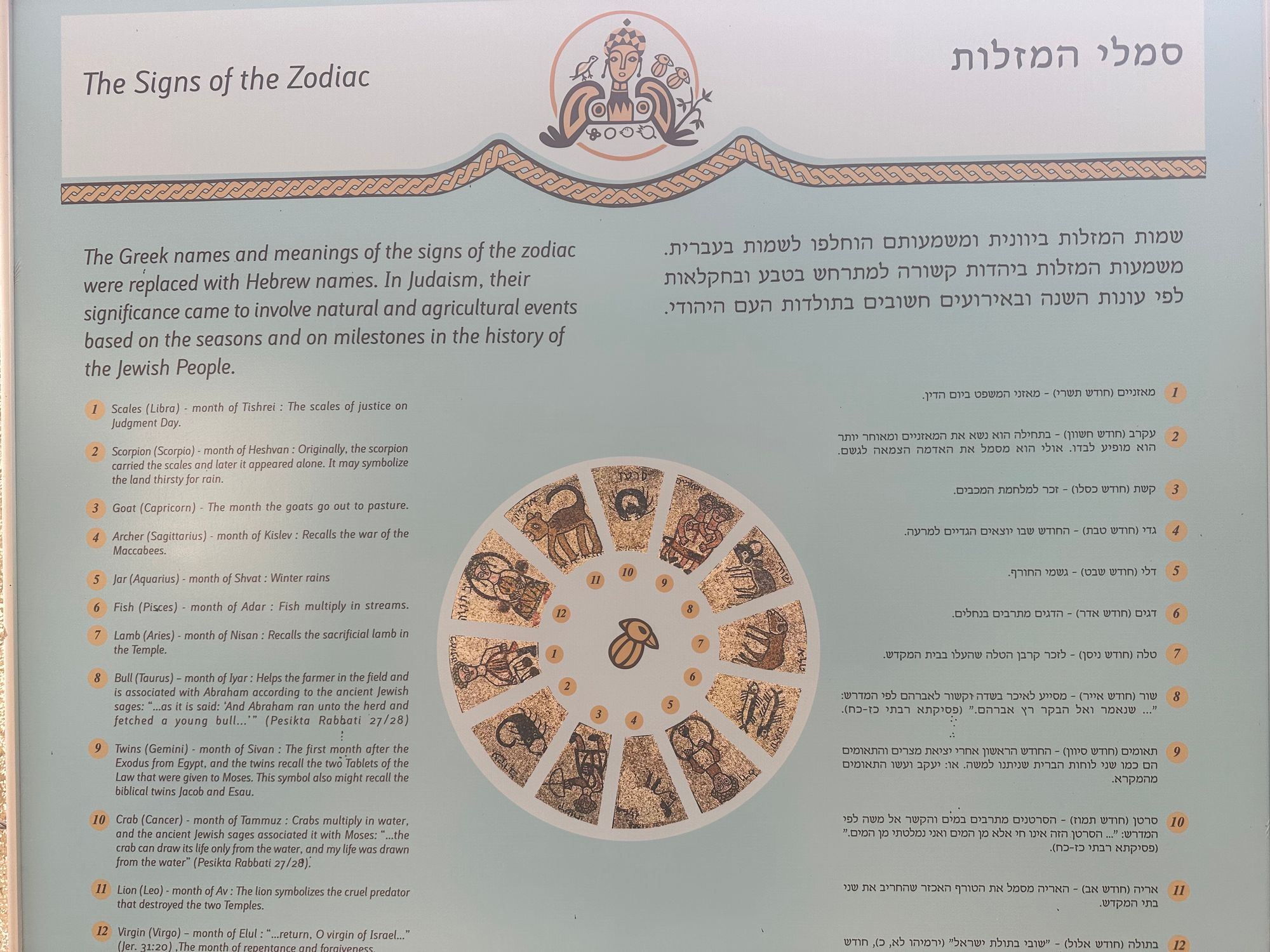
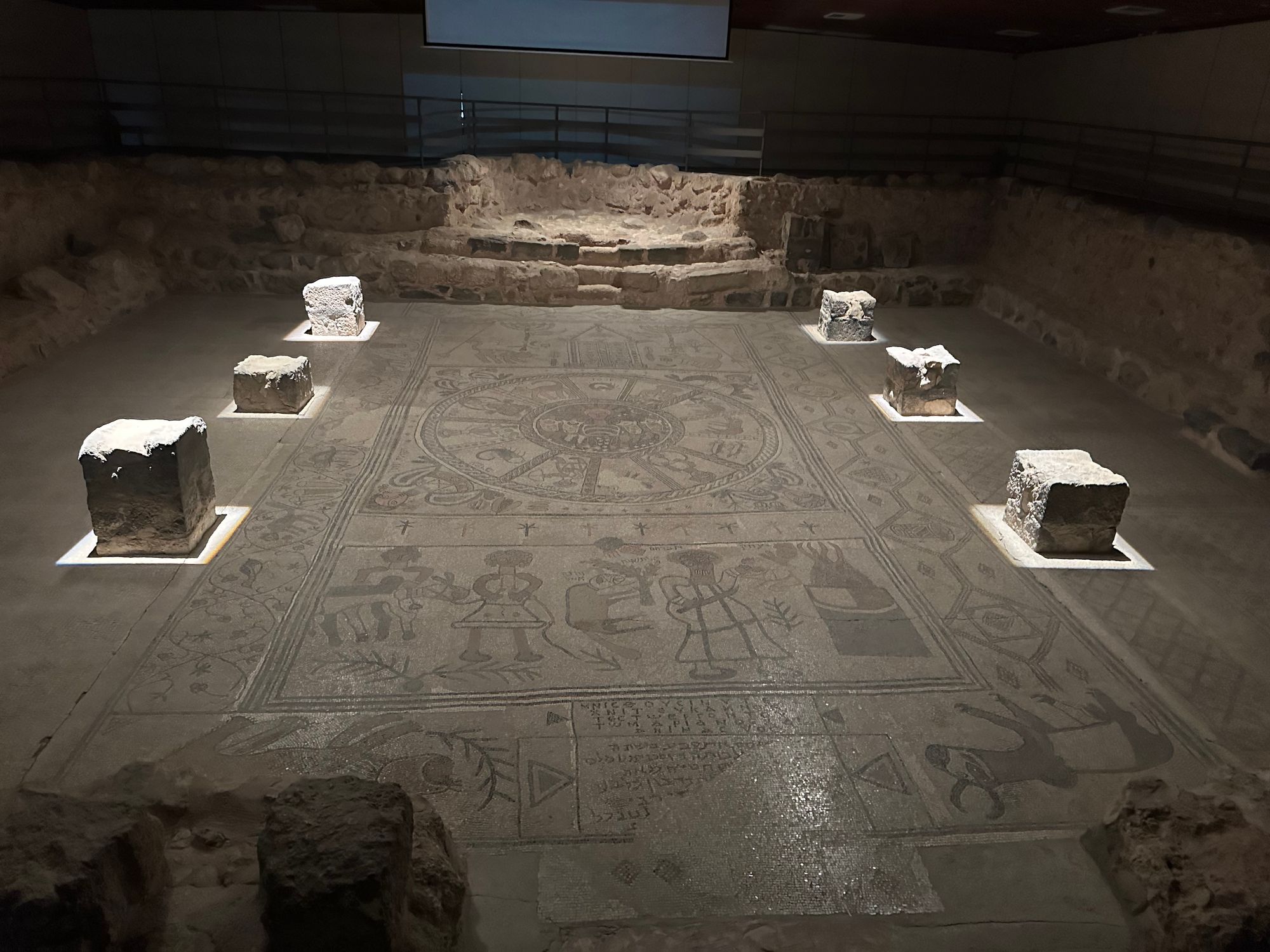
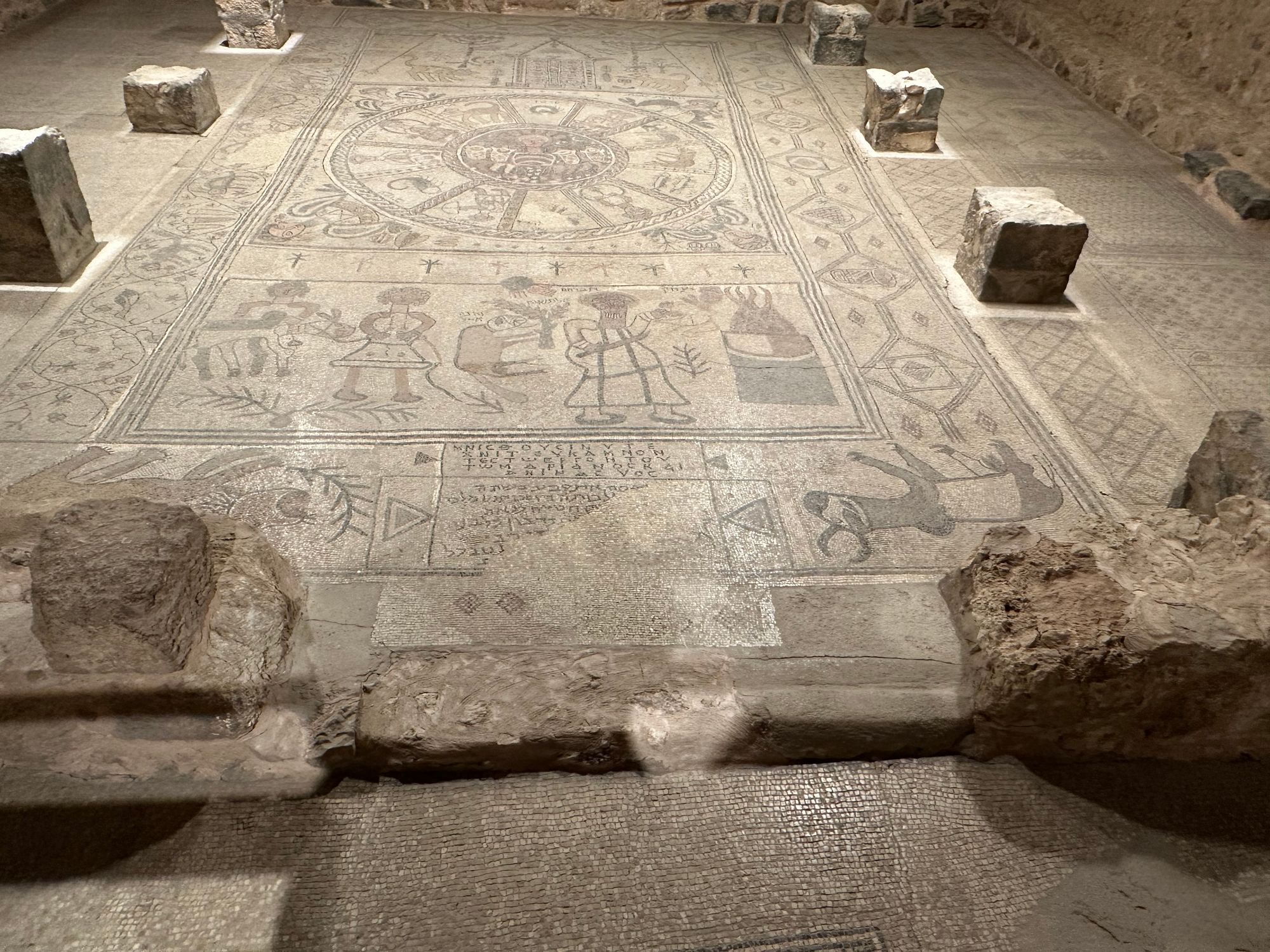
Beit Alpha is an old synagogue that was discovered by a Kibbutz during excavations in 1929. The synagogue dates from around 500 CE. The mosaics are beautiful with aramaic inscriptions mentioning emporor Justinian I as well as a calendar and some zodiac signs.
Kibbutz of Beit Alpha
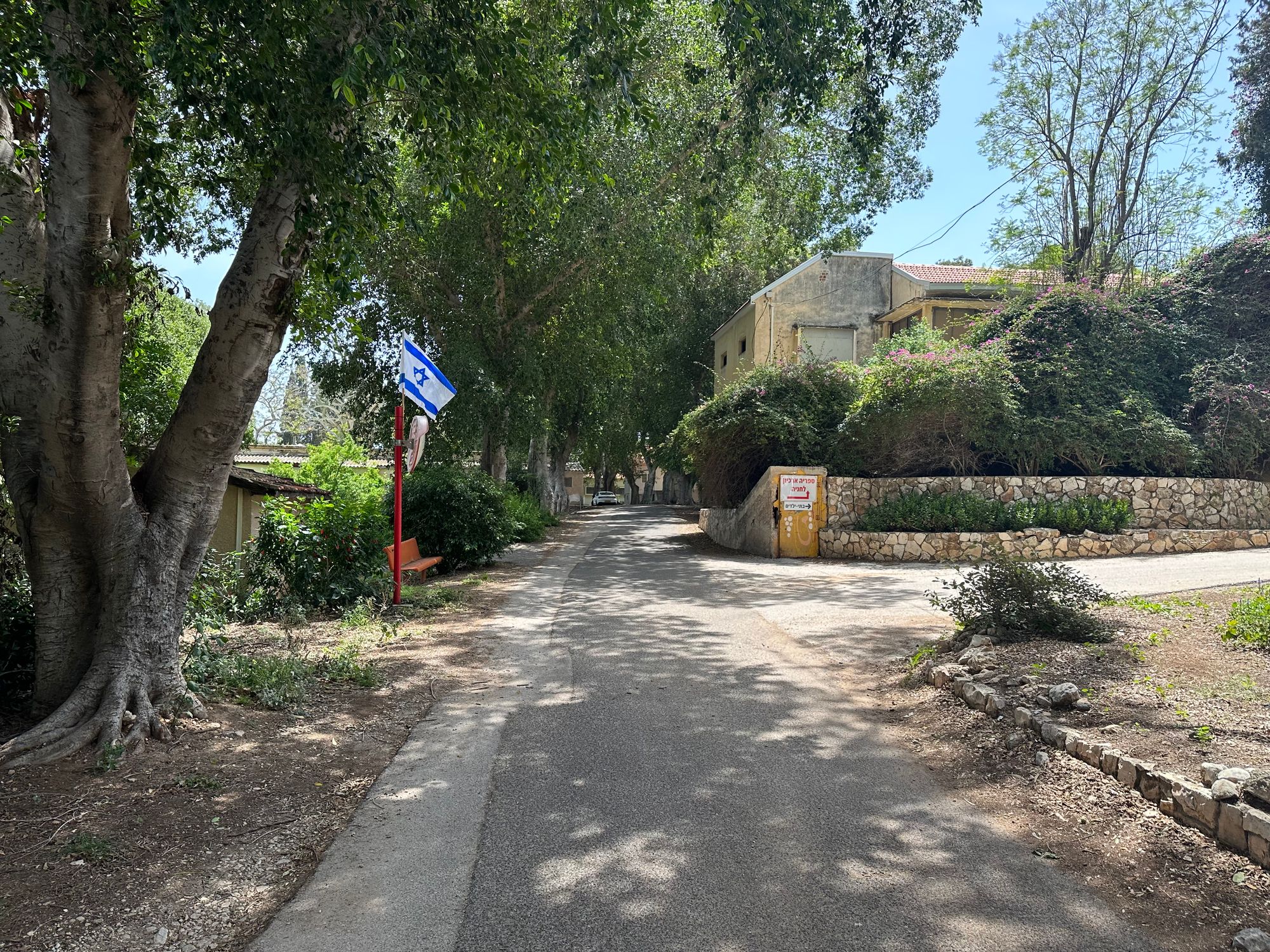
We learned a little about the Kibbutz (social cooperative village) from a current member.
Here's some of the history: The first kibbutz was 1906 on lake Galilee. Originally, when the ottomans/turks came into the area, they raised taxes which meant that the poor landowners in the area could not afford to pay. Many of these landowners eventually sold their land to wealthy Lebanese. Much later, the early Kubbutz land was purchased from the Lebanese, often the people living there didn't even know their land had been sold and resold.
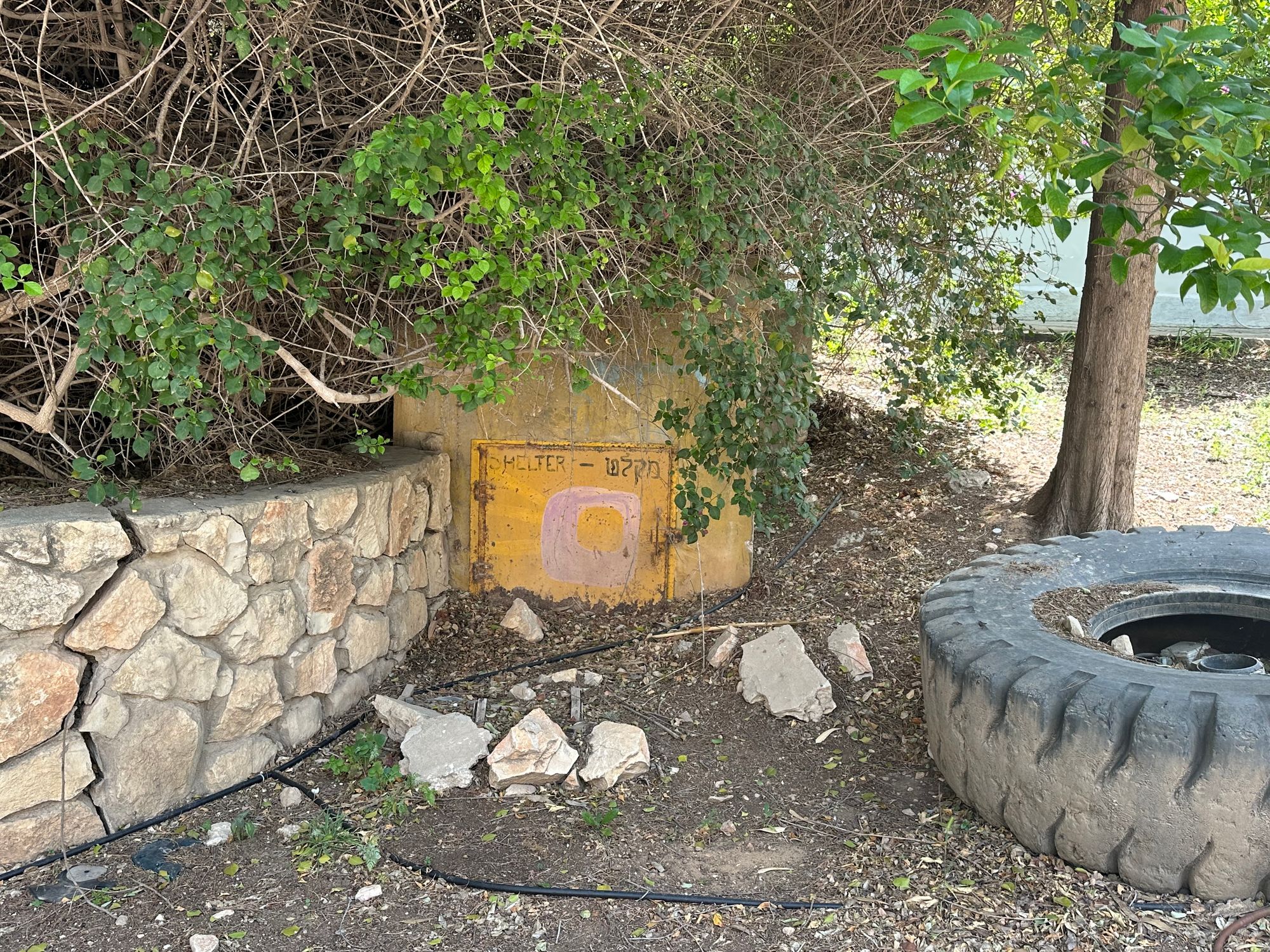
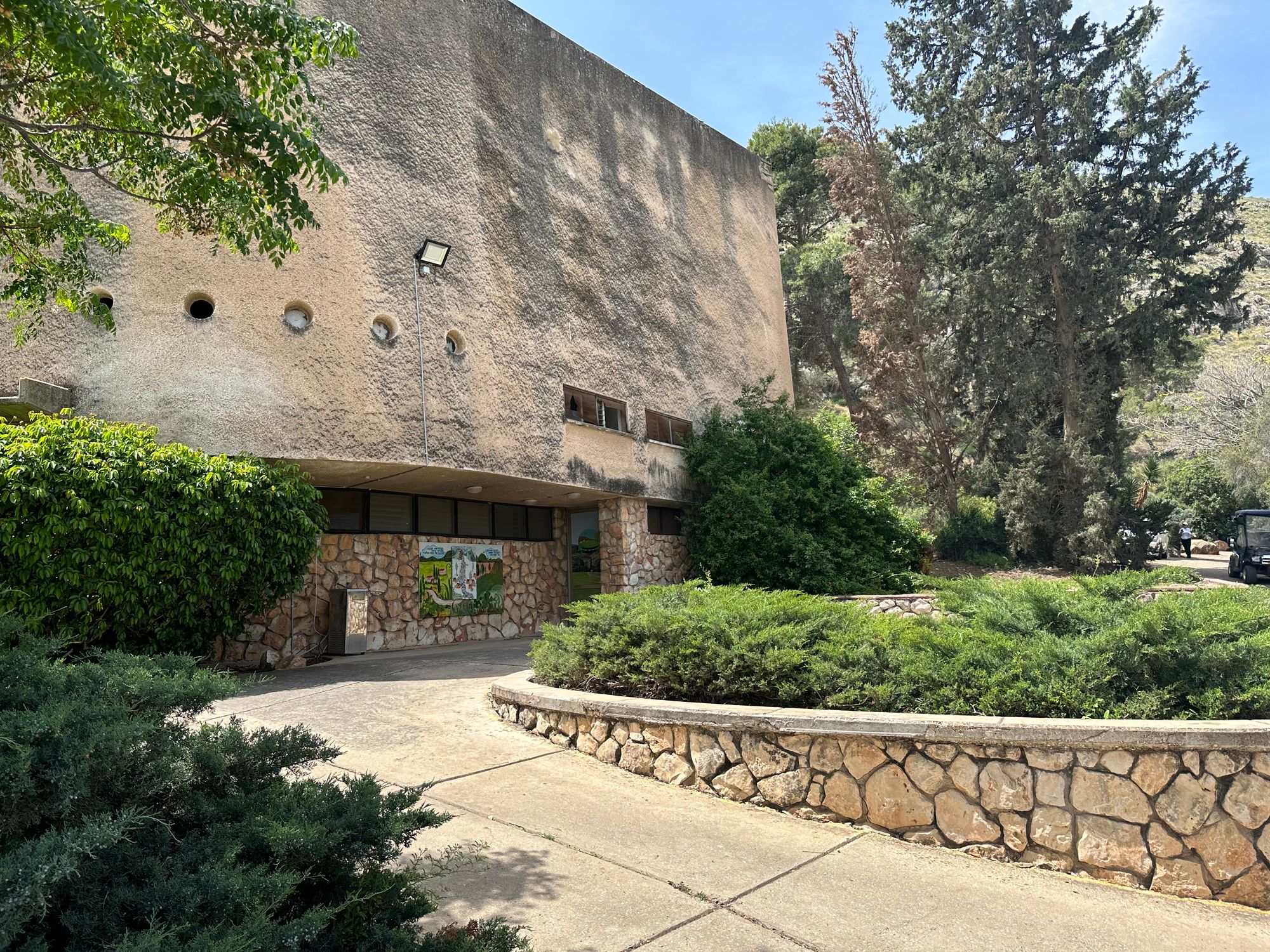
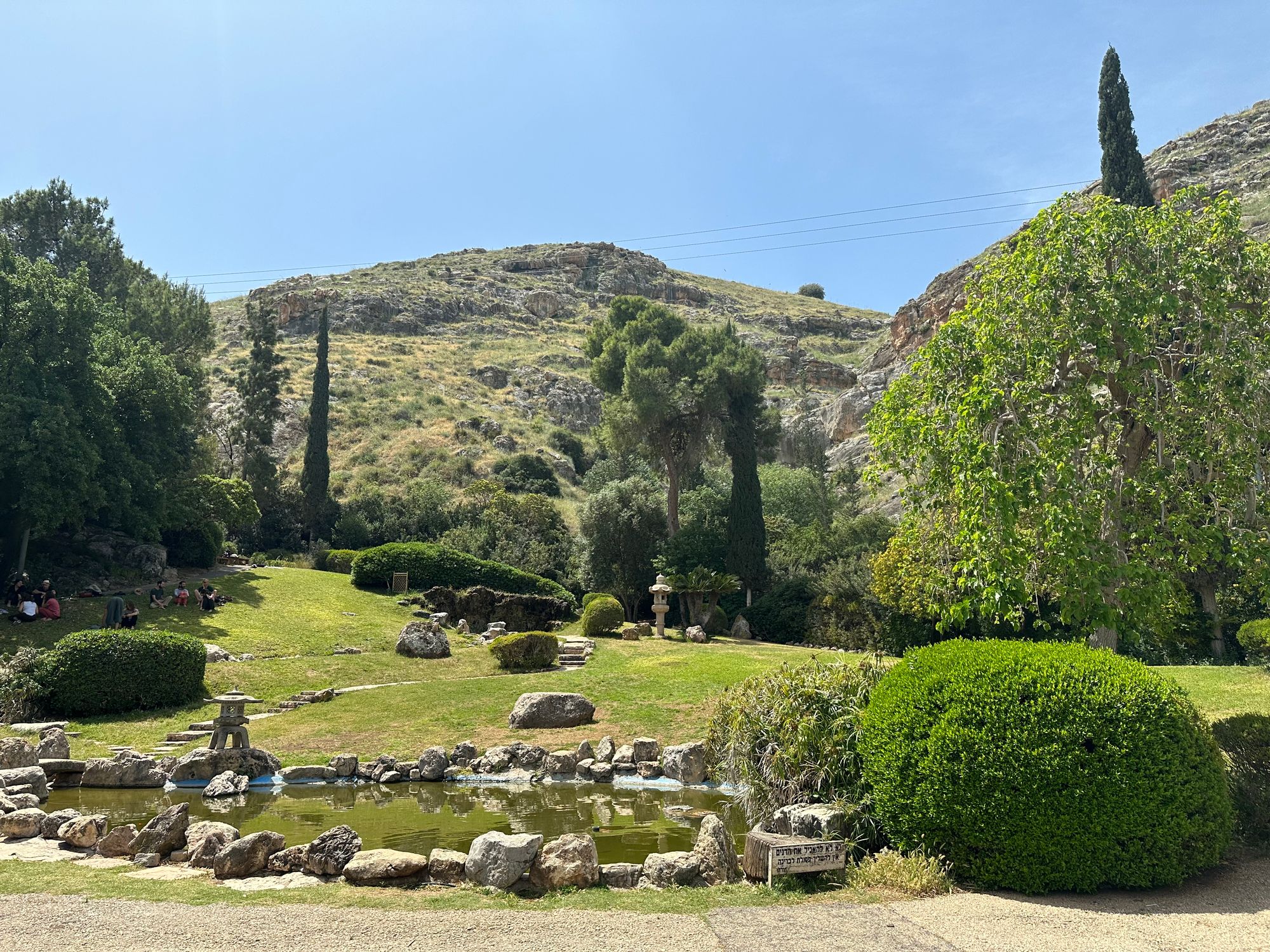
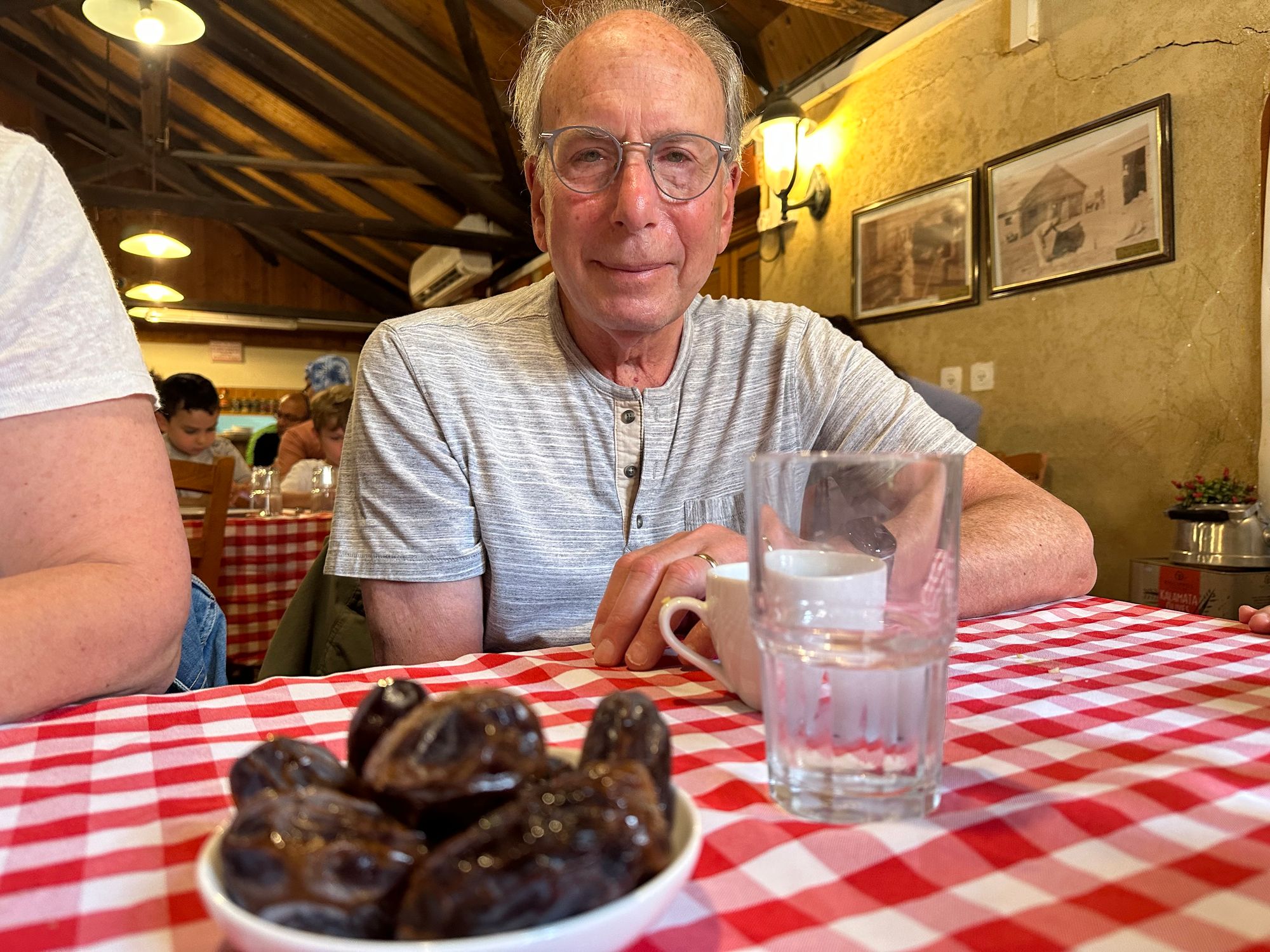
Lunch!
Drive through Jordan valley
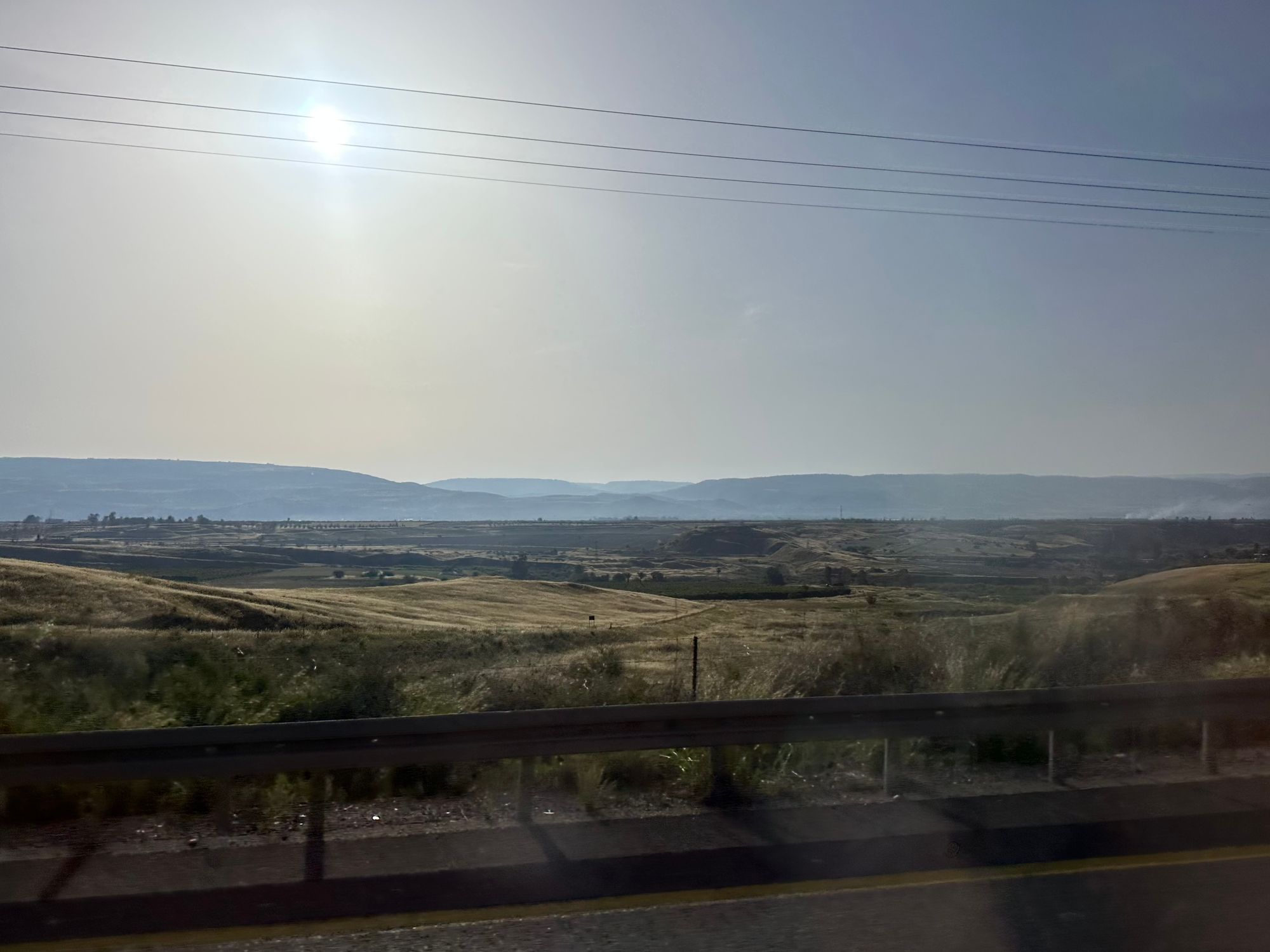
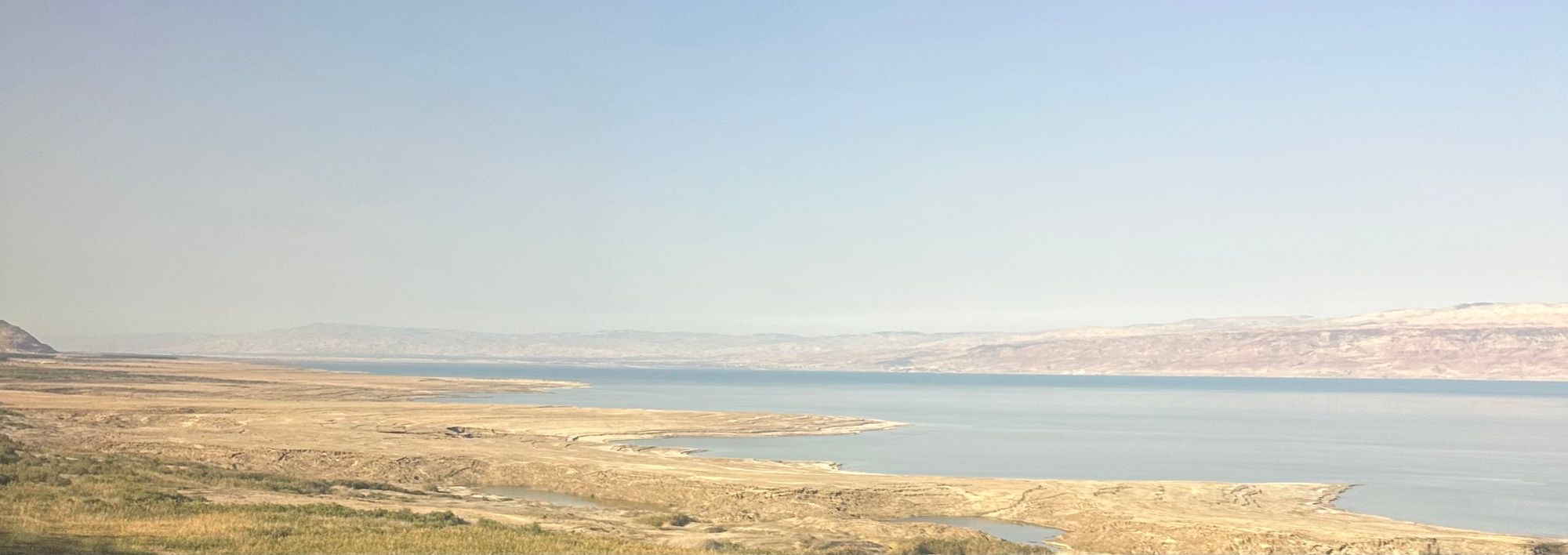
We continue our drive south, through the Jordan valley and the desert of Judah. We can see Jordan just on the other side of the valley.
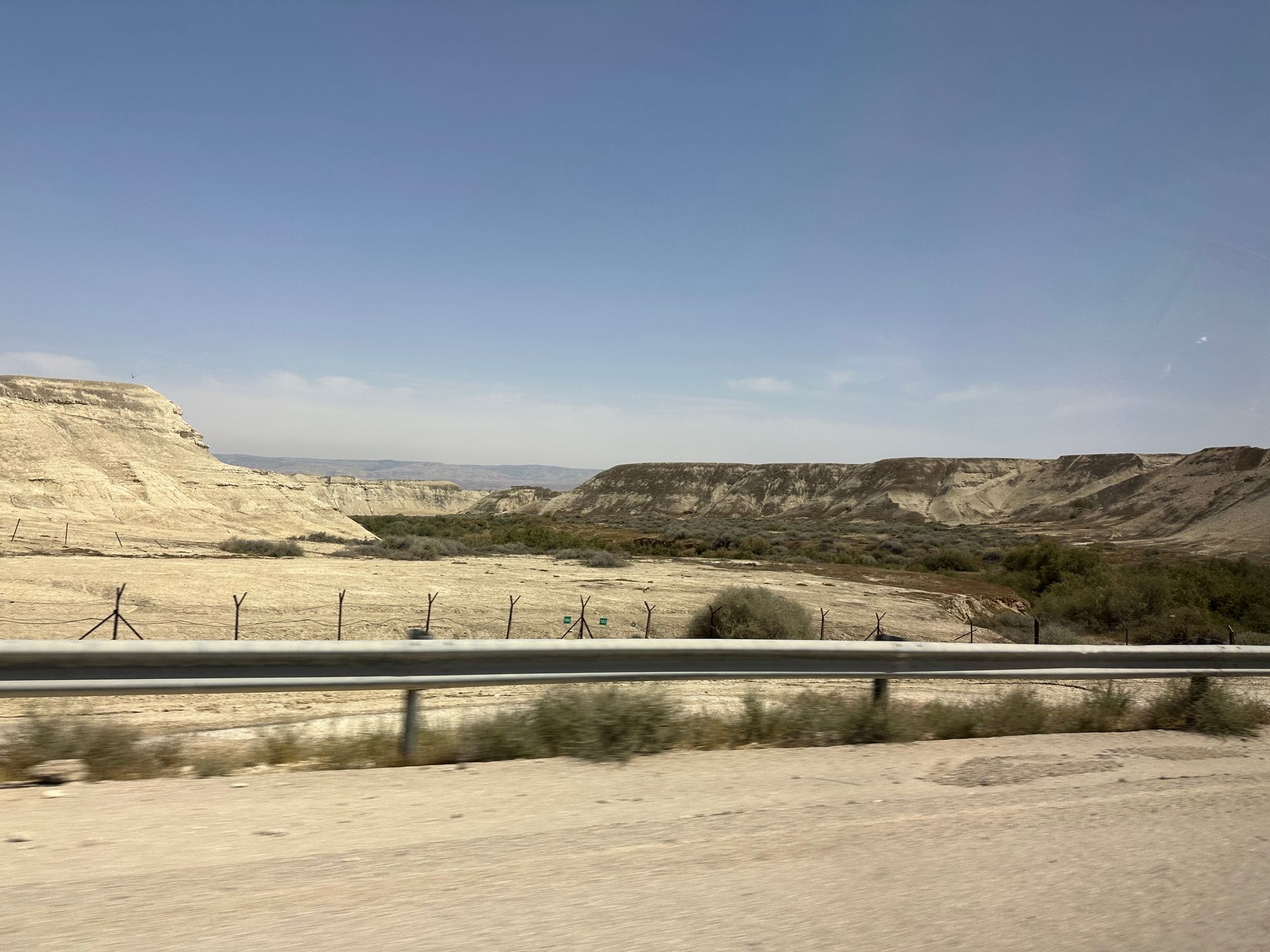
We passed several sites, including Al-Maghtas, where St. John the baptist is said to have baptized Jesus
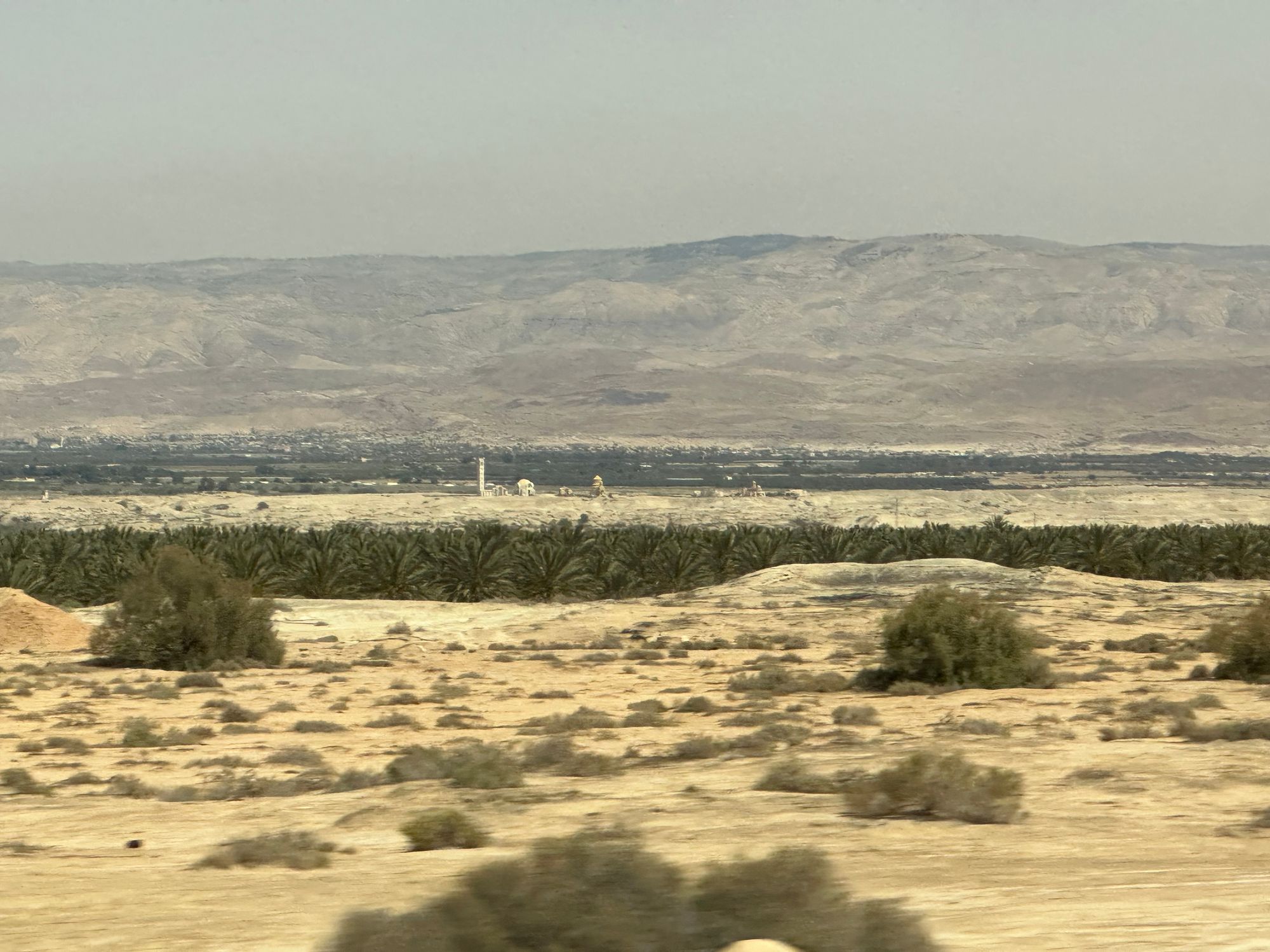
We pass a lot of large palm tree plantations, with massive irrigation systems.
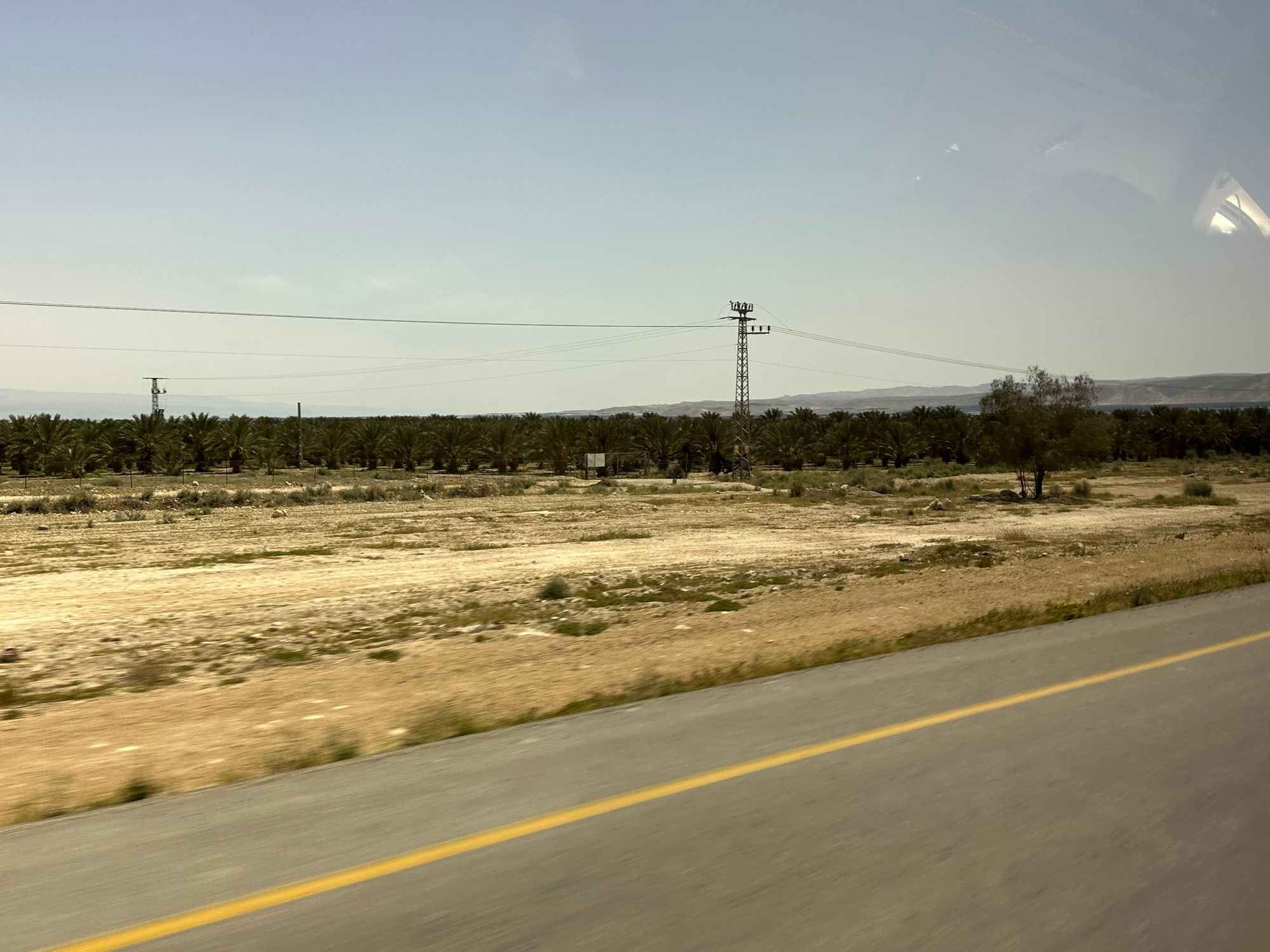
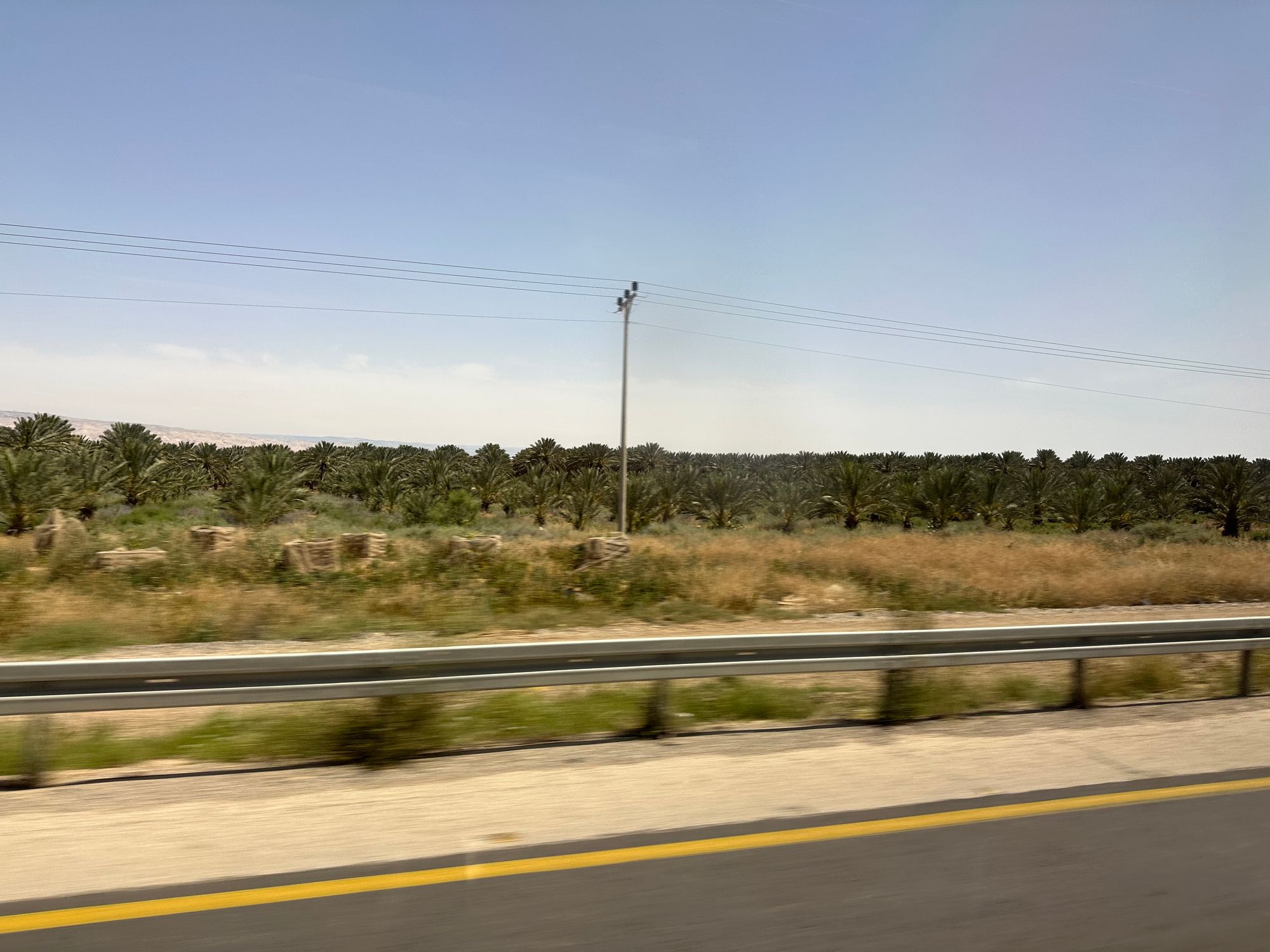
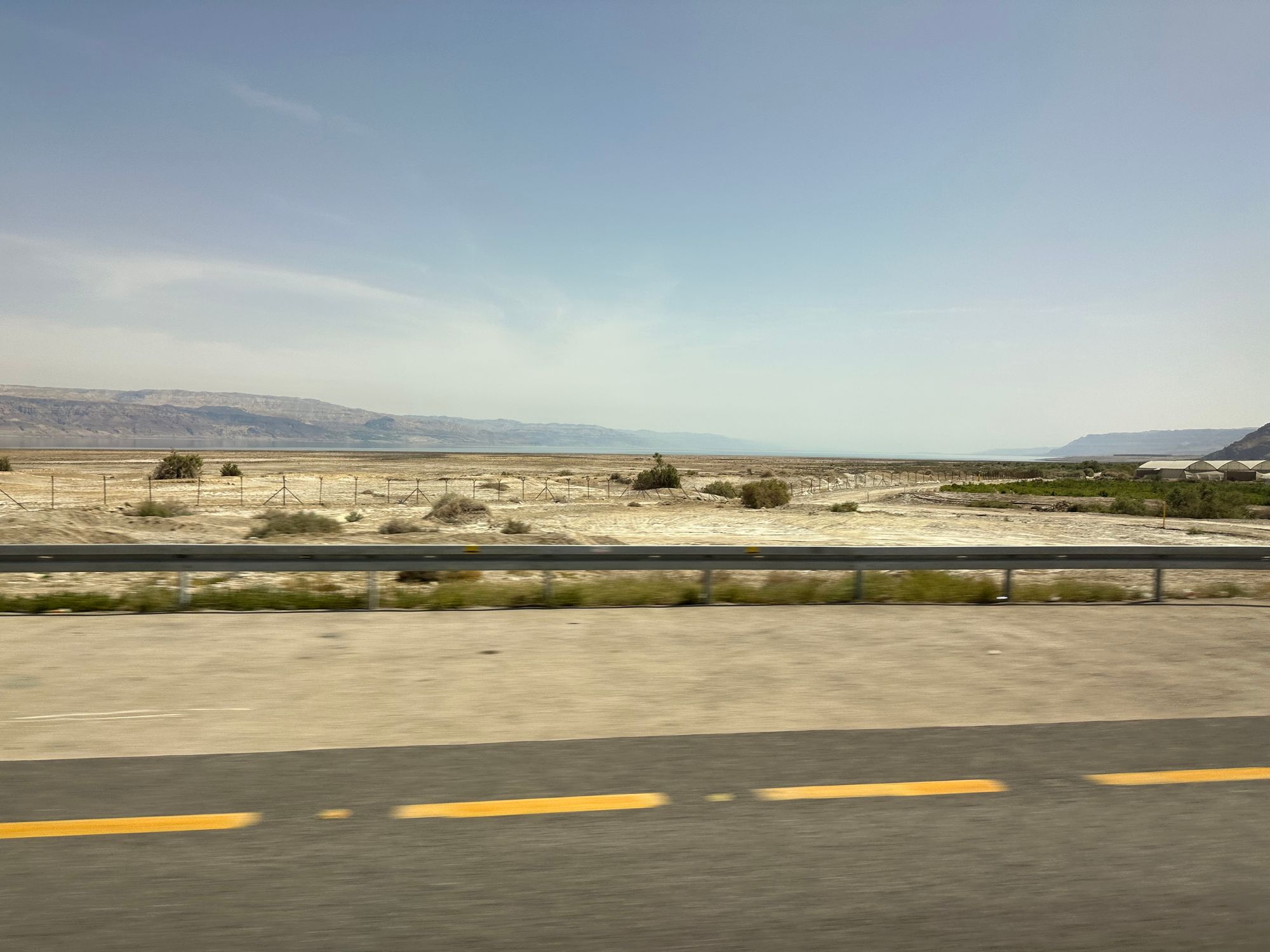
And just like that, we get to the Dead Sea...
Qumran
This was probably one of the coolest places we visited on the trip. It's famous for being the site where the Dead Sea Scrolls were found. There are also archaeological remains.
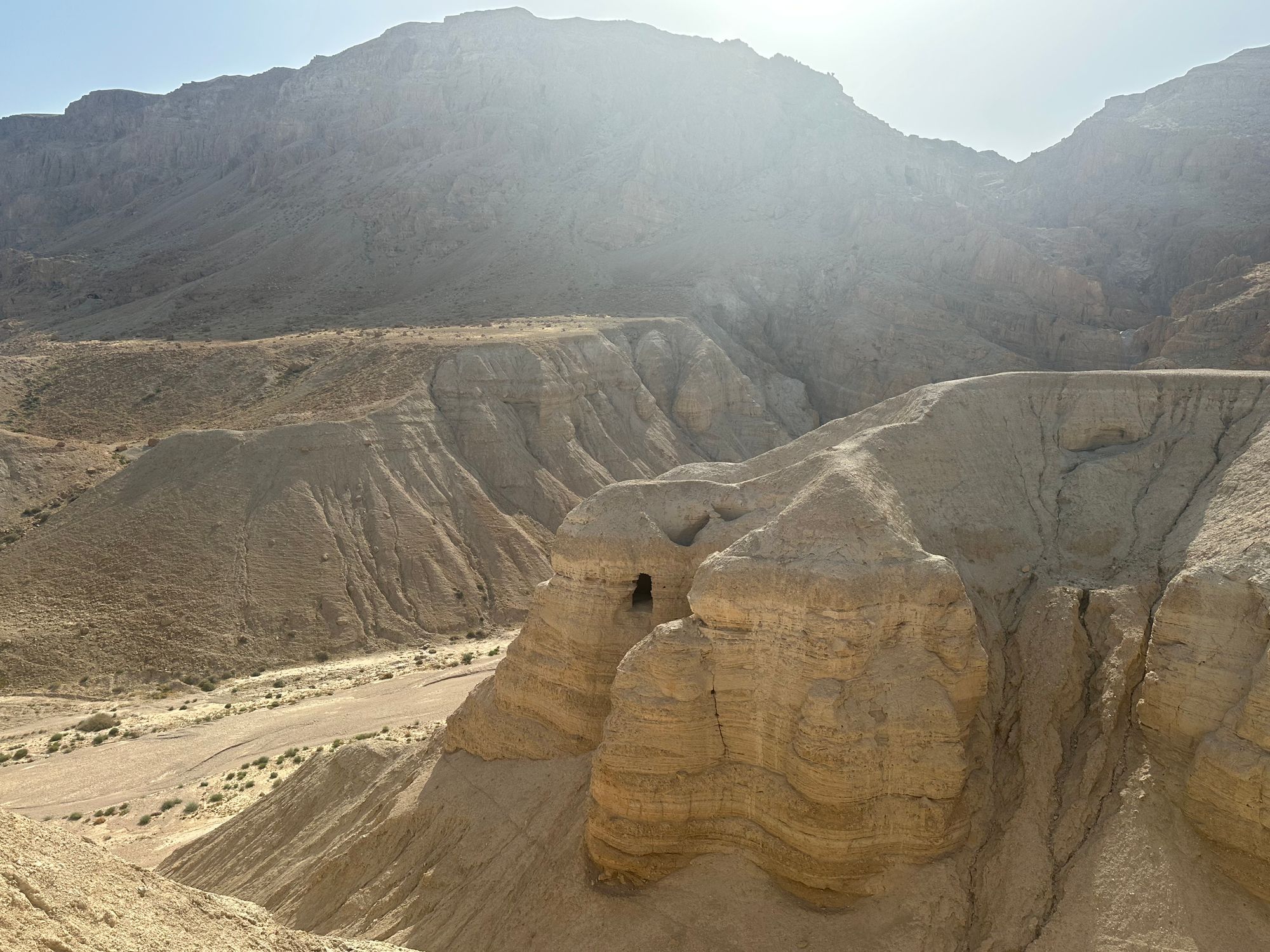
Unfortunately, we don't have much information about the archaeological site. What was found were a large series of canals and aqueducts to bring water to dozens of ritual bathing pools pools.
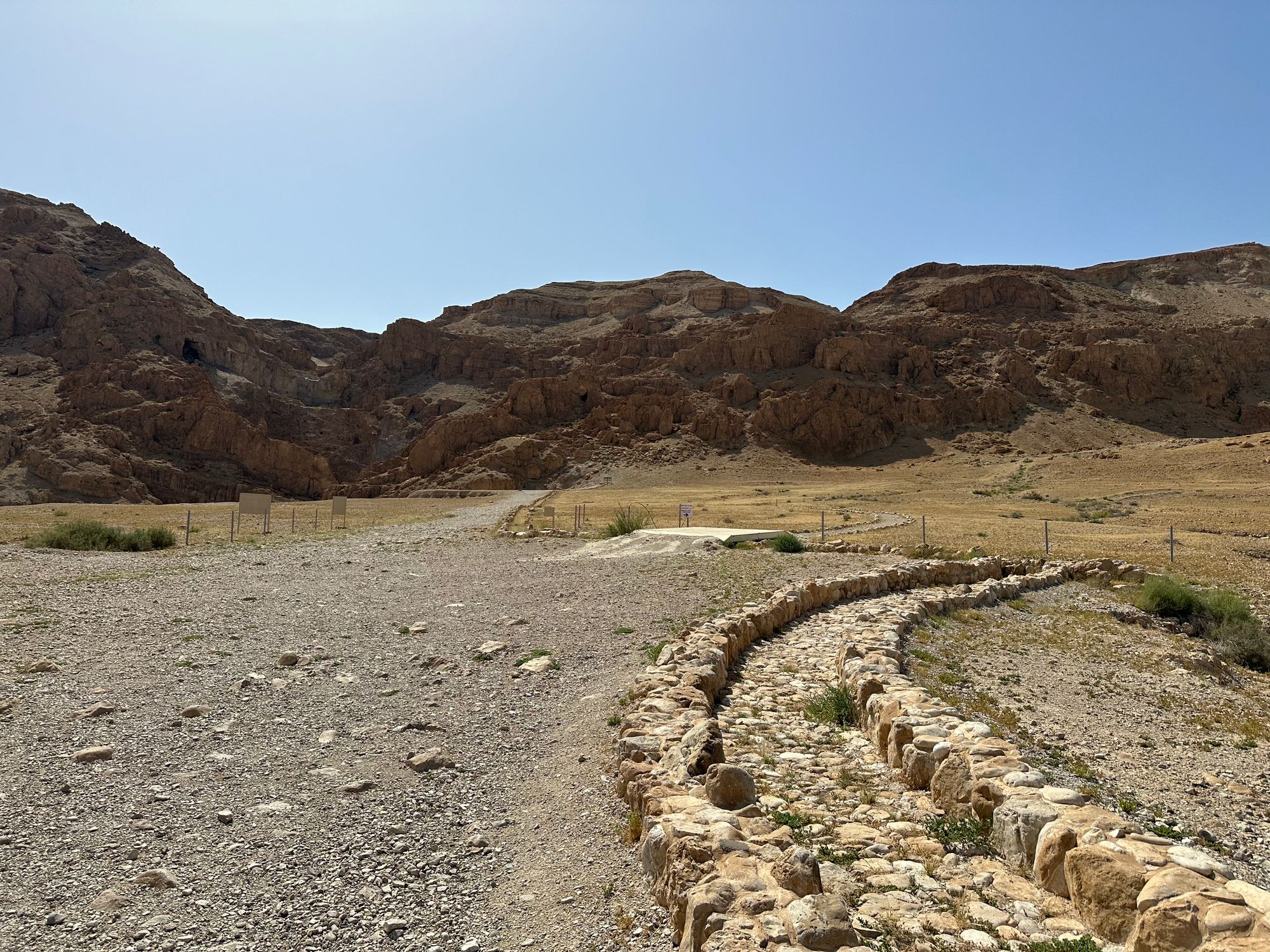
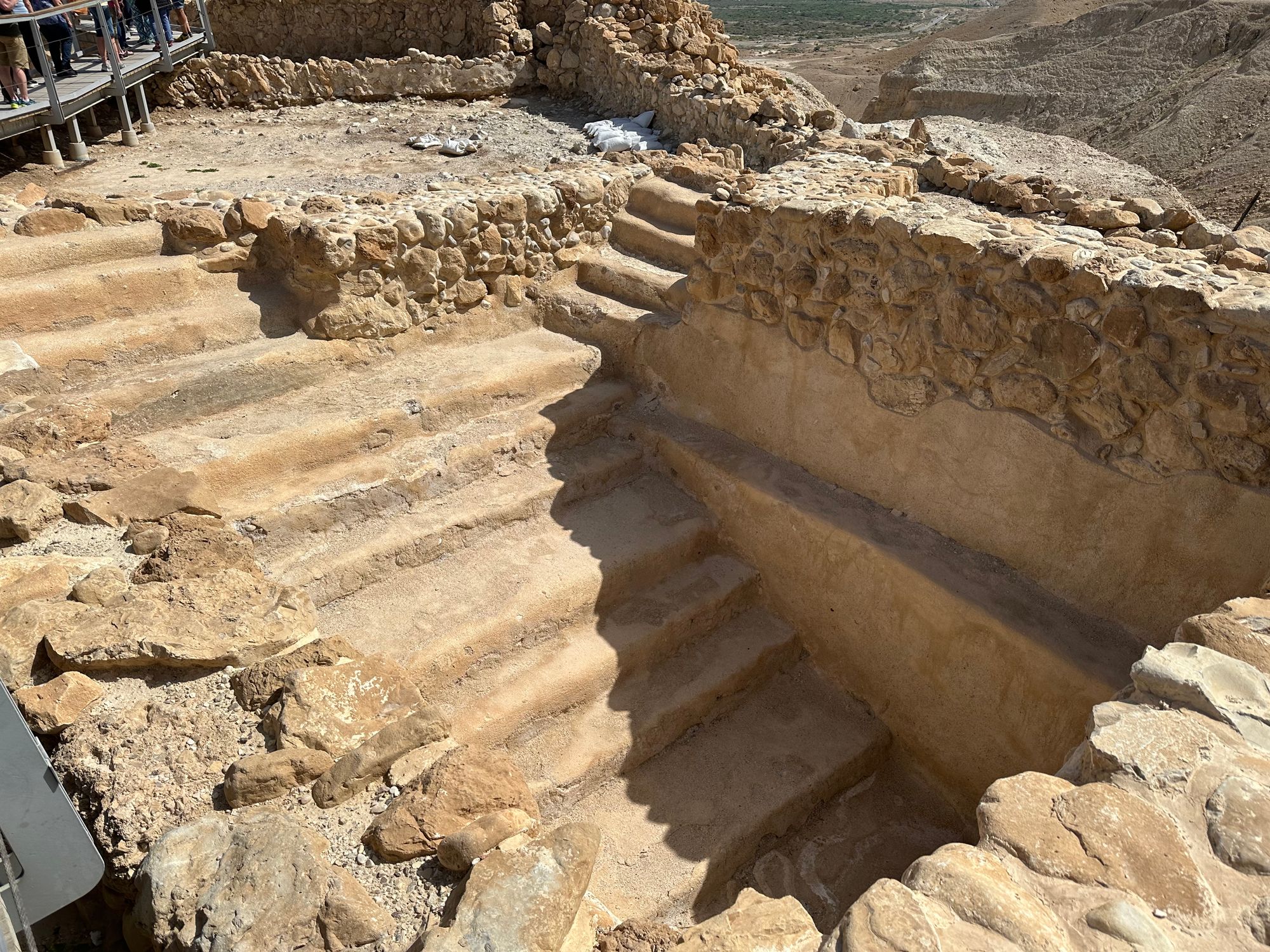
St. John the Baptist likely preached in the region (but there is no proof that it was necessarily at Qumran). He was one of many Jewish preachers conducting baptisms in the area. He brought the idea that "redemption" is close, and the idea of baptism as a way to become reborn. There were stories about how he wears palm leaves and eats grasshoppers.
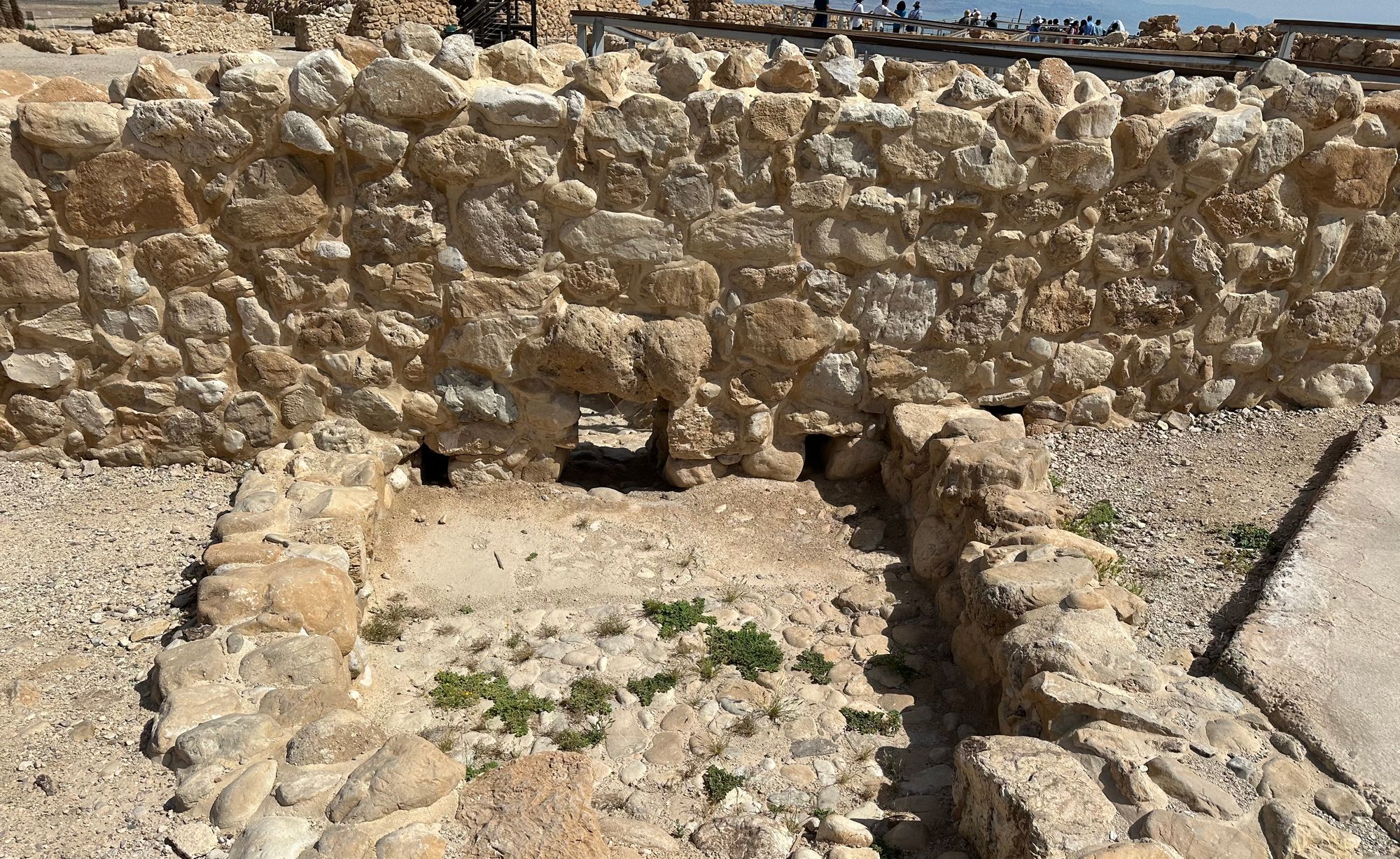
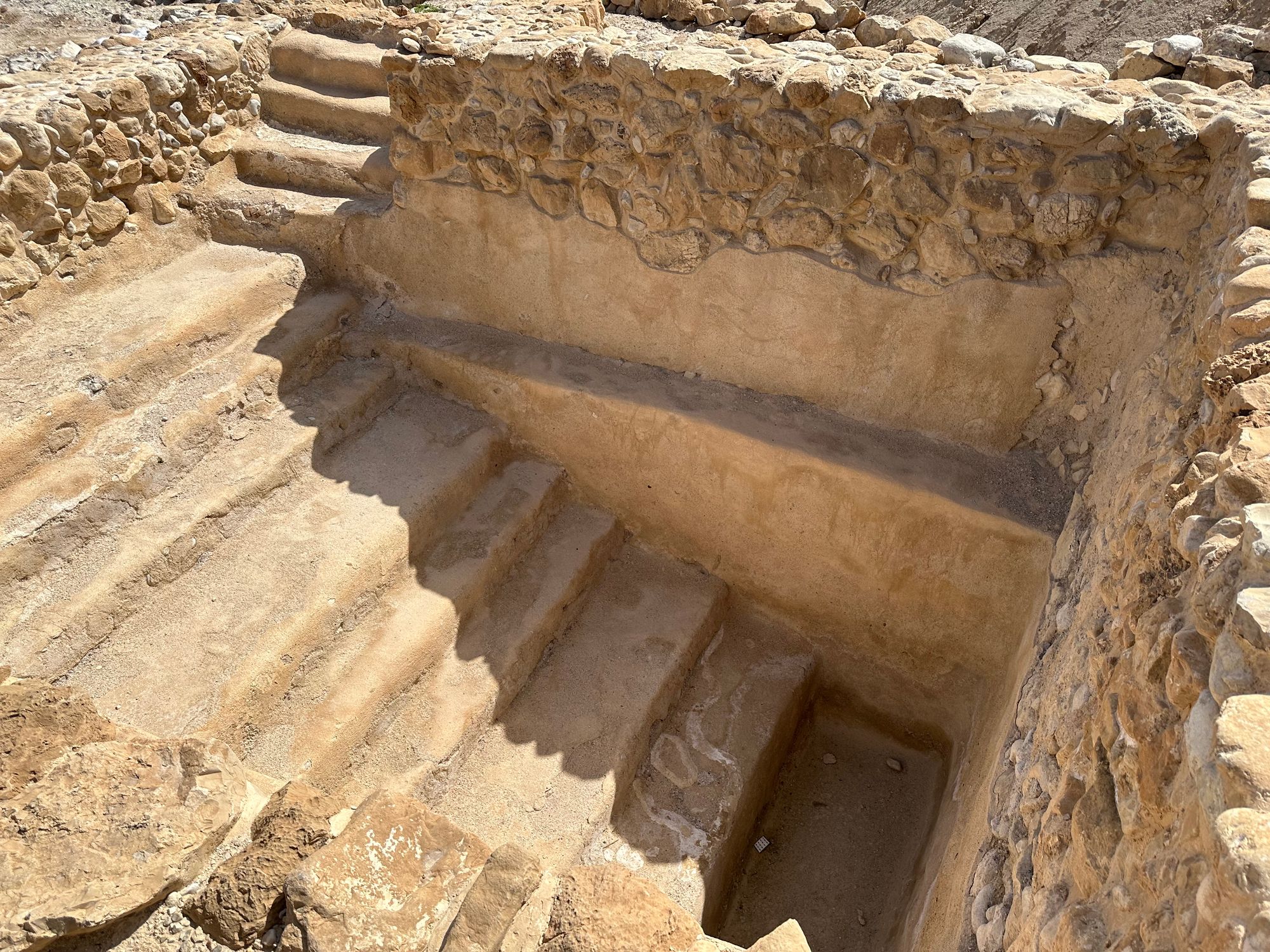
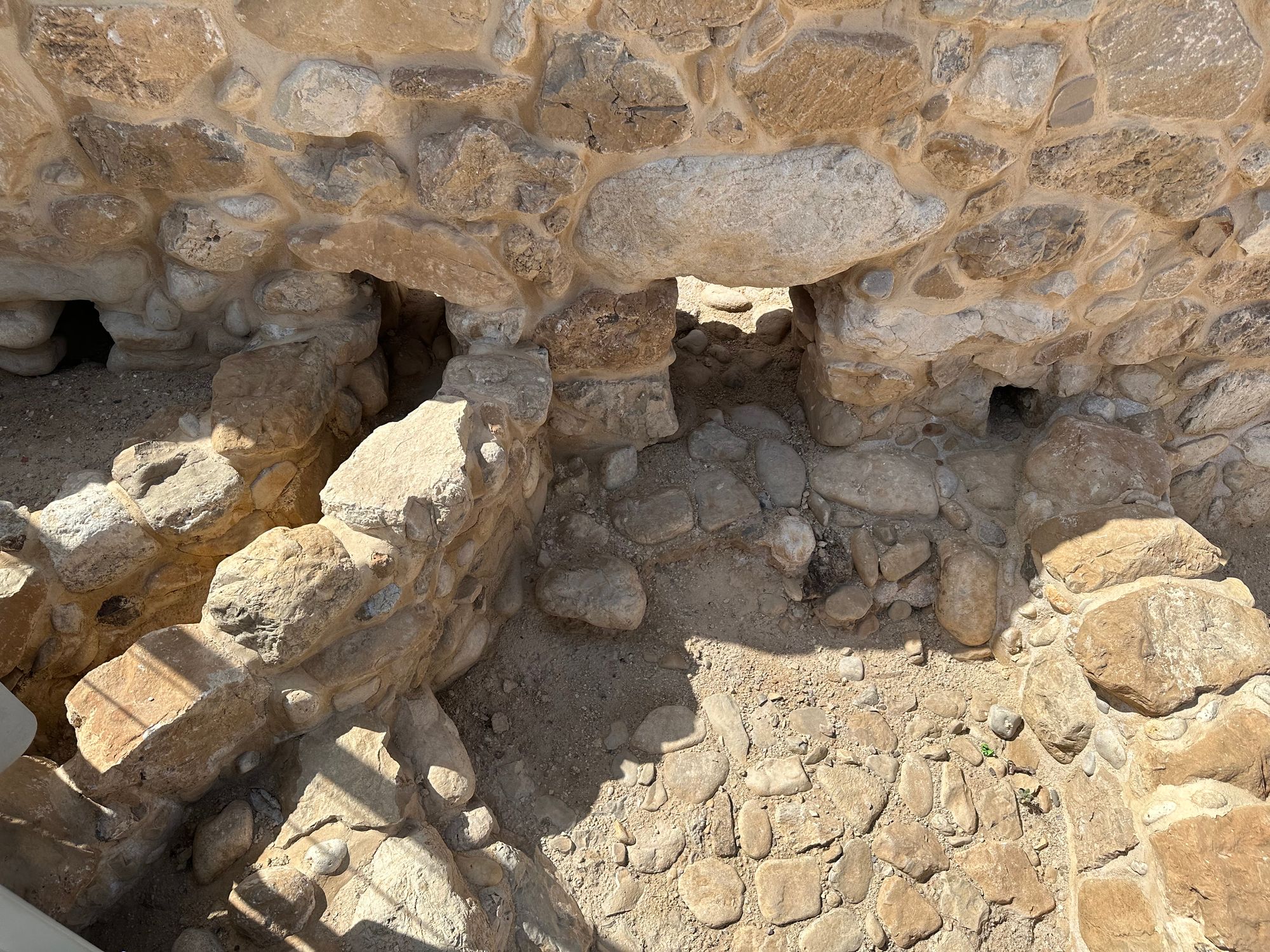
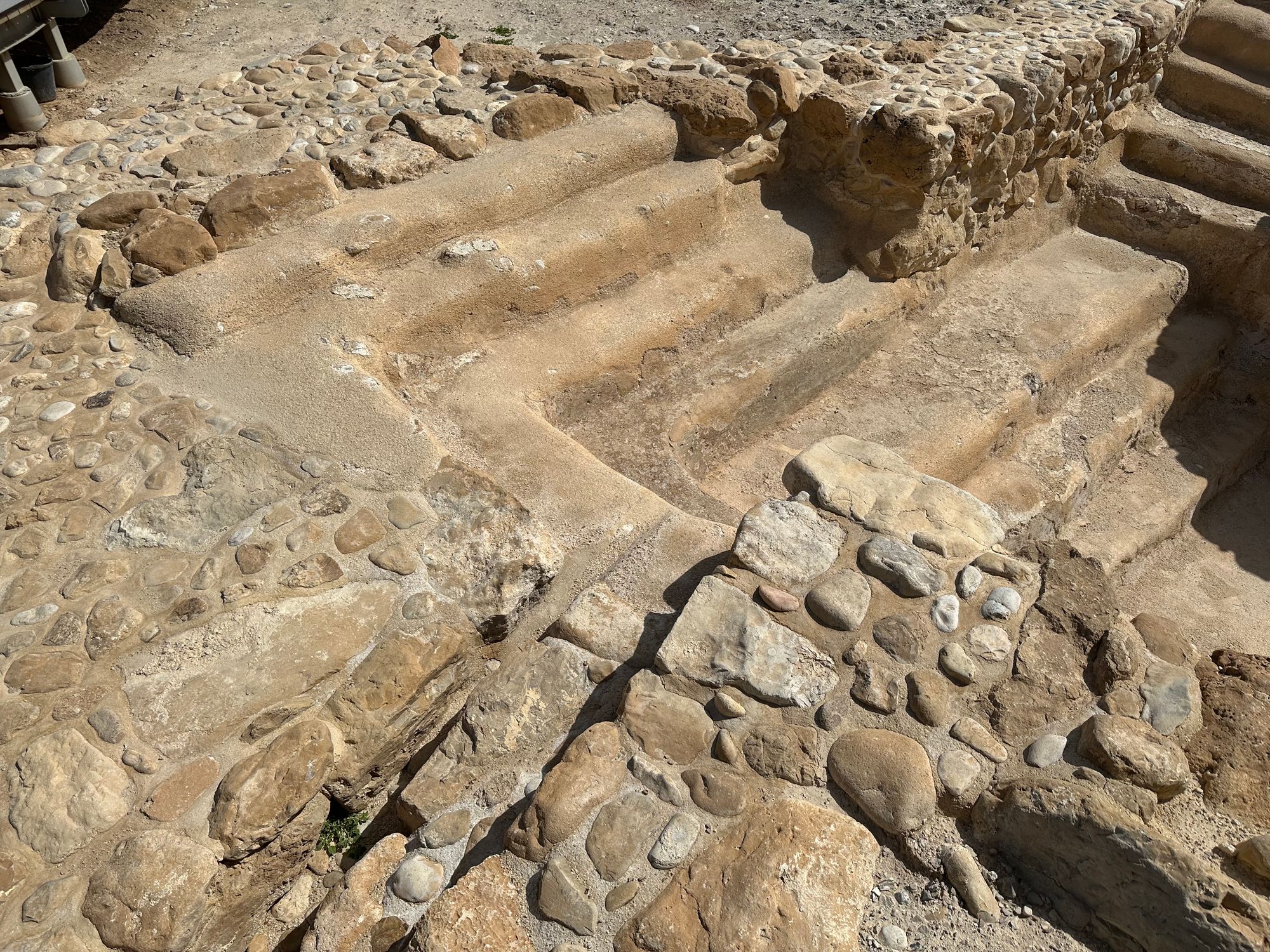
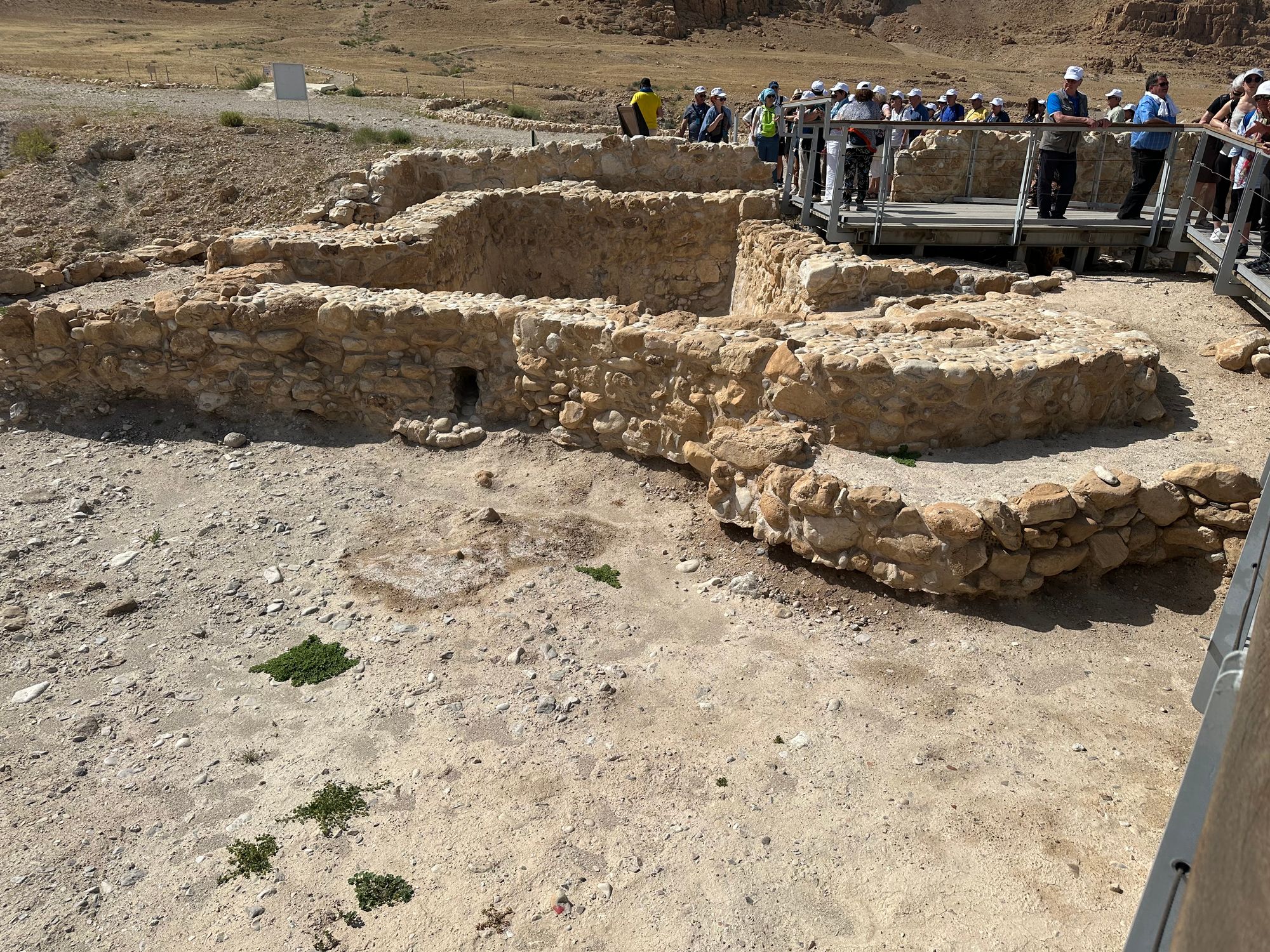
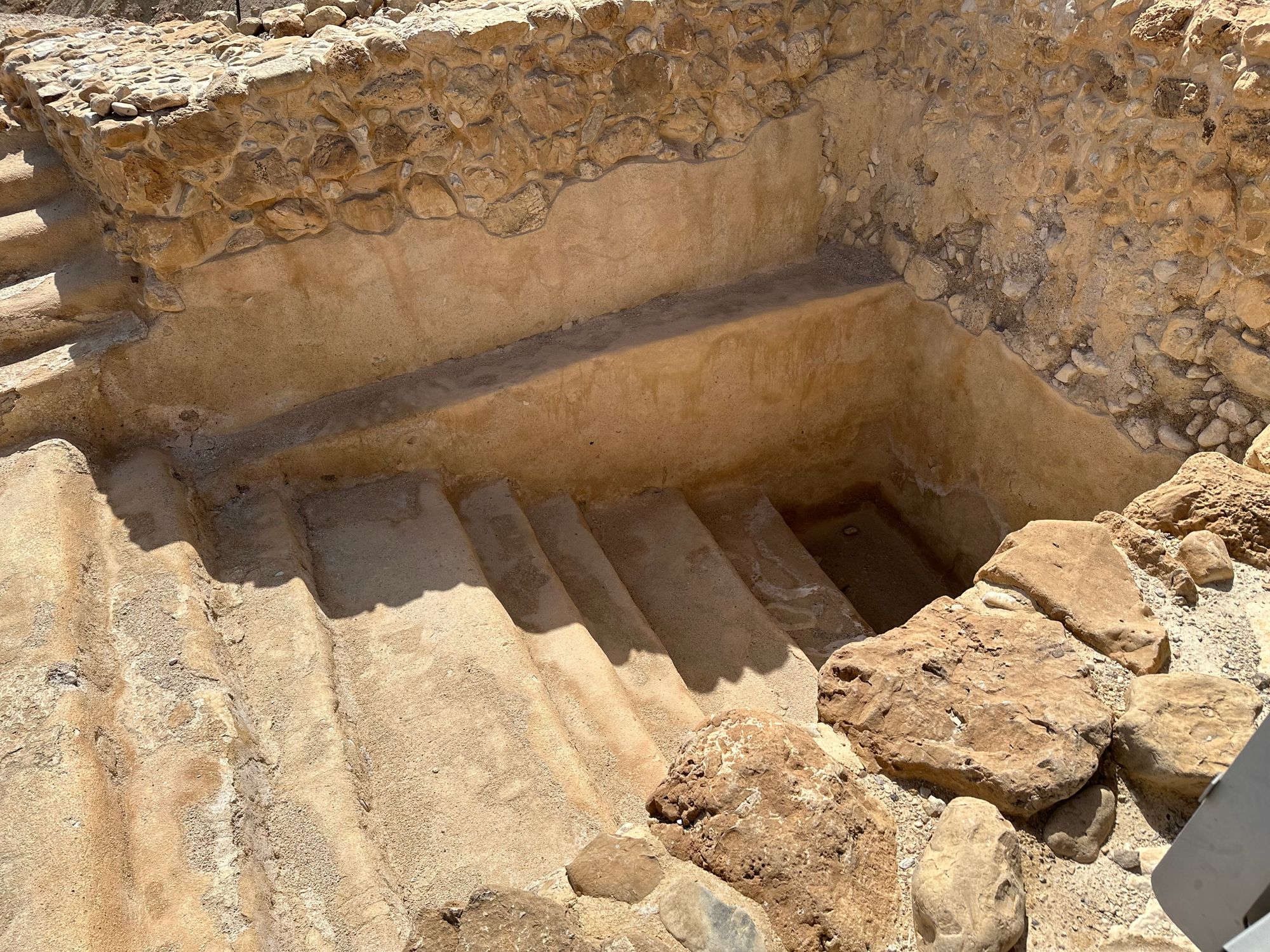
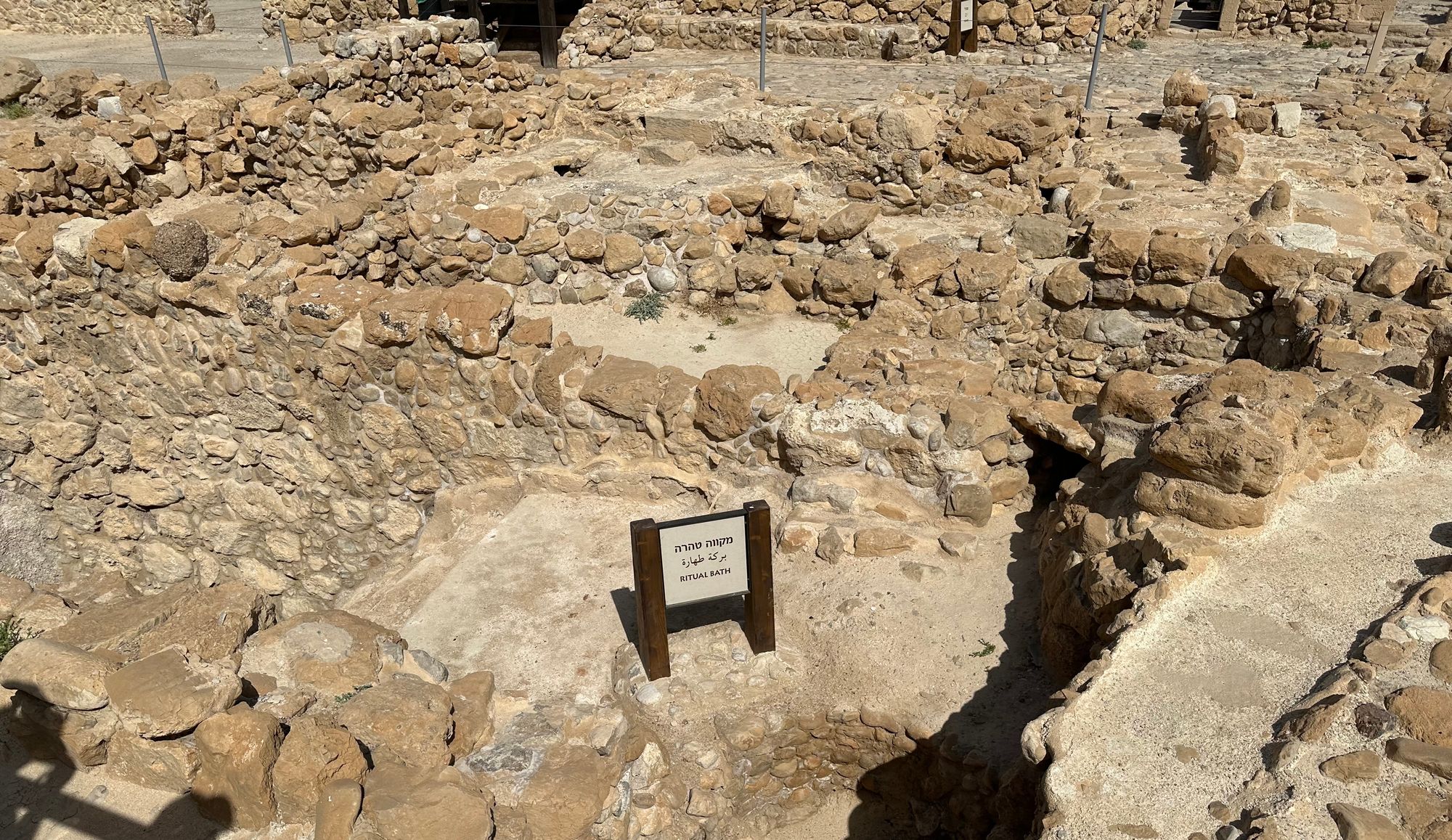
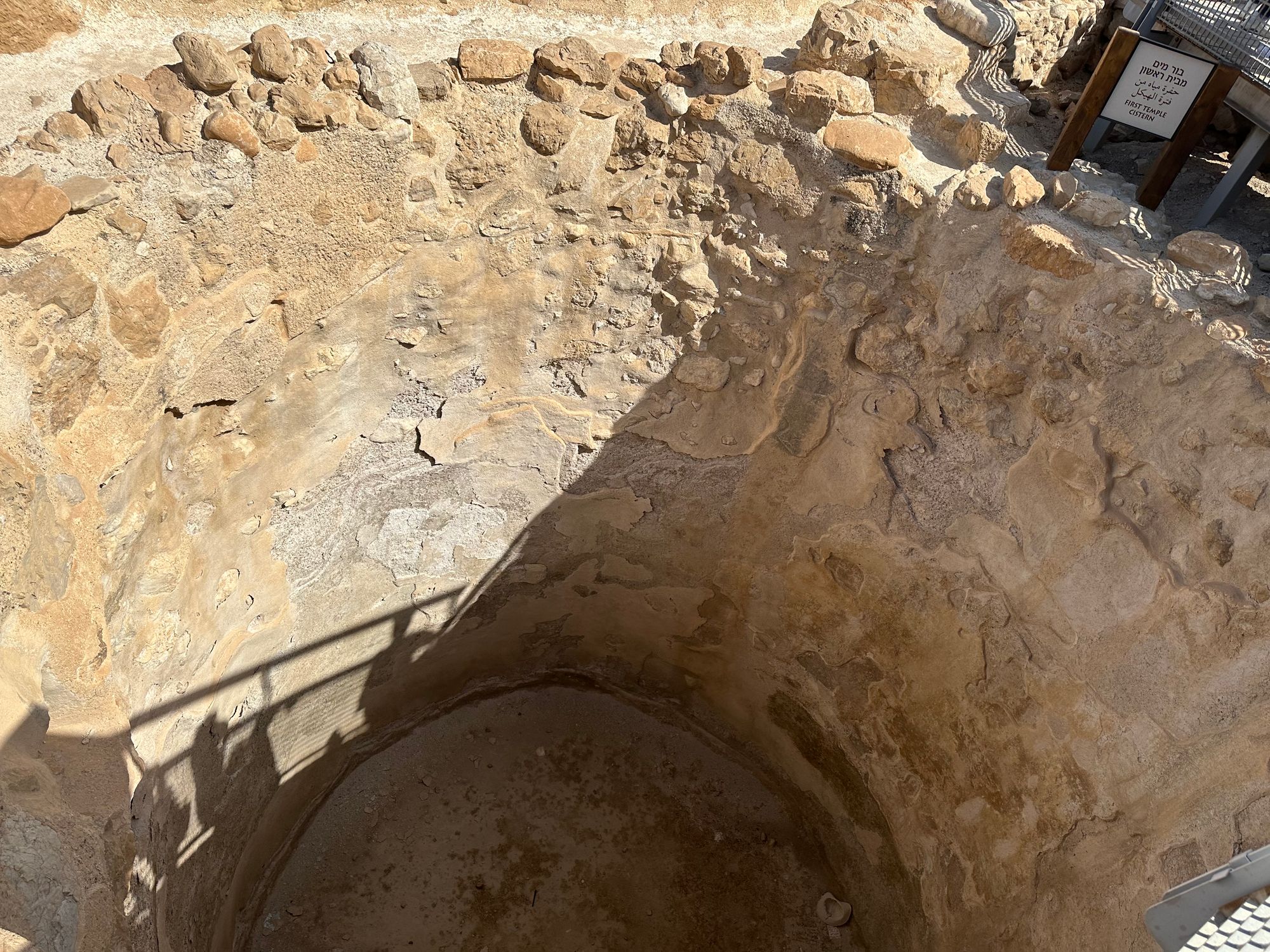
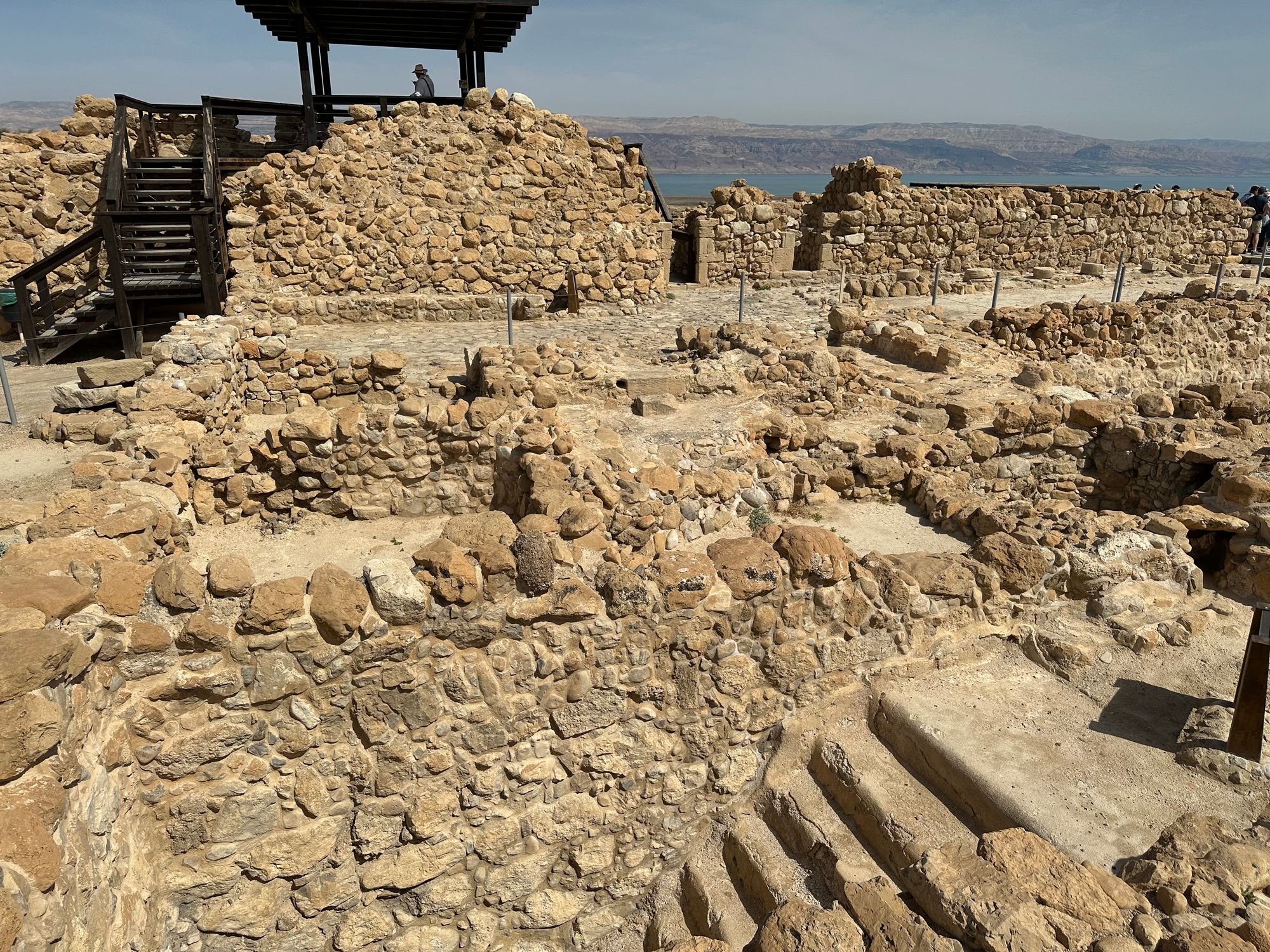
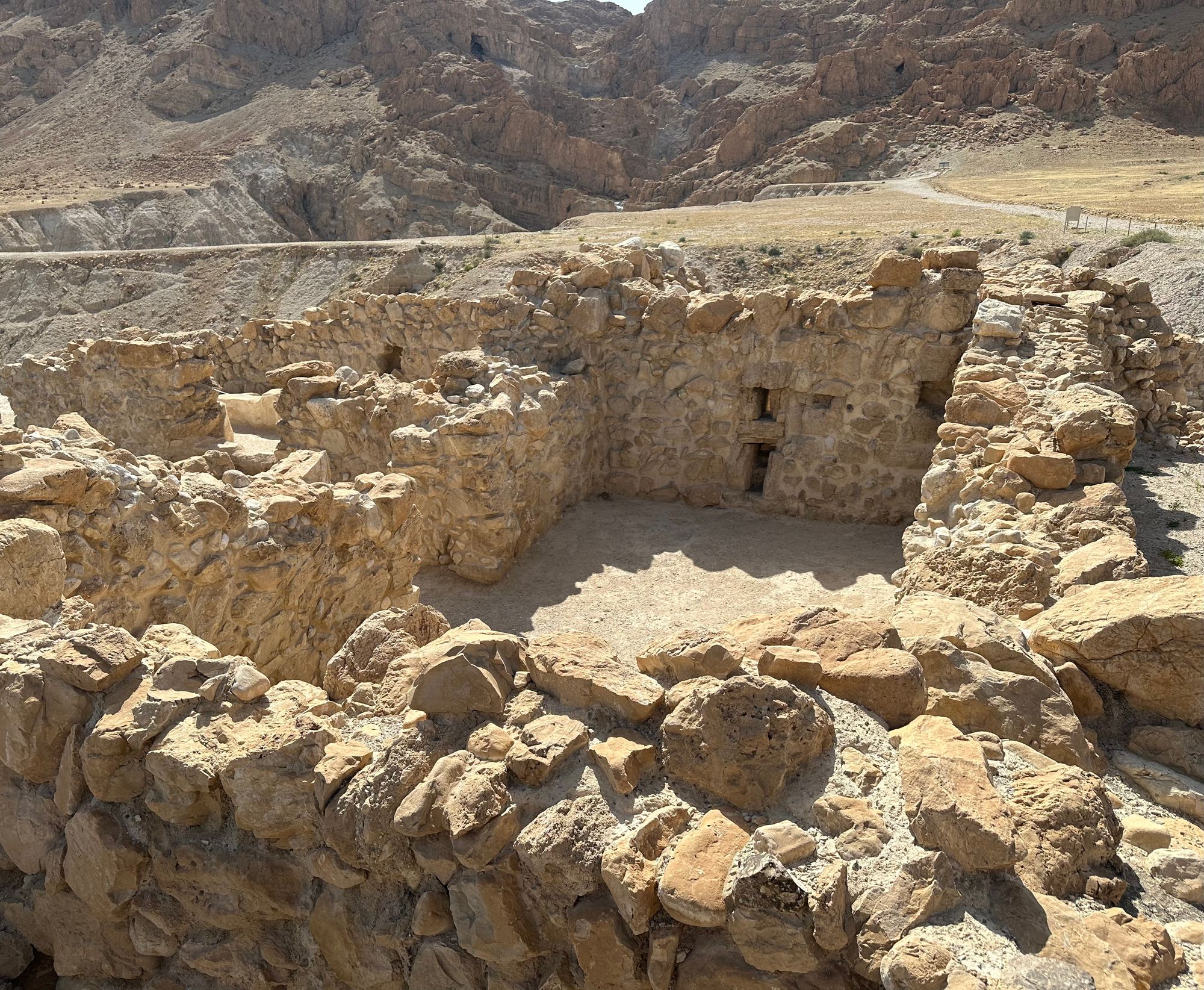
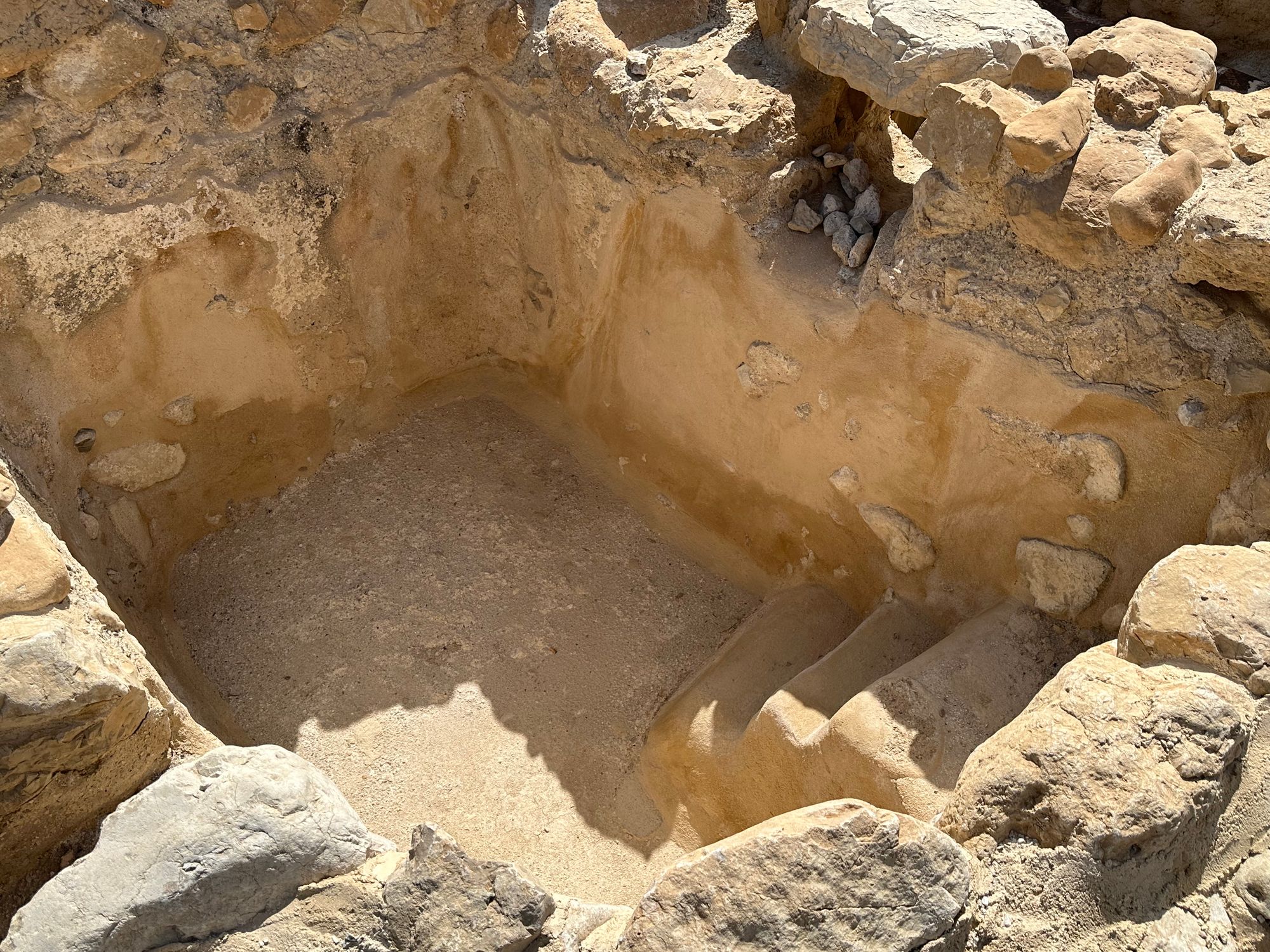
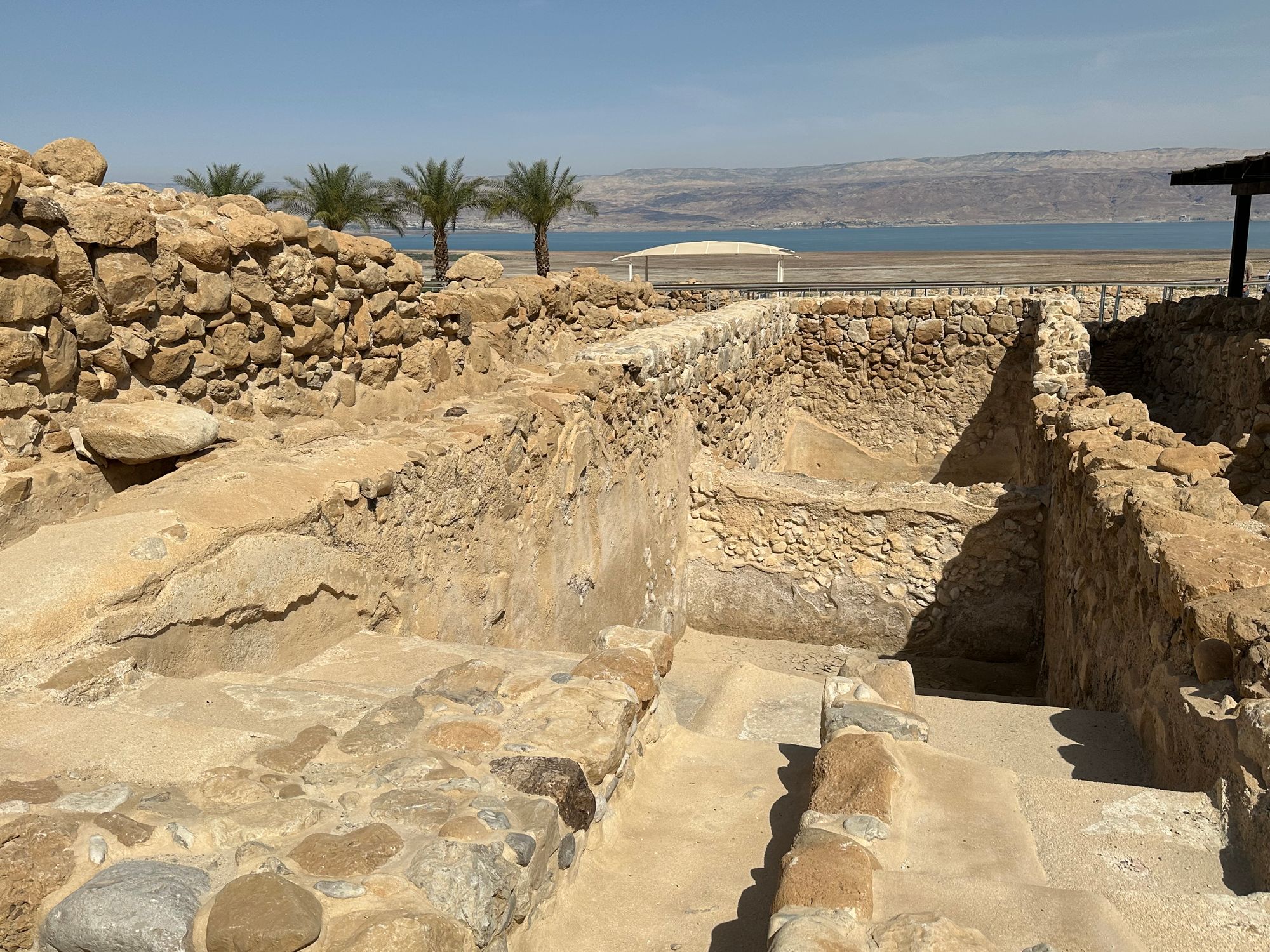
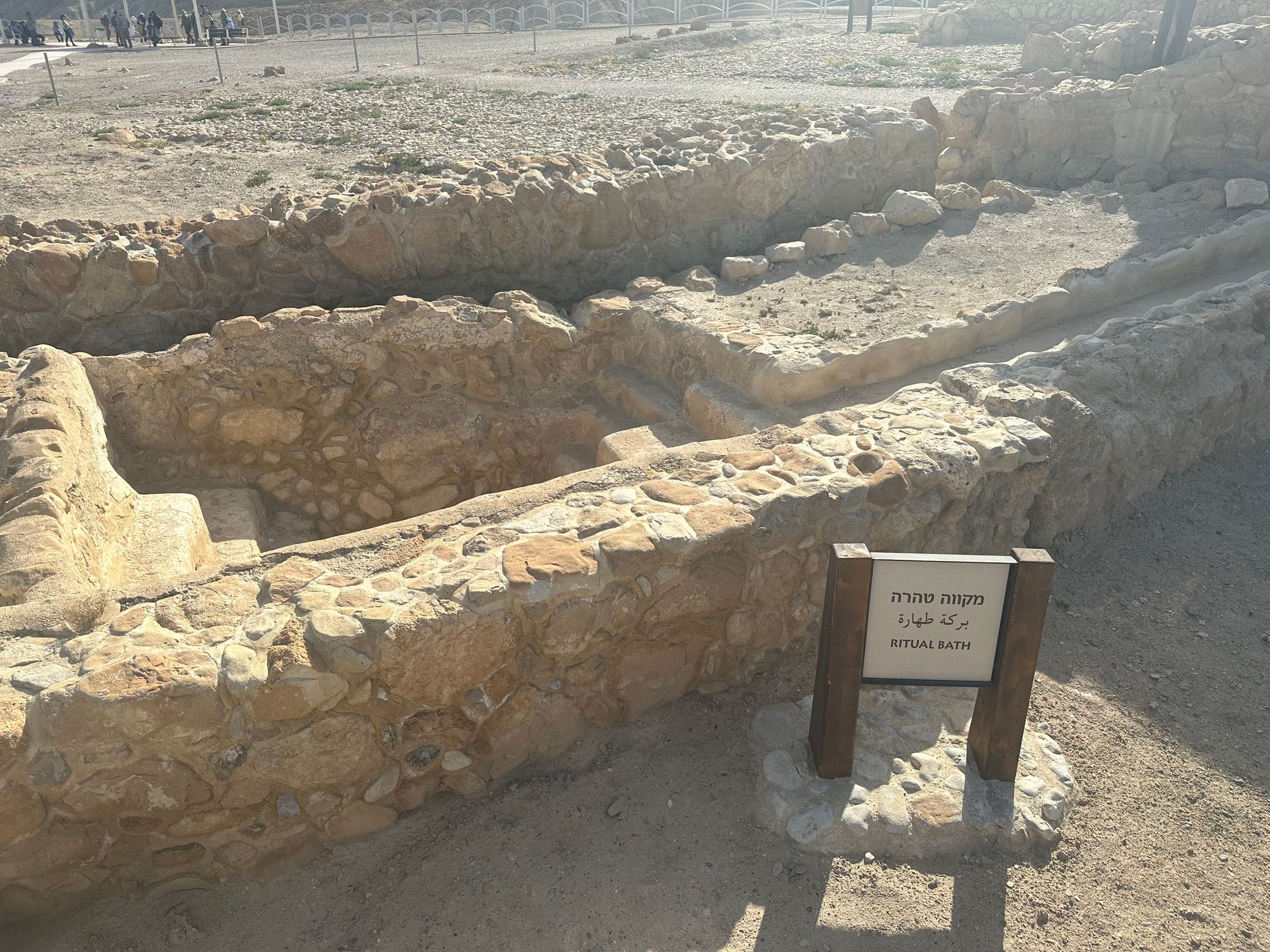
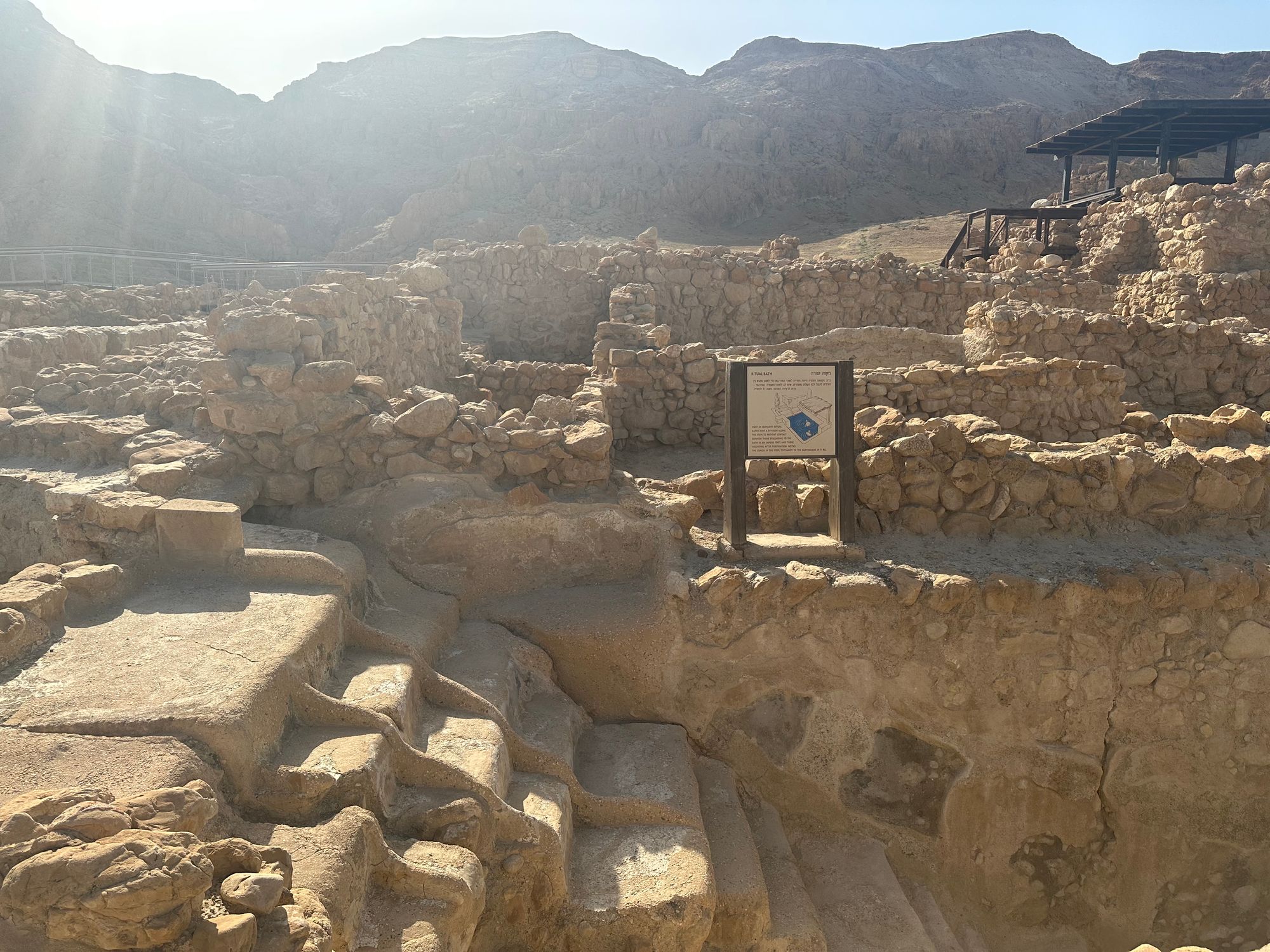
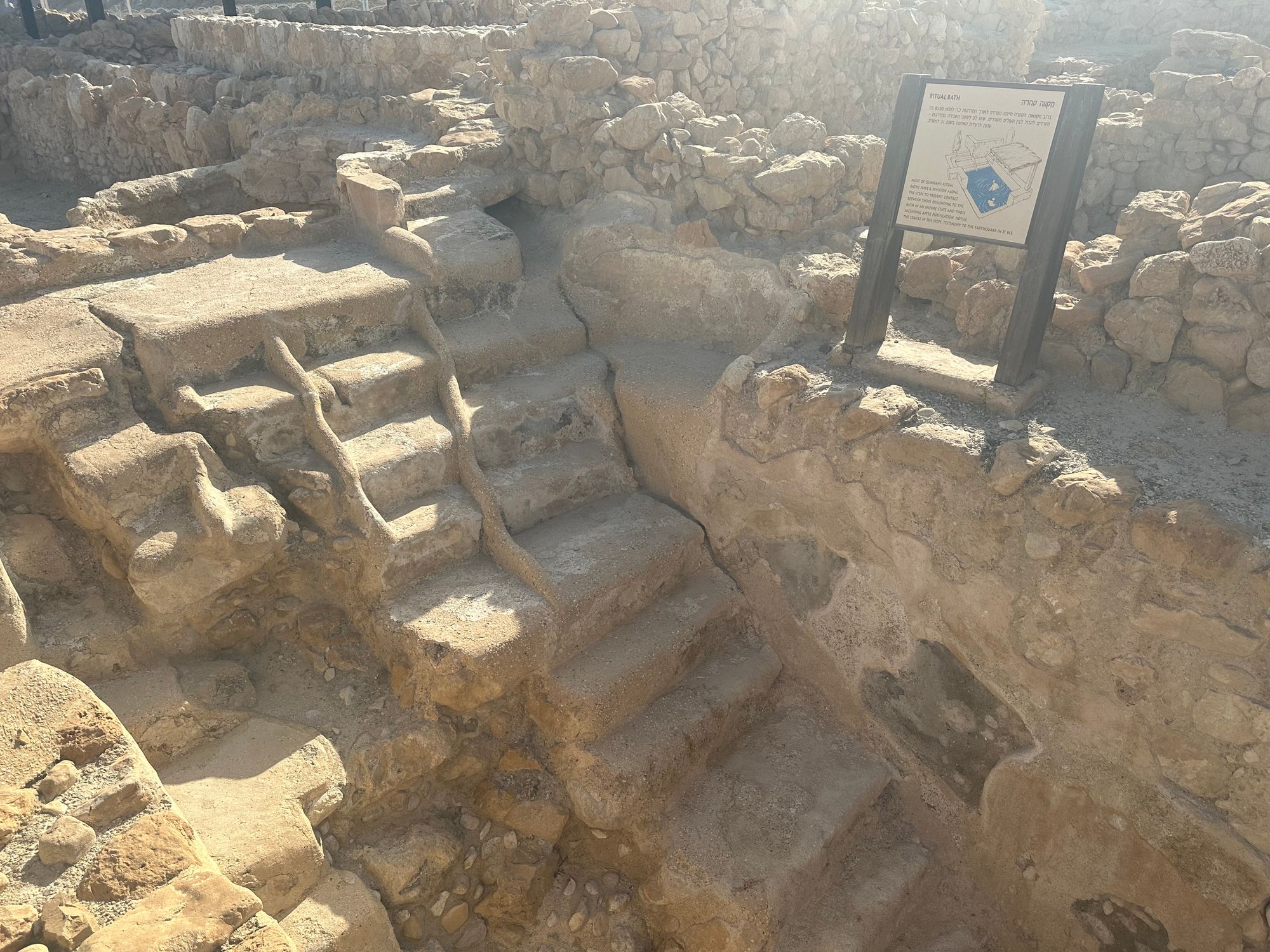
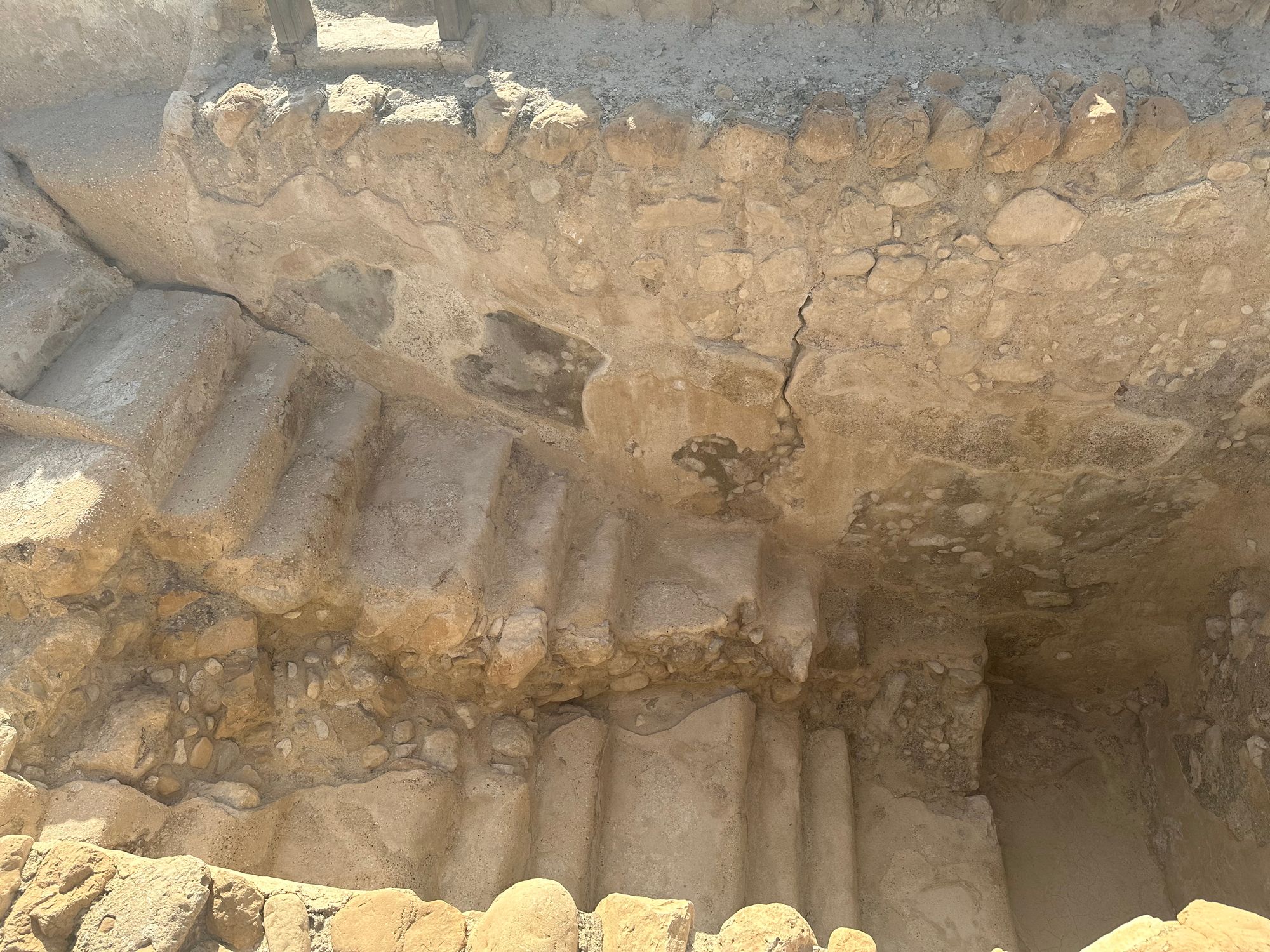
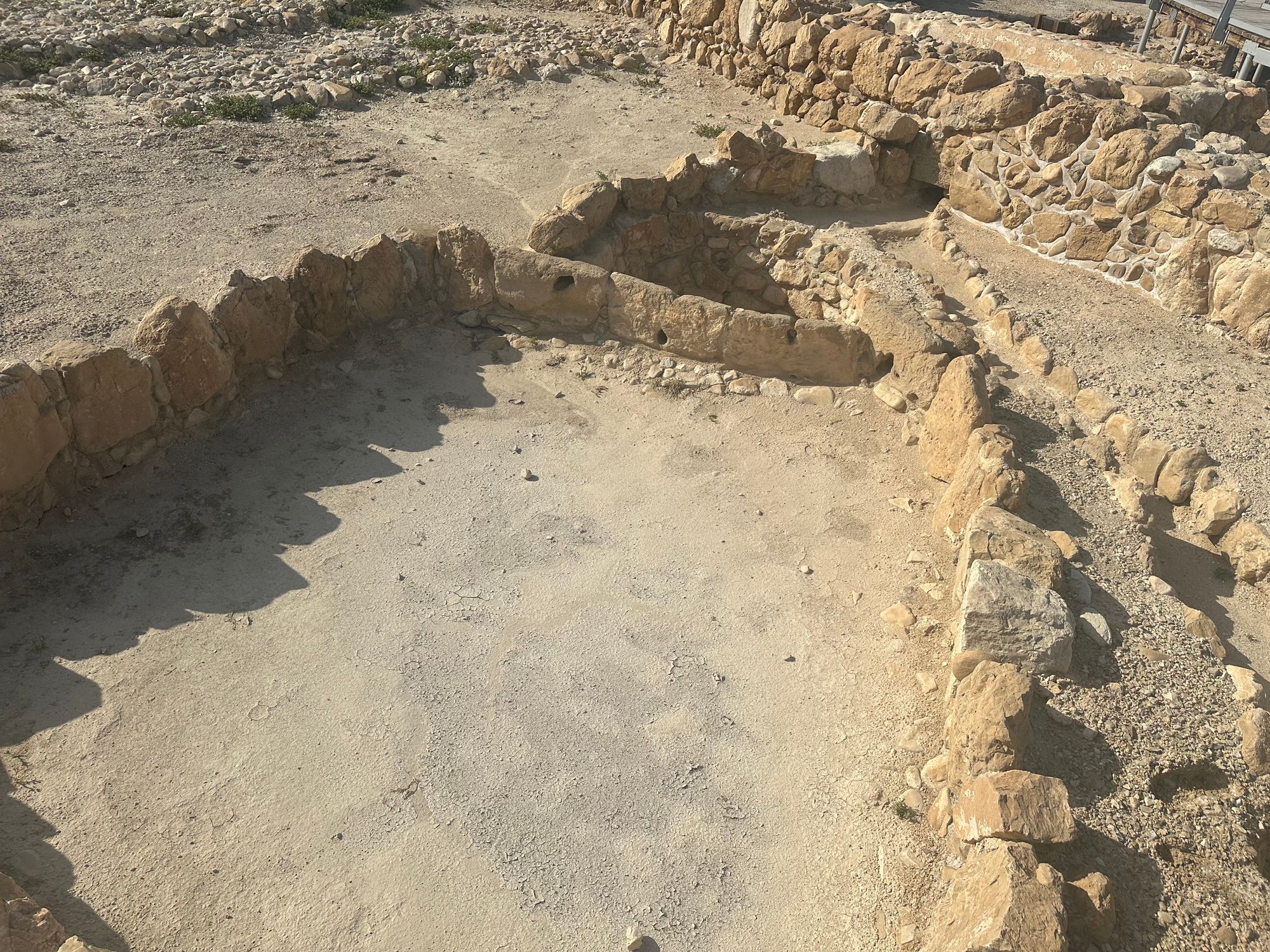
One thing that sets Qumran apart from the majority of the other major archaeological sites (like Bet She'An and Acre), is that there is only a single layer of civilization. It's also a site, we're told, that opens up more questions that answers for archaeologists.
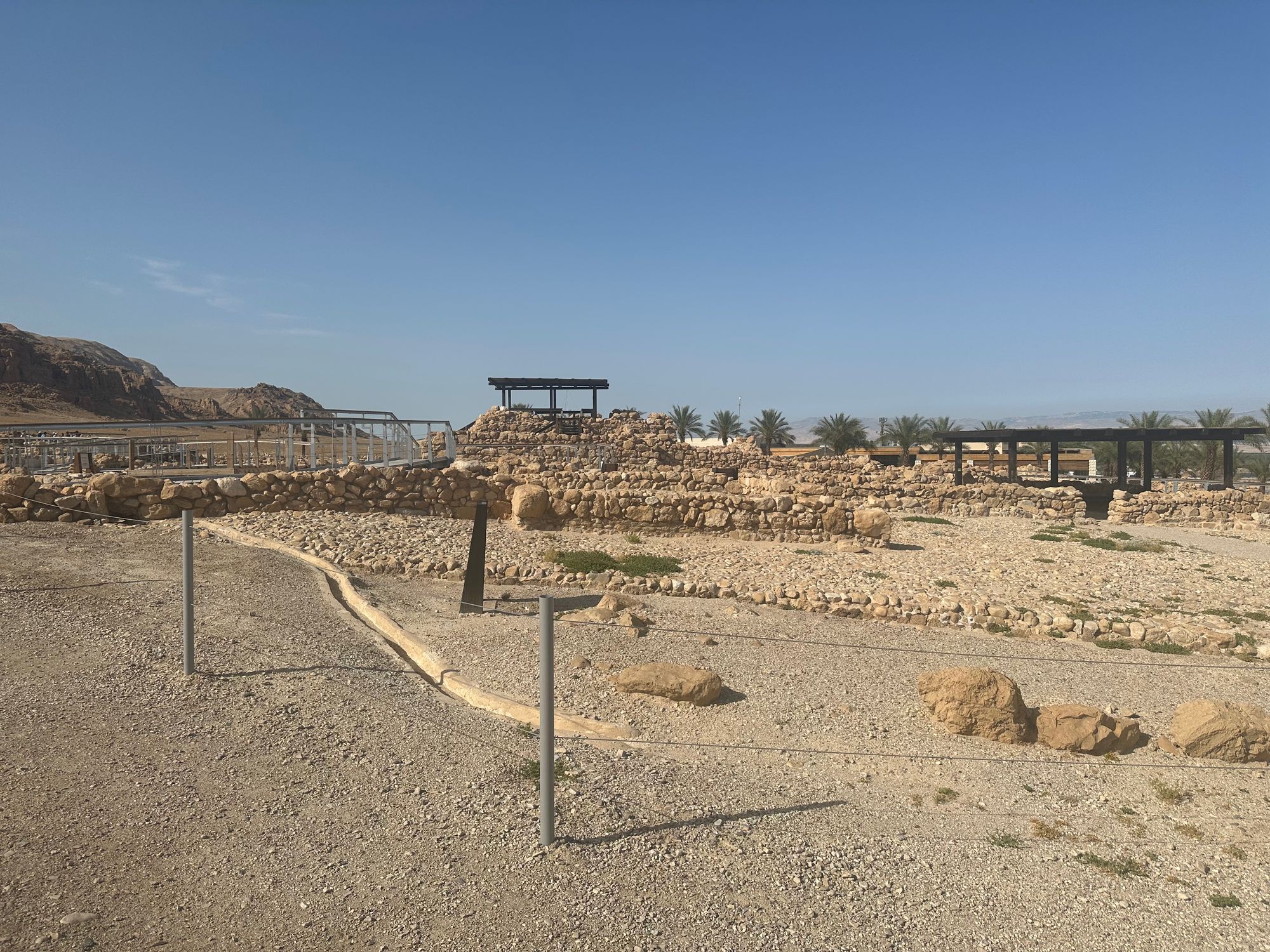
Historically, we know that the dining hall was not a place for talking, people would solemnly bathe and then eating was separate. And eating was always done in silence. But at Qumran, archaeologists found a dining hall next to some of the largest baths.
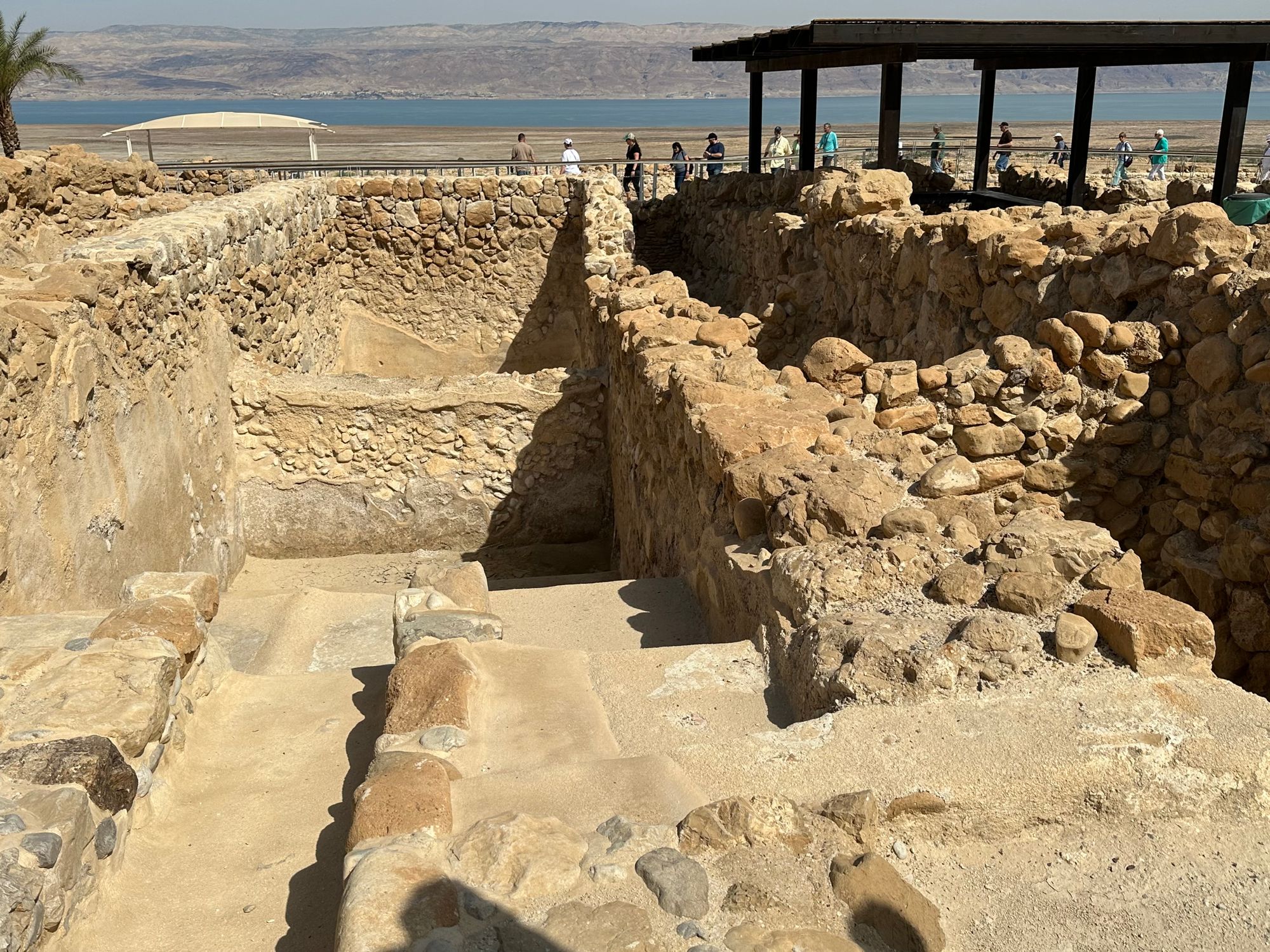
Baths next to the refectory
Our guides tell us about the different sects of judiasm at the time. And how many had different relationships with Jesus. We also hear about Vendyl Jones (who inspired Indiana Jones) and travelled to the site looking for clues about the Ark of the Covenent.
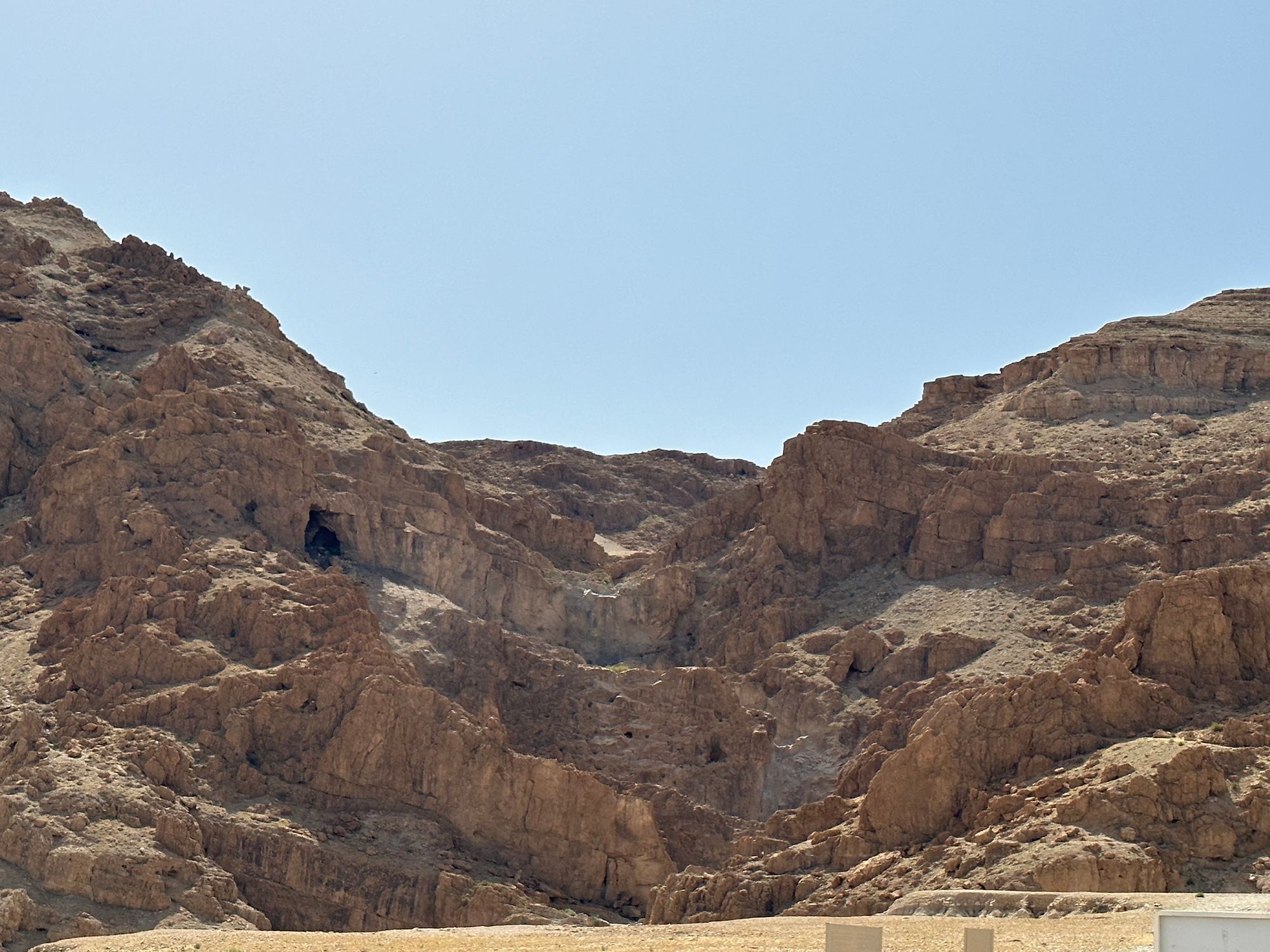
~530 manuscripts were recovered from Qumran. They date from the 3rd century BCE to the 1st century CE.
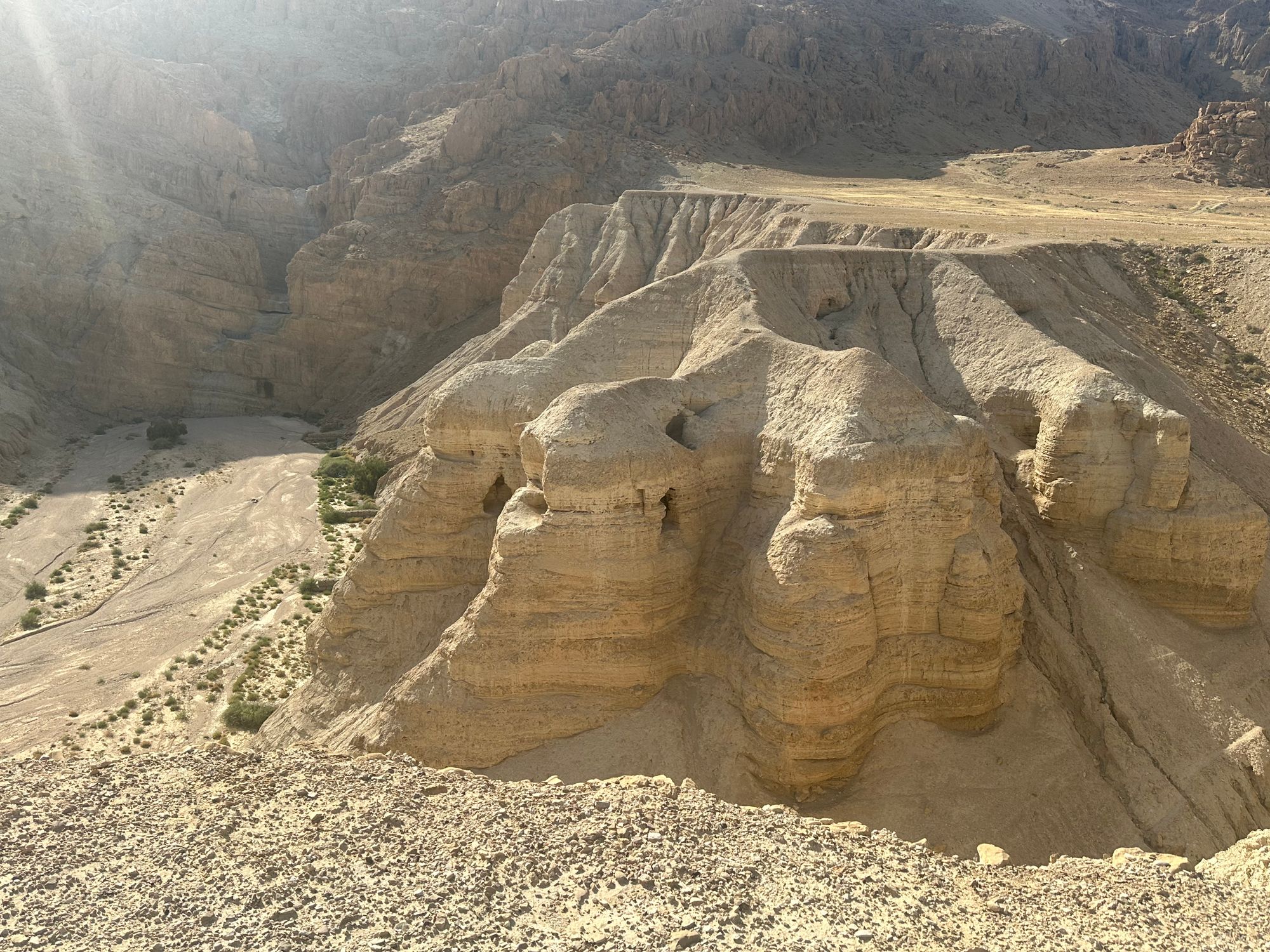
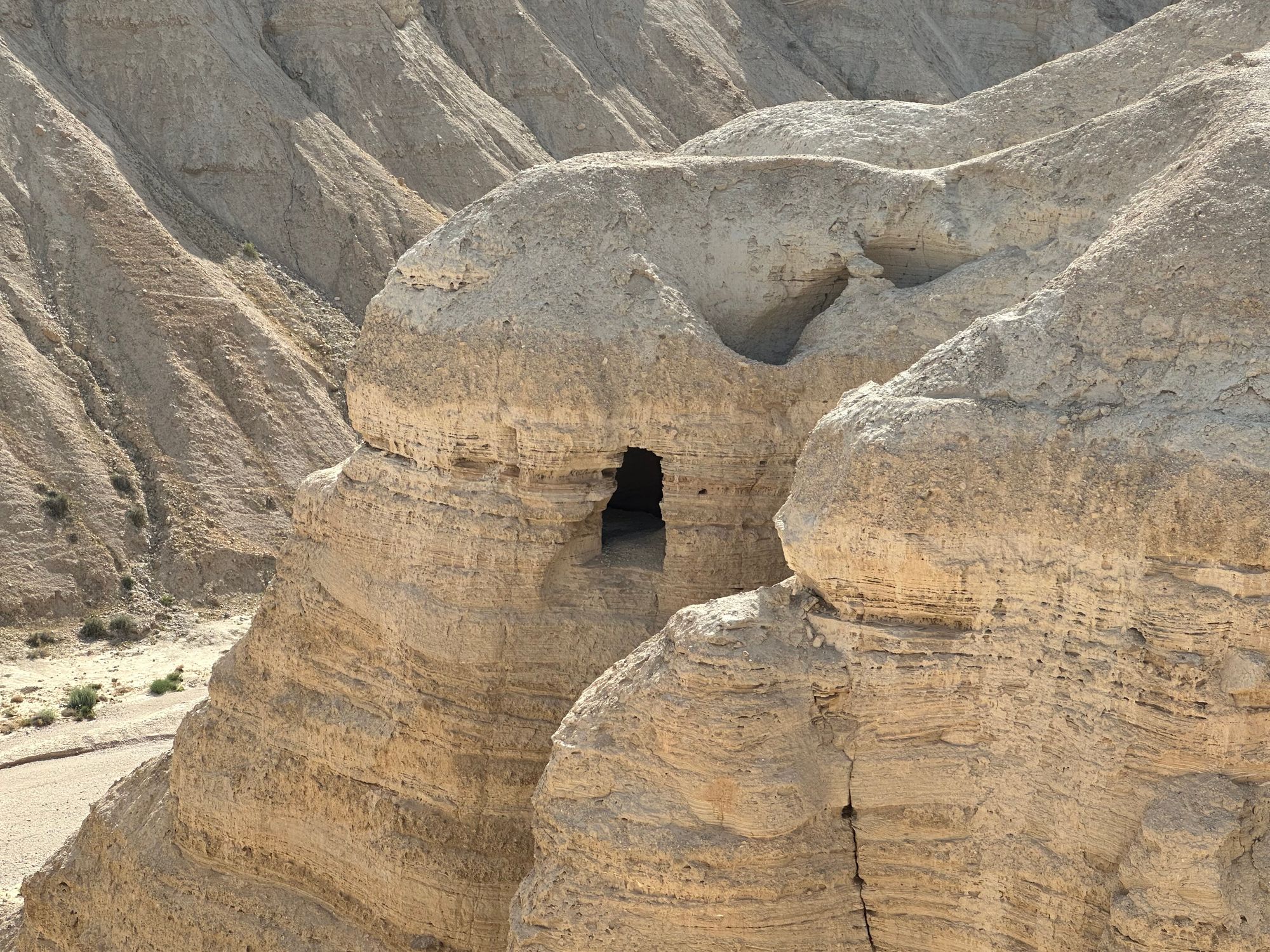
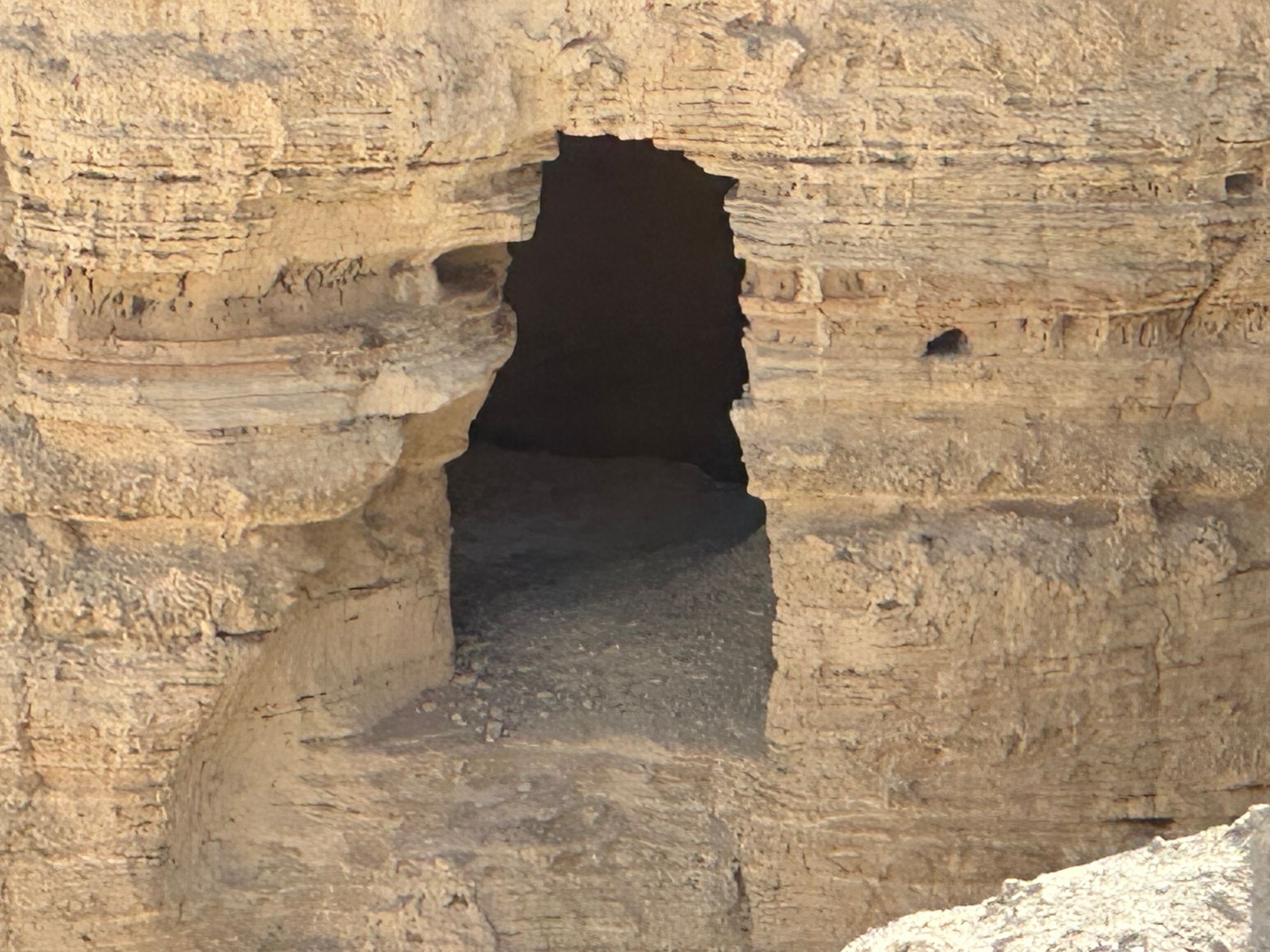
The Dead Sea Scrolls were first discovered in 1946 when two Bedouin kids went looking for a missing sheep when they stumbled across a cave with jars. The family tried to sell them and in 1947 Israel decided to retrieve as many as possible. It took 25 years to acquire most of them. You can read the wiki to get some of the background.
One of the things we learn is that these texts are over a thousand years older than what was previously thought to be the oldest biblical text (the The Aleppo Codex). Many of the texts also have some spcific differences with the current, accepted biblical versions (for example missing the book of Esther, and there is no mention of Jesus).
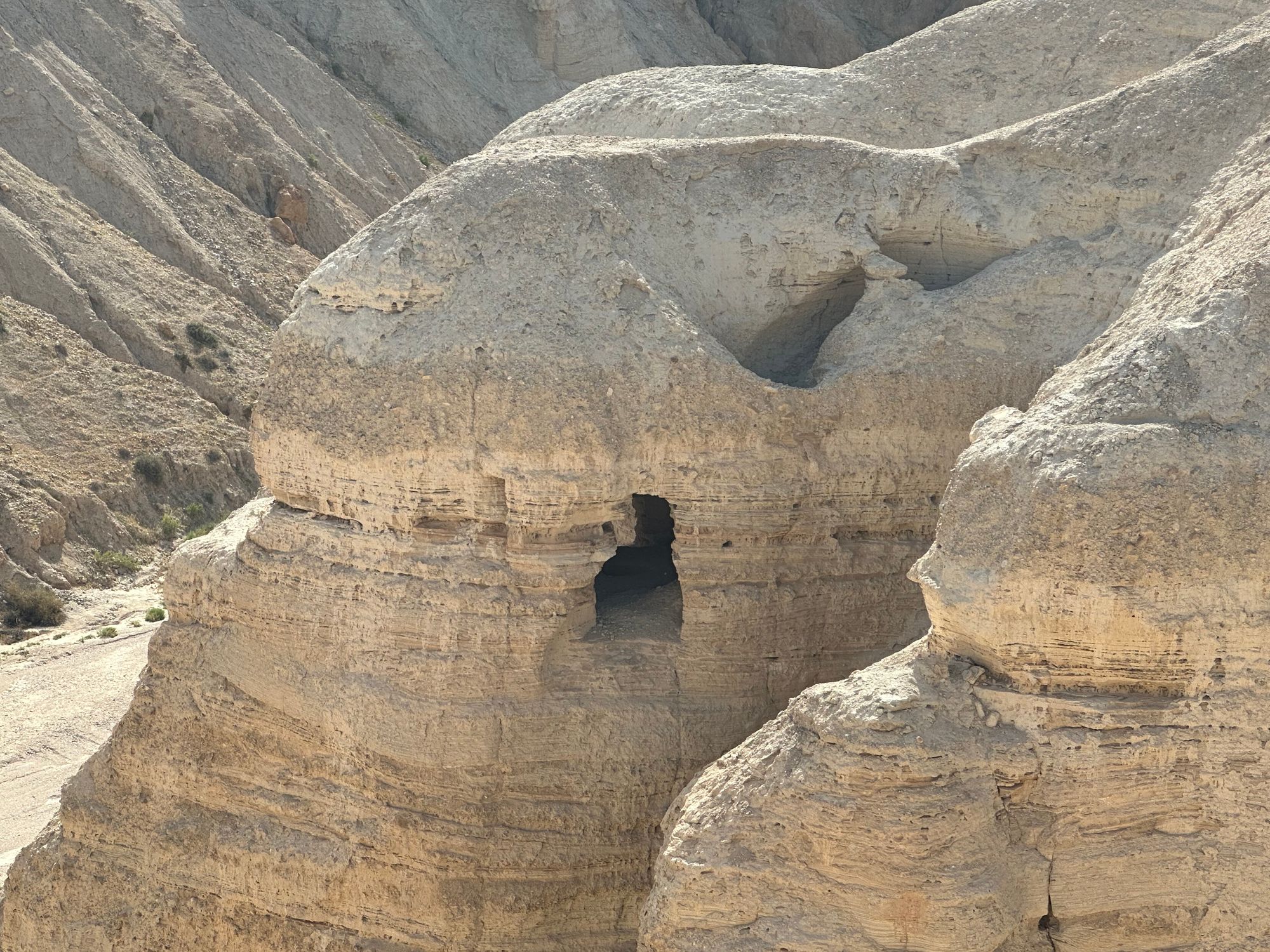
There are also scrolls that talk about the Brothers of Light battling against the Brothers of Shadow (a story that we hear more about later on, in Jerusalem)
There was also a copper scroll that held the directions for where the remains of the second temple.
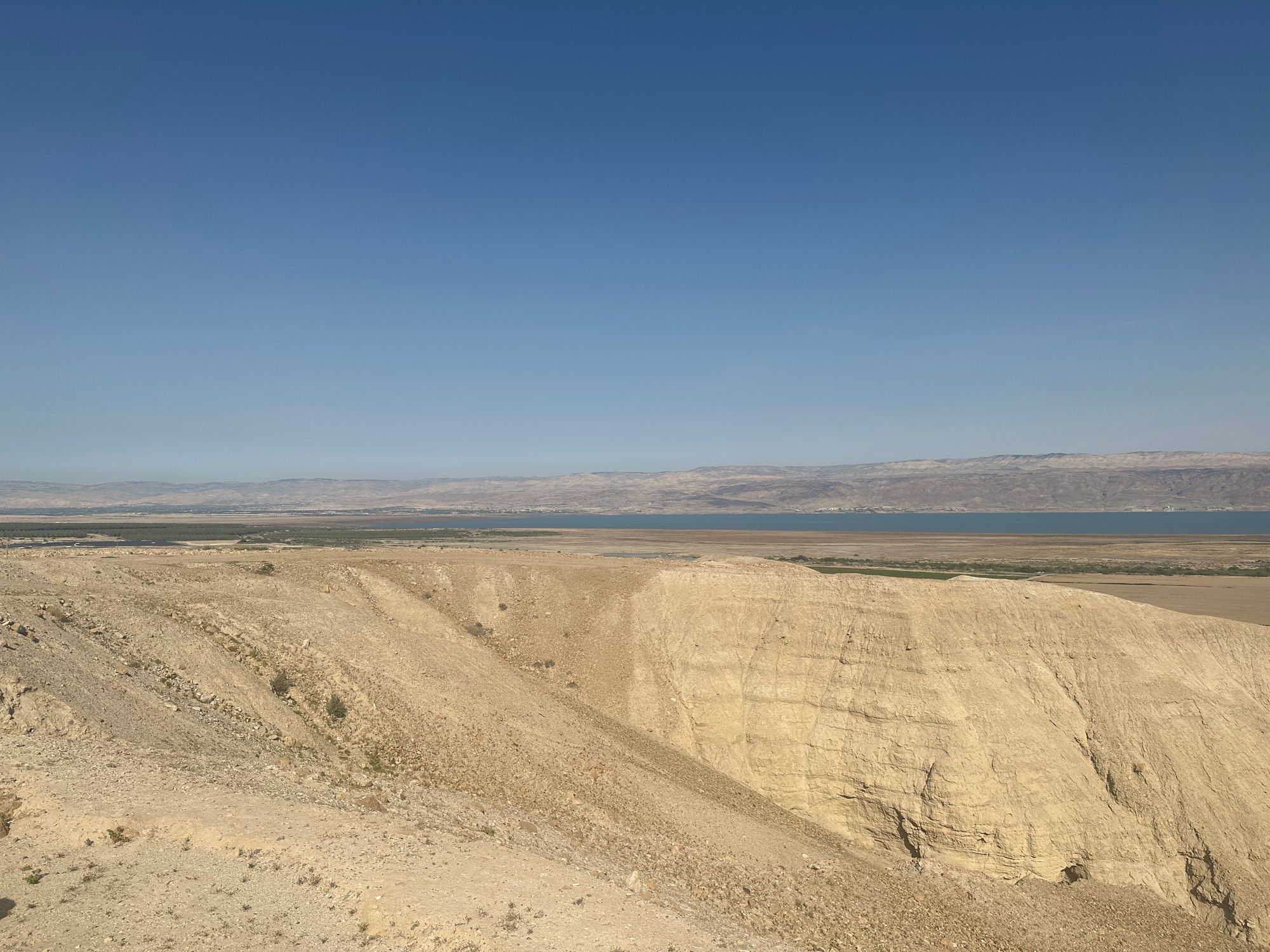
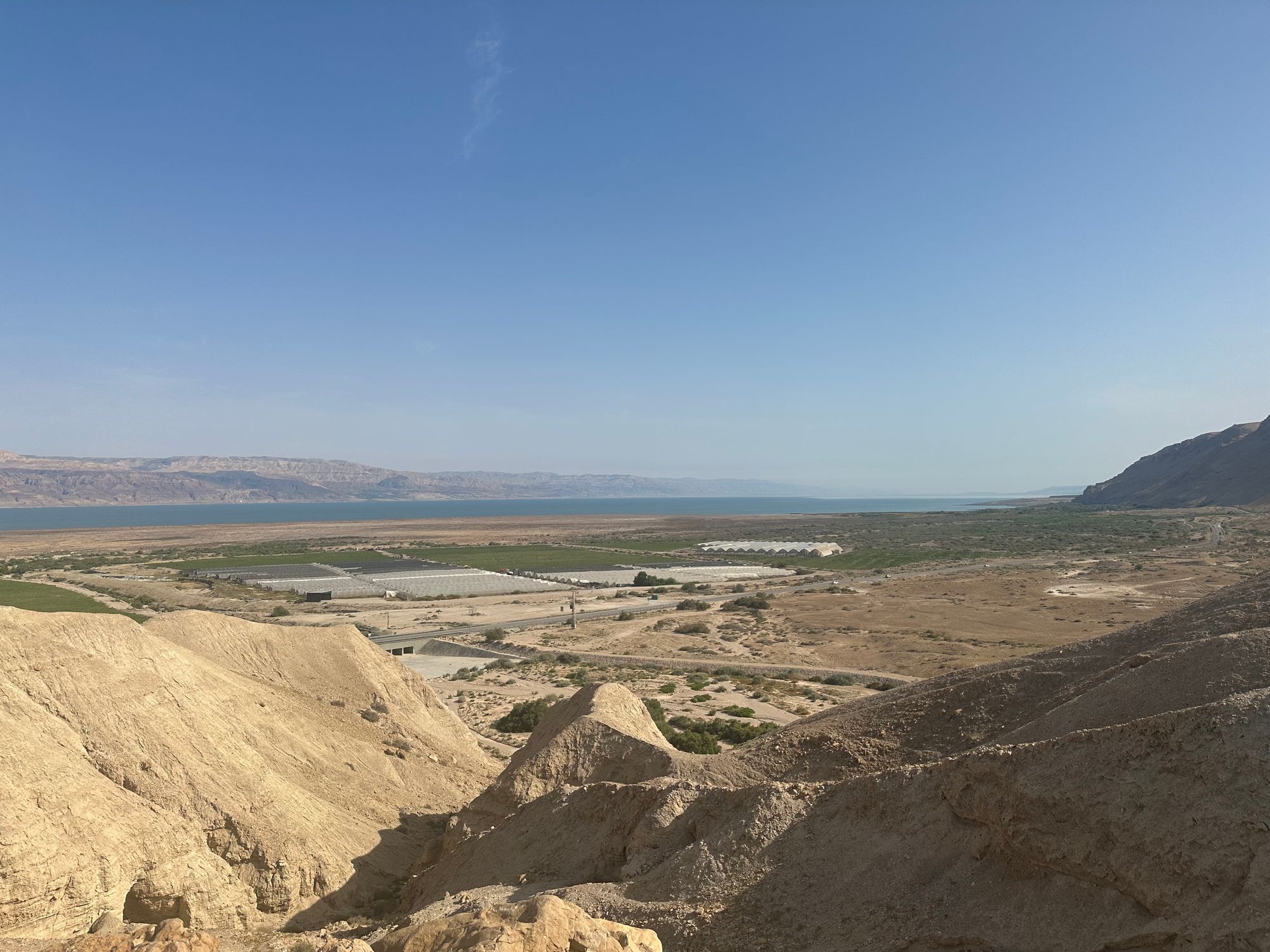
As we leave, we take the opportunity to absorb the view of the dead sea.
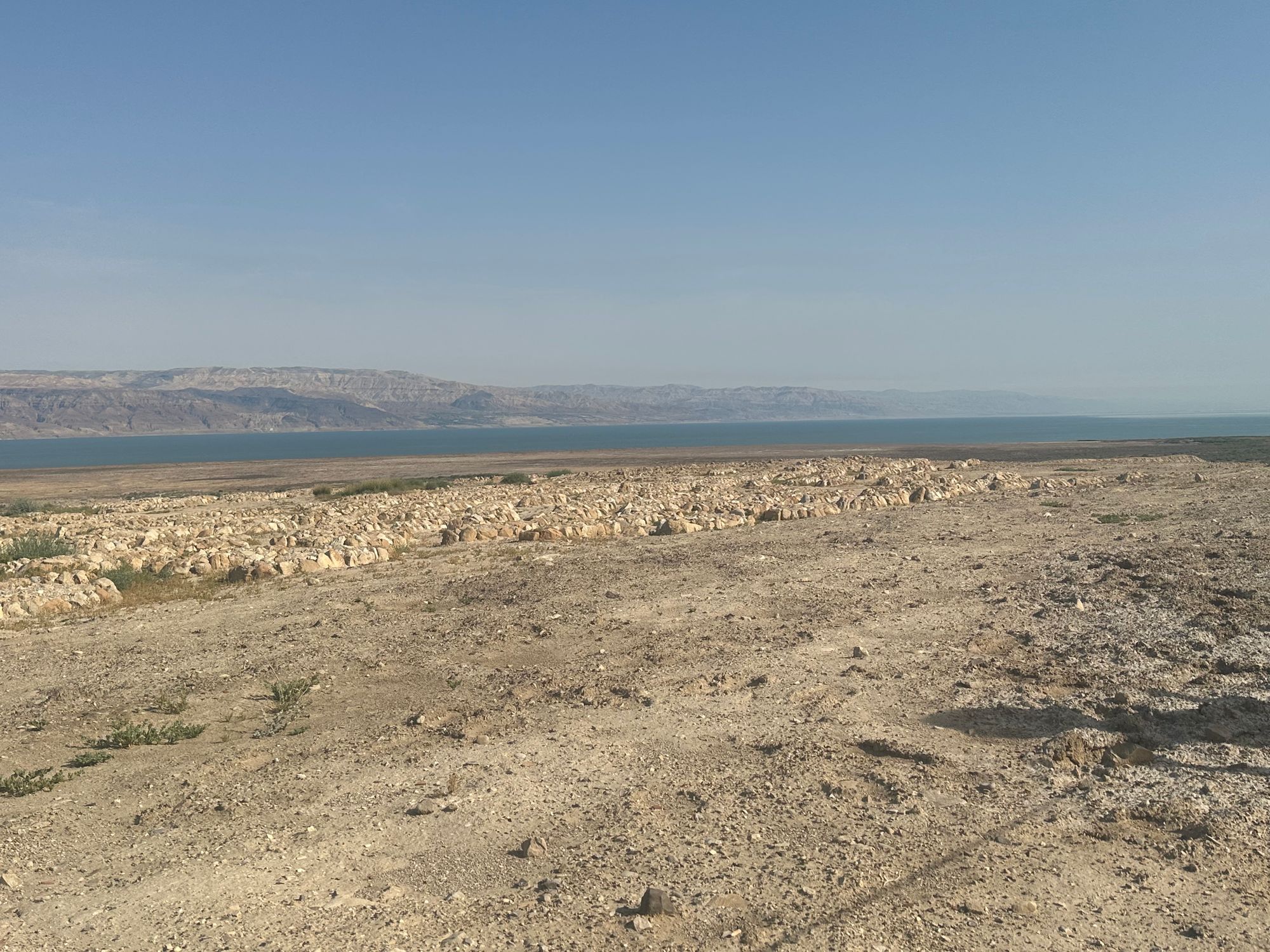
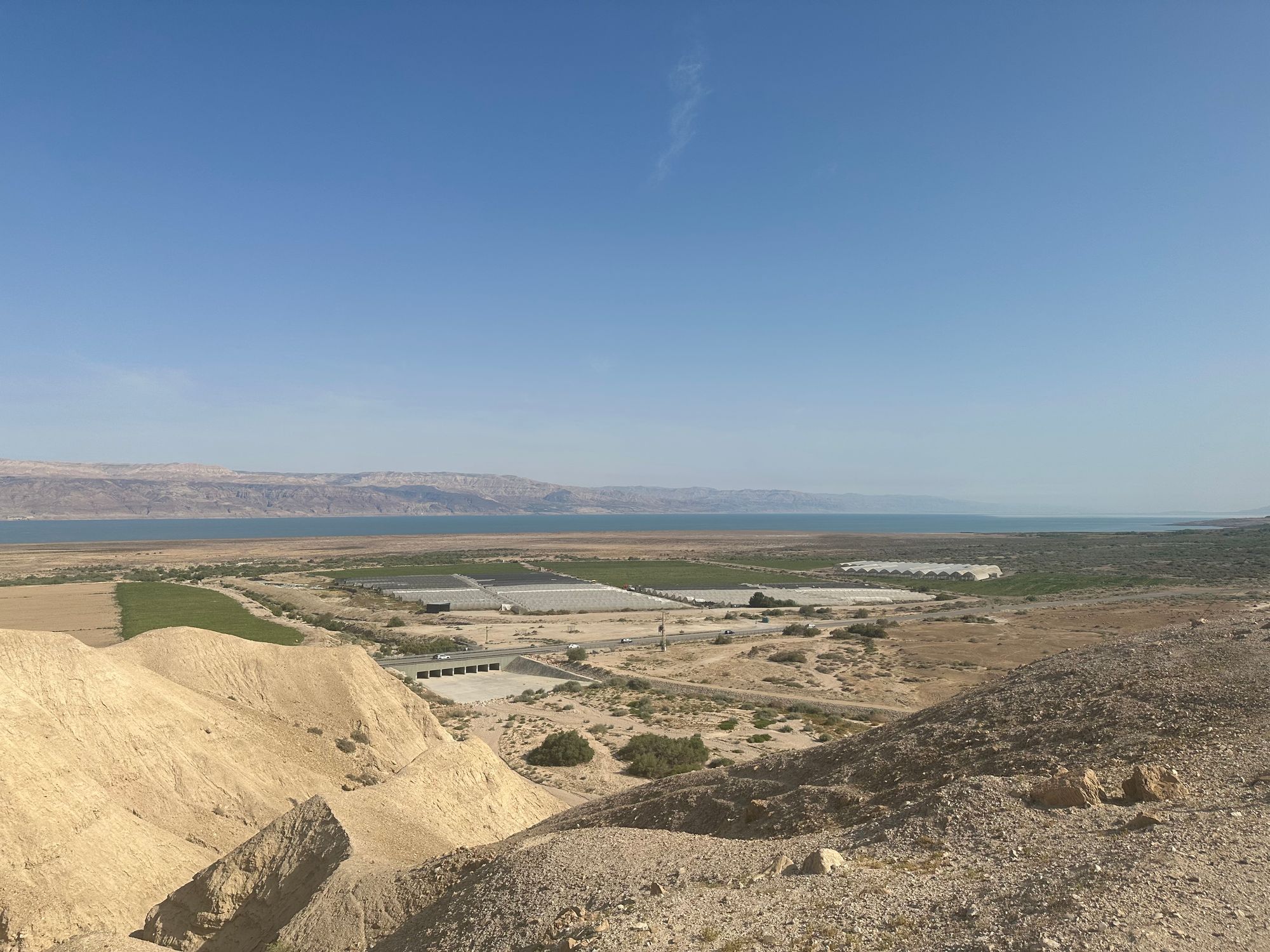
It was a busy day, but thankfully we got some free time coming on the Dead Sea!